John Cocke
IBM researcher who invented RISC computer architecture
- Lived
- 77 yrs
- 1925 – 2002
- Works listed
- 2
- Computer architecture, Parsing algorithm
- Honours
- 4
- Most recent 1994
- Profile views
- 0
- 0 followers
John Cocke was an American computer scientist at IBM who pioneered RISC (reduced instruction set computer) architecture and optimising compilers. RISC ideas power the processors in almost every smartphone. He received the Turing Award in 1987.
Biography
Background
Cocke studied mechanical engineering and earned a PhD in mathematics at Duke University. He joined IBM in 1956 and spent his whole career there.
Fast machines
He worked on the IBM Stretch supercomputer and on the design of processors that could execute several instructions at once, early ideas behind modern superscalar chips.
RISC
In the mid-1970s Cocke led the IBM 801 project, which showed that a processor with a small set of simple instructions, together with a clever compiler, could outperform complex designs. This reduced instruction set approach was adopted by IBM’s POWER chips, by Sun, MIPS and ARM, and is now in billions of devices.
Compilers
Cocke, with Frances Allen and others, developed techniques to optimise code automatically. He received the Turing Award in 1987, the National Medal of Technology in 1991 and the National Medal of Science in 1994. He died in 2002.
Timeline
-
1925
Born in Charlotte, North Carolina, United States
-
1956
Joins IBM
-
1961
IBM Stretch delivered
-
1975
IBM 801 RISC project begins
-
1987
Turing Award
-
1991
National Medal of Technology
-
1994
National Medal of Science
-
2002
Died, aged 77
Notable works
-
1980
IBM 801 Computer architecture
-
1960
Cocke–Younger–Kasami algorithm Parsing algorithm
Co-discovered independently.
Awards and honours
-
Eckert–Mauchly Award
1985
-
Turing Award
1987
-
National Medal of Technology
1991
-
National Medal of Science
1994
Did you know?
-
1
Colleagues said many of his ideas came during long conversations and were written up by others.
-
2
The CYK parsing algorithm partly bears his name.
-
3
IBM’s POWER and PowerPC chips descend from his 801 work.
Connections
Related people
-
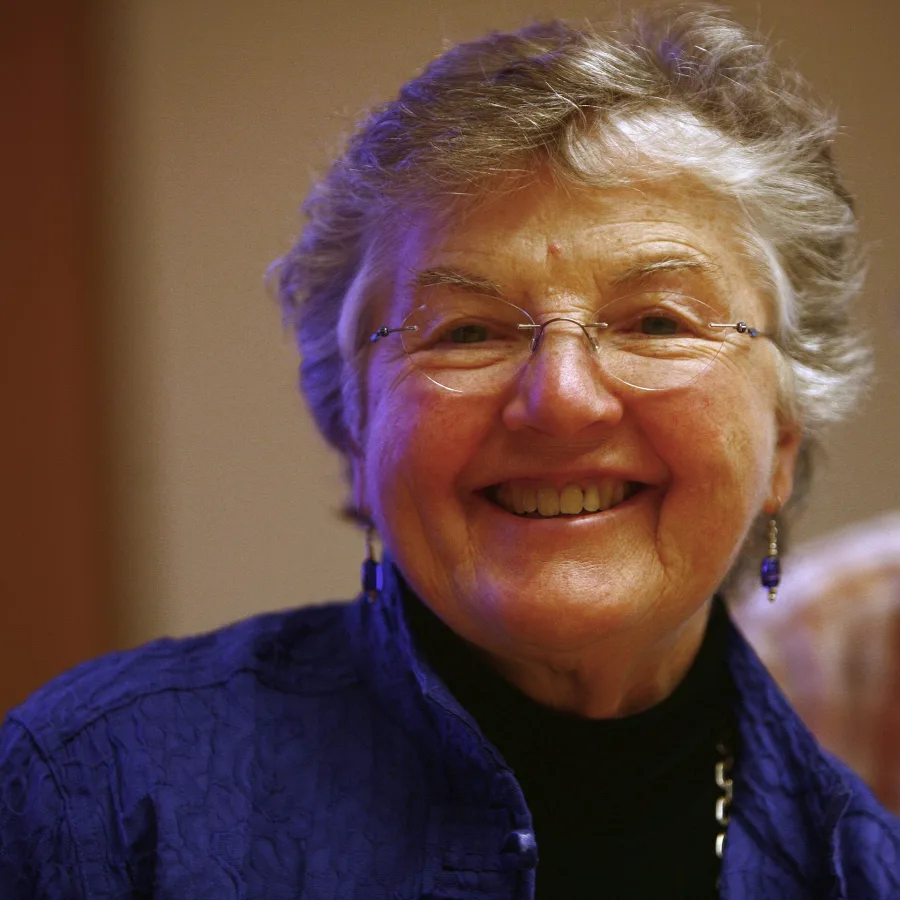 Frances Allen
Science · IBM compiler pioneer and the first woman to win the Turing Award
IBM colleague on compiler optimisation
-
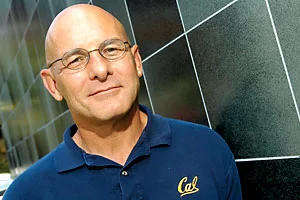 David Patterson
Science · Berkeley professor who coined RISC and co-created RAID
Fellow RISC pioneer
-
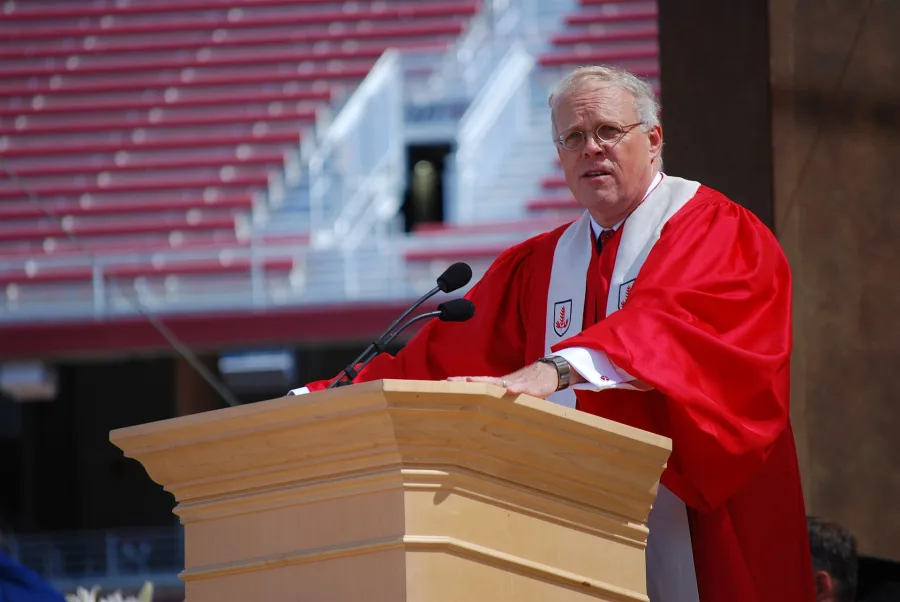 John L. Hennessy
Science · RISC pioneer, former Stanford president and chairman of Alphabet
Fellow RISC pioneer


Frequently asked
Who is John Cocke?
John Cocke was an American computer scientist at IBM who pioneered RISC (reduced instruction set computer) architecture and optimising compilers. RISC ideas power the processors in almost every smartphone. He received the Turing Award in 1987.
When did John Cocke die?
John Cocke died on 16 July 2002 at the age of 77.
Where is John Cocke from?
John Cocke was born in Charlotte, North Carolina, United States.
What is John Cocke known for?
John Cocke is best known for RISC architecture; IBM 801; optimising compilers; Turing Award 1987.
What awards has John Cocke received?
Notable honours include Eckert–Mauchly Award (1985), Turing Award (1987), National Medal of Technology (1991), National Medal of Science (1994).
References
- John Cocke (computer scientist) — Wikipedia. Wikipedia. Retrieved 4 November 2026.
- John Cocke (computer scientist) — Britannica. Encyclopaedia Britannica. Retrieved 4 November 2026.
- John Cocke (computer scientist) (Q92632) — structured data. Wikidata. Retrieved 4 November 2026.
Includes material from the Wikipedia article “John Cocke (computer scientist)”, licensed under CC BY-SA 4.0. That text is available under the same licence. Learn more
External links
About this profile
- Researched by the TrackFame editorial team; reviewed by Sanjay Sokal under our editorial policy
- First published 4 November 2026
- Last updated
Cite this page
“John Cocke.” TrackFame, last updated 4 November 2026. https://trackfame.com/person/john-cocke
Discussion 0
Sign in or create an account to join the discussion.
No comments yet — be the first.
More in Science
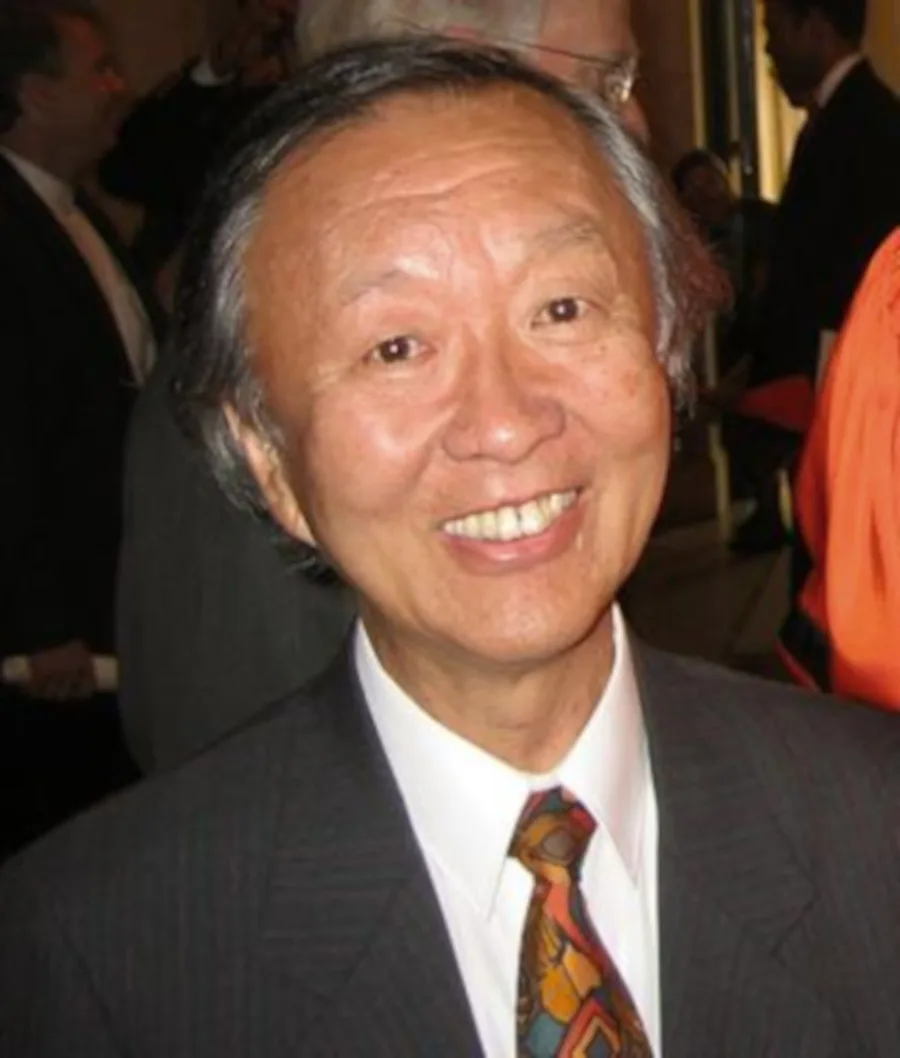 Science
Charles K. Kao
“Godfather of broadband” who showed glass fibres could carry light over long distances
1933 – 2018
 Science
Heinrich Hertz
German physicist who first proved that radio waves exist
1857 – 1894
 Science
Martin Odersky
German computer scientist who created the Scala programming language
Born 1958
 Science
Charles Babbage
Victorian mathematician who designed the first programmable mechanical computer
1791 – 1871
 Science
Margaret Hamilton
MIT engineer who led the software for the Apollo Moon landings and coined “software engineering”
1936 – 2026
 Science
Isamu Akasaki
Japanese scientist who made the first gallium-nitride blue LED
1929 – 2021