
John L. Hennessy
RISC pioneer, former Stanford president and chairman of Alphabet
- Age
- 74 yrs
- Birthday in 321 days
- Works listed
- 2
- Book
- Honours
- 4
- Most recent 2022
- Profile views
- 2
- 0 followers
John Hennessy is an American computer scientist who pioneered RISC processors, co-founded MIPS Computer Systems and co-wrote the standard textbooks on computer architecture with David Patterson. He was president of Stanford University from 2000 to 2016 and is chairman of Google’s parent company Alphabet.
Biography
Education
Hennessy studied electrical engineering at Villanova University and earned his PhD in computer science at Stony Brook University in 1977, then joined Stanford.
MIPS
In 1981 he began the Stanford MIPS project, showing that simple instructions combined with smart compilers and pipelining could make processors much faster. He co-founded MIPS Computer Systems in 1984; MIPS chips powered Silicon Graphics workstations, the Nintendo 64 and many routers.
The textbooks
With David Patterson he wrote Computer Architecture: A Quantitative Approach (1990) and Computer Organization and Design, which have taught generations of engineers. Together they received the Turing Award in 2017.
Stanford and Alphabet
Hennessy was Stanford’s provost and from 2000 to 2016 its president, overseeing growth in fundraising and the founding of the Knight-Hennessy Scholars programme. He joined Google’s board in 2004 and became chairman of Alphabet in 2018.
Timeline
-
1952
Born in Huntington, New York, United States
-
1977
PhD from Stony Brook; joins Stanford
-
1981
Stanford MIPS project
-
1984
Co-founds MIPS Computer Systems
-
1990
Quantitative Approach textbook
-
2000
President of Stanford
-
2017
Turing Award with Patterson
-
2018
Chairman of Alphabet
Notable works
-
1990
Computer Architecture: A Quantitative Approach Book
With David Patterson.
-
2018
Leading Matters Book
Awards and honours
-
IEEE John von Neumann Medal
2000
-
IEEE Medal of Honor
2012
-
Turing Award
2017
-
Charles Stark Draper Prize
2022
Did you know?
-
1
The Nintendo 64 and PlayStation used MIPS processors.
-
2
He and Patterson were friendly rivals: MIPS at Stanford, RISC at Berkeley.
-
3
The Knight-Hennessy Scholars programme is partly named after him.
Connections
Related people
-
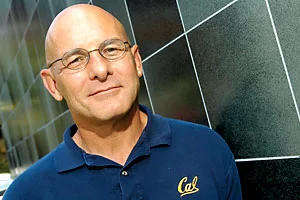 David Patterson
Science · Berkeley professor who coined RISC and co-created RAID
Co-author and Turing Award co-recipient
- John Cocke Science · IBM researcher who invented RISC computer architecture Fellow RISC pioneer
-
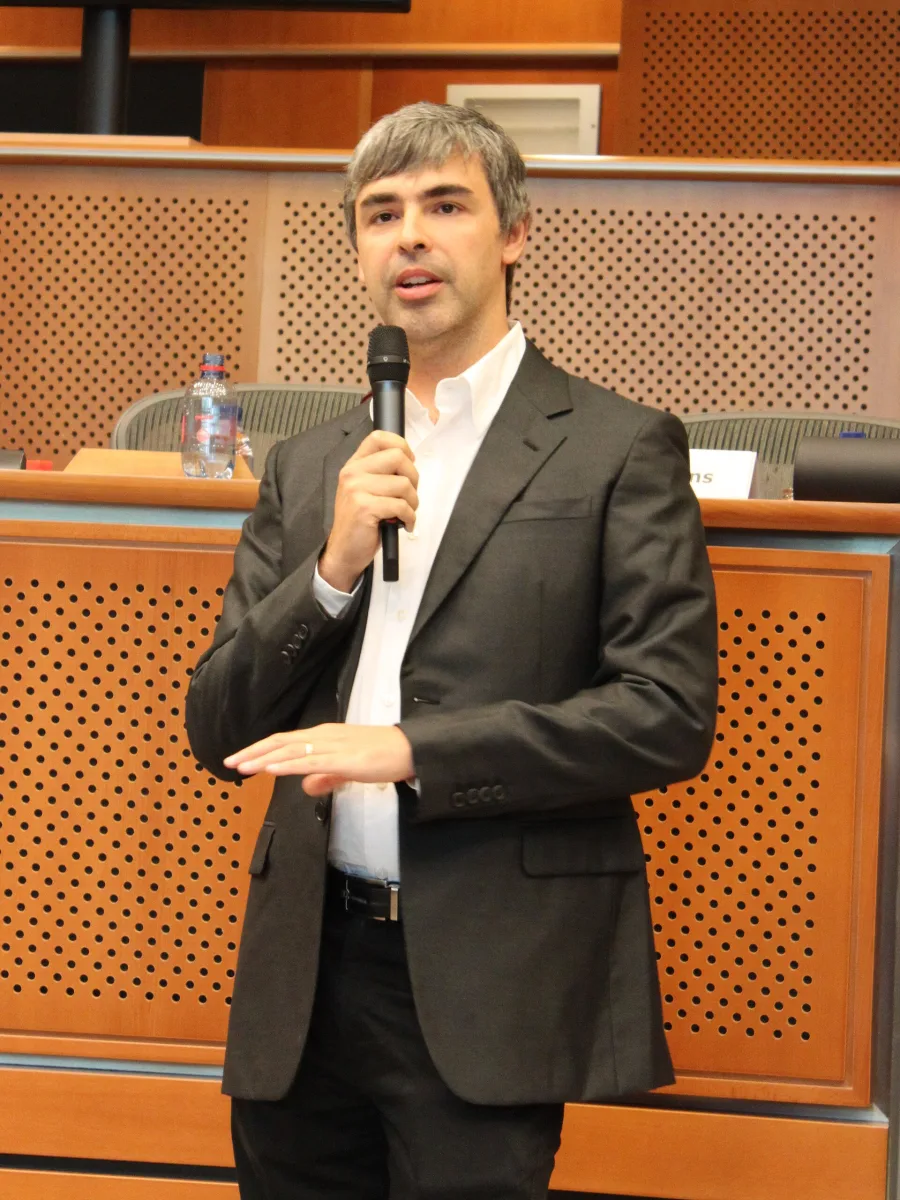 Larry Page
Technology · Co-founder of Google and inventor of PageRank
Alphabet co-founder
Also born on 22 September

Frequently asked
Who is John L. Hennessy?
John Hennessy is an American computer scientist who pioneered RISC processors, co-founded MIPS Computer Systems and co-wrote the standard textbooks on computer architecture with David Patterson. He was president of Stanford University from 2000 to 2016 and is chairman of Google’s parent company Alphabet.
How old is John L. Hennessy?
John L. Hennessy is 74 years old, born on 22 September 1952 in Huntington, New York, United States.
Where is John L. Hennessy from?
John L. Hennessy was born in Huntington, New York, United States.
What is John L. Hennessy known for?
John L. Hennessy is best known for MIPS architecture; RISC; Stanford president 2000–2016; chairman of Alphabet; Turing Award 2017.
What awards has John L. Hennessy received?
Notable honours include IEEE John von Neumann Medal (2000), IEEE Medal of Honor (2012), Turing Award (2017), Charles Stark Draper Prize (2022).
References
- John L. Hennessy — Wikipedia. Wikipedia. Retrieved 4 November 2026.
- Official website. profiles.stanford.edu. Retrieved 4 November 2026.
- John L. Hennessy (Q92854) — structured data. Wikidata. Retrieved 4 November 2026.
Includes material from the Wikipedia article “John L. Hennessy”, licensed under CC BY-SA 4.0. That text is available under the same licence. Learn more
External links
About this profile
- Researched by the TrackFame editorial team; reviewed by Sanjay Sokal under our editorial policy
- First published 4 November 2026
- Last updated
Cite this page
“John L. Hennessy.” TrackFame, last updated 5 November 2026. https://trackfame.com/person/john-l-hennessy
Discussion 0
Sign in or create an account to join the discussion.
No comments yet — be the first.
More in Science
 Science
Michael Stonebraker
Database researcher behind Ingres and Postgres
Born 1943
 Science
Yuri Milner
Investor behind DST Global and the Breakthrough Prizes
Born 1961
 Science
Andrew Ng
AI educator who co-founded Google Brain and Coursera
Born 1976
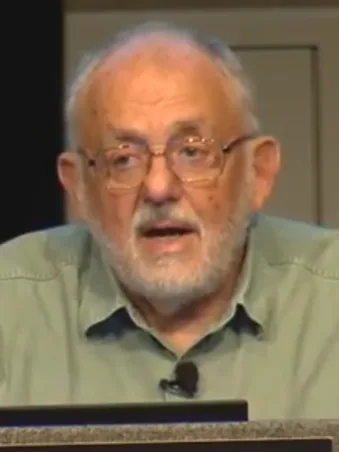 Science
Cleve Moler
Mathematician who created MATLAB and co-founded MathWorks
1939 – 2026
 Science
Dario Amodei
Co-founder and CEO of Anthropic, the company behind Claude
Born 1983
 Science
Jeff Hawkins
Inventor of the PalmPilot and neuroscientist of intelligence
Born 1957