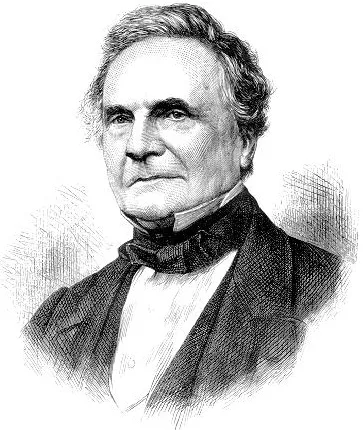
Charles Babbage
Victorian mathematician who designed the first programmable mechanical computer
- Lived
- 79 yrs
- 1791 – 1871
- Works listed
- 3
- Mechanical calculator design, Mechanical computer design
- Honours
- 2
- Most recent 1824
- Profile views
- 0
- 0 followers
Charles Babbage was an English mathematician and engineer who designed the Difference Engine and the Analytical Engine in the 19th century. The Analytical Engine, never completed, had the essential parts of a modern computer, which is why Babbage is often called the father of the computer.
Biography
Early life
Babbage was born in London to a wealthy banking family and studied at Trinity College and Peterhouse, Cambridge. He co-founded the Analytical Society to modernise British mathematics and was elected a Fellow of the Royal Society in 1816.
The Difference Engine
Frustrated by errors in printed mathematical tables, Babbage designed a machine in 1822 that would calculate and print them automatically. The British government funded the project, but disputes with his engineer and rising costs halted it in 1833 with only a part built.
The Analytical Engine
From 1834 he designed a far more ambitious machine. The Analytical Engine would read instructions from punched cards, as in the Jacquard loom, and had a “mill” for calculation and a “store” for memory — the equivalent of a processor and memory. Ada Lovelace’s notes on it included the first published program.
Other work and legacy
Babbage was Lucasian Professor of Mathematics at Cambridge, wrote on economics and manufacturing and campaigned against street musicians. In 1991 the Science Museum in London built his Difference Engine No. 2 from his drawings, and it worked.
Timeline
-
1791
Born in Walworth, London, England
-
1816
Elected Fellow of the Royal Society
-
1822
Proposes the Difference Engine
-
1828
Lucasian Professor at Cambridge
-
1833
Work on the Difference Engine stops
-
1834
Begins the Analytical Engine
-
1843
Lovelace publishes her notes
-
1871
Dies in London
-
1991
Difference Engine No. 2 completed by the Science Museum
-
1871
Died, aged 79
Notable works
-
1822
Difference Engine Mechanical calculator design
-
1837
Analytical Engine Mechanical computer design
-
1832
On the Economy of Machinery and Manufactures Book
Awards and honours
-
Fellow of the Royal Society
1816
-
Gold Medal of the Royal Astronomical Society
1824
Did you know?
-
1
Half of his brain is preserved at the Hunterian Museum in London and the other half at the Science Museum.
-
2
He also invented the cowcatcher for locomotives.
-
3
The completed Difference Engine No. 2 has about 8,000 parts and weighs five tonnes.
Connections
Related people
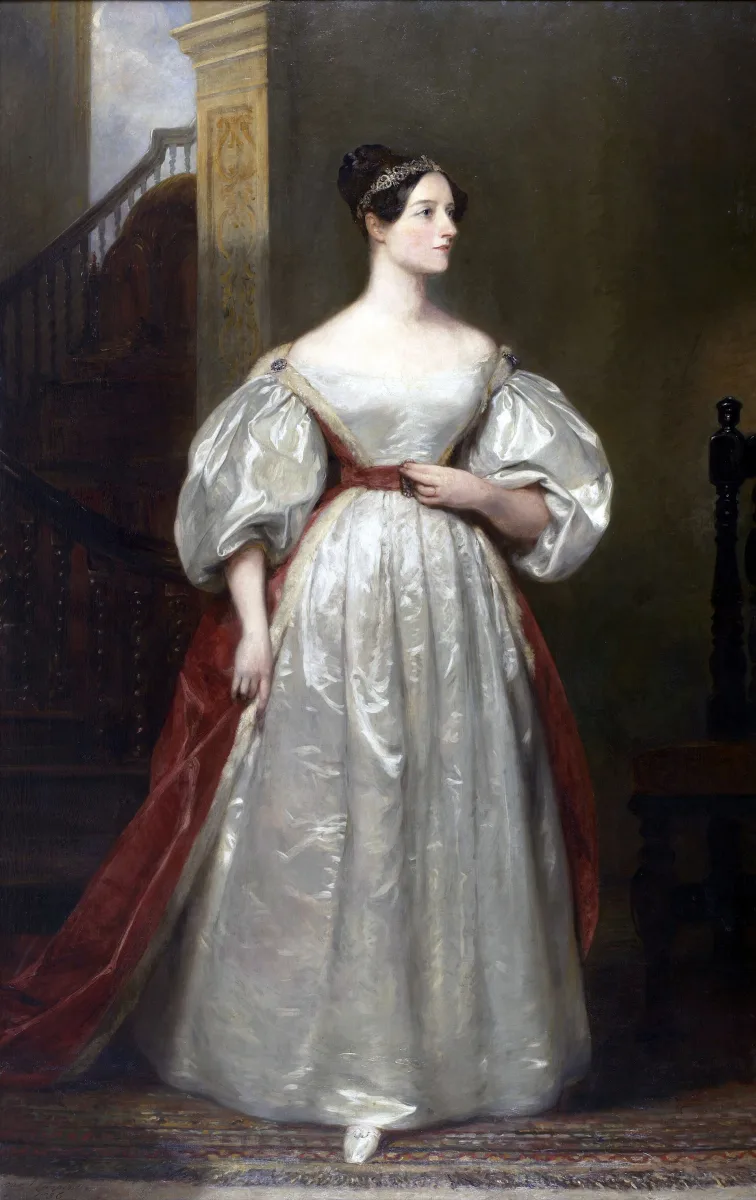
Also born on 26 December
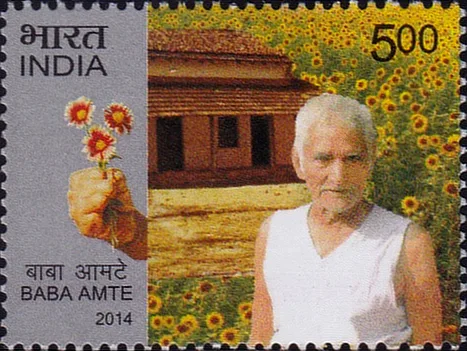


Frequently asked
Who is Charles Babbage?
Charles Babbage was an English mathematician and engineer who designed the Difference Engine and the Analytical Engine in the 19th century. The Analytical Engine, never completed, had the essential parts of a modern computer, which is why Babbage is often called the father of the computer.
When did Charles Babbage die?
Charles Babbage died on 18 October 1871 at the age of 79.
Where is Charles Babbage from?
Charles Babbage was born in Walworth, London, England.
What is Charles Babbage known for?
Charles Babbage is best known for Difference Engine; Analytical Engine; “father of the computer”.
What awards has Charles Babbage received?
Notable honours include Fellow of the Royal Society (1816), Gold Medal of the Royal Astronomical Society (1824).
References
- Charles Babbage — Wikipedia. Wikipedia. Retrieved 4 November 2026.
- Charles Babbage — Britannica. Encyclopaedia Britannica. Retrieved 4 November 2026.
- Charles Babbage — Goodreads author page. Goodreads. Retrieved 4 November 2026.
- Charles Babbage — Hindi Wikipedia. Wikipedia (Hindi). Retrieved 4 November 2026.
- Charles Babbage (Q46633) — structured data. Wikidata. Retrieved 4 November 2026.
Includes material from the Wikipedia article “Charles Babbage”, licensed under CC BY-SA 4.0. That text is available under the same licence. Learn more
External links
About this profile
- Researched by the TrackFame editorial team; reviewed by Sanjay Sokal under our editorial policy
- First published 4 November 2026
- Last updated
Cite this page
“Charles Babbage.” TrackFame, last updated 4 November 2026. https://trackfame.com/person/charles-babbage
Discussion 0
Sign in or create an account to join the discussion.
No comments yet — be the first.
More in Science
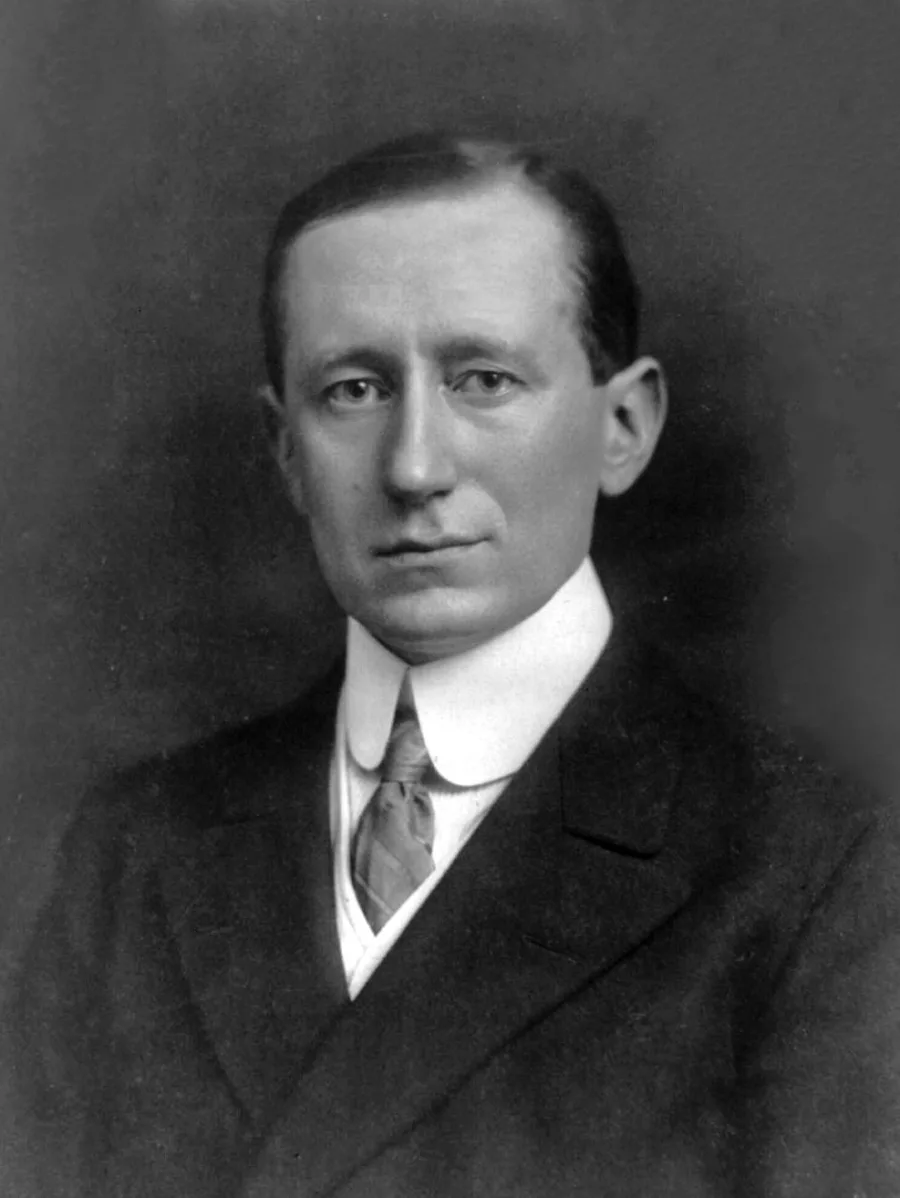 Science
Guglielmo Marconi
Italian inventor who pioneered long-distance radio and won the Nobel Prize
1874 – 1937
 Science
M. Visvesvaraya
Engineer and statesman, whose birthday is India’s Engineers’ Day
1860 – 1962
 Science
Konrad Zuse
German engineer who built the first working programmable computer
1910 – 1995
 Science
Heinrich Hertz
German physicist who first proved that radio waves exist
1857 – 1894
 Science
Frank Rosenblatt
Psychologist who invented the perceptron, an early learning neural network
1928 – 1971
 Science
Vannevar Bush
Engineer who led US wartime science and imagined the “memex”, a precursor of the web
1890 – 1974