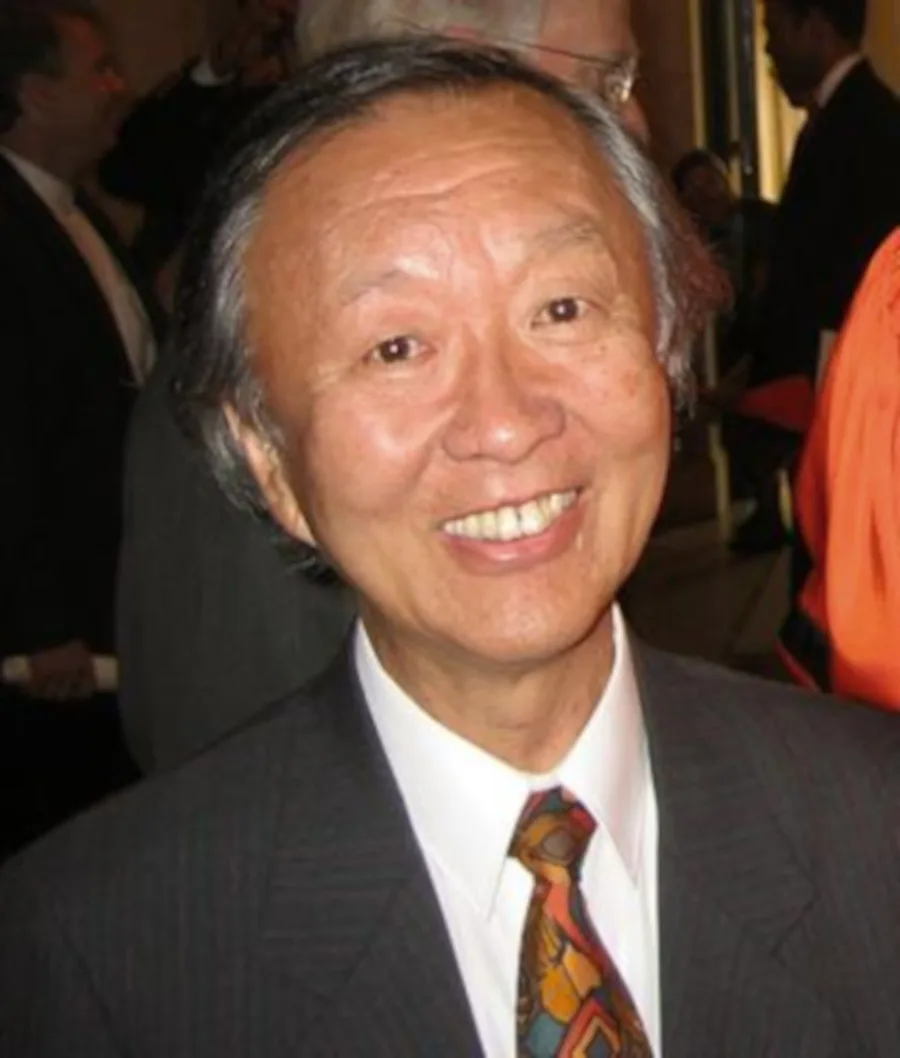
Charles K. Kao
“Godfather of broadband” who showed glass fibres could carry light over long distances
- Lived
- 84 yrs
- 1933 – 2018
- Works listed
- 1
- Paper
- Honours
- 4
- Most recent 2010
- Profile views
- 1
- 0 followers
Charles Kao was a Chinese-born British-American physicist who showed in 1966 that impurities, not glass itself, limited how far light could travel in optical fibre. His work led to the fibre-optic cables that carry most internet and phone traffic. He shared the 2009 Nobel Prize in Physics.
Biography
Background
Kao was born in Shanghai, moved to Hong Kong and studied electrical engineering in London, earning his PhD at University College London. He worked at Standard Telecommunication Laboratories in Harlow, England.
Fibre optics
In a 1966 paper with George Hockham, Kao calculated that if impurities were removed, glass fibres could carry light signals over many kilometres. He campaigned for the idea, and in 1970 Corning produced fibre meeting his target. Optical fibre now forms the backbone of the internet.
Hong Kong
Kao led the electronics department at the Chinese University of Hong Kong and was its vice-chancellor from 1987 to 1996.
Nobel Prize
He shared the 2009 Nobel Prize in Physics with Willard Boyle and George Smith. By then he had Alzheimer’s disease; he died in Hong Kong in 2018.
Timeline
-
1933
Born in Shanghai, China
-
1957
Joins Standard Telephones and Cables
-
1966
Fibre-optic paper with George Hockham
-
1970
Corning makes low-loss fibre
-
1985
Marconi Prize
-
1987
Vice-chancellor of CUHK
-
2009
Nobel Prize in Physics
-
2018
Dies in Hong Kong
-
2018
Died, aged 84
Notable works
-
1966
Dielectric-fibre surface waveguides for optical frequencies Paper
With George Hockham.
Awards and honours
-
Marconi Prize
1985
-
Faraday Medal
1989
-
Nobel Prize in Physics
2009
-
Knight Commander of the Order of the British Empire
2010
Did you know?
-
1
An asteroid, 3463 Kaokuen, is named after him.
-
2
Many scientists doubted his idea when he proposed it.
-
3
His Nobel Prize was accepted on his behalf as his illness progressed.
Connections
Also born on 4 November
Frequently asked
Who is Charles K. Kao?
Charles Kao was a Chinese-born British-American physicist who showed in 1966 that impurities, not glass itself, limited how far light could travel in optical fibre. His work led to the fibre-optic cables that carry most internet and phone traffic. He shared the 2009 Nobel Prize in Physics.
When did Charles K. Kao die?
Charles K. Kao died on 23 September 2018 at the age of 84.
Where is Charles K. Kao from?
Charles K. Kao was born in Shanghai, China.
What is Charles K. Kao known for?
Charles K. Kao is best known for Fibre-optic communication; Nobel Prize in Physics 2009.
What awards has Charles K. Kao received?
Notable honours include Marconi Prize (1985), Faraday Medal (1989), Nobel Prize in Physics (2009), Knight Commander of the Order of the British Empire (2010).
References
- Charles K. Kao — Wikipedia. Wikipedia. Retrieved 4 November 2026.
- Charles K. Kao — Britannica. Encyclopaedia Britannica. Retrieved 4 November 2026.
- Charles K. Kao — Nobel Prize facts. NobelPrize.org. Retrieved 4 November 2026.
- Charles K. Kao — Hindi Wikipedia. Wikipedia (Hindi). Retrieved 4 November 2026.
- Charles K. Kao (Q16389) — structured data. Wikidata. Retrieved 4 November 2026.
Includes material from the Wikipedia article “Charles K. Kao”, licensed under CC BY-SA 4.0. That text is available under the same licence. Learn more
External links
About this profile
- Researched by the TrackFame editorial team; reviewed by Sanjay Sokal under our editorial policy
- First published 4 November 2026
- Last updated
Cite this page
“Charles K. Kao.” TrackFame, last updated 4 November 2026. https://trackfame.com/person/charles-k-kao
Discussion 0
Sign in or create an account to join the discussion.
No comments yet — be the first.
More in Science
 Science
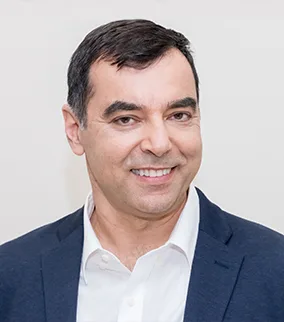
Amnon Shashua
Israeli computer scientist who co-founded Mobileye
Born 1960
 Science
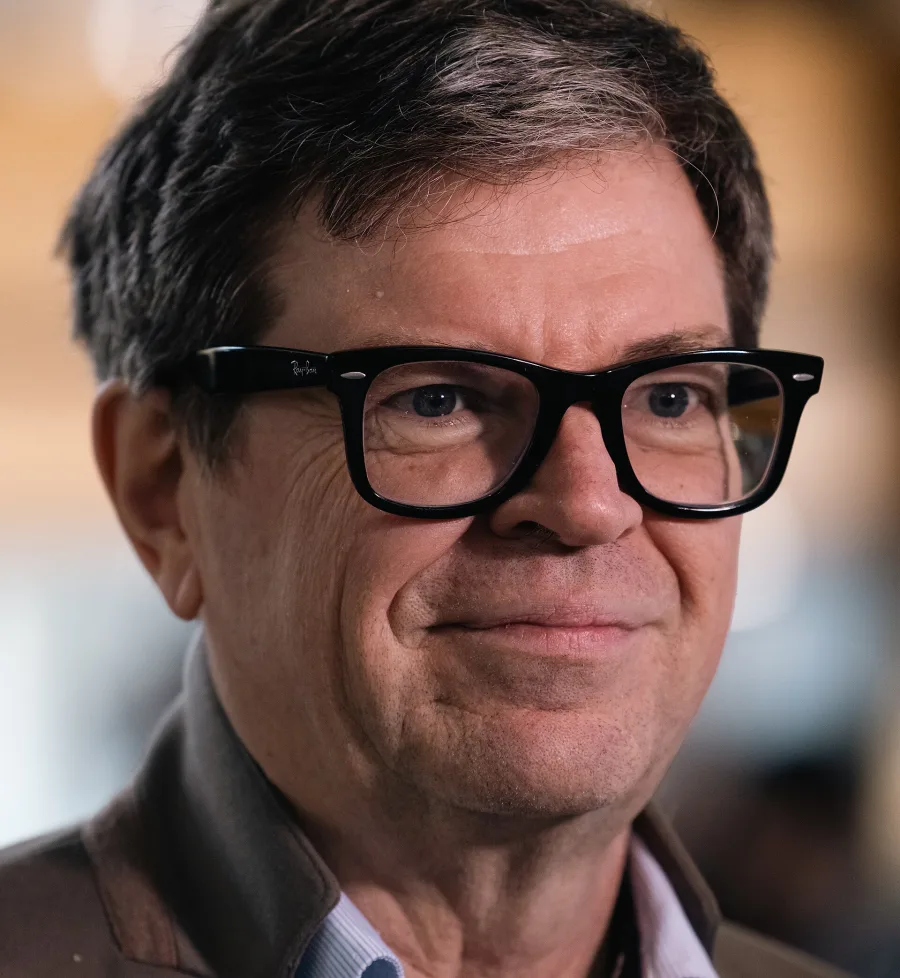
Yann LeCun
French-American AI pioneer who invented convolutional neural networks
Born 1959
 Science
M. Visvesvaraya
Engineer and statesman, whose birthday is India’s Engineers’ Day
1860 – 1962
Ashish Vaswani
Lead author of the transformer paper “Attention Is All You Need”
 Science
Konrad Zuse
German engineer who built the first working programmable computer
1910 – 1995
Ashok Jhunjhunwala
IIT Madras professor and telecom innovator
Born 1953