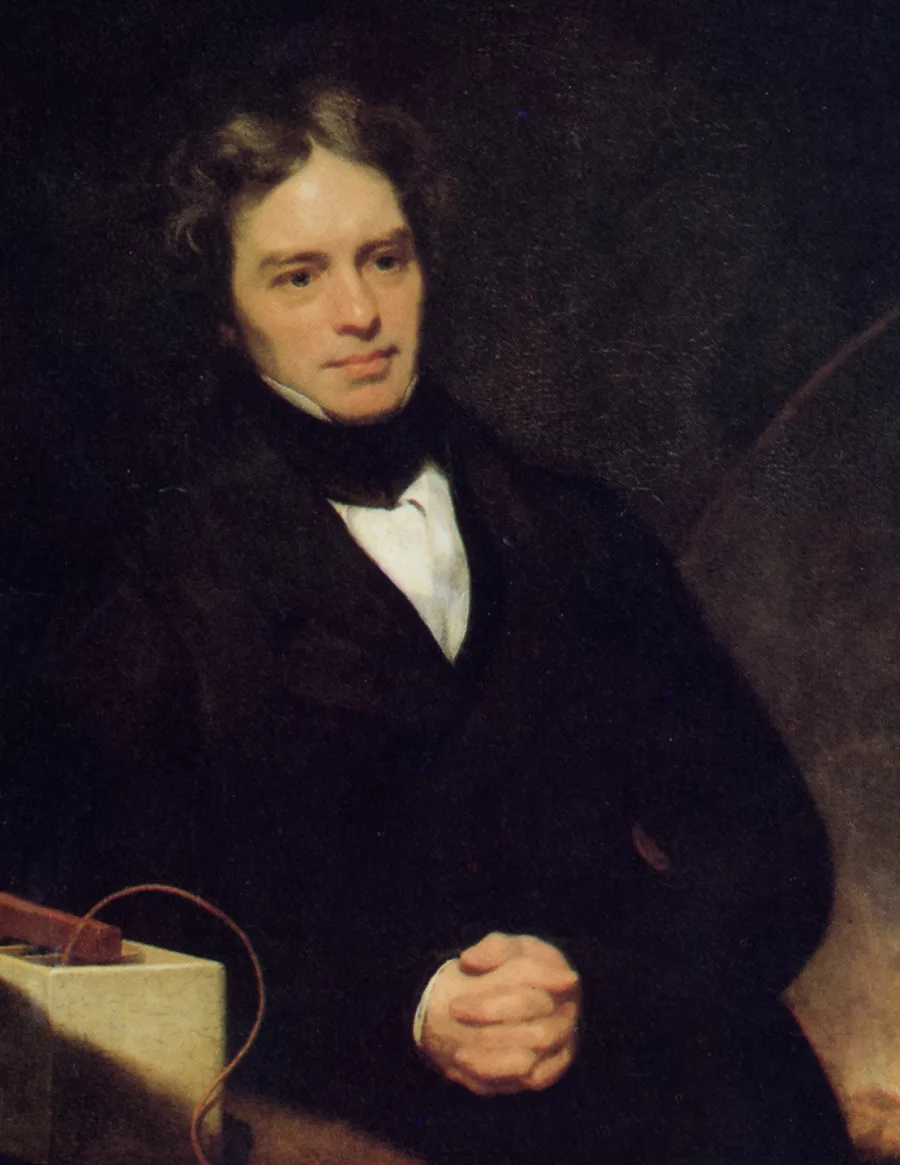
Michael Faraday
Self-taught scientist who discovered electromagnetic induction
- Lived
- 75 yrs
- 1791 – 1867
- Works listed
- 2
- Book, Lectures
- Honours
- 4
- Most recent 1866
- Profile views
- 0
- 0 followers
Michael Faraday was an English scientist who discovered electromagnetic induction in 1831, the principle behind electric generators and transformers. He built the first electric motor, laid out the laws of electrolysis and founded the Royal Institution’s Christmas Lectures.
Biography
Bookbinder’s apprentice
Faraday was the son of a poor blacksmith and had little schooling. As a bookbinder’s apprentice he read the books he bound. After attending lectures by Humphry Davy he sent Davy his notes and became his assistant at the Royal Institution in 1813.
Motors and induction
In 1821 he made a wire rotate around a magnet — the first electric motor. In 1831 he discovered that moving a magnet near a coil produces a current, electromagnetic induction, and built the first dynamo.
Chemistry and fields
Faraday discovered benzene, set out the laws of electrolysis and coined words such as electrode, anode and ion. His idea of lines of force led James Clerk Maxwell to the theory of electromagnetic fields.
Public science
He began the Royal Institution’s Christmas Lectures for young people in 1825. He refused a knighthood and burial in Westminster Abbey and died in 1867.
Timeline
-
1791
Born in Newington Butts, London, England
-
1813
Becomes Humphry Davy’s assistant
-
1821
First electric motor
-
1824
Elected Fellow of the Royal Society
-
1825
Discovers benzene; starts Christmas Lectures
-
1831
Electromagnetic induction
-
1845
Faraday effect
-
1867
Dies at Hampton Court
-
1867
Died, aged 75
Notable works
-
1839
Experimental Researches in Electricity Book
-
1861
The Chemical History of a Candle Lectures
Awards and honours
-
Fellow of the Royal Society
1824
-
Copley Medal
1832
-
Royal Medal
1835
-
Albert Medal
1866
Did you know?
-
1
Einstein kept a picture of Faraday on his study wall.
-
2
He appeared on the British £20 note from 1991 to 2001.
-
3
The Christmas Lectures he started are still televised each year.
Connections
Frequently asked
Who is Michael Faraday?
Michael Faraday was an English scientist who discovered electromagnetic induction in 1831, the principle behind electric generators and transformers. He built the first electric motor, laid out the laws of electrolysis and founded the Royal Institution’s Christmas Lectures.
When did Michael Faraday die?
Michael Faraday died on 25 August 1867 at the age of 75.
Where is Michael Faraday from?
Michael Faraday was born in Newington Butts, London, England.
What is Michael Faraday known for?
Michael Faraday is best known for Electromagnetic induction; electric motor and dynamo; electrolysis; Christmas Lectures.
What awards has Michael Faraday received?
Notable honours include Fellow of the Royal Society (1824), Copley Medal (1832), Royal Medal (1835), Albert Medal (1866).
References
- Michael Faraday — Wikipedia. Wikipedia. Retrieved 4 November 2026.
- Michael Faraday — Britannica. Encyclopaedia Britannica. Retrieved 4 November 2026.
- Michael Faraday — Goodreads author page. Goodreads. Retrieved 4 November 2026.
- Michael Faraday — Hindi Wikipedia. Wikipedia (Hindi). Retrieved 4 November 2026.
- Michael Faraday (Q8750) — structured data. Wikidata. Retrieved 4 November 2026.
Includes material from the Wikipedia article “Michael Faraday”, licensed under CC BY-SA 4.0. That text is available under the same licence. Learn more
External links
About this profile
- Researched by the TrackFame editorial team; reviewed by Sanjay Sokal under our editorial policy
- First published 4 November 2026
- Last updated
Cite this page
“Michael Faraday.” TrackFame, last updated 4 November 2026. https://trackfame.com/person/michael-faraday
Discussion 0
Sign in or create an account to join the discussion.
No comments yet — be the first.
More in Science
 Science
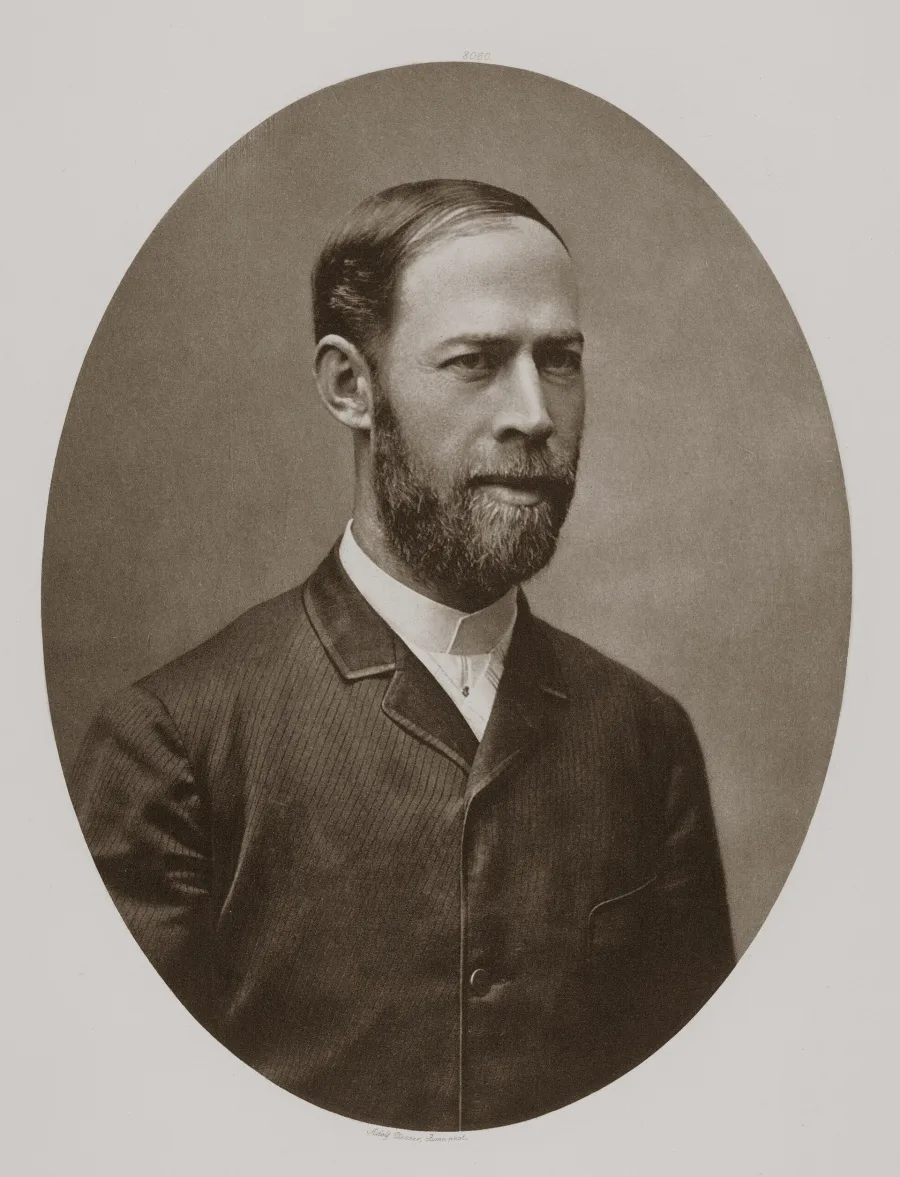
Heinrich Hertz
German physicist who first proved that radio waves exist
1857 – 1894
 Science
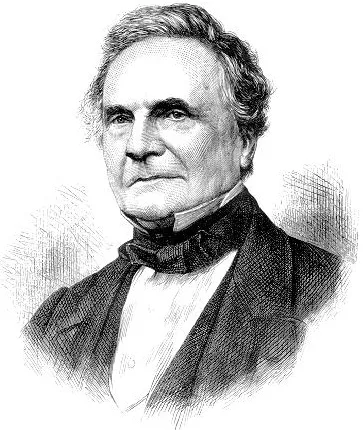
Charles Babbage
Victorian mathematician who designed the first programmable mechanical computer
1791 – 1871
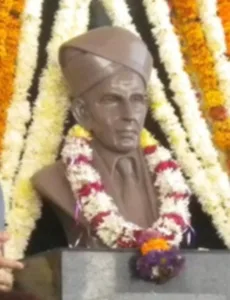 Science
M. Visvesvaraya
Engineer and statesman, whose birthday is India’s Engineers’ Day
1860 – 1962
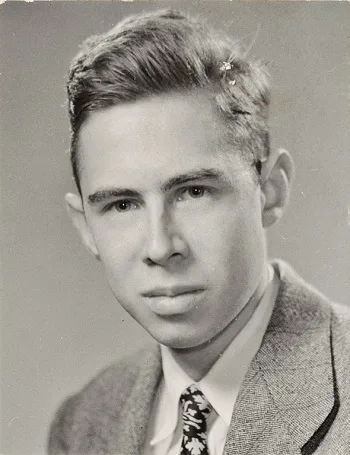 Science
Frank Rosenblatt
Psychologist who invented the perceptron, an early learning neural network
1928 – 1971
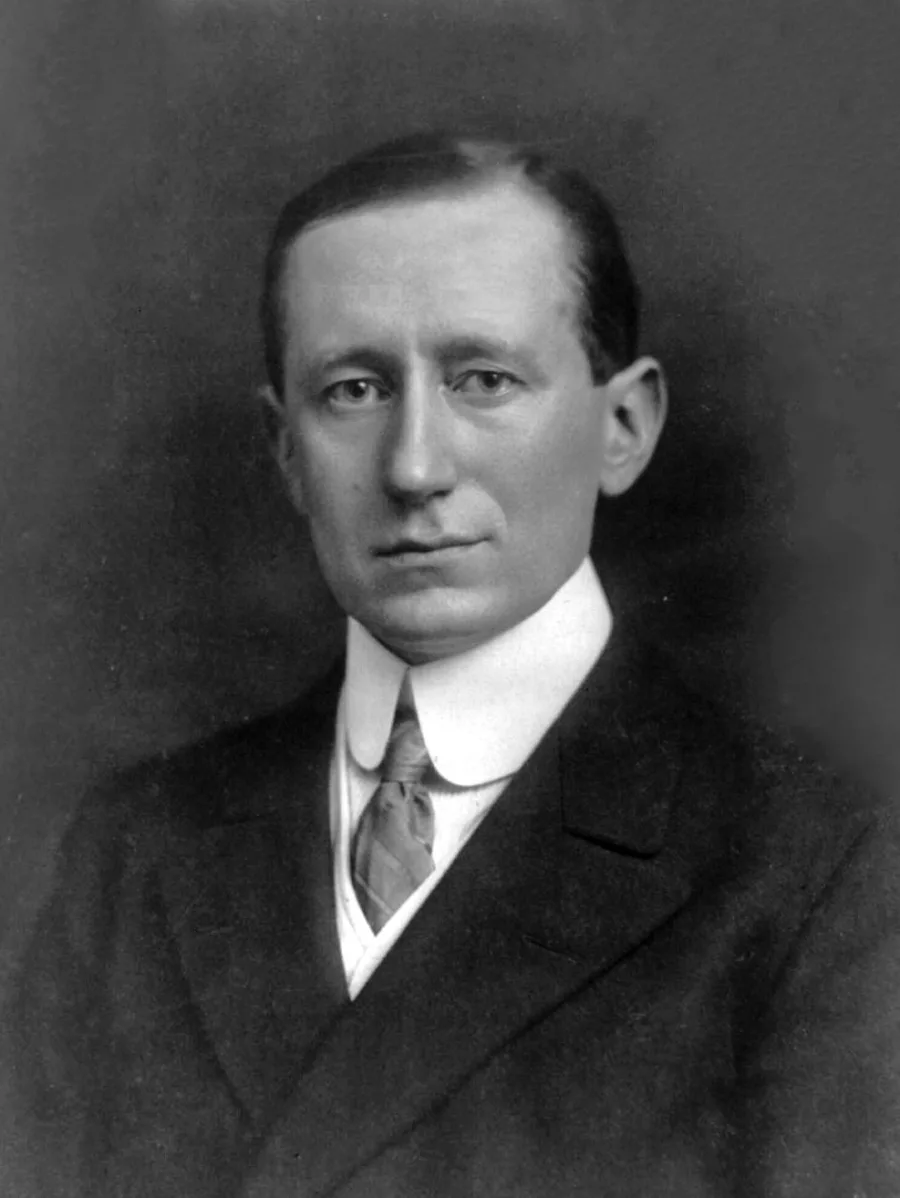 Science
Guglielmo Marconi
Italian inventor who pioneered long-distance radio and won the Nobel Prize
1874 – 1937
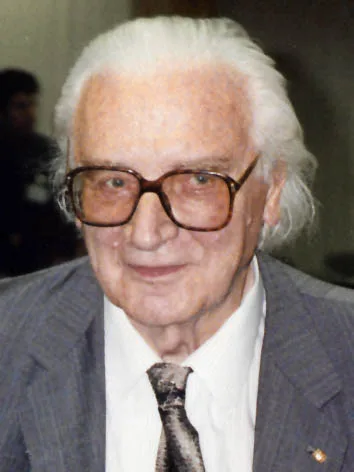 Science
Konrad Zuse
German engineer who built the first working programmable computer
1910 – 1995