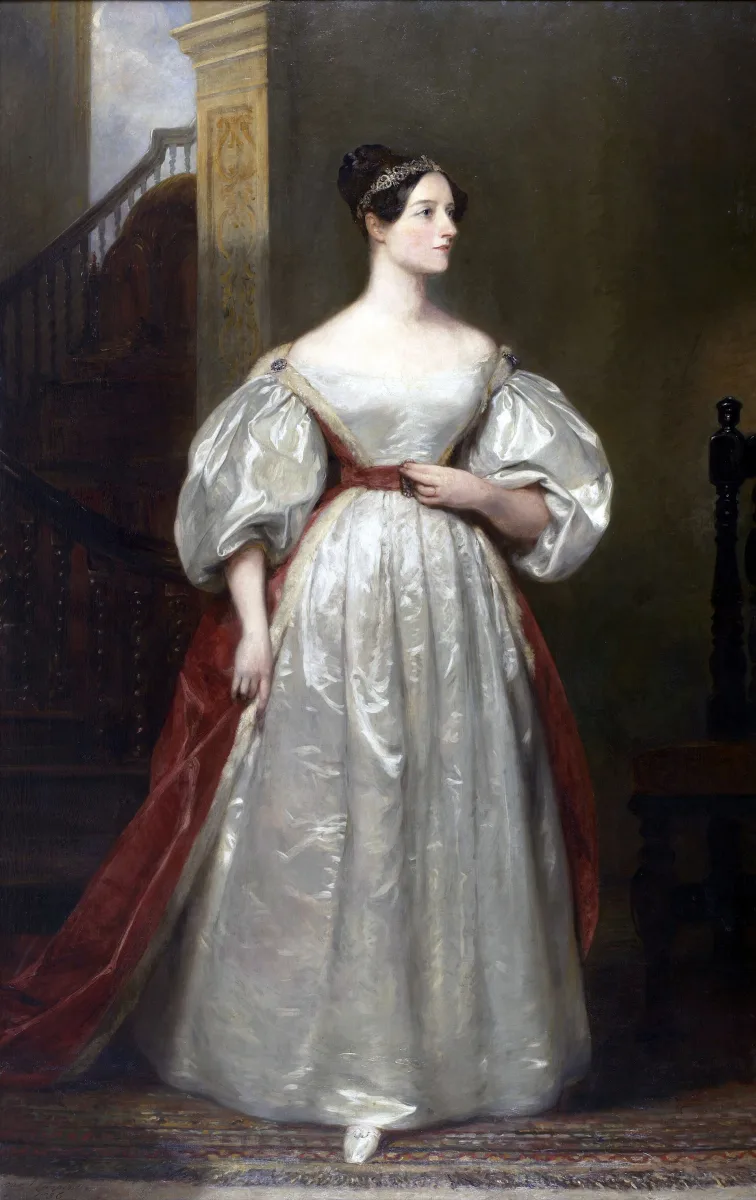
Ada Lovelace
Mathematician often regarded as the first computer programmer
- Lived
- 36 yrs
- 1815 – 1852
- Works listed
- 1
- Article
- Honours
- 0
- Awards & distinctions
- Profile views
- 2
- 0 followers
Ada Lovelace was an English mathematician who wrote extensive notes on Charles Babbage’s proposed Analytical Engine in 1843, including what is often considered the first computer program. She also foresaw that computers could go beyond calculation to handle music and symbols.
Biography
Early life
Ada was the only legitimate child of the poet Lord Byron and Annabella Milbanke. Her parents separated weeks after her birth, and her mother, fearing Byron’s influence, had her tutored in mathematics and science. She suffered serious illnesses as a child.
Meeting Babbage
At 17, in 1833, she met Charles Babbage and saw a demonstration piece of his Difference Engine. She became a friend and correspondent, studying mathematics with Augustus De Morgan.
The Notes
In 1843 she translated an article by the Italian engineer Luigi Menabrea about Babbage’s Analytical Engine and added notes three times longer than the original. Note G described step by step how the engine could calculate Bernoulli numbers — considered the first published computer program. She also suggested the machine might compose music, anticipating general-purpose computing.
Legacy
She married William King, later Earl of Lovelace, and had three children. She died of cancer in 1852, aged 36. The Ada programming language and Ada Lovelace Day, celebrating women in science, are named after her.
Timeline
-
1815
Born in London, England
-
1815
Born in London
-
1833
Meets Charles Babbage
-
1835
Marries William King
-
1838
Becomes Countess of Lovelace
-
1843
Publishes her notes on the Analytical Engine
-
1852
Dies aged 36
-
1852
Died, aged 36
Notable works
-
1843
Sketch of the Analytical Engine, with notes by the translator Article
Did you know?
-
1
Babbage called her “the Enchantress of Number”.
-
2
She is buried next to her father, Lord Byron, whom she never knew.
-
3
Ada Lovelace Day is held on the second Tuesday of October.
Connections
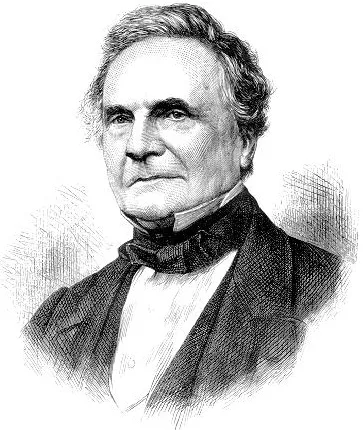

Frequently asked
Who is Ada Lovelace?
Ada Lovelace was an English mathematician who wrote extensive notes on Charles Babbage’s proposed Analytical Engine in 1843, including what is often considered the first computer program. She also foresaw that computers could go beyond calculation to handle music and symbols.
When did Ada Lovelace die?
Ada Lovelace died on 27 November 1852 at the age of 36.
Where is Ada Lovelace from?
Ada Lovelace was born in London, England.
What is Ada Lovelace known for?
Ada Lovelace is best known for Notes on Babbage’s Analytical Engine (1843); the first published algorithm for a computing machine.
References
- Ada Lovelace — Wikipedia. Wikipedia. Retrieved 4 November 2026.
- Ada Lovelace — Britannica. Encyclopaedia Britannica. Retrieved 4 November 2026.
- Ada Lovelace — Goodreads author page. Goodreads. Retrieved 4 November 2026.
- Ada Lovelace — Hindi Wikipedia. Wikipedia (Hindi). Retrieved 4 November 2026.
- Ada Lovelace (Q7259) — structured data. Wikidata. Retrieved 4 November 2026.
Includes material from the Wikipedia article “Ada Lovelace”, licensed under CC BY-SA 4.0. That text is available under the same licence. Learn more
External links
About this profile
- Researched by the TrackFame editorial team; reviewed by Sanjay Sokal under our editorial policy
- First published 4 November 2026
- Last updated
Cite this page
“Ada Lovelace.” TrackFame, last updated 5 November 2026. https://trackfame.com/person/ada-lovelace
Discussion 0
Sign in or create an account to join the discussion.
No comments yet — be the first.
More in Science
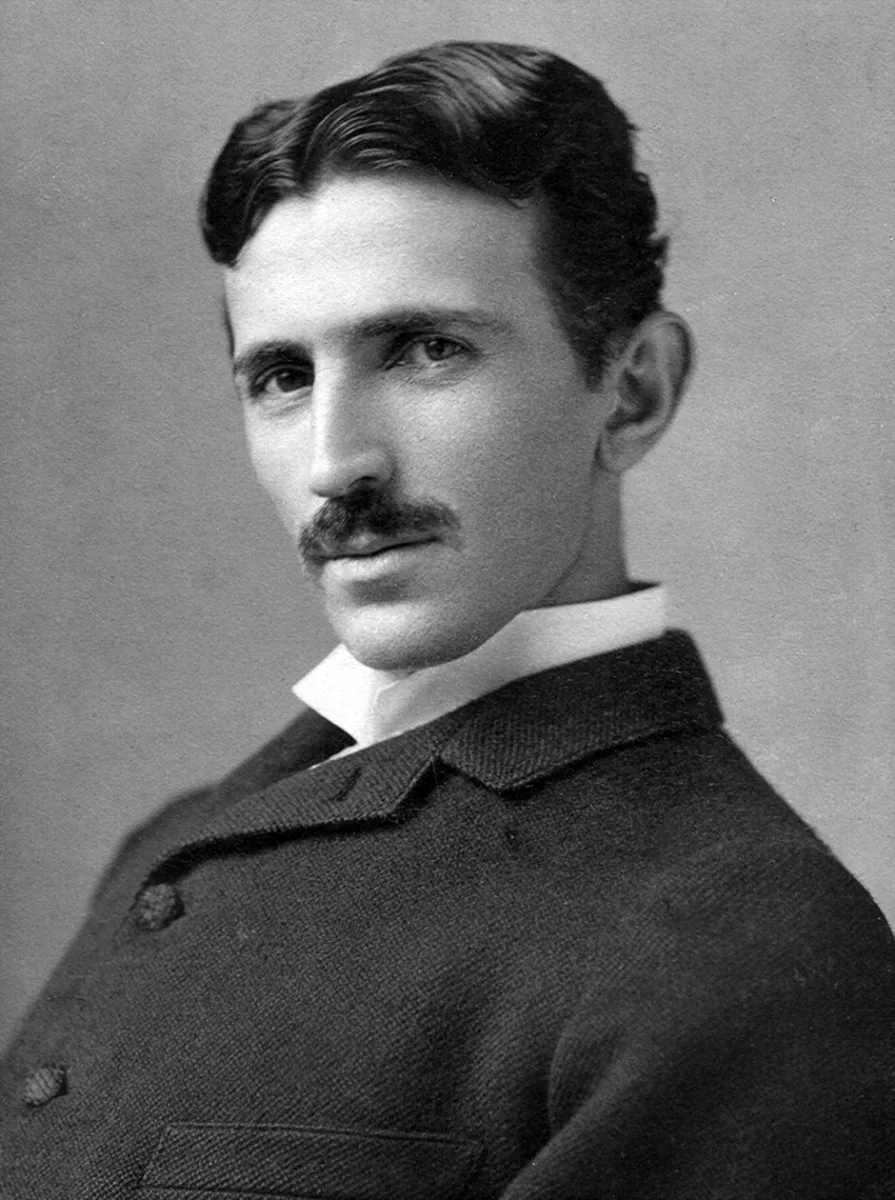 Science
Nikola Tesla
Serbian-American inventor of the alternating-current induction motor
1856 – 1943
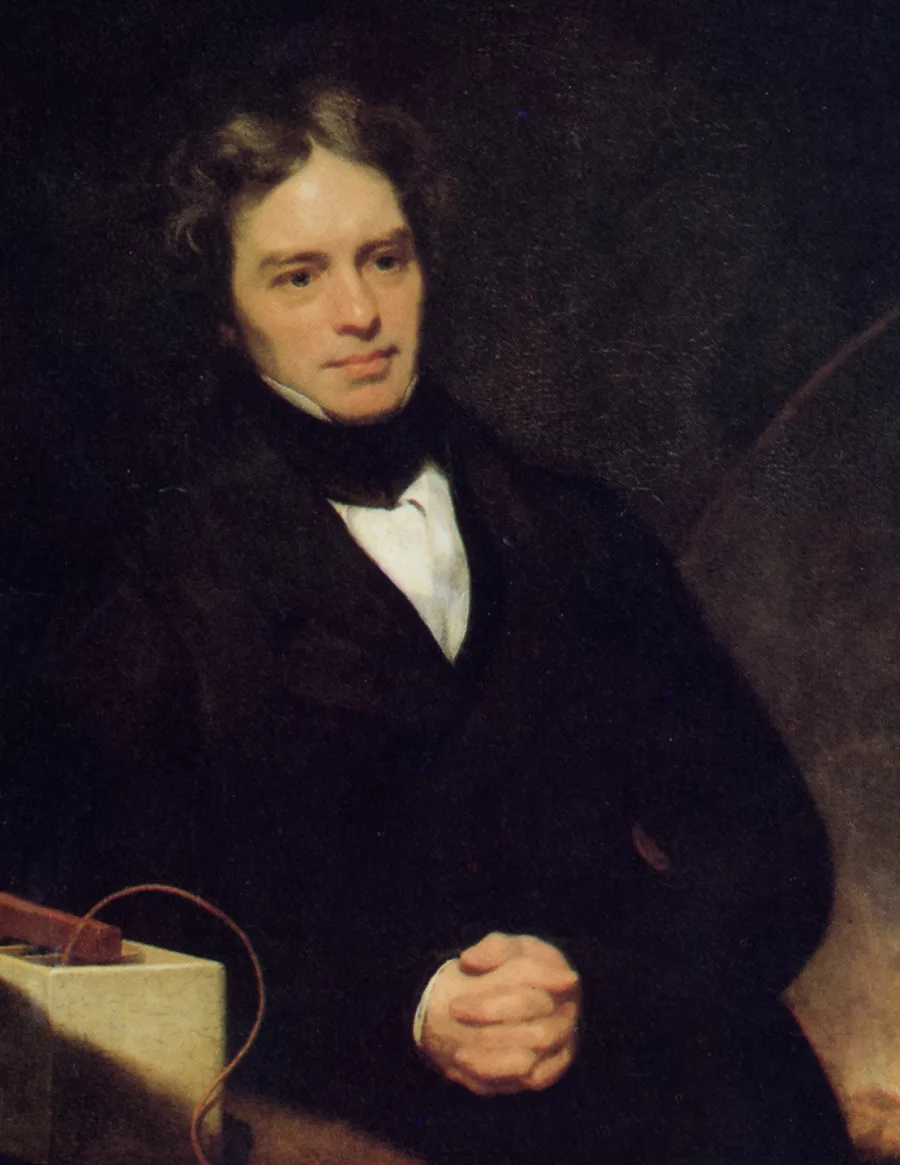 Science
Michael Faraday
Self-taught scientist who discovered electromagnetic induction
1791 – 1867
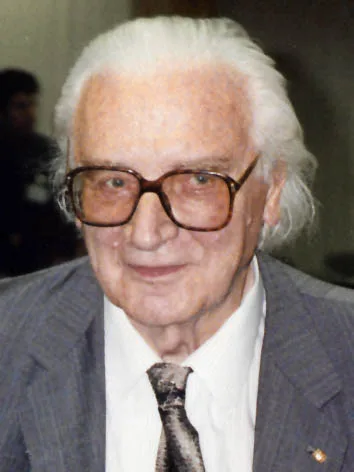 Science
Konrad Zuse
German engineer who built the first working programmable computer
1910 – 1995
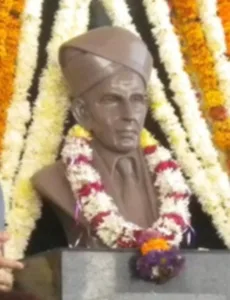 Science
M. Visvesvaraya
Engineer and statesman, whose birthday is India’s Engineers’ Day
1860 – 1962
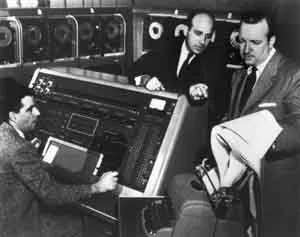 Science
John Mauchly
Physicist who conceived ENIAC and co-founded the first computer company
1907 – 1980
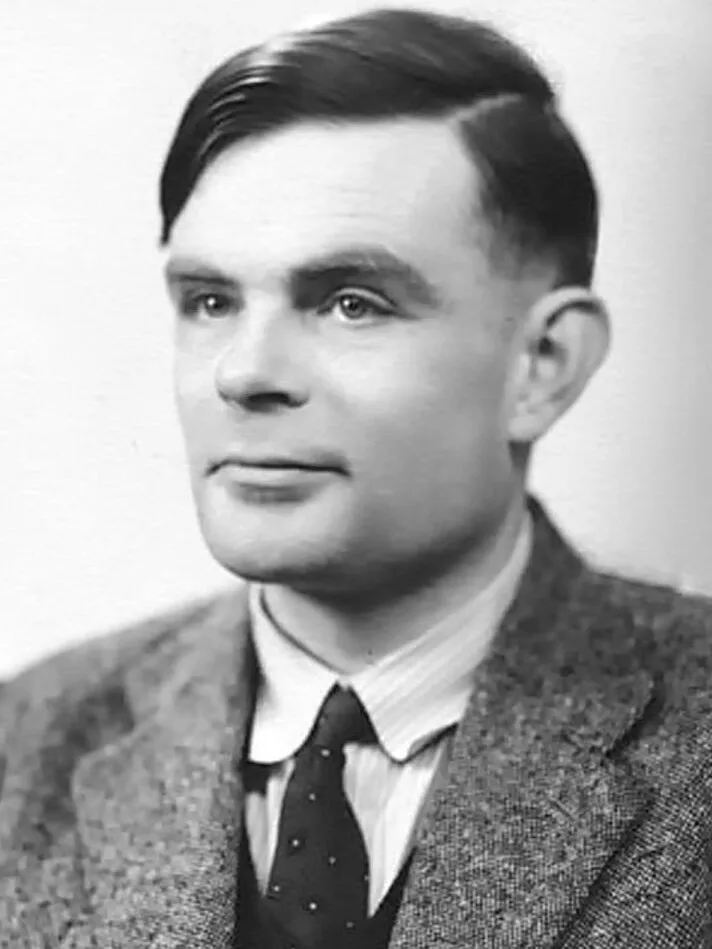 Science
Alan Turing
Mathematician who founded computer science and helped break the Enigma code
1912 – 1954