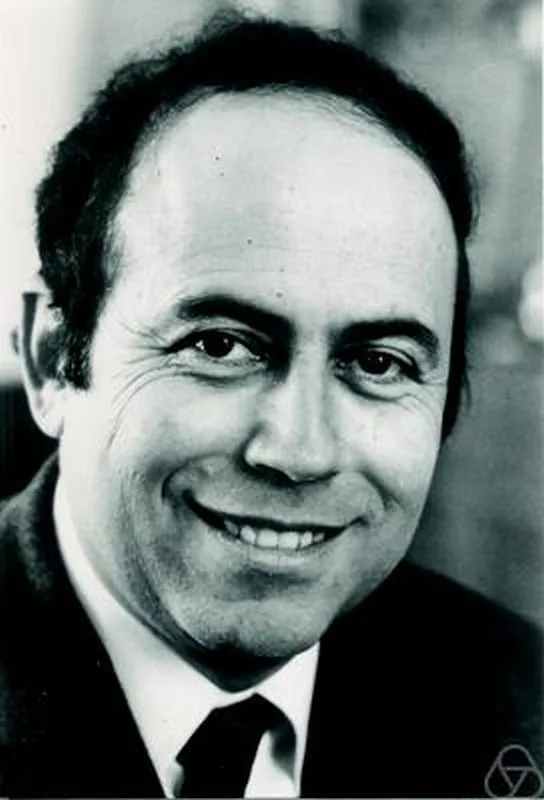
Michael O. Rabin
Israeli computer scientist who brought randomness and nondeterminism into computing
- Lived
- 94 yrs
- 1931 – 2026
- Works listed
- 2
- Paper
- Honours
- 4
- Most recent 2010
- Profile views
- 4
- 0 followers
Michael Rabin was an Israeli computer scientist who, with Dana Scott, introduced nondeterministic finite automata, for which they shared the 1976 Turing Award. He pioneered randomised algorithms, including the Miller–Rabin primality test used in cryptography.
Biography
Early life
Rabin was born in Breslau in 1931, the son of a rabbi, and moved with his family to Palestine in 1935. He studied mathematics at the Hebrew University of Jerusalem and earned his PhD at Princeton in 1956.
Automata theory
In 1959, Rabin and Dana Scott published “Finite Automata and Their Decision Problems”, which introduced nondeterministic machines that can explore many paths at once. The idea became central to the theory of computation and to the P versus NP question.
Randomised algorithms
Rabin showed that allowing an algorithm to flip coins could make hard problems practical. His probabilistic primality test, building on work by Gary Miller, is used to generate keys in modern cryptography. He also created the Rabin cryptosystem, oblivious transfer and, with Richard Karp, the Rabin–Karp string-search algorithm.
Teaching and honours
He taught at the Hebrew University and at Harvard for many decades. His honours include the Israel Prize and the Harvey Prize. He died on 14 April 2026, aged 94.
Timeline
-
1931
Born in Breslau, Germany (now Wrocław, Poland)
-
1935
Family moves to Mandatory Palestine
-
1956
PhD from Princeton
-
1959
Finite automata paper with Dana Scott
-
1976
Turing Award
-
1980
Probabilistic primality test published
-
1987
Rabin–Karp algorithm with Richard Karp
-
1995
Israel Prize
-
2026
Died, aged 94
Notable works
-
1959
Finite Automata and Their Decision Problems Paper
With Dana Scott.
-
1980
Probabilistic Algorithm for Testing Primality Paper
Awards and honours
-
Turing Award
1976
-
Harvey Prize
1980
-
Israel Prize
1995
-
Dan David Prize
2010
Did you know?
-
1
His father was a rabbi and scholar.
-
2
Prime-number tests based on his work run every time a secure website key is created.
-
3
He worked on secure electronic auctions in later life.
Connections
Related people
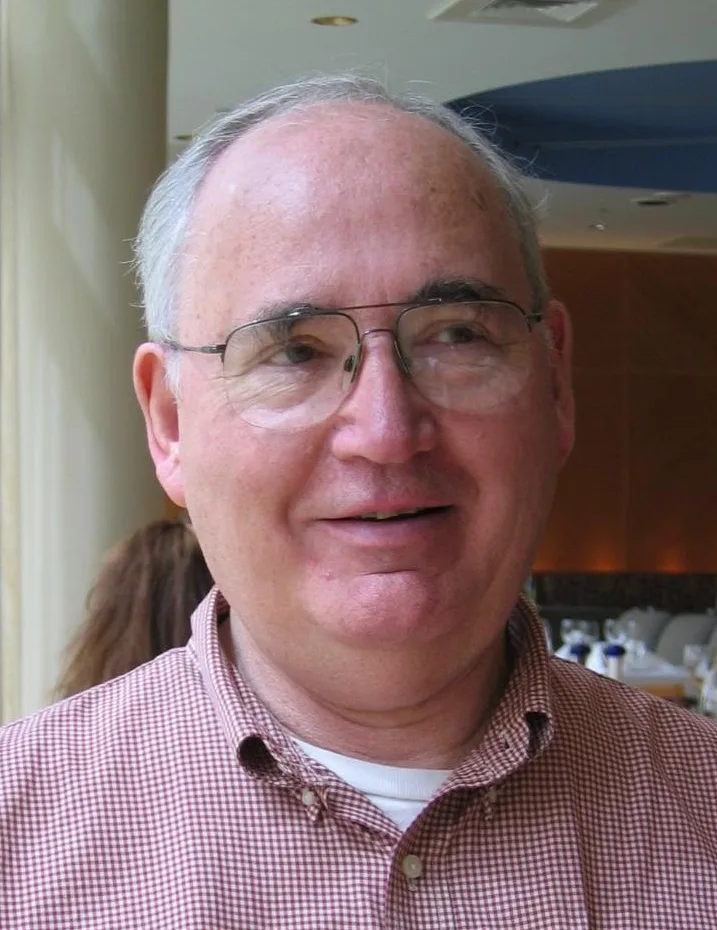
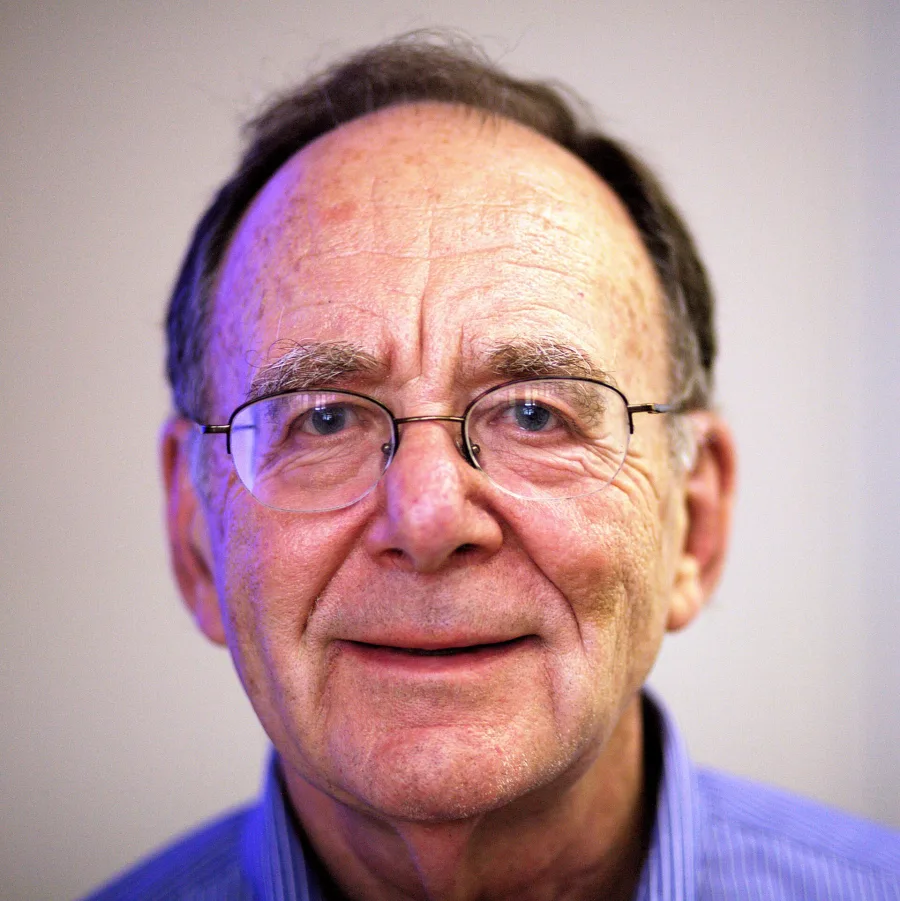
Also born on 1 September
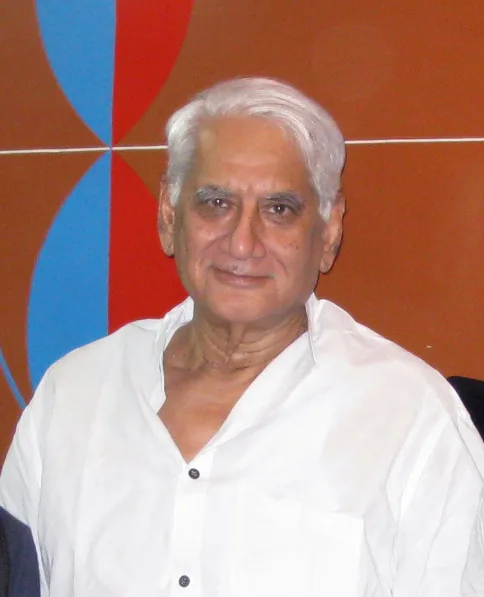
Frequently asked
Who is Michael O. Rabin?
Michael Rabin was an Israeli computer scientist who, with Dana Scott, introduced nondeterministic finite automata, for which they shared the 1976 Turing Award. He pioneered randomised algorithms, including the Miller–Rabin primality test used in cryptography.
When did Michael O. Rabin die?
Michael O. Rabin died on 14 April 2026 at the age of 94.
Where is Michael O. Rabin from?
Michael O. Rabin was born in Breslau, Germany (now Wrocław, Poland).
What is Michael O. Rabin known for?
Michael O. Rabin is best known for Nondeterministic automata; the Miller–Rabin primality test; Rabin cryptosystem; Turing Award 1976.
What awards has Michael O. Rabin received?
Notable honours include Turing Award (1976), Harvey Prize (1980), Israel Prize (1995), Dan David Prize (2010).
References
- Michael O. Rabin — Wikipedia. Wikipedia. Retrieved 4 November 2026.
- Michael O. Rabin — Britannica. Encyclopaedia Britannica. Retrieved 4 November 2026.
- Michael O. Rabin (Q357965) — structured data. Wikidata. Retrieved 4 November 2026.
Includes material from the Wikipedia article “Michael O. Rabin”, licensed under CC BY-SA 4.0. That text is available under the same licence. Learn more
External links
About this profile
- Researched by the TrackFame editorial team; reviewed by Sanjay Sokal under our editorial policy
- First published 4 November 2026
- Last updated
Cite this page
“Michael O. Rabin.” TrackFame, last updated 5 November 2026. https://trackfame.com/person/michael-o-rabin
Discussion 0
Sign in or create an account to join the discussion.
No comments yet — be the first.
More in Science
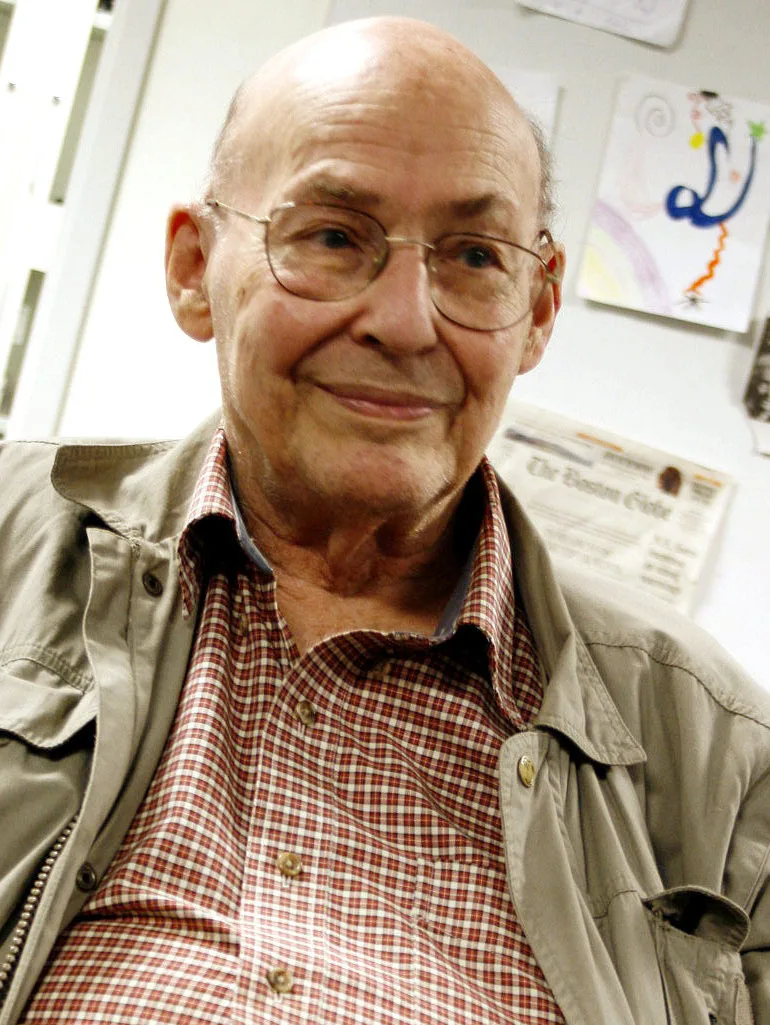 Science
Marvin Minsky
Co-founder of MIT’s artificial intelligence laboratory and a founding father of AI
1927 – 2016
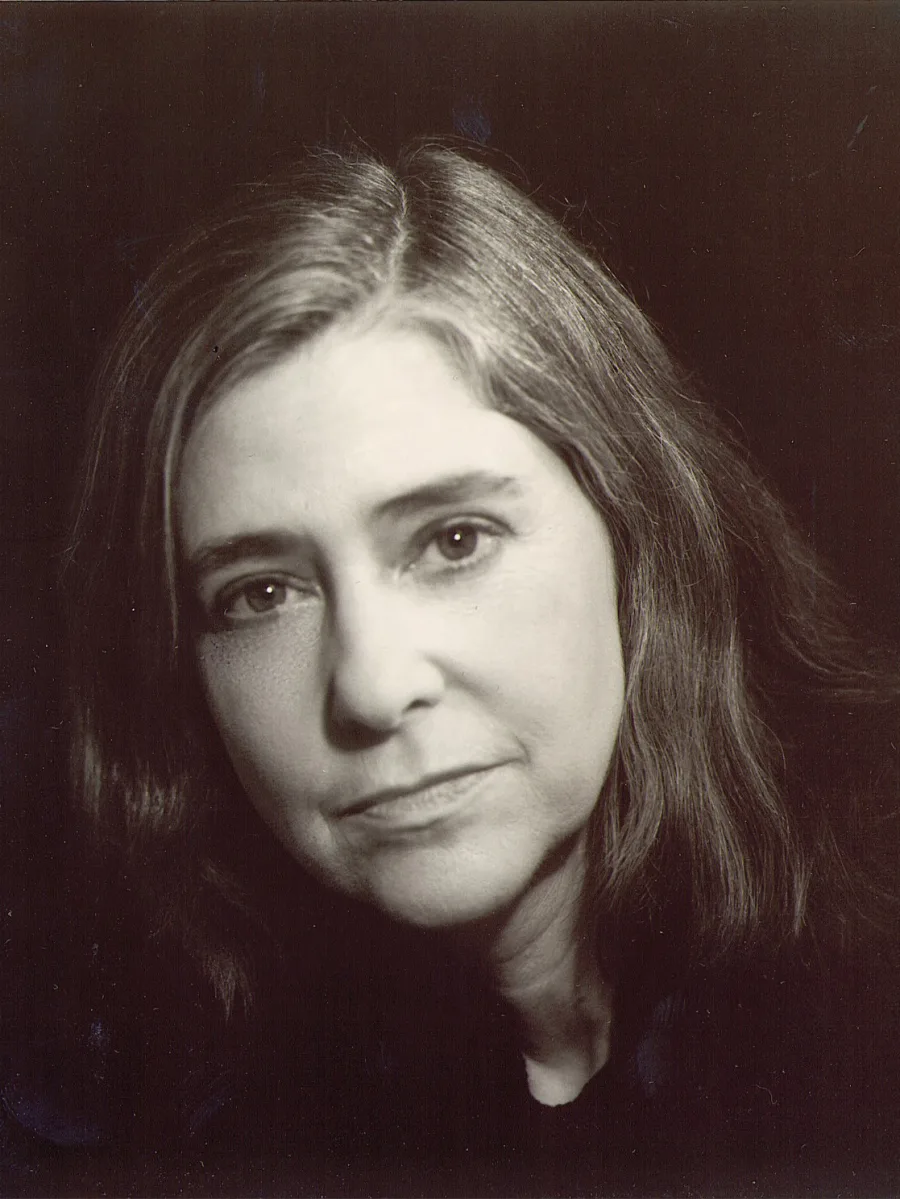 Science
Margaret Hamilton
MIT engineer who led the software for the Apollo Moon landings and coined “software engineering”
1936 – 2026
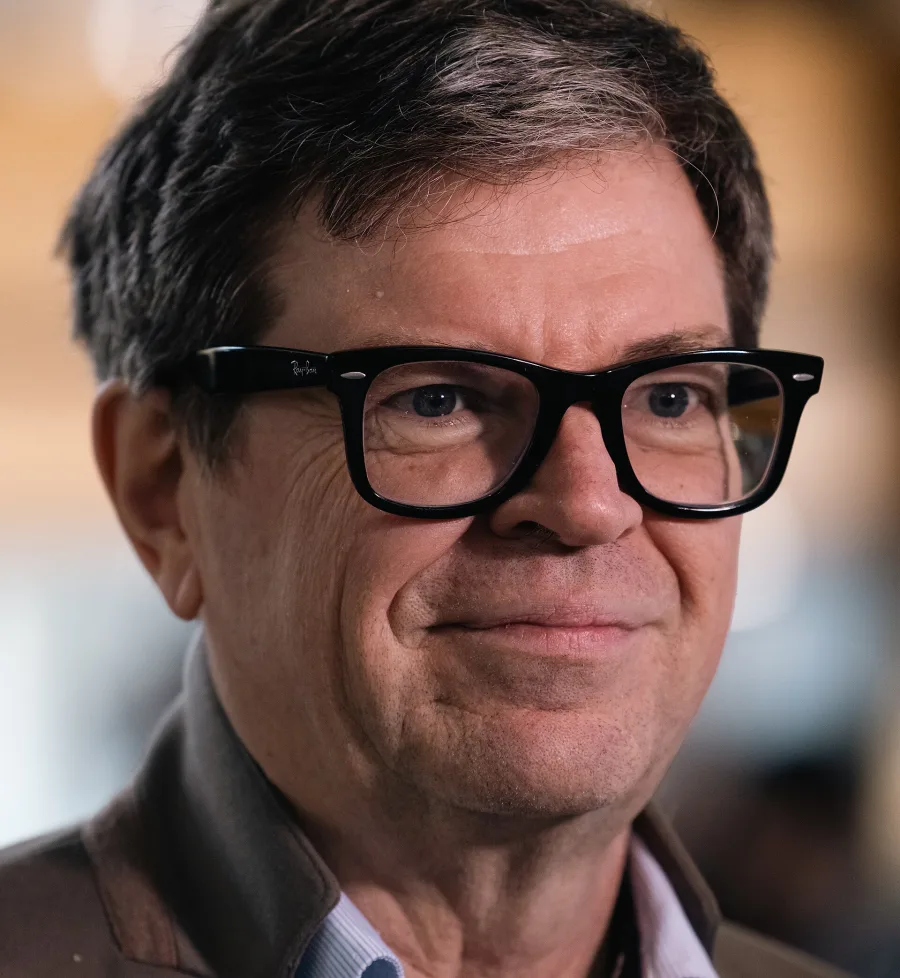 Science
Yann LeCun
French-American AI pioneer who invented convolutional neural networks
Born 1959
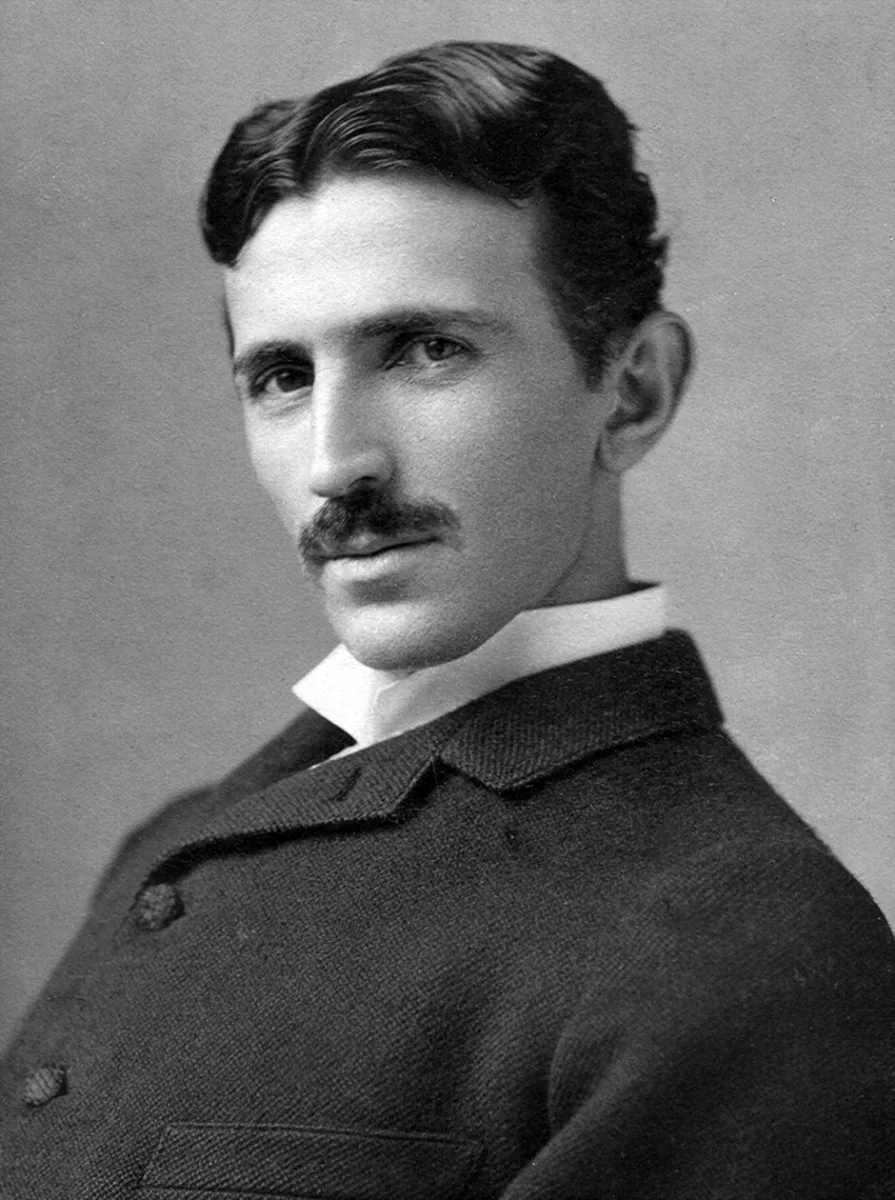 Science
Nikola Tesla
Serbian-American inventor of the alternating-current induction motor
1856 – 1943
 Science
M. Visvesvaraya
Engineer and statesman, whose birthday is India’s Engineers’ Day
1860 – 1962
 Science
Michael Faraday
Self-taught scientist who discovered electromagnetic induction
1791 – 1867