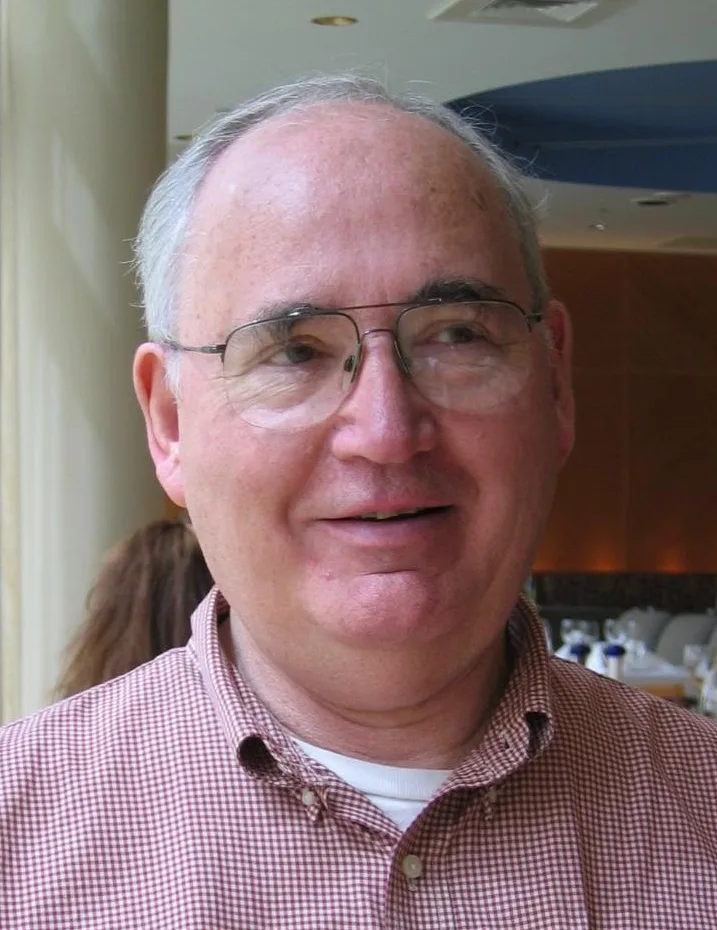
Dana Scott
Logician who gave programming languages a mathematical meaning
- Age
- 94 yrs
- Birthday in 339 days
- Works listed
- 2
- Paper
- Honours
- 3
- Most recent 1997
- Profile views
- 3
- 0 followers
Dana Scott is an American logician and computer scientist. With Michael Rabin he introduced nondeterministic finite automata, and with Christopher Strachey he founded denotational semantics, using domain theory to give programs precise mathematical meanings. He shared the 1976 Turing Award with Rabin.
Biography
Education
Scott studied at the University of California, Berkeley, under the logician Alfred Tarski and earned his PhD at Princeton in 1958 under Alonzo Church, the inventor of the lambda calculus.
Automata
In 1959 he and Michael Rabin published the paper on finite automata that introduced nondeterminism, a basic concept in the theory of computation.
Domain theory
Working with Christopher Strachey at Oxford around 1969–70, Scott found a mathematical model for the untyped lambda calculus. The resulting domain theory provides the basis of denotational semantics, which describes what programs mean in mathematical terms and influenced the design of functional programming languages.
Career
Scott taught at Berkeley, Stanford, Princeton, Oxford and Carnegie Mellon, where he became emeritus professor. He also made major contributions to set theory and modal logic.
Timeline
-
1932
Born in Berkeley, California, United States
-
1958
PhD from Princeton
-
1959
Finite automata paper with Rabin
-
1969
Develops domain theory with Christopher Strachey
-
1972
Leroy P. Steele Prize
-
1976
Turing Award
-
1981
Joins Carnegie Mellon University
-
1997
Rolf Schock Prize in Logic and Philosophy
Notable works
-
1959
Finite Automata and Their Decision Problems Paper
With Michael Rabin.
-
1970
Outline of a Mathematical Theory of Computation Paper
Awards and honours
-
Leroy P. Steele Prize
1972
-
Turing Award
1976
-
Rolf Schock Prize
1997
Did you know?
-
1
He studied under two giants of logic, Tarski and Church.
-
2
Scott–Strachey semantics is named after him and his Oxford collaborator.
-
3
He also contributed to set theory with “Scott’s trick”.
Connections
Also born on 11 October
-
 Amitabh Bachchan
Film & TV · Actor, film producer and host of Kaun Banega Crorepati
1942
-
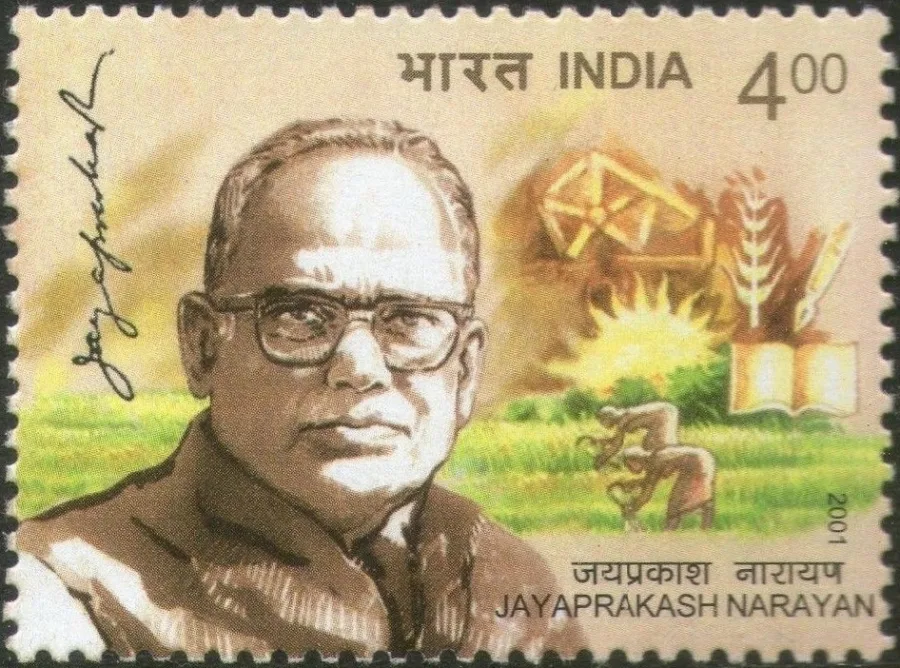 Jayaprakash Narayan
Politics & Leadership · Freedom fighter who led the movement against the Emergency
1902
-
 Michael Stonebraker
Science · Database researcher behind Ingres and Postgres
1943
-
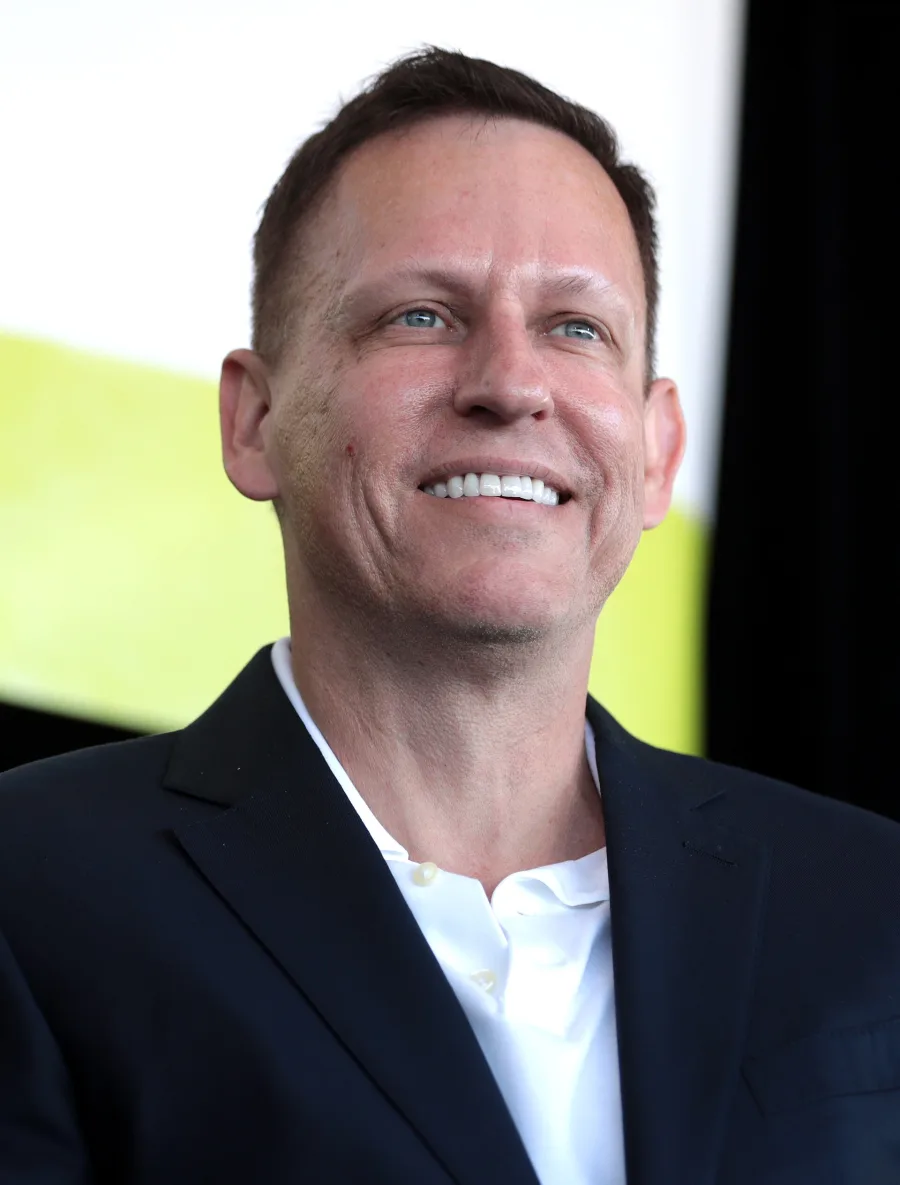 Peter Thiel
Technology · PayPal co-founder, Palantir co-founder and first outside investor in Facebook
1967
Frequently asked
Who is Dana Scott?
Dana Scott is an American logician and computer scientist. With Michael Rabin he introduced nondeterministic finite automata, and with Christopher Strachey he founded denotational semantics, using domain theory to give programs precise mathematical meanings. He shared the 1976 Turing Award with Rabin.
How old is Dana Scott?
Dana Scott is 94 years old, born on 11 October 1932 in Berkeley, California, United States.
Where is Dana Scott from?
Dana Scott was born in Berkeley, California, United States.
What is Dana Scott known for?
Dana Scott is best known for Nondeterministic automata (with Rabin); domain theory; denotational semantics; Turing Award 1976.
What awards has Dana Scott received?
Notable honours include Leroy P. Steele Prize (1972), Turing Award (1976), Rolf Schock Prize (1997).
References
- Dana Scott — Wikipedia. Wikipedia. Retrieved 4 November 2026.
- Dana Scott — Britannica. Encyclopaedia Britannica. Retrieved 4 November 2026.
- Official website. www.cs.cmu.edu. Retrieved 4 November 2026.
- Dana Scott (Q49823) — structured data. Wikidata. Retrieved 4 November 2026.
Includes material from the Wikipedia article “Dana Scott”, licensed under CC BY-SA 4.0. That text is available under the same licence. Learn more
External links
About this profile
- Researched by the TrackFame editorial team; reviewed by Sanjay Sokal under our editorial policy
- First published 4 November 2026
- Last updated
Cite this page
“Dana Scott.” TrackFame, last updated 5 November 2026. https://trackfame.com/person/dana-scott
Discussion 0
Sign in or create an account to join the discussion.
No comments yet — be the first.
More in Science
 Science
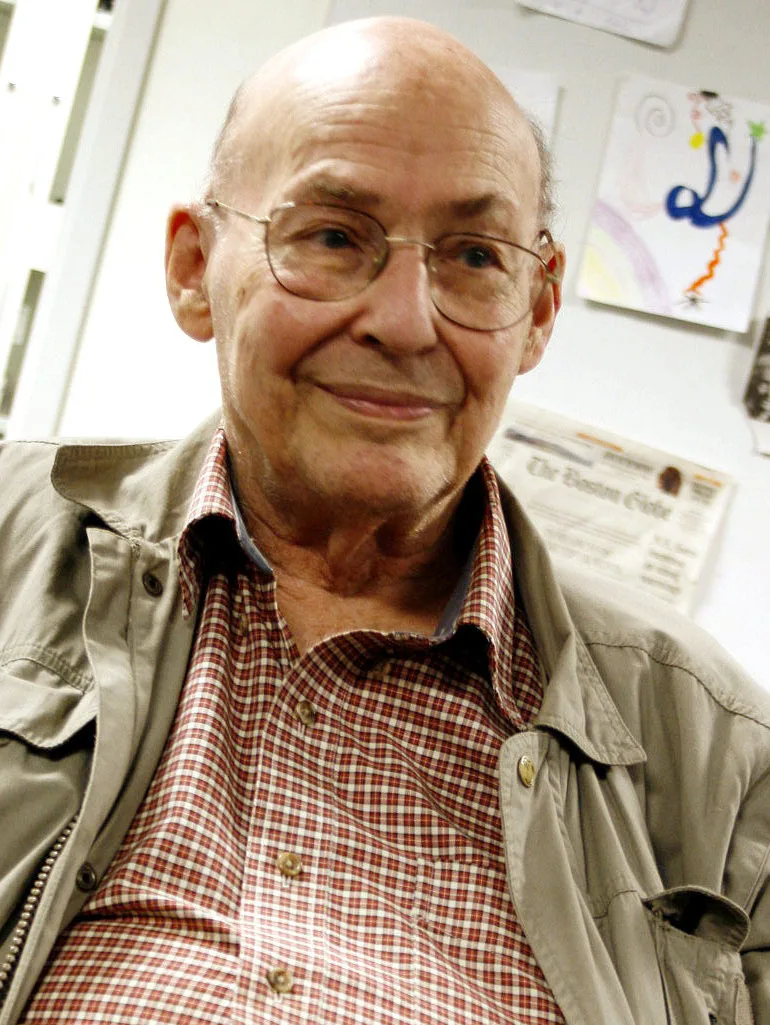
Marvin Minsky
Co-founder of MIT’s artificial intelligence laboratory and a founding father of AI
1927 – 2016
 Science
Margaret Hamilton
MIT engineer who led the software for the Apollo Moon landings and coined “software engineering”
1936 – 2026
 Science
Yann LeCun
French-American AI pioneer who invented convolutional neural networks
Born 1959
 Science
Nikola Tesla
Serbian-American inventor of the alternating-current induction motor
1856 – 1943
 Science
Peter Naur
Danish computer scientist who edited the ALGOL 60 report and refined Backus–Naur form
1928 – 2016
 Science
Michael Faraday
Self-taught scientist who discovered electromagnetic induction
1791 – 1867