
Swami Vivekananda
Hindu monk and philosopher who introduced Vedanta and Yoga to the West
- Lived
- 39 yrs
- 1863 – 1902
- Works listed
- 2
- Book
- Honours
- 0
- Awards & distinctions
- Profile views
- 0
- 0 followers
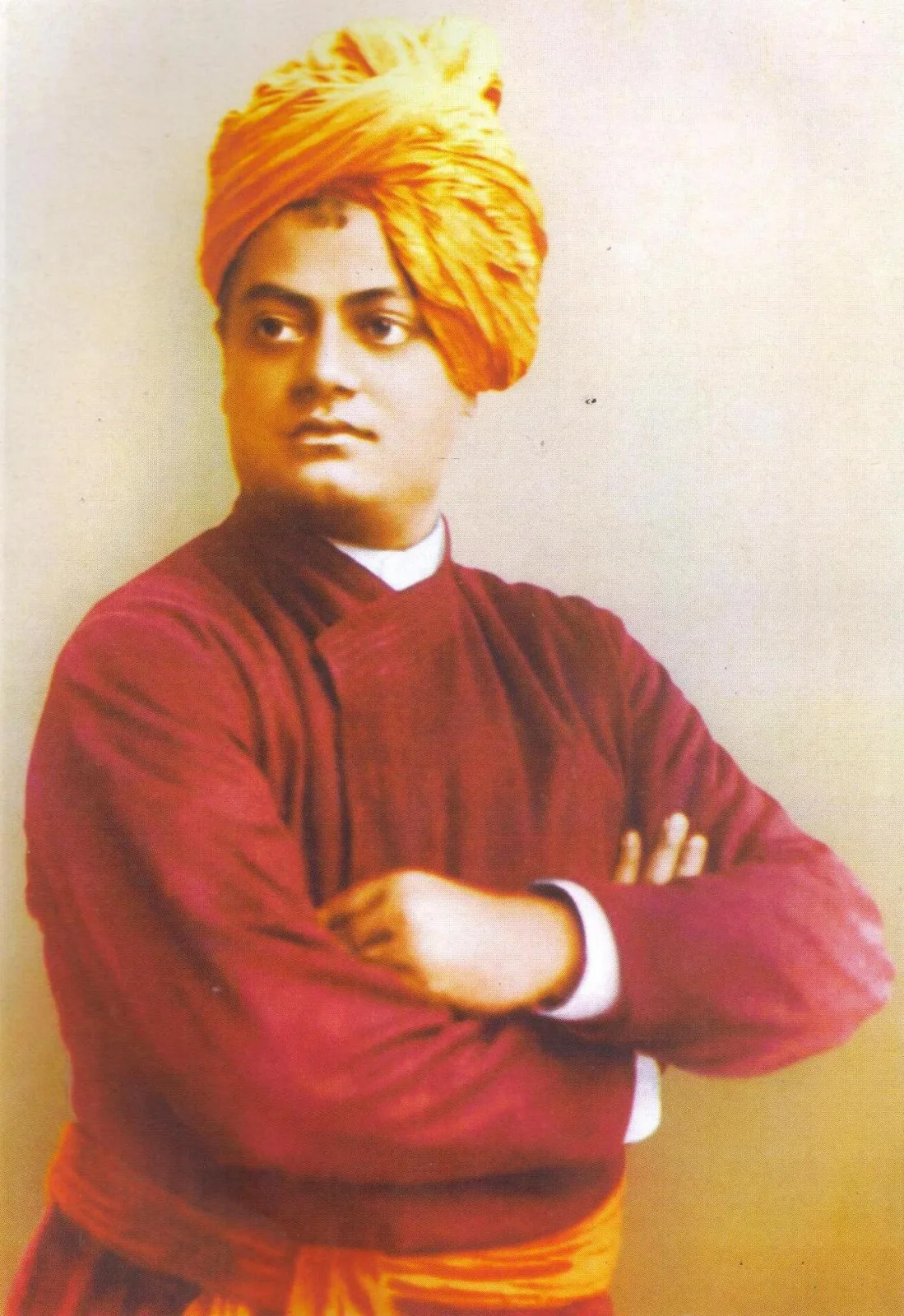
Swami Vivekananda was a Hindu monk and chief disciple of Sri Ramakrishna. His 1893 speech at the Parliament of the World’s Religions in Chicago made him famous, and he founded the Ramakrishna Mission. India celebrates National Youth Day on his birthday.
Biography
Disciple of Ramakrishna
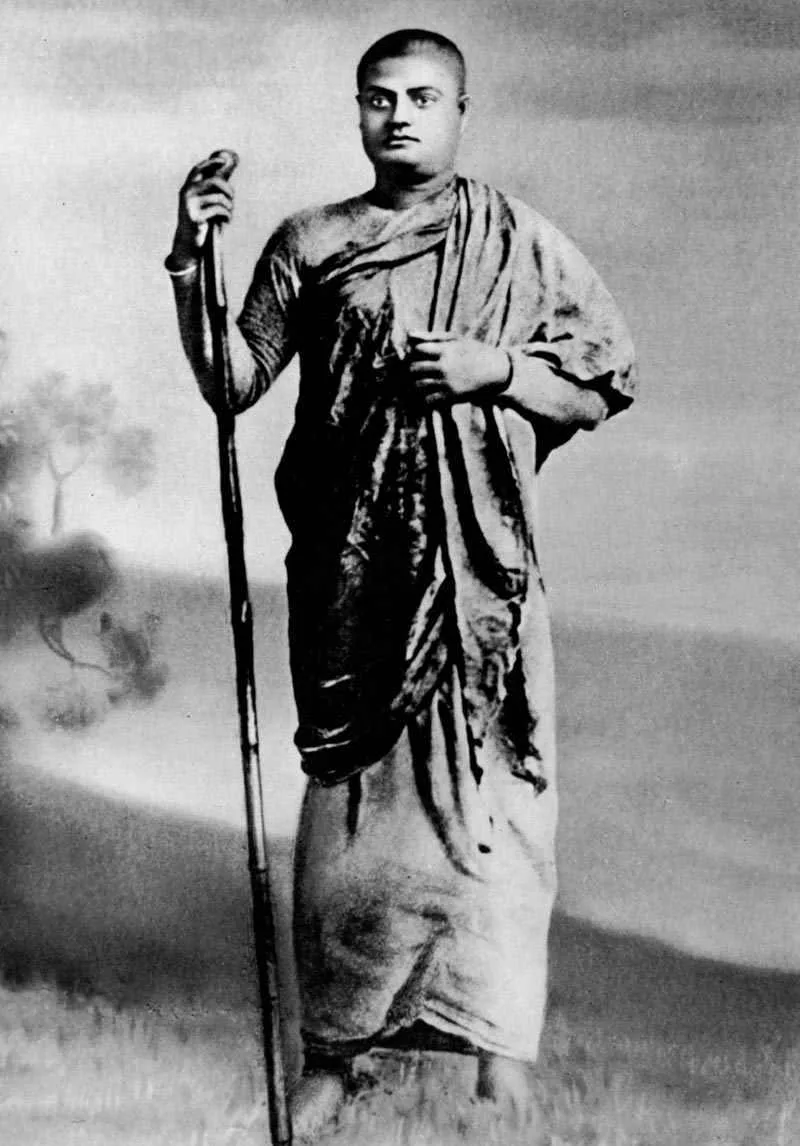
Born Narendranath Datta to a Calcutta lawyer’s family, he studied Western philosophy at the Scottish Church College before becoming a disciple of the mystic Sri Ramakrishna. After his guru’s death in 1886 he took monastic vows and travelled across India as a wandering monk.
Chicago and the West
On 11 September 1893 he opened his address to the Parliament of the World’s Religions in Chicago with the words “Sisters and Brothers of America”, receiving a standing ovation. He lectured across the United States and Britain, founded the Vedanta Society of New York and wrote influential books such as Raja Yoga.
Ramakrishna Mission
Returning to India in 1897, he founded the Ramakrishna Mission, combining spiritual practice with social service, and established Belur Math near Calcutta. He died there on 4 July 1902, aged 39. His birthday, 12 January, is celebrated as National Youth Day in India.
Wandering monk
Between 1888 and 1893 Vivekananda travelled across India on foot, mostly as a penniless monk, from the Himalayas to Kanyakumari. Meditating on a rock off the tip of India — today the site of the Vivekananda Rock Memorial — he resolved to serve the poor and to take India’s spiritual heritage to the world. The Maharaja of Khetri helped fund his journey to America and suggested the name Vivekananda.
Ideas and influence
Vivekananda presented Vedanta as a universal, rational philosophy, taught that service to humanity is worship of God (“jiva is Shiva”), and urged Indians to combine spiritual strength with practical education and social reform. His call to “arise, awake, and stop not till the goal is reached” inspired nationalist leaders including Subhas Chandra Bose and Mahatma Gandhi, and he is widely seen as a key figure in the revival of Hinduism and in Indian nationalism.
Timeline
-
1863
Born in Calcutta (Kolkata), Bengal Presidency
-
1881
Meets Sri Ramakrishna
-
1888
Begins wandering across India as a monk
-
1892
Meditates on the rock at Kanyakumari
December.
-
1893
Speaks at the Parliament of the World’s Religions, Chicago
-
1894
Founds the Vedanta Society of New York
-
1897
Founds the Ramakrishna Mission
-
1898
Belur Math established
-
1902
Dies at Belur Math
Aged 39.
-
1970
Vivekananda Rock Memorial opens
-
1902
Died, aged 39
Notable works
-
1896
Raja Yoga Book
-
1896
Karma Yoga Book
In their own words
“Sisters and Brothers of America…”
“Arise, awake, and stop not till the goal is reached.”
Did you know?
-
1
He walked across much of India as a penniless monk before going to America.
-
2
The Maharaja of Khetri suggested the name Vivekananda.
-
3
He was only 39 when he died.
Gallery
Connections
Related people
-
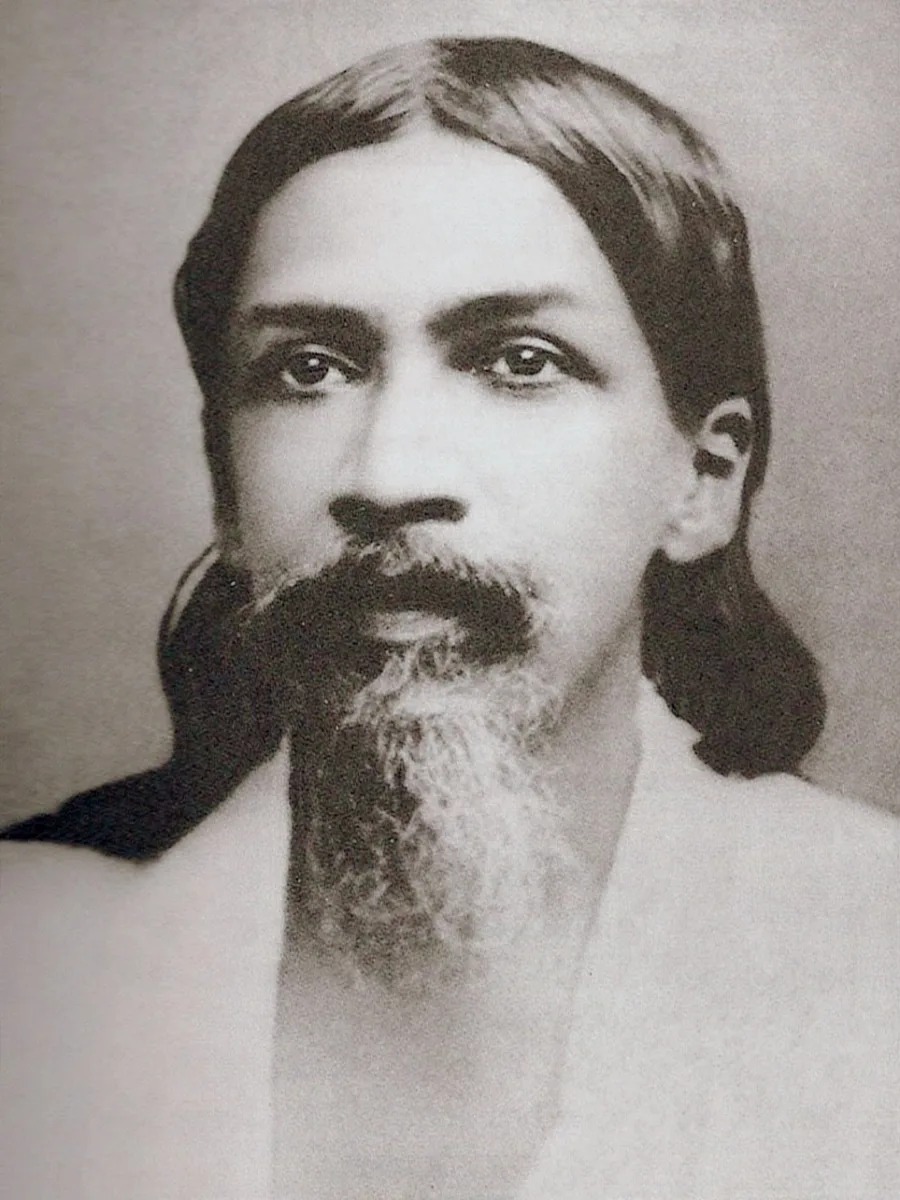 Sri Aurobindo
Literature · Philosopher, yogi, poet and early nationalist leader
Fellow Bengali spiritual leader
-
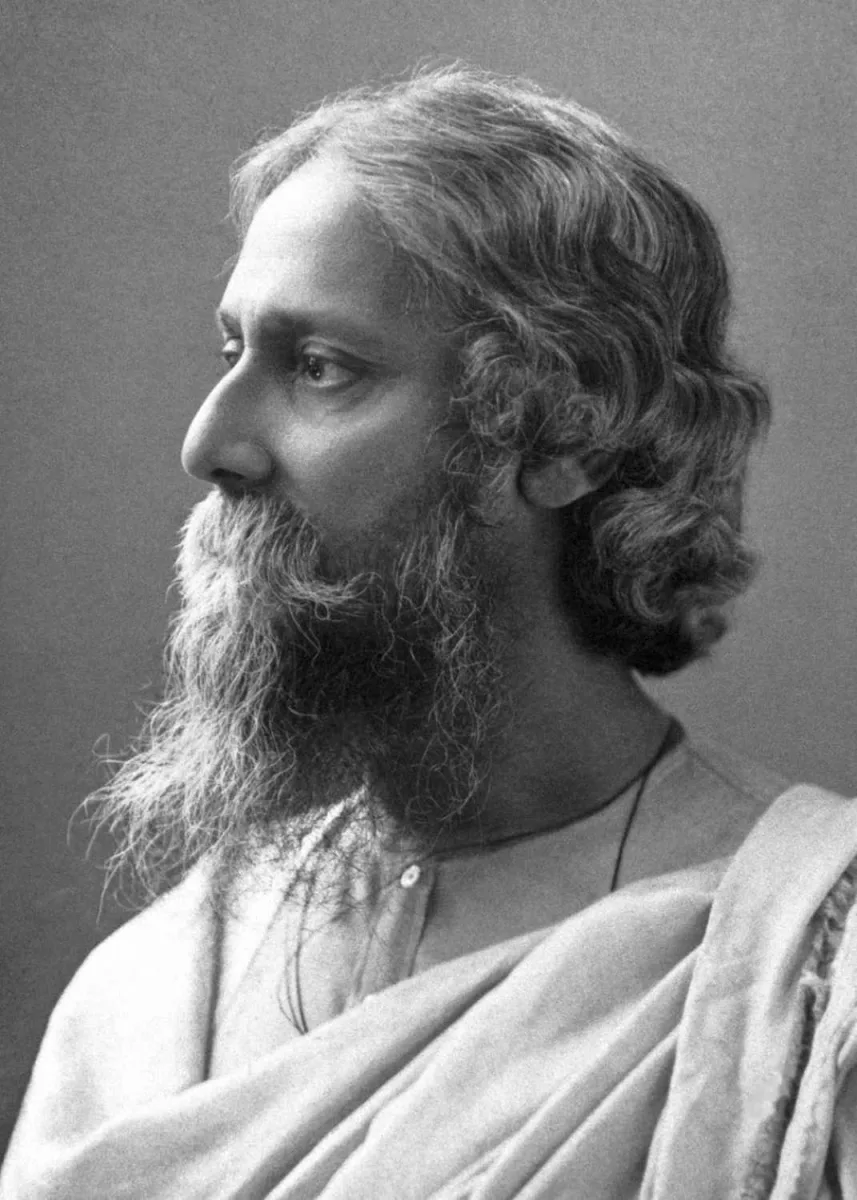 Rabindranath Tagore
Music · Poet, writer and composer; first non-European Nobel laureate in Literature
Contemporary
-
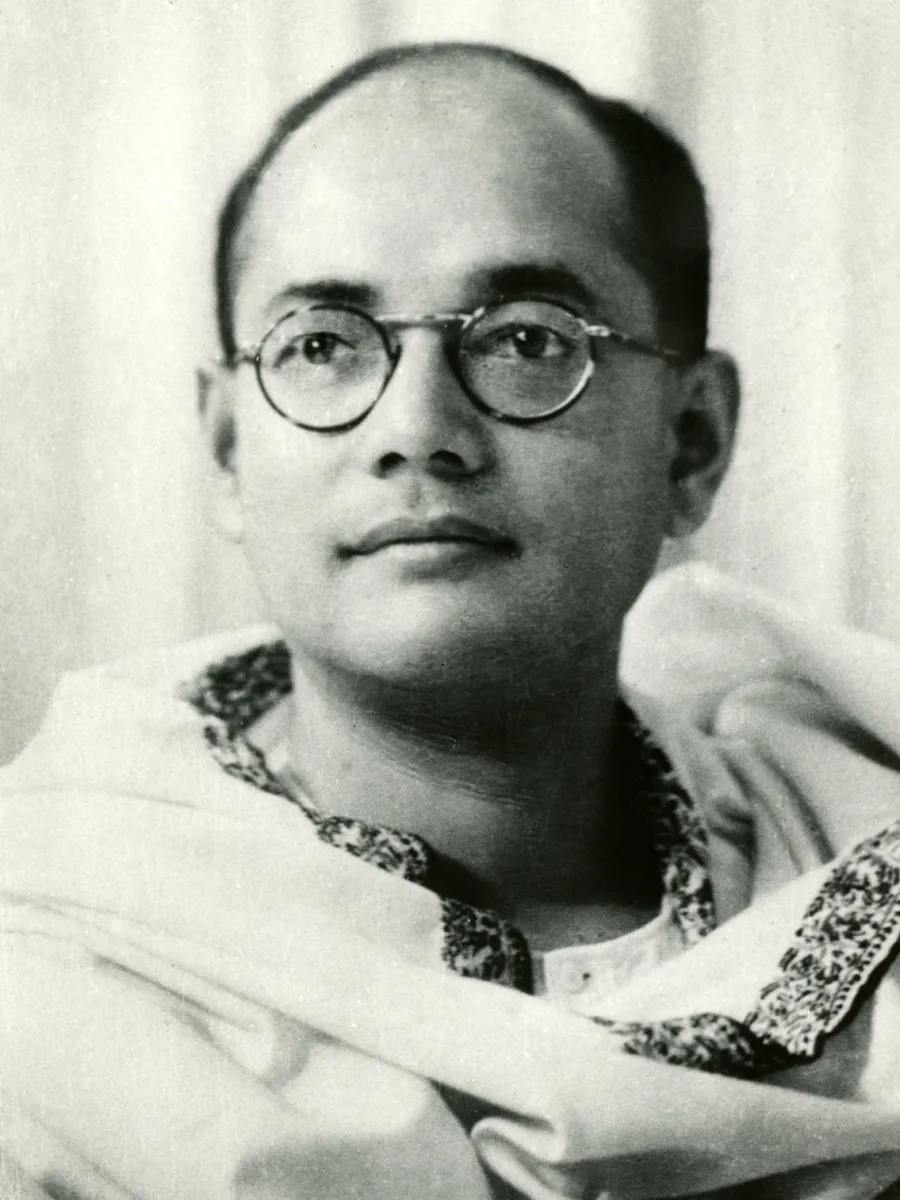 Subhas Chandra Bose
Politics & Leadership · Freedom fighter and leader of the Indian National Army
Inspired him
-
 Mahatma Gandhi
Politics & Leadership · Leader of India’s independence movement and pioneer of non-violent resistance
Inspired him
Frequently asked
Who is Swami Vivekananda?
Swami Vivekananda was a Hindu monk and chief disciple of Sri Ramakrishna. His 1893 speech at the Parliament of the World’s Religions in Chicago made him famous, and he founded the Ramakrishna Mission. India celebrates National Youth Day on his birthday.
When did Swami Vivekananda die?
Swami Vivekananda died on 4 July 1902 at the age of 39.
Where is Swami Vivekananda from?
Swami Vivekananda was born in Calcutta (Kolkata), Bengal Presidency.
What is Swami Vivekananda known for?
Swami Vivekananda is best known for His 1893 address to the Parliament of the World’s Religions in Chicago; founding the Ramakrishna Mission.
References
- Swami Vivekananda — Wikipedia. Wikipedia. Retrieved 26 October 2026.
- Swami Vivekananda — Britannica. Encyclopaedia Britannica. Retrieved 26 October 2026.
- Swami Vivekananda — Goodreads author page. Goodreads. Retrieved 26 October 2026.
- Swami Vivekananda — Hindi Wikipedia. Wikipedia (Hindi). Retrieved 26 October 2026.
- Swami Vivekananda (Q47478) — structured data. Wikidata. Retrieved 26 October 2026.
External links
About this profile
- Researched by the TrackFame editors; reviewed by Sanjay Sokal
- First published 26 October 2026
- Last updated
Cite this page
“Swami Vivekananda.” TrackFame, last updated 26 October 2026. https://trackfame.com/person/swami-vivekananda
Discussion 0
Sign in or create an account to join the discussion.
No comments yet — be the first.
More in Historical Figures
Literature
Sri Aurobindo
Philosopher, yogi, poet and early nationalist leader
1872 – 1950
 Historical Figures
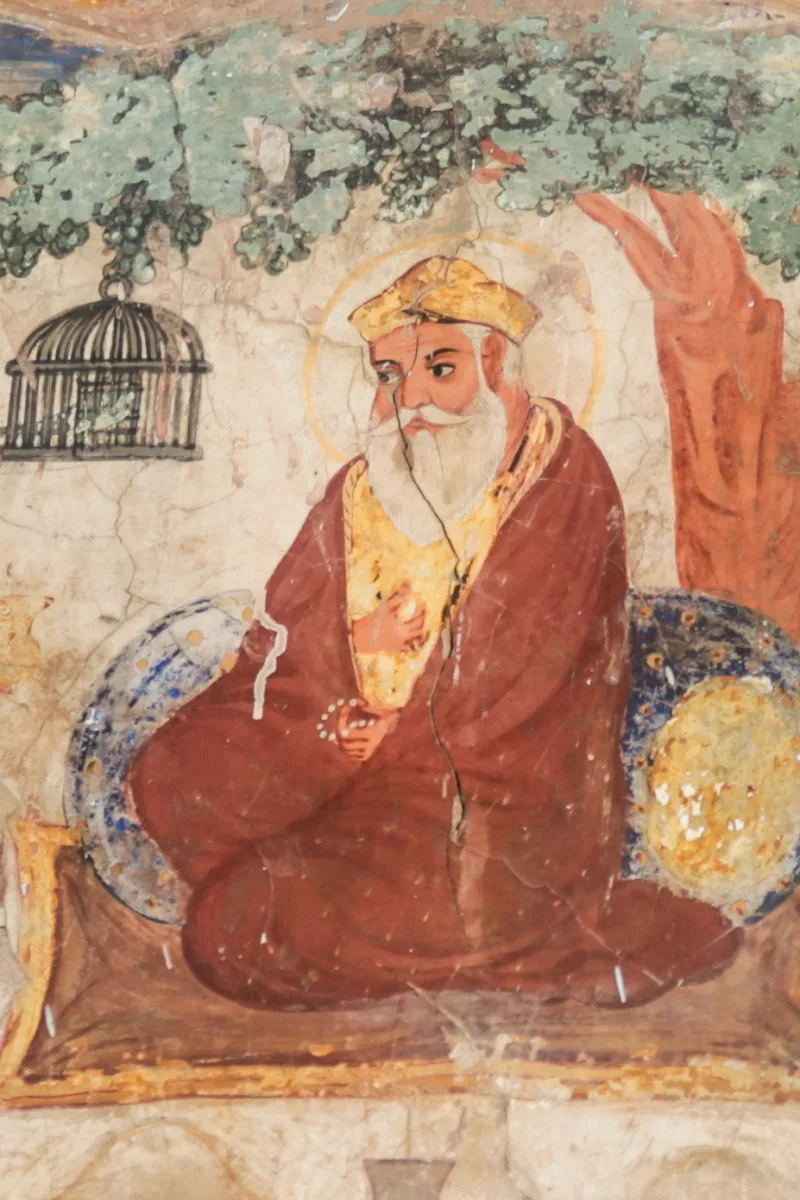
Guru Nanak
Founder of Sikhism and the first of the ten Sikh Gurus
1469 – 1539
 Activism & Humanitarian
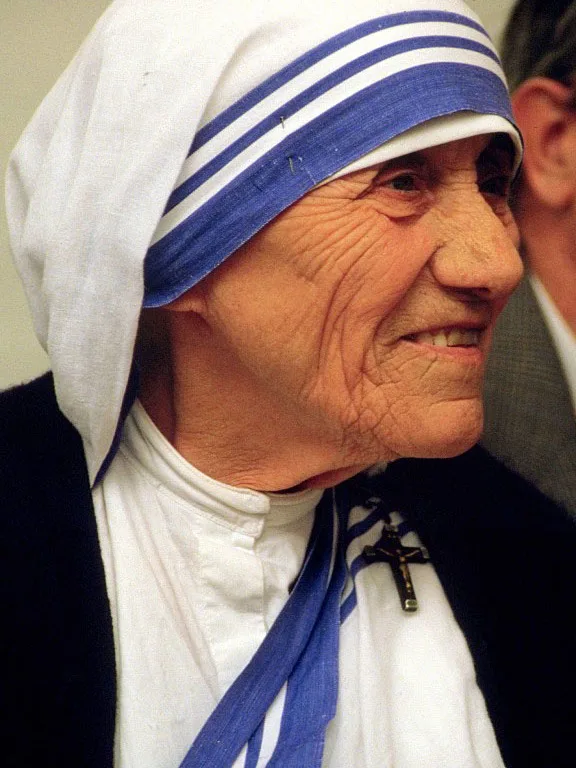
Mother Teresa
Founder of the Missionaries of Charity; Nobel Peace Prize laureate and Catholic saint
1910 – 1997
 Historical Figures
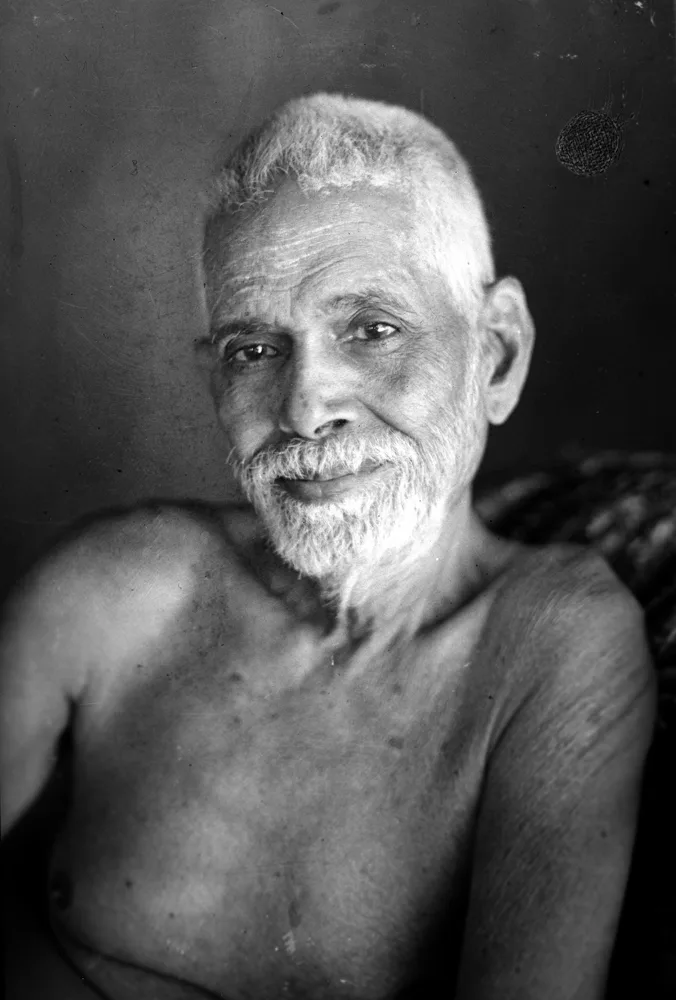
Ramana Maharshi
Sage of Arunachala and teacher of self-enquiry
1879 – 1950
 Politics & Leadership
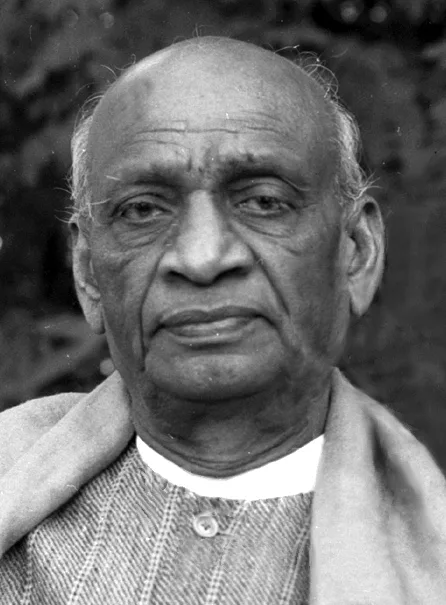
Vallabhbhai Patel
First Deputy Prime Minister and Home Minister of India
1875 – 1950
 Politics & Leadership
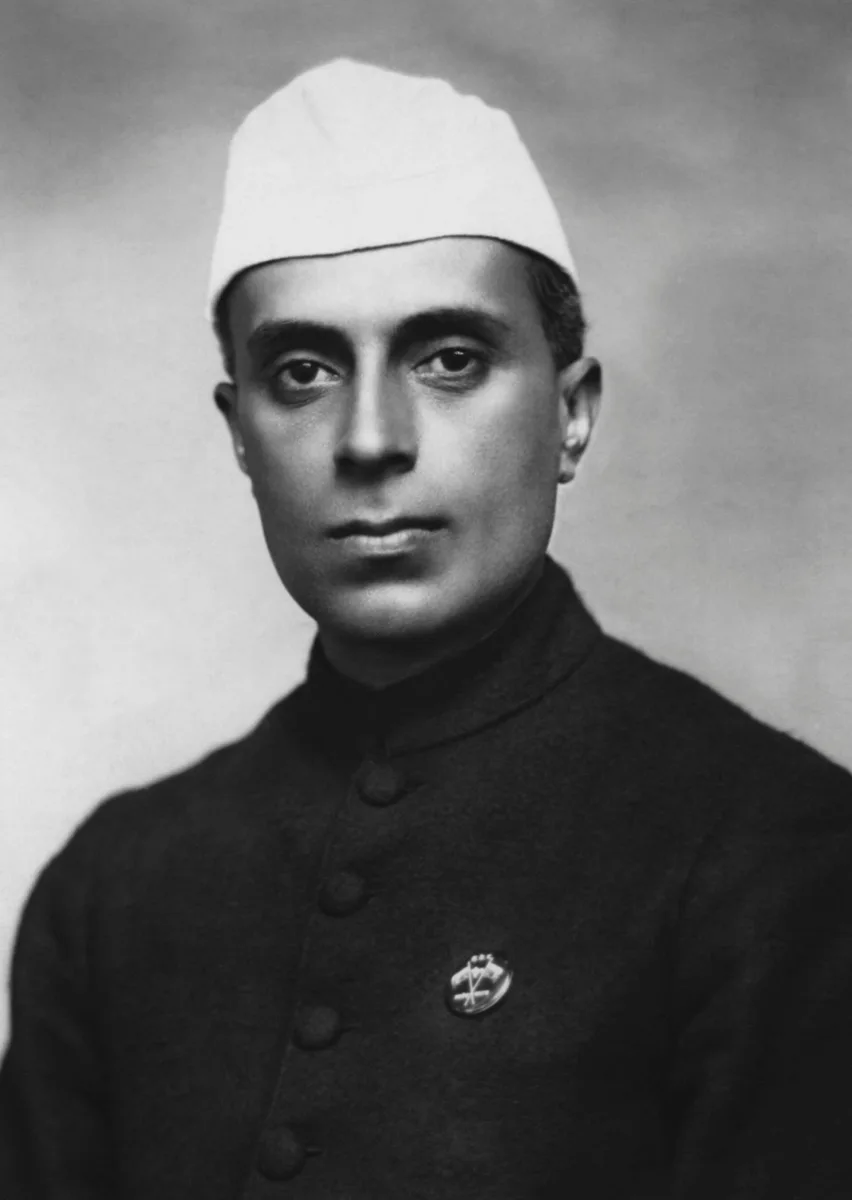
Jawaharlal Nehru
First Prime Minister of India (1947–1964)
1889 – 1964