
Mahatma Gandhi
Leader of India’s independence movement and pioneer of non-violent resistance
- Lived
- 78 yrs
- 1869 – 1948
- Works listed
- 5
- Book, Autobiography
- Honours
- 1
- Most recent 1930
- Profile views
- 0
- 0 followers
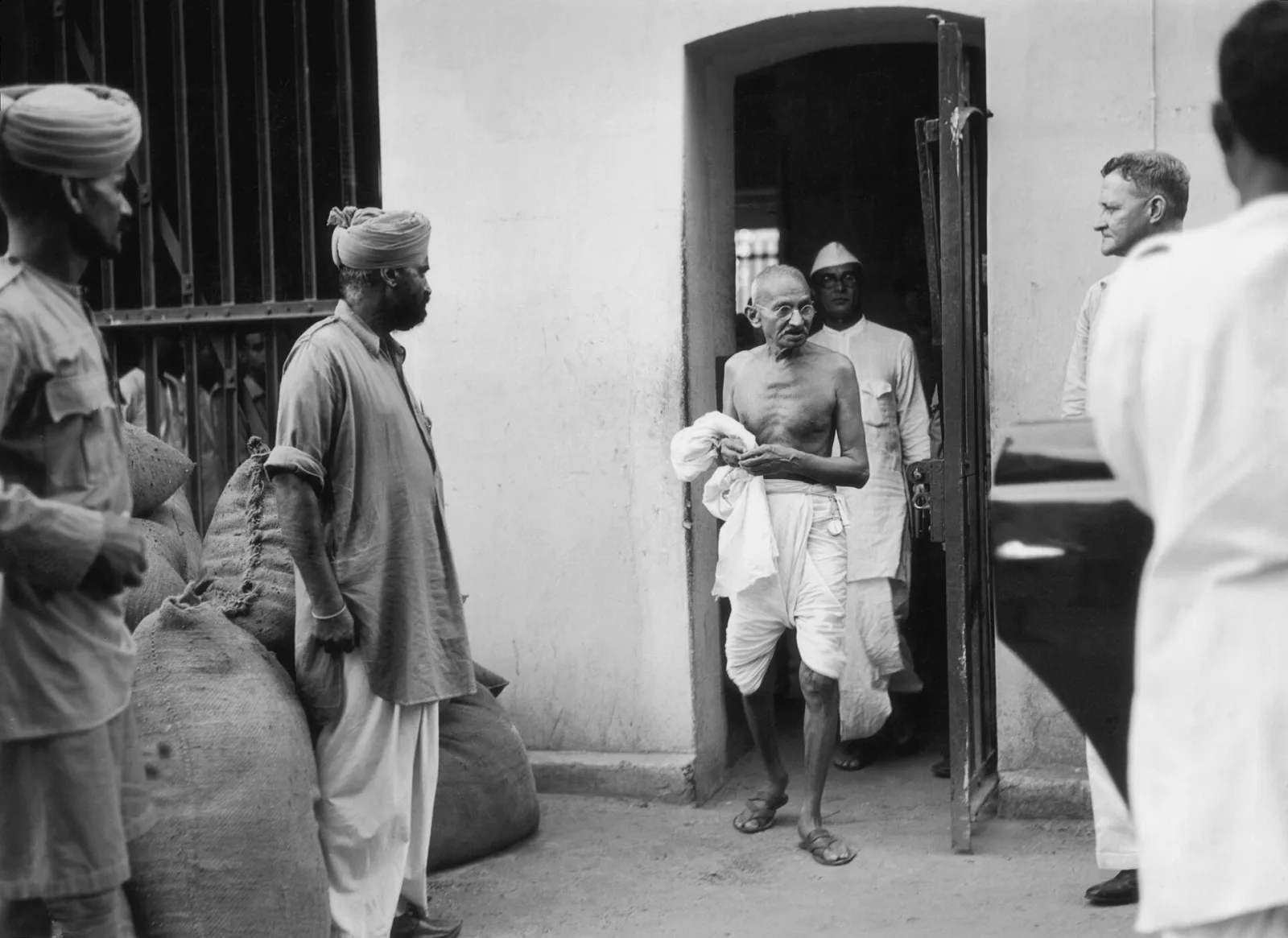
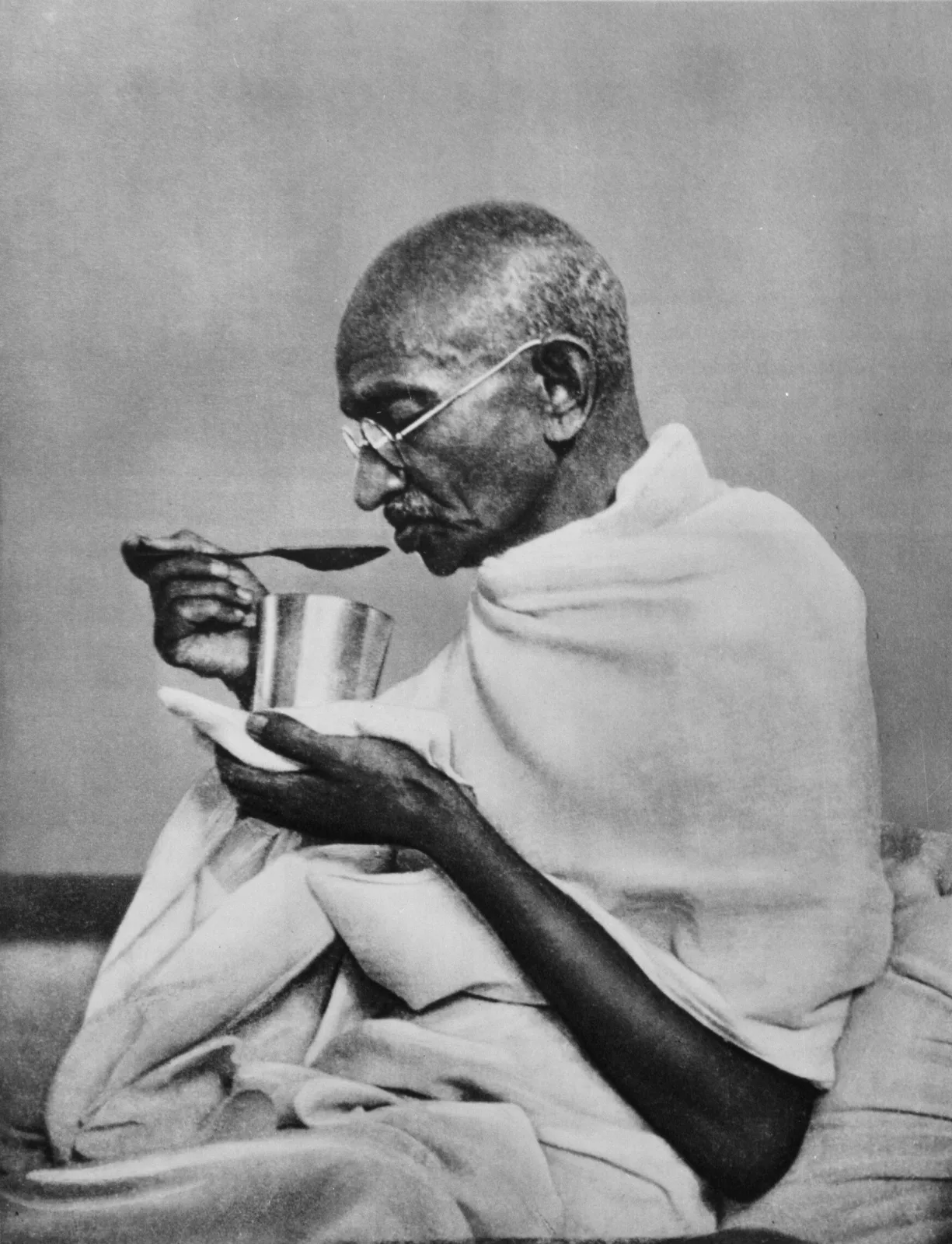
Mohandas Karamchand Gandhi led India’s struggle for independence from British rule through mass non-violent civil disobedience. Revered in India as the Father of the Nation, his methods inspired civil-rights movements around the world.
Biography
Early life and South Africa
Gandhi was born into a Gujarati family in the coastal princely state of Porbandar, where his father served as chief minister (dewan). Married at 13 to Kasturba, he sailed to London in 1888 to study law and was called to the bar at the Inner Temple in 1891.
In 1893 he took a legal job in South Africa. Experiences of racial discrimination there — most famously being removed from a first-class train compartment at Pietermaritzburg — turned him into an organiser. Over two decades he founded the Natal Indian Congress, ran the newspaper Indian Opinion and developed satyagraha, a method of disciplined, non-violent mass resistance.
Leading the national movement
Gandhi returned to India in 1915 and first applied satyagraha to local grievances, among indigo farmers in Champaran (1917) and peasants in Kheda (1918). By 1920 he had become the dominant figure in the Indian National Congress, launching the Non-Cooperation Movement, which called on Indians to boycott British institutions and goods.
His 1930 Salt March from Sabarmati Ashram to the sea at Dandi defied the British tax on salt and drew worldwide attention. In August 1942 he launched the Quit India movement with the call “Do or Die”, after which he and the Congress leadership were imprisoned. He spent more than six years of his life in British jails.
Ideas and way of life
Gandhi linked politics to personal discipline: truth (satya), non-violence (ahimsa), simple living and self-reliance. He promoted khadi — hand-spun, hand-woven cloth — as both an economic programme and a symbol of independence, and campaigned against untouchability, calling the communities affected Harijans.
He wrote prolifically in Gujarati, Hindi and English. His Hind Swaraj (1909) set out his critique of modern industrial civilisation, and his autobiography, The Story of My Experiments with Truth, remains one of the most widely read books by an Indian author.
Ashrams and constructive work
Gandhi built communities where he and his followers lived by his principles: Phoenix Settlement and Tolstoy Farm in South Africa, and Sabarmati Ashram in Ahmedabad (1917) and Sevagram near Wardha (1936) in India. His “constructive programme” promoted khadi spinning, village industries, basic education in mother tongues, Hindu–Muslim unity and the uplift of women and the so-called untouchables.
Partition, death and legacy
Gandhi opposed the partition of India and spent the months around independence in 1947 trying to stop communal violence in Bengal, Bihar and Delhi, including through fasts. On 30 January 1948 he was shot dead in New Delhi by Nathuram Godse, a Hindu nationalist.
His birthday, 2 October, is a national holiday in India and has been observed by the United Nations as the International Day of Non-Violence since 2007. Leaders including Martin Luther King Jr. and Nelson Mandela cited him as an influence.
Family
Gandhi and Kasturba had four sons: Harilal, Manilal, Ramdas and Devdas. Kasturba took part in many of his campaigns and died in detention at the Aga Khan Palace in Pune in 1944. His relationship with his eldest son, Harilal, was troubled, a subject of later books and the film Gandhi, My Father (2007).
Global influence
Gandhi’s methods influenced Martin Luther King Jr., Nelson Mandela, the Dalai Lama, Aung San Suu Kyi and many movements for civil rights and independence. Richard Attenborough’s film Gandhi (1982) won eight Academy Awards. Statues of Gandhi stand in cities across the world, from London’s Parliament Square to Pietermaritzburg station.
Timeline
-
1869
Born in Porbandar, Kathiawar Agency (now Gujarat)
-
1883
Marries Kasturba
Aged 13.
-
1891
Called to the bar in London
Qualifies as a barrister at the Inner Temple and returns to India.
-
1893
Moves to South Africa
Begins two decades of legal and political work for the Indian community.
-
1894
Founds the Natal Indian Congress
-
1906
Launches satyagraha in Transvaal
First mass non-violent campaign against discriminatory registration laws.
-
1915
Returns to India
Founds an ashram and travels the country.
-
1917
Champaran satyagraha
First major campaign in India, on behalf of indigo farmers in Bihar.
-
1917
Founds Sabarmati Ashram
Ahmedabad.
-
1920
Non-Cooperation Movement
Leads a nationwide boycott of British institutions.
-
1924
President of the Indian National Congress
Belgaum session.
-
1930
Salt March to Dandi
Walks about 385 km to break the salt law, starting civil disobedience.
-
1931
Attends the Second Round Table Conference in London
-
1936
Moves to Sevagram near Wardha
-
1942
Quit India movement
Demands an immediate end to British rule; imprisoned until 1944.
-
1944
Kasturba dies in detention
Aga Khan Palace, Pune.
-
1948
Assassinated in New Delhi
Killed on 30 January while walking to a prayer meeting.
-
1948
Died, aged 78
Notable works
-
1909
Hind Swaraj Book
Dialogue on home rule and a critique of modern civilisation.
-
1927
The Story of My Experiments with Truth Autobiography
Serialised in Gujarati from 1925 and translated into English.
-
1919
Young India and Harijan Newspapers
Weekly journals he edited to spread his ideas.
-
1903
Indian Opinion Newspaper
Founded in South Africa.
-
1928
Satyagraha in South Africa Book
Awards and honours
-
Time Person of the Year
1930 · Named “Man of the Year” by Time magazine.
In their own words
“Here is a mantra, a short one, that I give you. You may imprint it on your hearts and let every breath of yours give expression to it. The mantra is: “Do or Die”.”
Did you know?
-
1
He was nominated for the Nobel Peace Prize five times but never received it.
-
2
His birthday, Gandhi Jayanti, is one of India’s three national holidays.
-
3
The title “Mahatma” (great soul) was popularised in his lifetime; he himself disliked it.
-
4
His face appears on all Indian rupee banknotes of the Mahatma Gandhi series.
-
5
Time magazine named him runner-up to Albert Einstein as Person of the Century in 1999.
-
6
Attenborough’s Gandhi (1982) won eight Oscars.
Gallery

Connections
Related people
-
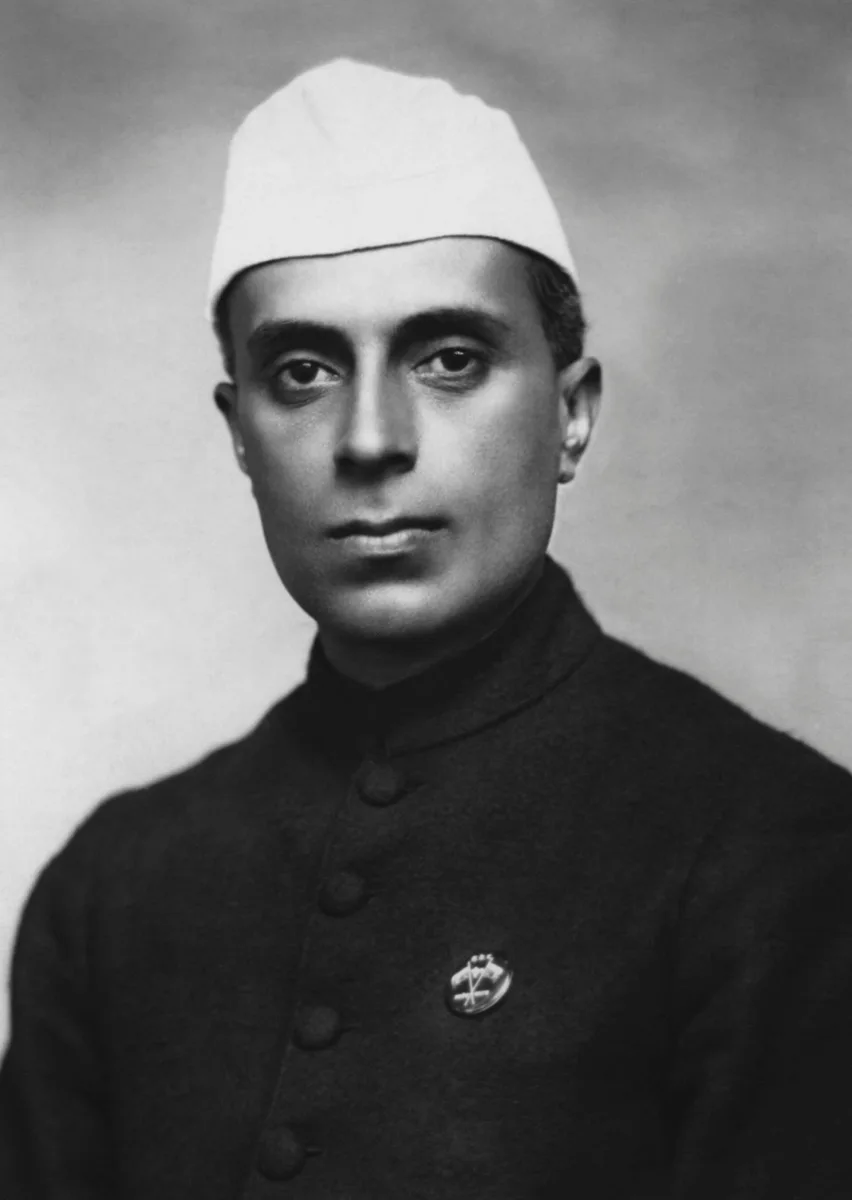 Jawaharlal Nehru
Politics & Leadership · First Prime Minister of India (1947–1964)
Political protégé
-
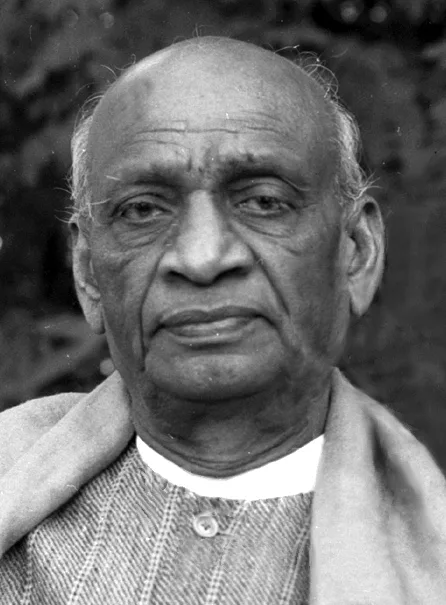 Vallabhbhai Patel
Politics & Leadership · First Deputy Prime Minister and Home Minister of India
Close associate
-
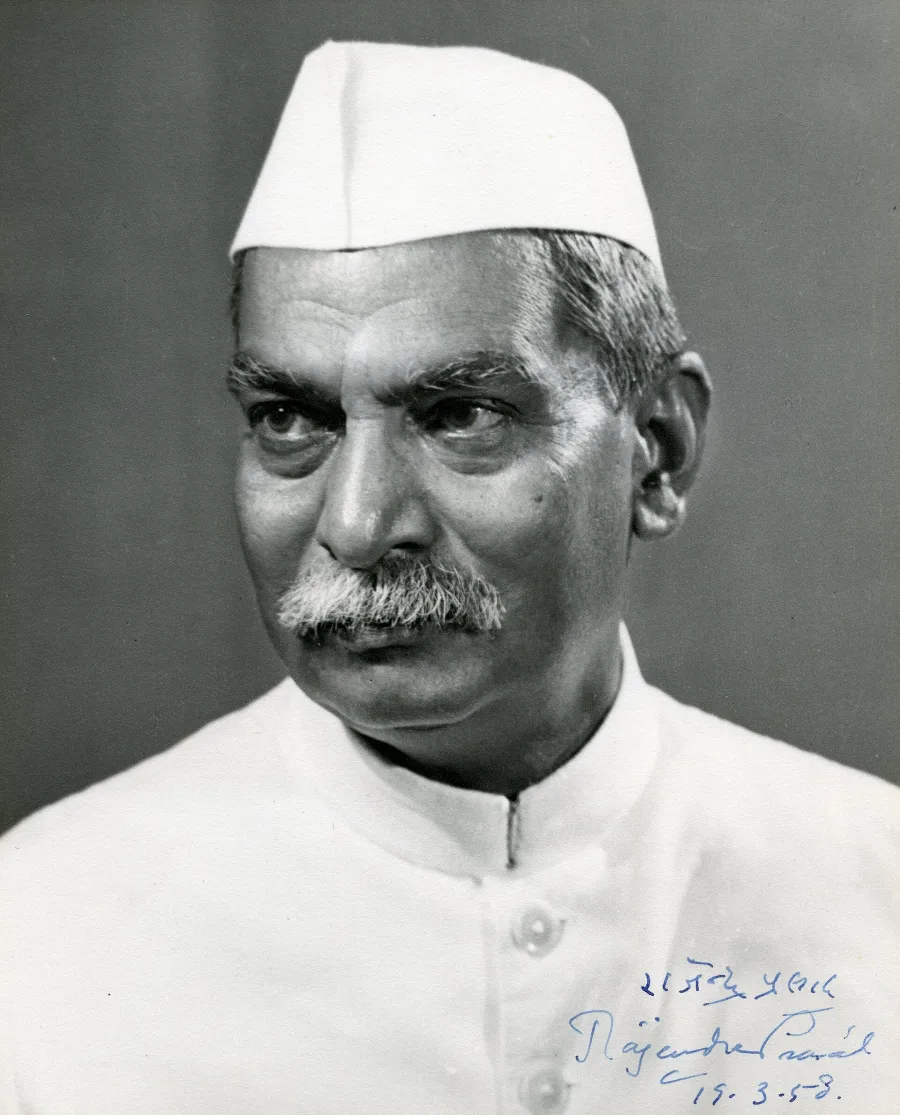 Rajendra Prasad
Politics & Leadership · First President of India (1950–1962)
Associate in Champaran
-
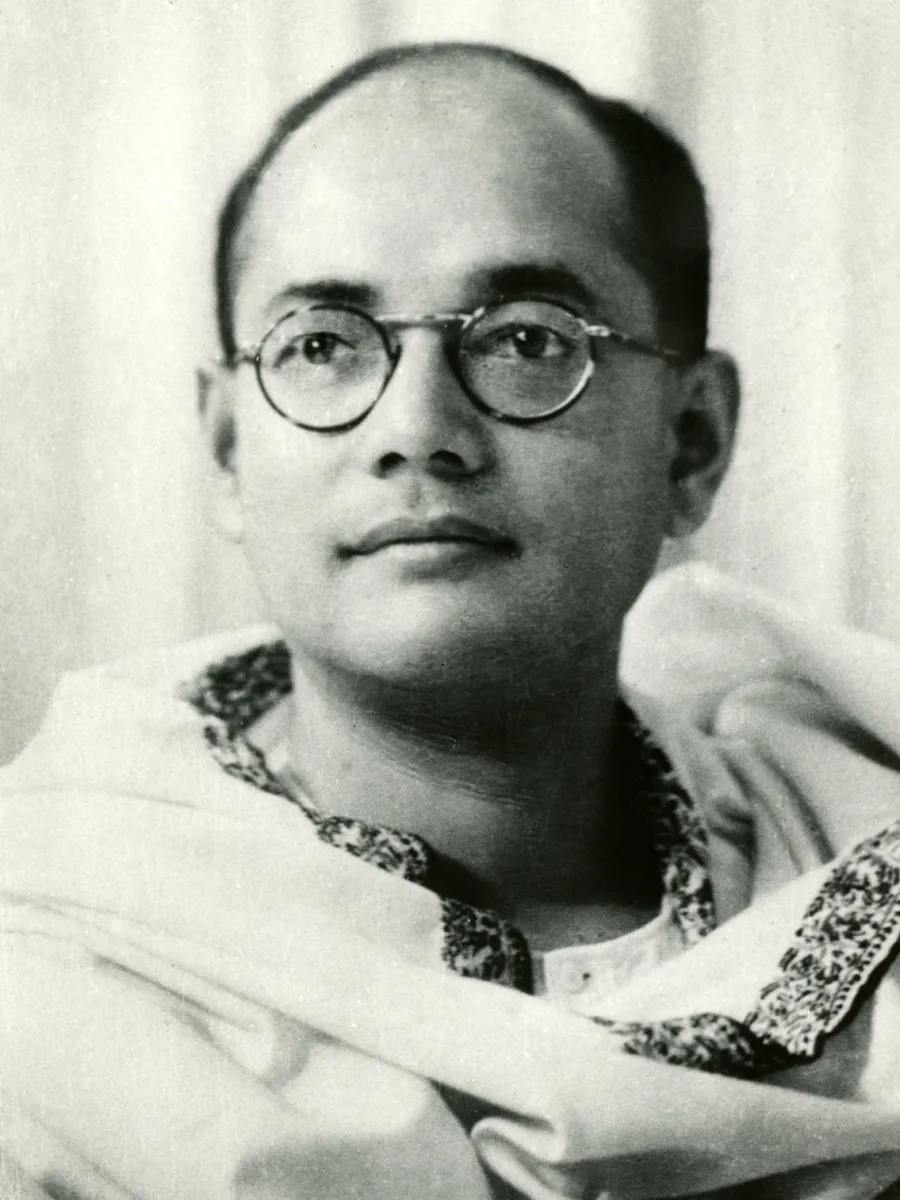 Subhas Chandra Bose
Politics & Leadership · Freedom fighter and leader of the Indian National Army
Political rival in Congress
Also born on 2 October

Frequently asked
Who is Mahatma Gandhi?
Mohandas Karamchand Gandhi led India’s struggle for independence from British rule through mass non-violent civil disobedience. Revered in India as the Father of the Nation, his methods inspired civil-rights movements around the world.
When did Mahatma Gandhi die?
Mahatma Gandhi died on 30 January 1948 at the age of 78.
Where is Mahatma Gandhi from?
Mahatma Gandhi was born in Porbandar, Kathiawar Agency (now Gujarat).
What is Mahatma Gandhi known for?
Mahatma Gandhi is best known for Satyagraha, the Salt March, the Quit India movement.
What awards has Mahatma Gandhi received?
Notable honours include Time Person of the Year (1930).
Who is Mahatma Gandhi married to?
Spouse: Kasturba Gandhi (m. 1883; died 1944).
References
- Mahatma Gandhi — Wikipedia. Wikipedia. Retrieved 26 October 2026.
- Mahatma Gandhi — Britannica. Encyclopaedia Britannica. Retrieved 26 October 2026.
- Mahatma Gandhi — IMDb. IMDb. Retrieved 26 October 2026.
- Mahatma Gandhi — Goodreads author page. Goodreads. Retrieved 26 October 2026.
- Mahatma Gandhi — Hindi Wikipedia. Wikipedia (Hindi). Retrieved 26 October 2026.
- Mahatma Gandhi (Q1001) — structured data. Wikidata. Retrieved 26 October 2026.
External links
About this profile
- Researched by the TrackFame editors; reviewed by Sanjay Sokal
- First published 26 October 2026
- Last updated
Cite this page
“Mahatma Gandhi.” TrackFame, last updated 26 October 2026. https://trackfame.com/person/mahatma-gandhi
Discussion 0
Sign in or create an account to join the discussion.
No comments yet — be the first.
More in Politics & Leadership
 Politics & Leadership
B. R. Ambedkar
Principal architect of the Constitution of India and India’s first Law Minister
1891 – 1956
Politics & Leadership
Vallabhbhai Patel
First Deputy Prime Minister and Home Minister of India
1875 – 1950
 Politics & Leadership
Manmohan Singh
Thirteenth Prime Minister of India (2004–2014) and architect of the 1991 reforms
1932 – 2024
Politics & Leadership
Jawaharlal Nehru
First Prime Minister of India (1947–1964)
1889 – 1964
 Politics & Leadership
Rajiv Gandhi
Sixth Prime Minister of India (1984–1989)
1944 – 1991
 Politics & Leadership
Indira Gandhi
Third Prime Minister of India and the only woman to hold the office
1917 – 1984