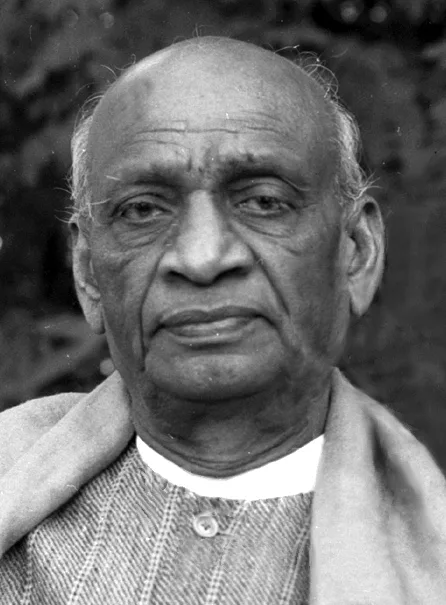
Vallabhbhai Patel
First Deputy Prime Minister and Home Minister of India
- Lived
- 75 yrs
- 1875 – 1950
- Works listed
- 0
- Career highlights
- Honours
- 1
- Most recent 1991
- Profile views
- 1
- 0 followers
Sardar Vallabhbhai Patel was a leader of the freedom struggle and independent India’s first Deputy Prime Minister and Home Minister. He is best remembered for persuading hundreds of princely states to join the Indian Union after 1947.
Biography
Early life and law
Patel grew up in a farming family in Gujarat and largely educated himself in law, practising as a pleader in Godhra and Borsad. He saved enough to study in London, where he was called to the bar at the Middle Temple, and returned to build one of Ahmedabad’s most successful criminal practices.
Organiser of the freedom movement
Influenced by Gandhi, Patel gave up his practice and organised the Kheda Satyagraha of 1918 for farmers facing tax demands after crop failure. His leadership of the Bardoli Satyagraha in 1928, which forced the government to reverse a steep revenue increase, earned him the title “Sardar” (leader).
He presided over the Karachi session of the Congress in 1931 and became the party’s chief organiser, managing its election campaigns and finances. He was imprisoned several times, including during the Quit India movement.
Uniting the country
As Home Minister and Minister of States from 1947, Patel — working with his secretary V. P. Menon — negotiated the accession of more than 560 princely states, using diplomacy and, in Junagadh and Hyderabad, pressure and police action. The result was a single political map of India.
He also championed the creation of the all-India administrative services, which he called the “steel frame” of the country. He died in Bombay in December 1950.
Partition and refugees
As Home Minister, Patel was responsible for law and order during the violence of partition and for organising relief and resettlement of millions of refugees in Delhi and Punjab. He worked to protect Muslims in Delhi while also managing intense political pressures, and he supported the decision to ban the RSS after Gandhi’s assassination in 1948.
Relationship with Nehru
Patel and Nehru differed sharply on many issues, from economic policy to China and Kashmir, but worked together as the twin pillars of the first government at Gandhi’s urging. Patel was the Congress’s preferred choice for party president in 1946 but stepped aside for Nehru at Gandhi’s request — a decision often discussed in Indian political history.
Legacy
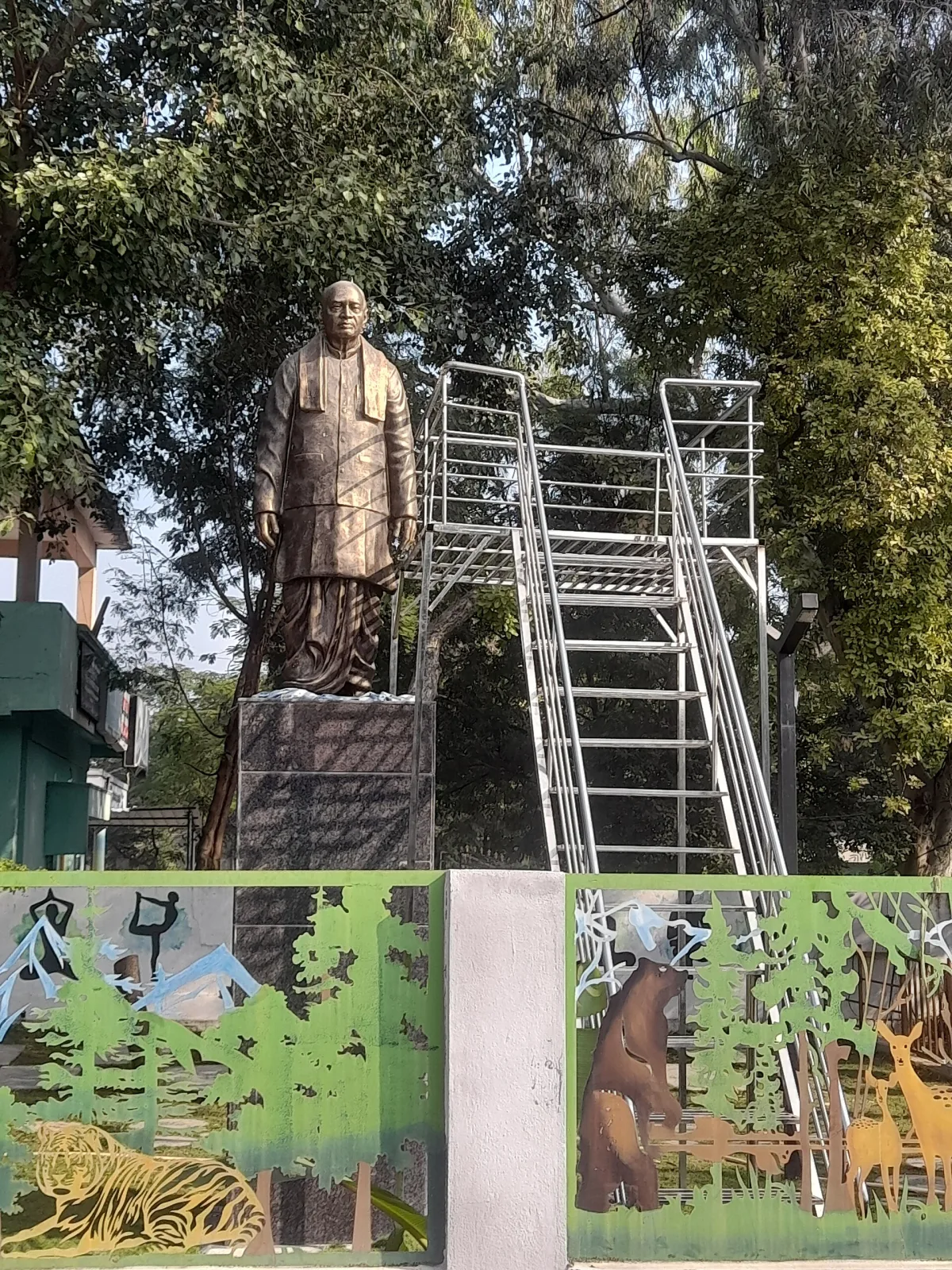
Patel was posthumously awarded the Bharat Ratna in 1991. Since 2014 his birthday, 31 October, has been marked as National Unity Day. The 182-metre Statue of Unity, the world’s tallest statue, was unveiled in his honour near the Sardar Sarovar Dam in Gujarat in 2018.
Timeline
-
1875
Born in Nadiad, Bombay Presidency (now Gujarat)
-
1913
Returns from London as a barrister
Starts practice in Ahmedabad.
-
1917
Elected to the Ahmedabad municipality
-
1918
Kheda Satyagraha
Leads farmers in a tax-relief campaign alongside Gandhi.
-
1928
Bardoli Satyagraha
Successful campaign earns him the title “Sardar”.
-
1931
Congress president
Presides over the Karachi session.
-
1946
Steps aside for Nehru as Congress leader
-
1947
Deputy Prime Minister and Home Minister
Begins integrating the princely states.
-
1947
Integration of the princely states begins
With V. P. Menon.
-
1948
Hyderabad joins India
Operation Polo brings the state into the Union.
-
1950
Dies in Bombay
Passes away on 15 December.
-
1991
Bharat Ratna (posthumous)
India’s highest civilian honour.
-
2014
National Unity Day instituted on his birthday
-
2018
Statue of Unity unveiled
A 182-metre statue in his honour in Gujarat.
-
1950
Died, aged 75
Awards and honours
-
Bharat Ratna
1991 · Awarded posthumously.
Did you know?
-
1
The Statue of Unity is roughly twice the height of the Statue of Liberty including its base.
-
2
He was called the “Iron Man of India” for his firmness in uniting the country.
-
3
Ahmedabad’s international airport is named after him.
-
4
He was persuaded by Gandhi to step aside for Nehru in 1946.
-
5
National Unity Day, 31 October, celebrates his role in uniting India.
-
6
He was called “Sardar” by the farmers of Bardoli.
Gallery
Connections
Related people
-
 Mahatma Gandhi
Politics & Leadership · Leader of India’s independence movement and pioneer of non-violent resistance
Mentor
-
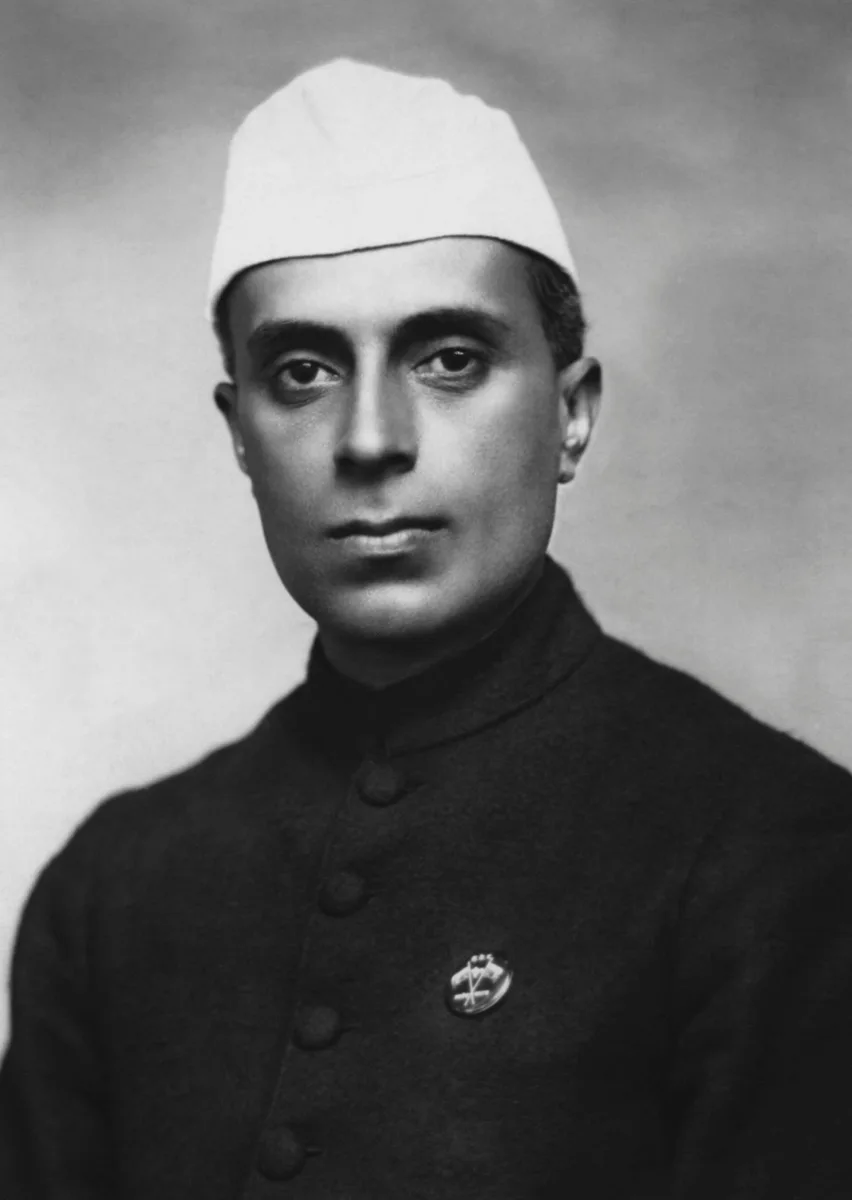 Jawaharlal Nehru
Politics & Leadership · First Prime Minister of India (1947–1964)
Cabinet colleague
-
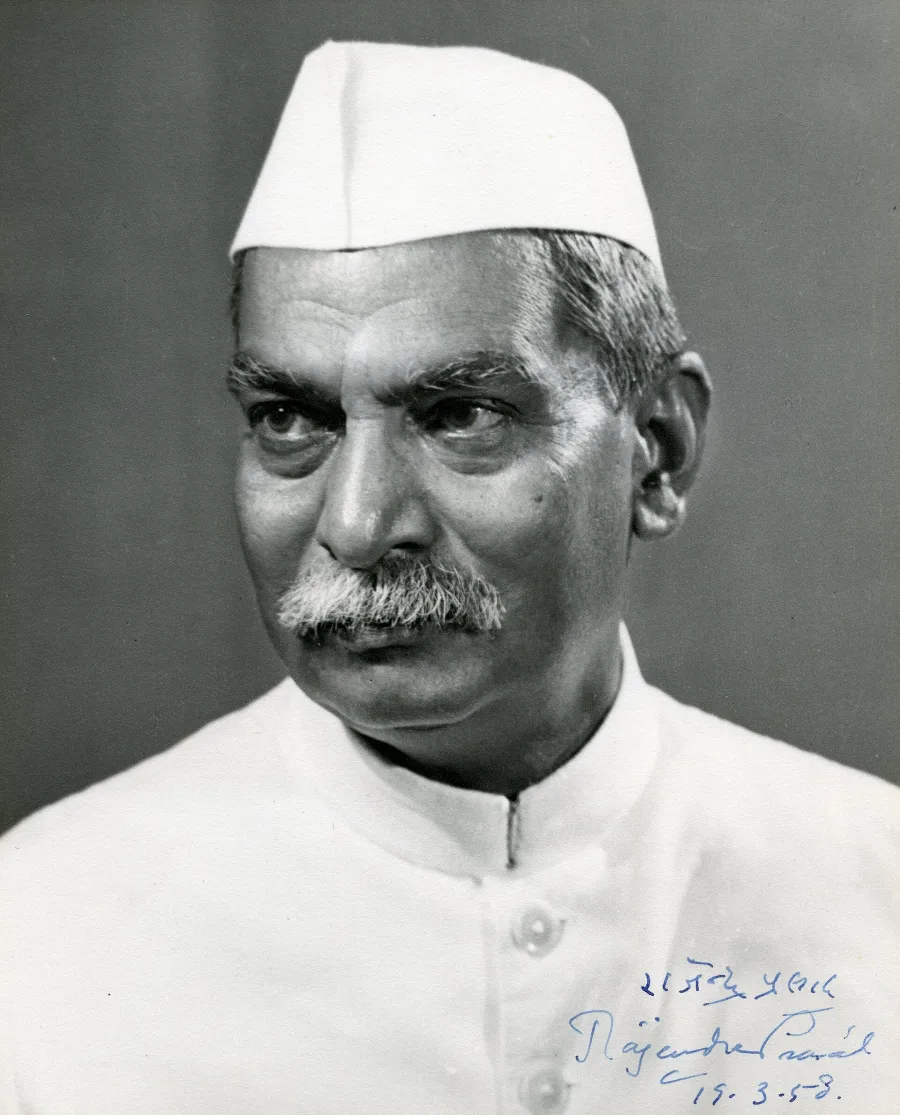 Rajendra Prasad
Politics & Leadership · First President of India (1950–1962)
Congress colleague
Frequently asked
Who is Vallabhbhai Patel?
Sardar Vallabhbhai Patel was a leader of the freedom struggle and independent India’s first Deputy Prime Minister and Home Minister. He is best remembered for persuading hundreds of princely states to join the Indian Union after 1947.
When did Vallabhbhai Patel die?
Vallabhbhai Patel died on 15 December 1950 at the age of 75.
Where is Vallabhbhai Patel from?
Vallabhbhai Patel was born in Nadiad, Bombay Presidency (now Gujarat).
What is Vallabhbhai Patel known for?
Vallabhbhai Patel is best known for Integrating over 560 princely states into the Indian Union.
What awards has Vallabhbhai Patel received?
Notable honours include Bharat Ratna (1991).
Who is Vallabhbhai Patel married to?
Spouse: Jhaverba Patel (died 1909).
References
- Vallabhbhai Patel — Wikipedia. Wikipedia. Retrieved 26 October 2026.
- Vallabhbhai Patel — Britannica. Encyclopaedia Britannica. Retrieved 26 October 2026.
- Vallabhbhai Patel — IMDb. IMDb. Retrieved 26 October 2026.
- Vallabhbhai Patel — Hindi Wikipedia. Wikipedia (Hindi). Retrieved 26 October 2026.
- Vallabhbhai Patel (Q9455) — structured data. Wikidata. Retrieved 26 October 2026.
External links
About this profile
- Researched by the TrackFame editors; reviewed by Sanjay Sokal
- First published 26 October 2026
- Last updated
Cite this page
“Vallabhbhai Patel.” TrackFame, last updated 26 October 2026. https://trackfame.com/person/vallabhbhai-patel
Discussion 0
Sign in or create an account to join the discussion.
No comments yet — be the first.
More in Politics & Leadership
 Politics & Leadership
Rajiv Gandhi
Sixth Prime Minister of India (1984–1989)
1944 – 1991
Politics & Leadership
Jawaharlal Nehru
First Prime Minister of India (1947–1964)
1889 – 1964
 Politics & Leadership
Subhas Chandra Bose
Freedom fighter and leader of the Indian National Army
1897 – 1945
Politics & Leadership
Mahatma Gandhi
Leader of India’s independence movement and pioneer of non-violent resistance
1869 – 1948
 Politics & Leadership
Indira Gandhi
Third Prime Minister of India and the only woman to hold the office
1917 – 1984
 Politics & Leadership
Morarji Desai
Fourth Prime Minister of India and the first from outside the Congress
1896 – 1995