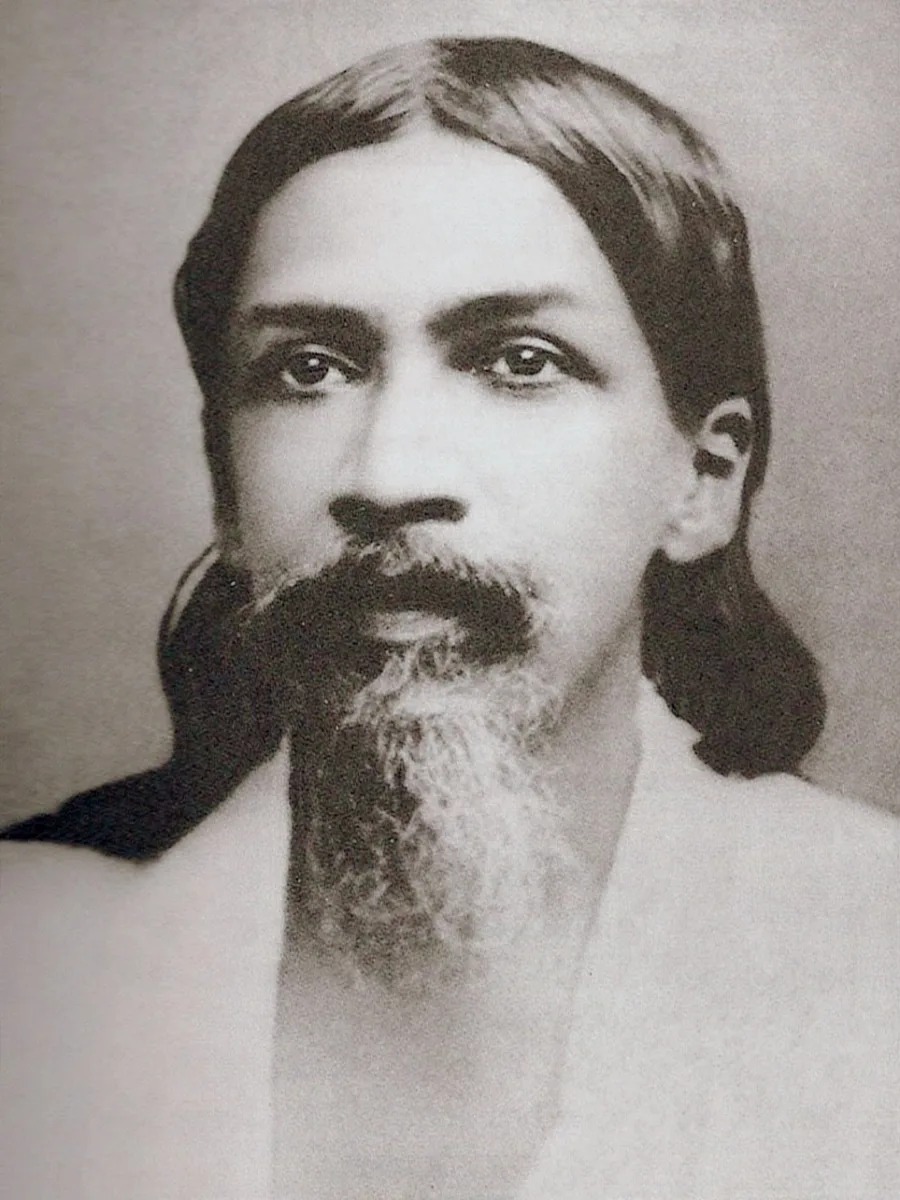
Sri Aurobindo
Philosopher, yogi, poet and early nationalist leader
- Lived
- 78 yrs
- 1872 – 1950
- Works listed
- 3
- Philosophy, Epic poem
- Honours
- 0
- Awards & distinctions
- Profile views
- 1
- 0 followers
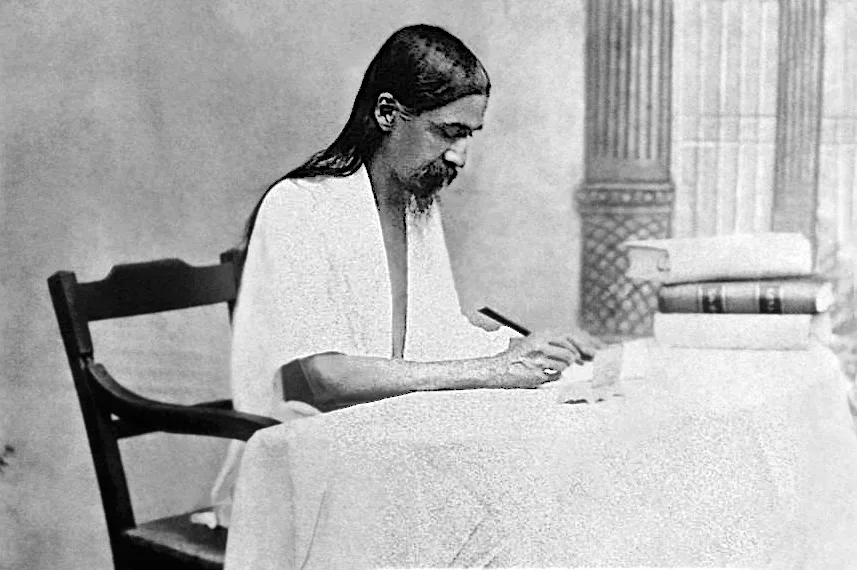
Sri Aurobindo was a revolutionary nationalist who became a philosopher, yogi and poet. After his acquittal in the Alipore Bomb Case he withdrew to Pondicherry, where he developed Integral Yoga and wrote The Life Divine and the epic poem Savitri.
Biography
Nationalist
Aurobindo Ghose was educated in England from the age of seven, studying classics at King’s College, Cambridge. He returned to India in 1893 to serve the Baroda State and became a leading radical nationalist in Bengal, editing the newspaper Bande Mataram. Arrested in the Alipore Bomb Case in 1908, he was acquitted in 1909 after a year in jail, where he underwent profound spiritual experiences.
Yogi and philosopher
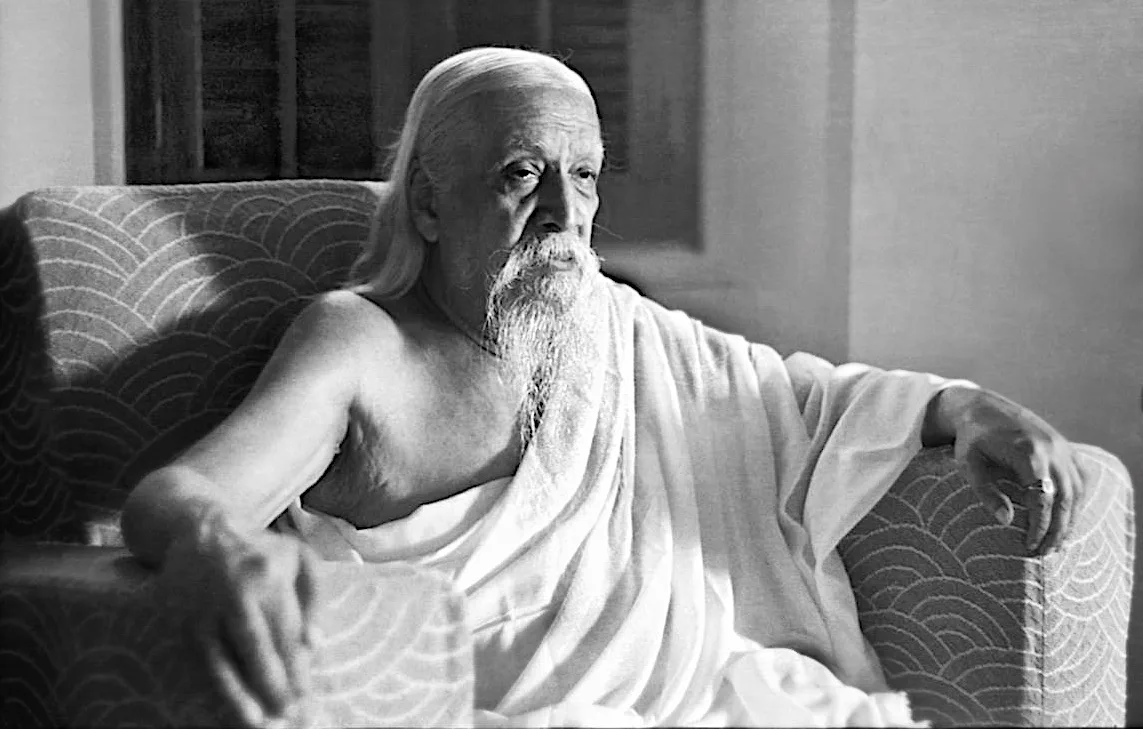
In 1910 he moved to Pondicherry, then French territory, and devoted himself to yoga and writing. His Integral Yoga aims at the transformation of all of life, not escape from it. With Mirra Alfassa, known as The Mother, he founded the Sri Aurobindo Ashram in 1926. His major works include The Life Divine, The Synthesis of Yoga and the epic poem Savitri. He died in Pondicherry on 5 December 1950. His birthday, 15 August, coincides with India’s Independence Day.
English education
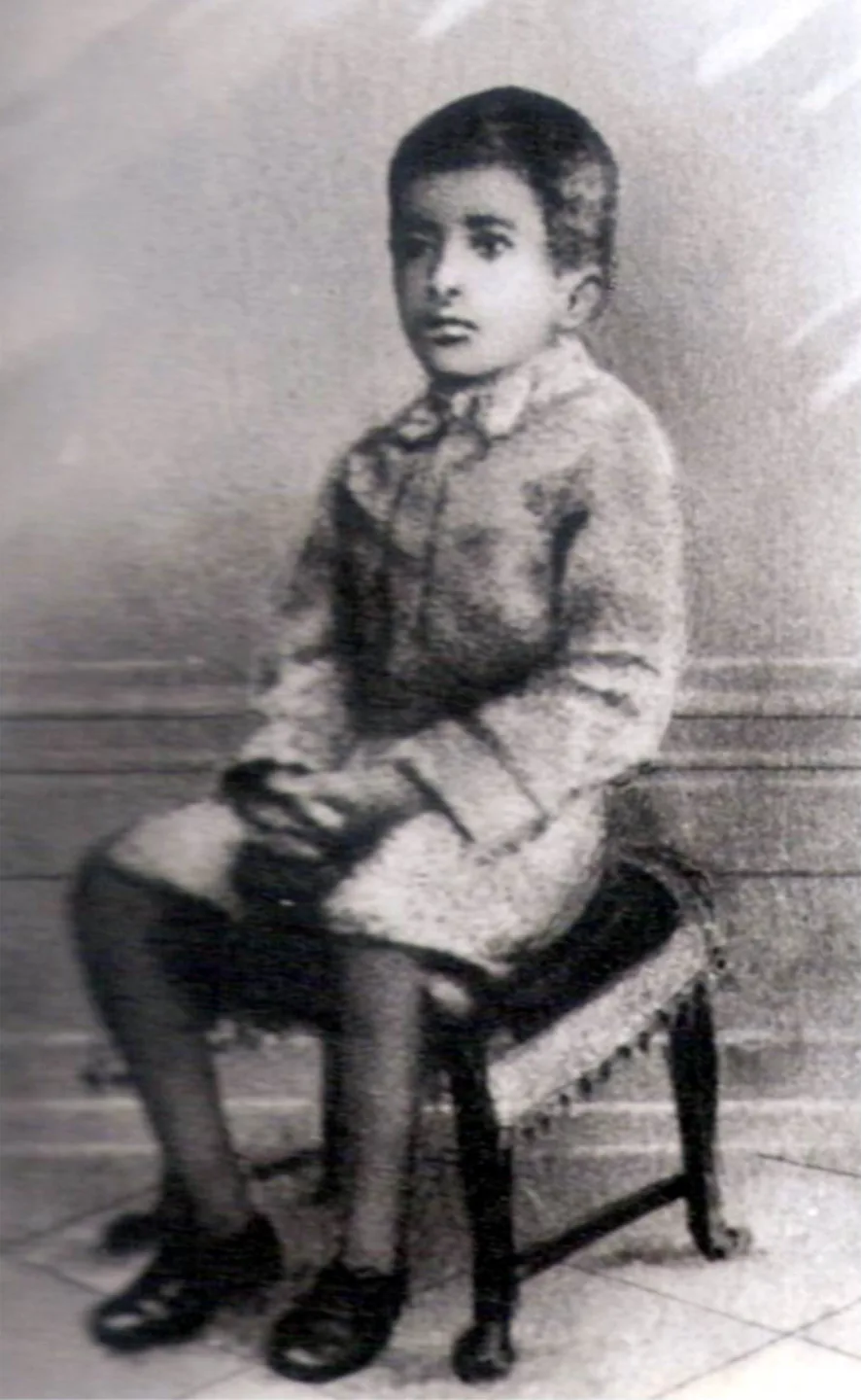
Aurobindo’s father, a doctor, sent him and his brothers to England in 1879 to be raised without Indian influence. He excelled in classics at St Paul’s School, London, and King’s College, Cambridge, and passed the Indian Civil Service examination but deliberately failed the riding test so that he would not serve the British.
Nationalist years
In Baroda he taught at the state college and studied Indian languages and scriptures. Moving to Calcutta in 1906, he became principal of the Bengal National College and, through Bande Mataram, one of the first to call openly for complete independence. During his year in Alipore jail awaiting trial he had spiritual experiences that changed his life; he was defended by Chittaranjan Das and acquitted.
Pondicherry and The Mother
In Pondicherry he lived in near-seclusion from 1926, leaving the running of the ashram to Mirra Alfassa, The Mother. In 1968, after his death, she founded Auroville, an experimental international township near Pondicherry based on his ideals of human unity. He was nominated for the Nobel Prize in Literature (1943) and Peace (1950).
Timeline
-
1872
Born in Calcutta (Kolkata), Bengal Presidency
-
1879
Sent to England for his education
Aged seven.
-
1893
Returns to India; serves in Baroda
-
1906
Edits Bande Mataram
-
1906
Principal of the Bengal National College
Moves to Calcutta.
-
1908
Arrested in the Alipore Bomb Case
Acquitted in 1909.
-
1910
Moves to Pondicherry
-
1926
Sri Aurobindo Ashram founded
-
1943
Nominated for the Nobel Prize in Literature
-
1950
Dies in Pondicherry
-
1968
Auroville founded by The Mother
-
1950
Died, aged 78
Notable works
-
1940
The Life Divine Philosophy
-
1948
The Synthesis of Yoga Philosophy
-
1950
Savitri Epic poem
Did you know?
-
1
He deliberately failed the ICS riding test to avoid serving the British.
-
2
His birthday, 15 August, is also India’s Independence Day.
-
3
Auroville, near Puducherry, was founded on his ideals.
Gallery
Connections
Frequently asked
Who is Sri Aurobindo?
Sri Aurobindo was a revolutionary nationalist who became a philosopher, yogi and poet. After his acquittal in the Alipore Bomb Case he withdrew to Pondicherry, where he developed Integral Yoga and wrote The Life Divine and the epic poem Savitri.
When did Sri Aurobindo die?
Sri Aurobindo died on 5 December 1950 at the age of 78.
Where is Sri Aurobindo from?
Sri Aurobindo was born in Calcutta (Kolkata), Bengal Presidency.
What is Sri Aurobindo known for?
Sri Aurobindo is best known for Integral Yoga; The Life Divine and Savitri; the Sri Aurobindo Ashram in Pondicherry.
References
- Sri Aurobindo — Wikipedia. Wikipedia. Retrieved 26 October 2026.
- Sri Aurobindo — Britannica. Encyclopaedia Britannica. Retrieved 26 October 2026.
- Sri Aurobindo — Goodreads author page. Goodreads. Retrieved 26 October 2026.
- Sri Aurobindo — Hindi Wikipedia. Wikipedia (Hindi). Retrieved 26 October 2026.
- Official website. www.sriaurobindoashram.org. Retrieved 26 October 2026.
- Sri Aurobindo (Q192207) — structured data. Wikidata. Retrieved 26 October 2026.
External links
About this profile
- Researched by the TrackFame editors; reviewed by Sanjay Sokal
- First published 26 October 2026
- Last updated
Cite this page
“Sri Aurobindo.” TrackFame, last updated 26 October 2026. https://trackfame.com/person/sri-aurobindo
Discussion 0
Sign in or create an account to join the discussion.
No comments yet — be the first.
More in Literature
 Historical Figures
Guru Nanak
Founder of Sikhism and the first of the ten Sikh Gurus
1469 – 1539
 Music
Rabindranath Tagore
Poet, writer and composer; first non-European Nobel laureate in Literature
1861 – 1941
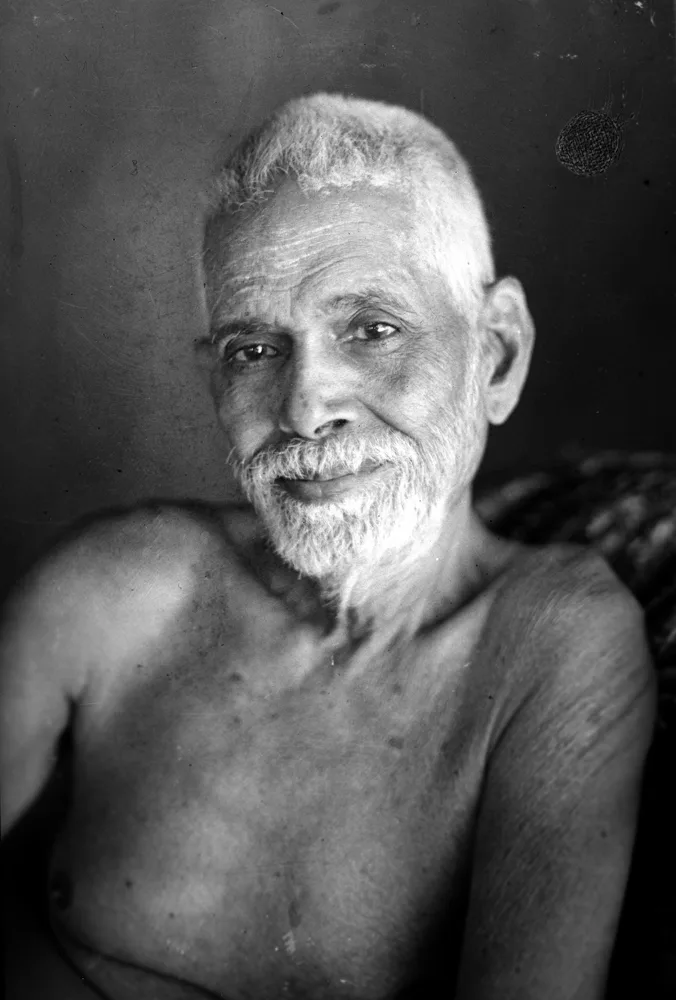 Historical Figures
Ramana Maharshi
Sage of Arunachala and teacher of self-enquiry
1879 – 1950
 Literature
Premchand
Hindi and Urdu novelist and short-story writer
1880 – 1936
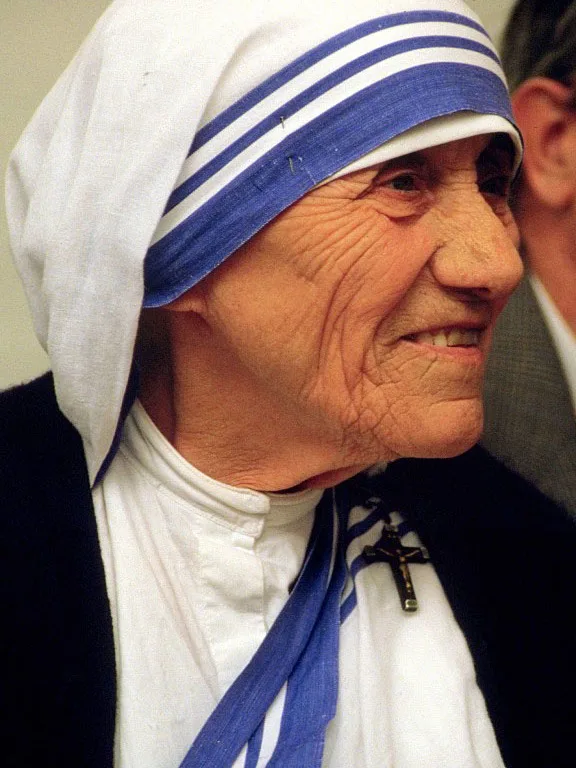 Activism & Humanitarian
Mother Teresa
Founder of the Missionaries of Charity; Nobel Peace Prize laureate and Catholic saint
1910 – 1997
 Historical Figures
Swami Vivekananda
Hindu monk and philosopher who introduced Vedanta and Yoga to the West
1863 – 1902