Robert W. Floyd
Computer scientist who pioneered proving that programs are correct
- Lived
- 65 yrs
- 1936 – 2001
- Works listed
- 2
- Paper
- Honours
- 2
- Most recent 1991
- Profile views
- 4
- 0 followers
Robert Floyd was an American computer scientist who pioneered methods for proving programs correct and contributed key algorithms, including the Floyd–Warshall shortest-path algorithm and Floyd’s cycle-finding algorithm. He received the Turing Award in 1978.
Biography
Self-taught scientist
Floyd finished a liberal arts degree at the University of Chicago at 17 and later a degree in physics, but never earned a doctorate. He learned computing as a computer operator in the 1950s.
Parsing and algorithms
He made early contributions to parsing, the analysis of programming-language grammar. He published the all-pairs shortest-path algorithm now called Floyd–Warshall (1962), the heapsort improvement “treesort”, and a famous method for detecting cycles in sequences.
Proving programs correct
His 1967 paper “Assigning Meanings to Programs” showed how to attach logical assertions to the steps of a flowchart and prove a program does what it should. Tony Hoare built on it to create Hoare logic, the basis of program verification.
Stanford
Floyd became a full professor at Stanford in 1968, only six years after leaving industry and without a PhD. He worked with Donald Knuth and others and died in 2001.
Timeline
-
1936
Born in New York City, United States
-
1953
Graduates from the University of Chicago
-
1962
Publishes the shortest-path algorithm
-
1967
Assigning Meanings to Programs
-
1968
Professor at Stanford
-
1978
Turing Award
-
1991
Computer Pioneer Award
-
2001
Died, aged 65
Notable works
-
1962
Algorithm 97: Shortest Path Paper
-
1967
Assigning Meanings to Programs Paper
Awards and honours
-
Turing Award
1978
-
Computer Pioneer Award
1991
Did you know?
-
1
Floyd’s cycle-finding method is nicknamed the “tortoise and hare” algorithm.
-
2
He became a Stanford full professor without a doctorate.
-
3
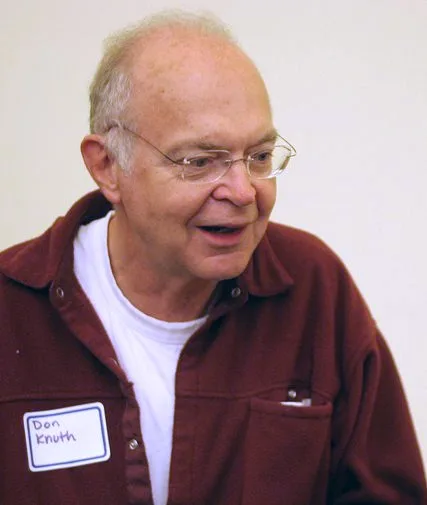
Donald Knuth called him one of the most important computer scientists of his era.
Connections
Frequently asked
Who is Robert W. Floyd?
Robert Floyd was an American computer scientist who pioneered methods for proving programs correct and contributed key algorithms, including the Floyd–Warshall shortest-path algorithm and Floyd’s cycle-finding algorithm. He received the Turing Award in 1978.
When did Robert W. Floyd die?
Robert W. Floyd died on 25 September 2001 at the age of 65.
Where is Robert W. Floyd from?
Robert W. Floyd was born in New York City, United States.
What is Robert W. Floyd known for?
Robert W. Floyd is best known for Floyd–Warshall algorithm; program verification; parsing; Turing Award 1978.
What awards has Robert W. Floyd received?
Notable honours include Turing Award (1978), Computer Pioneer Award (1991).
References
- Robert W. Floyd — Wikipedia. Wikipedia. Retrieved 4 November 2026.
- Robert W. Floyd — Britannica. Encyclopaedia Britannica. Retrieved 4 November 2026.
- Robert W. Floyd (Q92641) — structured data. Wikidata. Retrieved 4 November 2026.
Includes material from the Wikipedia article “Robert W. Floyd”, licensed under CC BY-SA 4.0. That text is available under the same licence. Learn more
External links
About this profile
- Researched by the TrackFame editorial team; reviewed by Sanjay Sokal under our editorial policy
- First published 4 November 2026
- Last updated
Cite this page
“Robert W. Floyd.” TrackFame, last updated 5 November 2026. https://trackfame.com/person/robert-w-floyd
Discussion 0
Sign in or create an account to join the discussion.
No comments yet — be the first.
More in Science
 Science
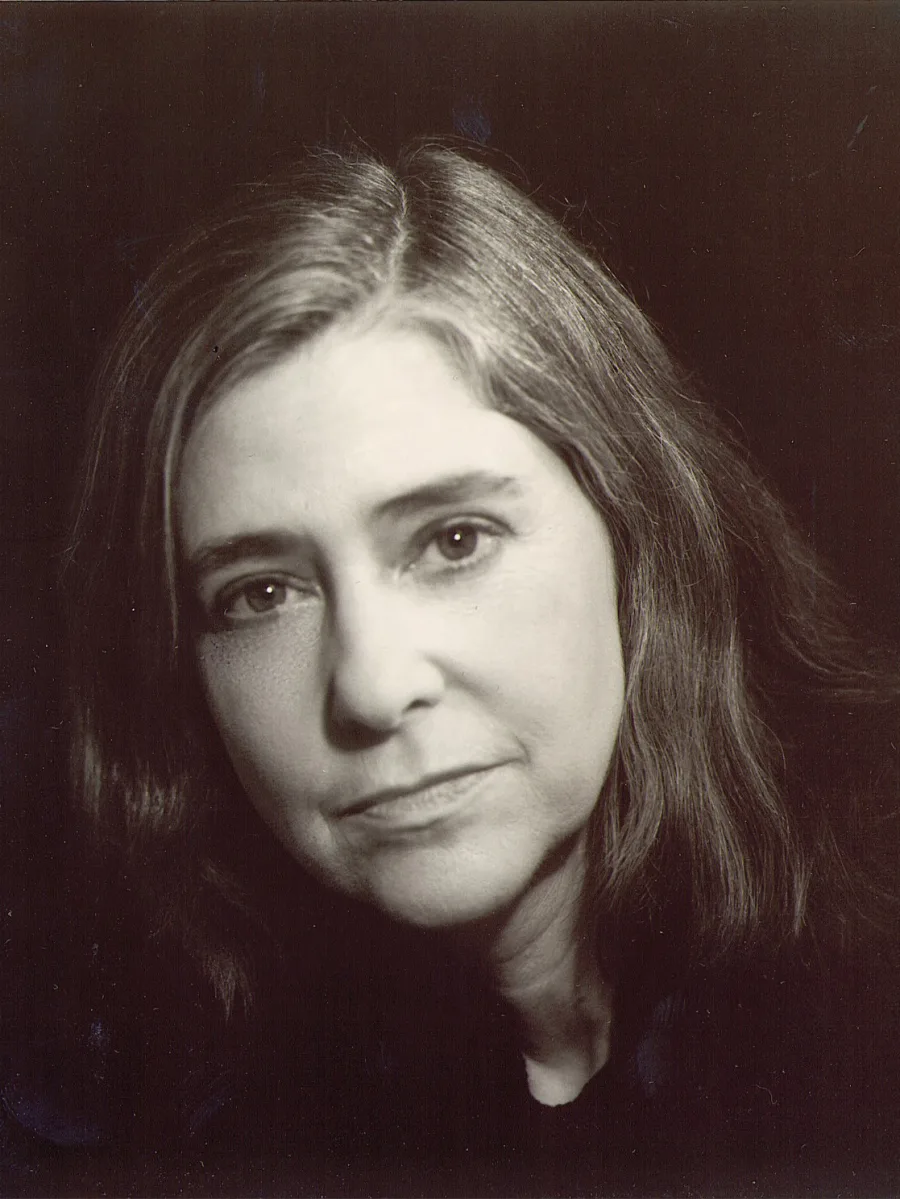
Margaret Hamilton
MIT engineer who led the software for the Apollo Moon landings and coined “software engineering”
1936 – 2026
 Science
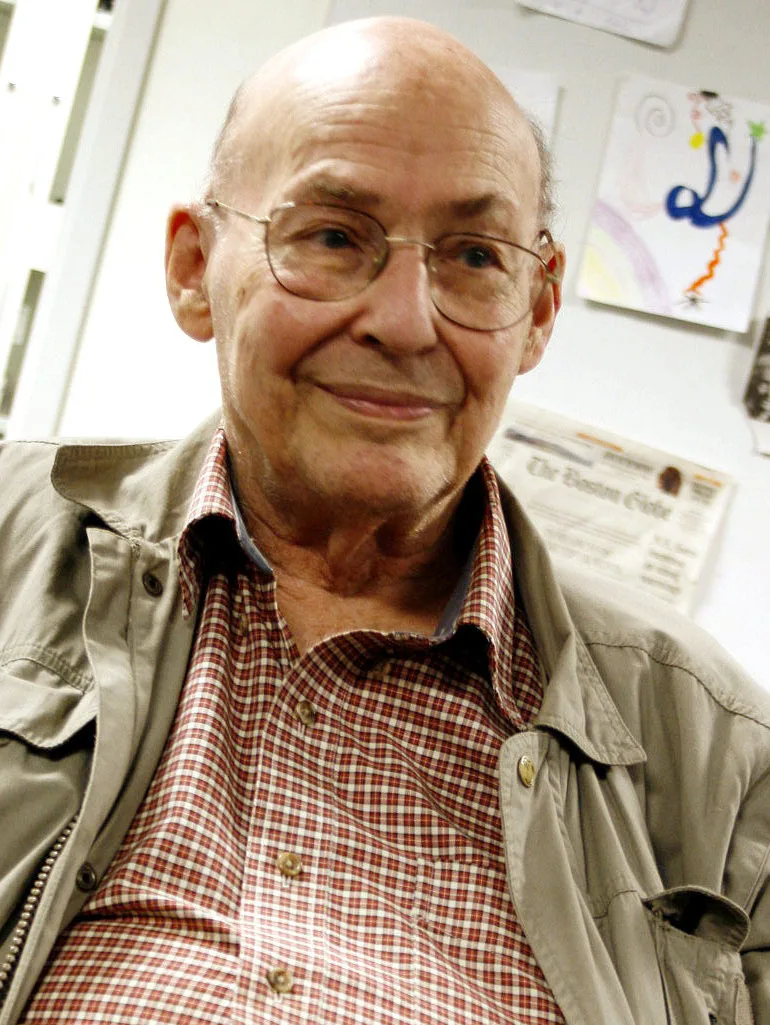
Marvin Minsky
Co-founder of MIT’s artificial intelligence laboratory and a founding father of AI
1927 – 2016
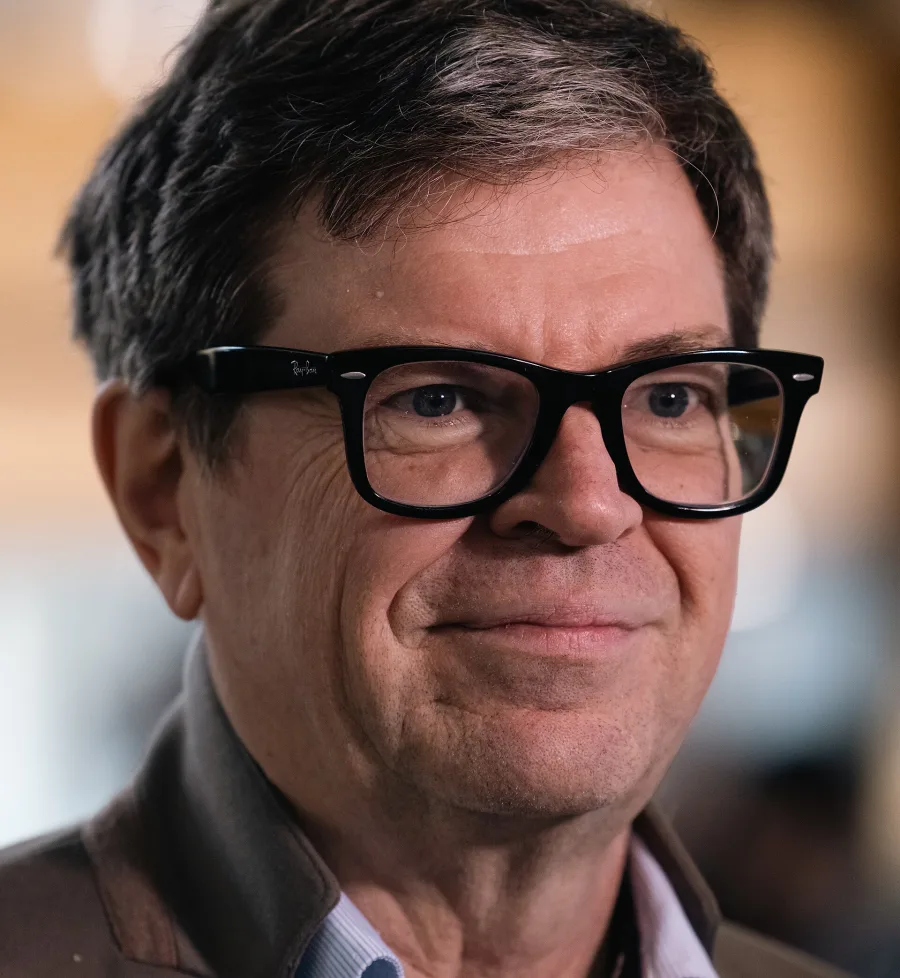 Science
Yann LeCun
French-American AI pioneer who invented convolutional neural networks
Born 1959
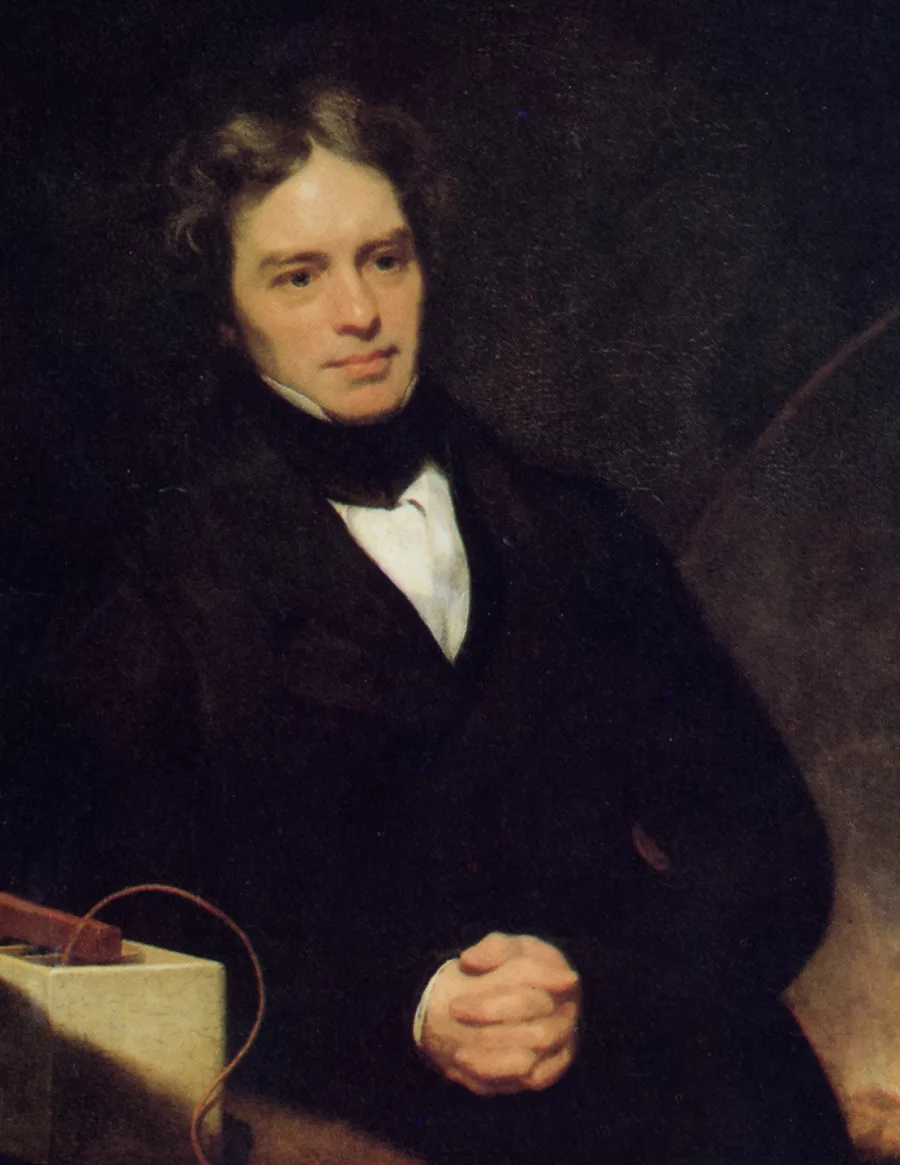 Science
Michael Faraday
Self-taught scientist who discovered electromagnetic induction
1791 – 1867
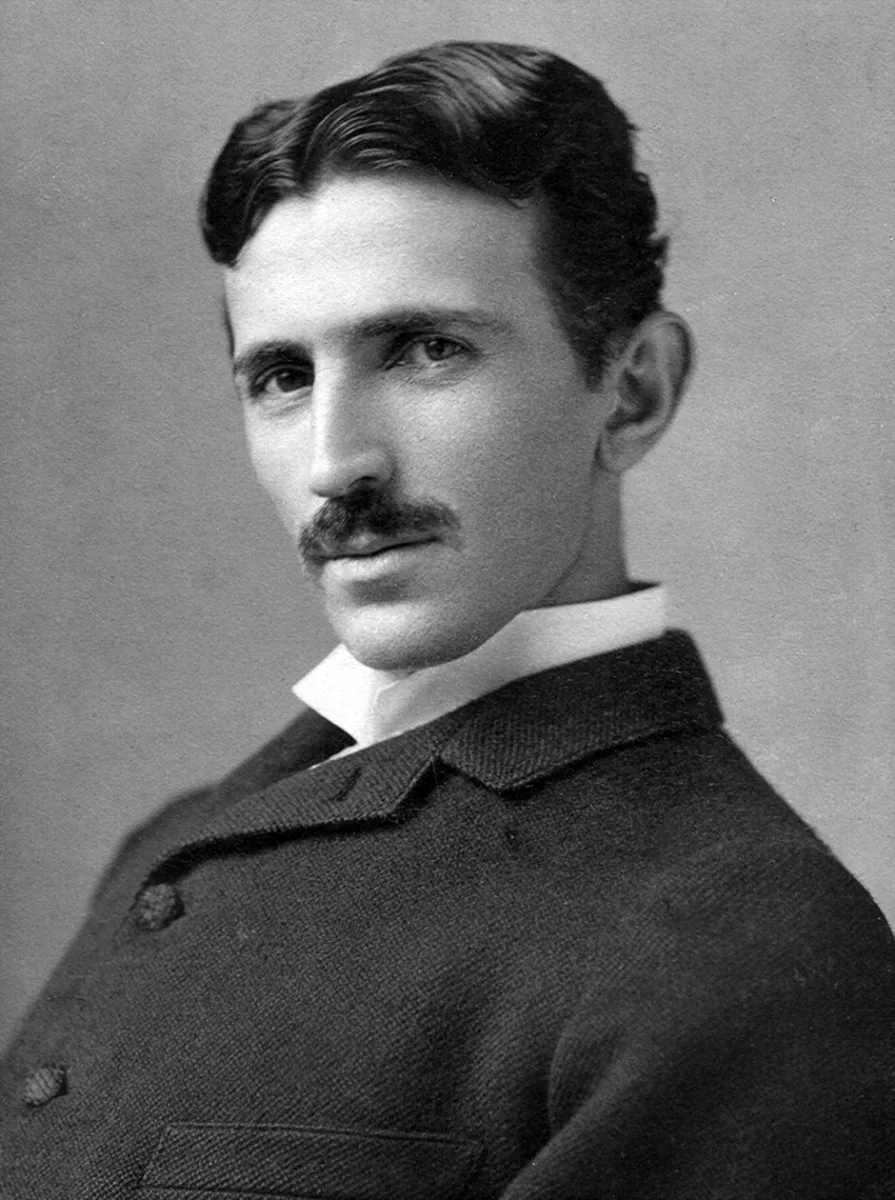 Science
Nikola Tesla
Serbian-American inventor of the alternating-current induction motor
1856 – 1943
 Science
M. Visvesvaraya
Engineer and statesman, whose birthday is India’s Engineers’ Day
1860 – 1962