
Manmohan Singh
Thirteenth Prime Minister of India (2004–2014) and architect of the 1991 reforms
- Lived
- 92 yrs
- 1932 – 2024
- Works listed
- 1
- Book
- Honours
- 1
- Most recent 1987
- Profile views
- 0
- 0 followers
Dr Manmohan Singh was an economist who, as Finance Minister in 1991, launched the reforms that opened up India’s economy. He went on to serve two full terms as Prime Minister, leading the United Progressive Alliance government from 2004 to 2014.
Biography
Economist
Born in a village in western Punjab, Singh moved to India with his family at partition. He studied at Panjab University, took a first in economics at St John’s College, Cambridge, and earned a DPhil from Nuffield College, Oxford, with a thesis on India’s export performance.
After teaching and working at the UN Conference on Trade and Development, he held a succession of top economic posts: Chief Economic Adviser, Governor of the Reserve Bank of India (1982–85) and Deputy Chairman of the Planning Commission.
Finance Minister and the 1991 reforms
Appointed Finance Minister by P. V. Narasimha Rao during the balance-of-payments crisis of 1991, Singh devalued the rupee, dismantled much of the industrial licensing system, lowered tariffs and opened sectors to foreign investment. His first budget speech closed by quoting Victor Hugo: “no power on earth can stop an idea whose time has come.” The reforms set India on a path of faster growth.
Prime Minister
After the Congress-led alliance won the 2004 election, Sonia Gandhi declined the premiership and Singh became Prime Minister, India’s first Sikh to hold the office. His governments enacted the rural employment guarantee (MGNREGA), the Right to Information Act and the Right to Education Act, and concluded the 2008 civil nuclear agreement with the United States. The second term was marked by corruption allegations against parts of the government, and the Congress lost the 2014 election.
A member of the Rajya Sabha for 33 years, he retired in April 2024. He died in New Delhi on 26 December 2024, aged 92.
Character and style
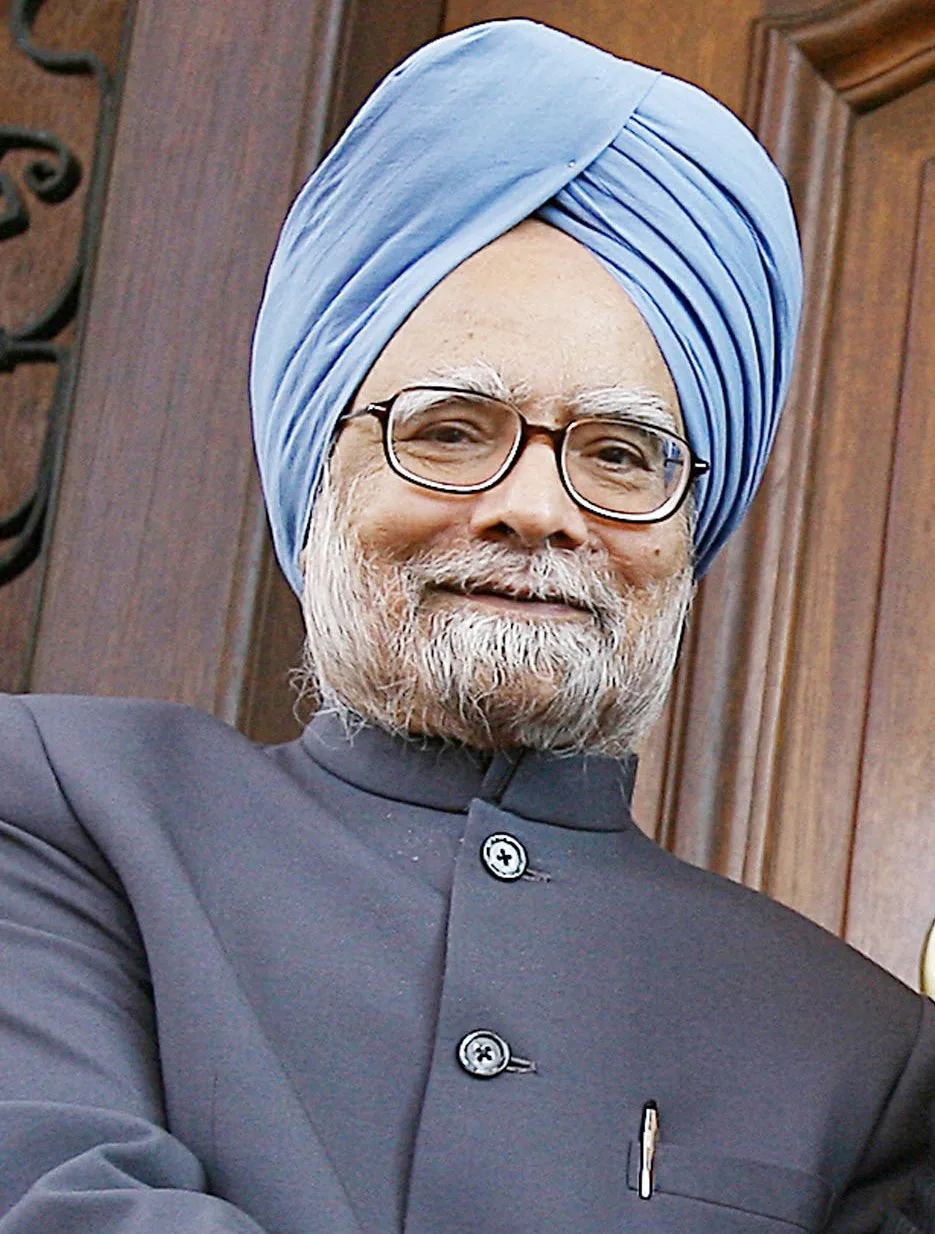
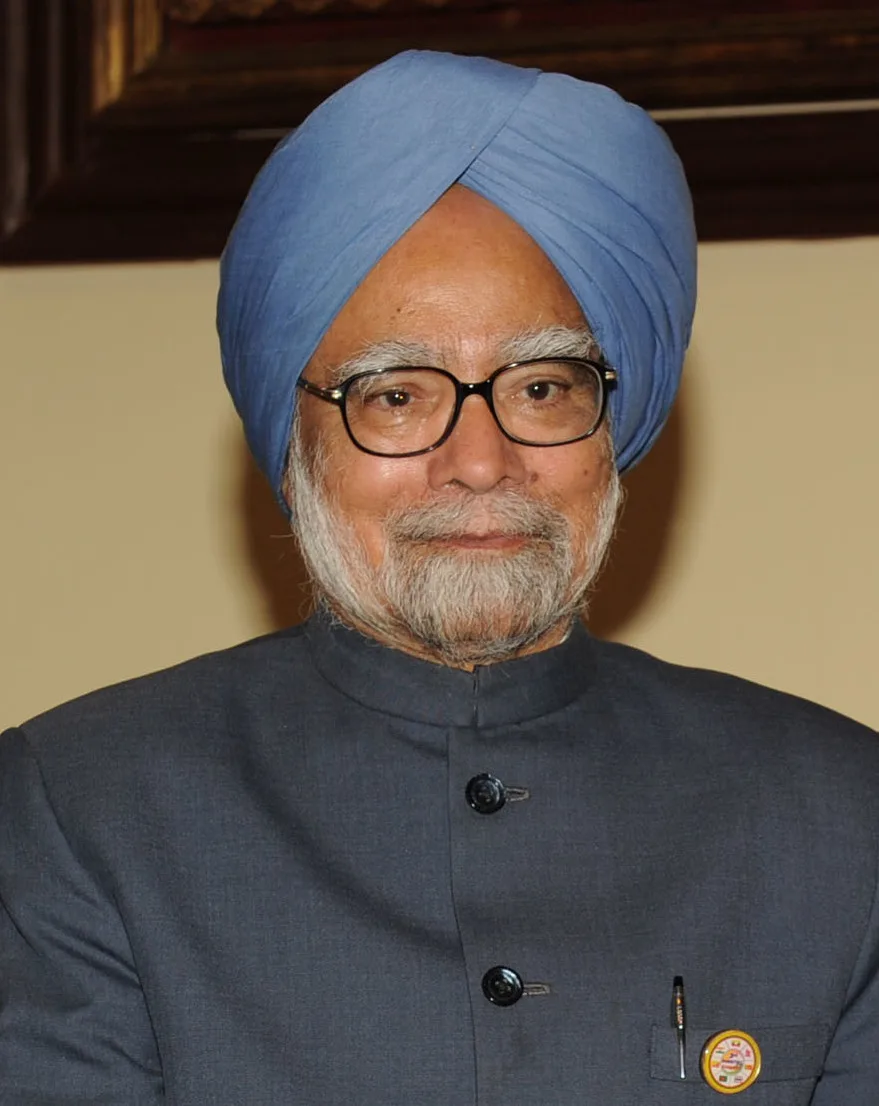
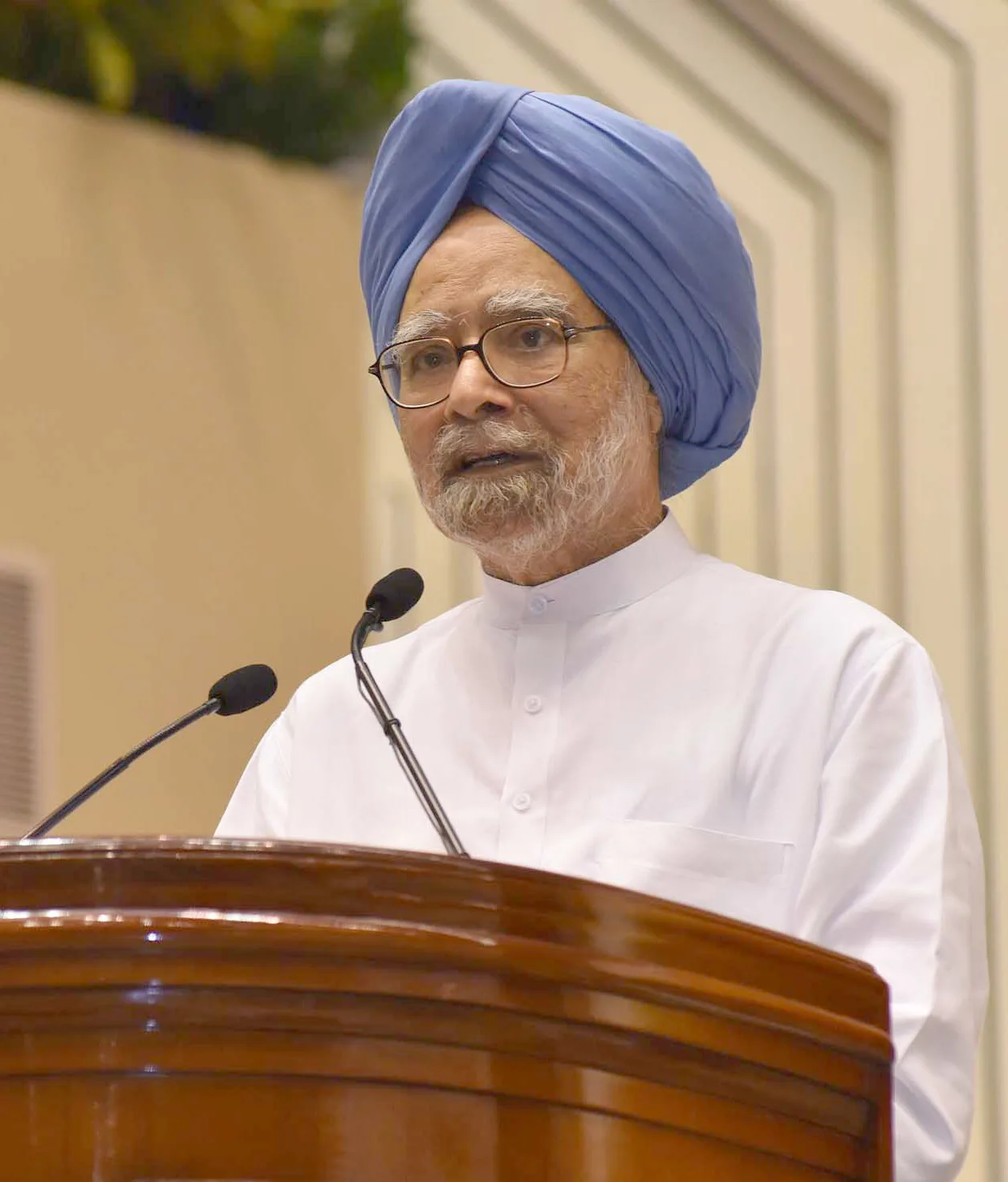
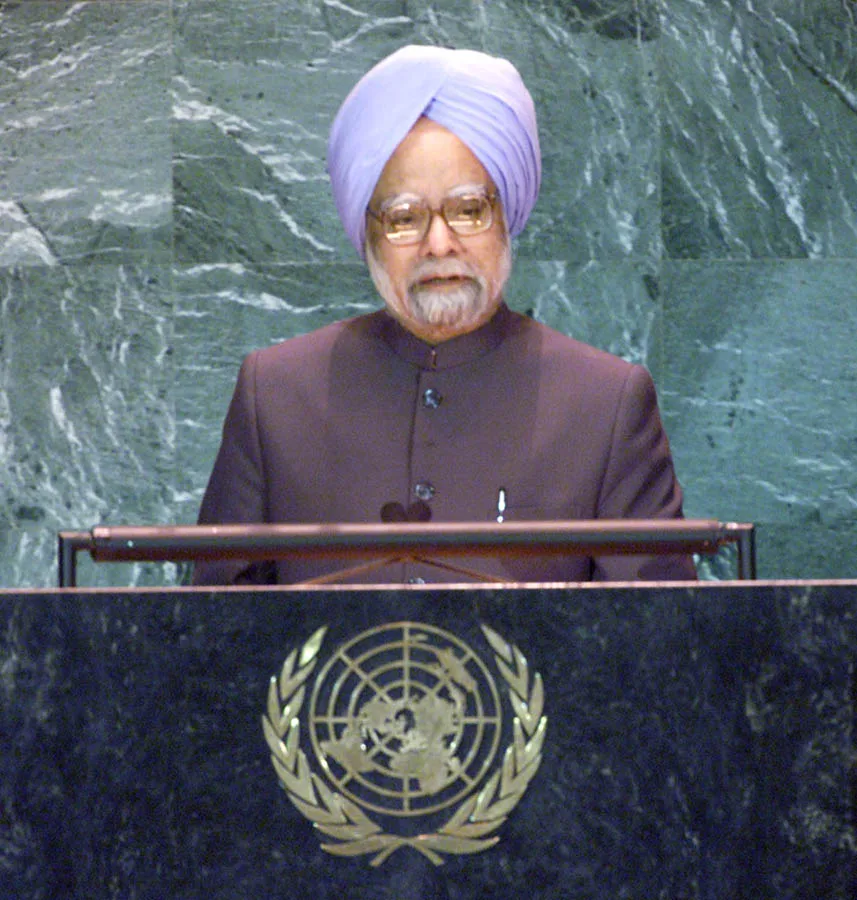
Singh was known for his modesty, honesty and soft-spoken manner, and for wearing a signature blue turban. Critics called him a weak Prime Minister overshadowed by the Congress leadership; supporters pointed to high economic growth — averaging nearly 8 percent in his first term — and to the poverty reduction achieved during his decade in office.
Family
He married Gursharan Kaur, a historian and singer, in 1958; they had three daughters, including the historian Upinder Singh. After his death in December 2024 he was cremated with full state honours at Nigambodh Ghat in Delhi, and the government announced a memorial in his name.
Timeline
-
1932
Born in Gah, Punjab Province (now Pakistan)
-
1957
First-class degree in economics from Cambridge
-
1962
DPhil from Oxford
-
1972
Chief Economic Adviser
Ministry of Finance, until 1976.
-
1982
Governor of the Reserve Bank of India
Serves until 1985.
-
1985
Deputy Chairman of the Planning Commission
Until 1987.
-
1991
Finance Minister; enters the Rajya Sabha
Launches economic liberalisation.
-
1998
Leader of the Opposition in the Rajya Sabha
Until 2004.
-
2004
Becomes Prime Minister
Sworn in on 22 May.
-
2005
MGNREGA and Right to Information Act
Landmark rights-based legislation.
-
2008
India–US civil nuclear agreement
Survives a confidence vote over the deal.
-
2009
Re-elected
Second term as Prime Minister.
-
2013
National Food Security Act
-
2024
Retires from the Rajya Sabha; dies
Dies in New Delhi on 26 December.
-
2024
Died, aged 92
Notable works
-
1964
India’s Export Trends and Prospects for Self-Sustained Growth Book
Based on his Oxford thesis.
Awards and honours
-
Padma Vibhushan
1987 · India’s second-highest civilian honour.
In their own words
“No power on earth can stop an idea whose time has come.”
Did you know?
-
1
He was the first Prime Minister since Nehru to be re-elected after a full five-year term.
-
2
His signature appeared on Indian rupee notes during his time as RBI Governor.
-
3
He was India’s first Sikh Prime Minister.
-
4
His blue turban was a nod to his Cambridge college colours.
-
5
He served in the Rajya Sabha for 33 years.
Gallery
Connections
Related people
-
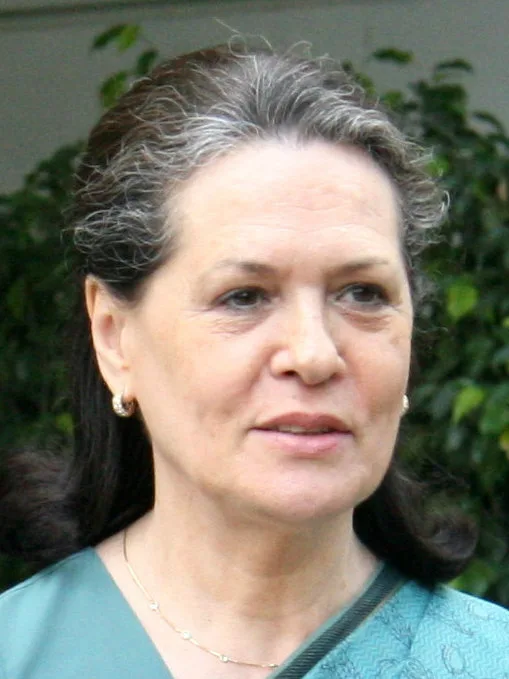 Sonia Gandhi
Politics & Leadership · Longest-serving president of the Indian National Congress
Congress president during his premiership
-
 Pranab Mukherjee
Politics & Leadership · Thirteenth President of India (2012–2017)
Cabinet colleague
-
 Atal Bihari Vajpayee
Politics & Leadership · Tenth Prime Minister of India and a founder of the Bharatiya Janata Party
Predecessor as Prime Minister
-
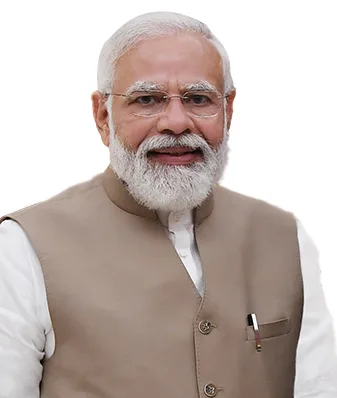 Narendra Modi
Politics & Leadership · Prime Minister of India since 2014
Successor as Prime Minister
Frequently asked
Who is Manmohan Singh?
Dr Manmohan Singh was an economist who, as Finance Minister in 1991, launched the reforms that opened up India’s economy. He went on to serve two full terms as Prime Minister, leading the United Progressive Alliance government from 2004 to 2014.
When did Manmohan Singh die?
Manmohan Singh died on 26 December 2024 at the age of 92.
Where is Manmohan Singh from?
Manmohan Singh was born in Gah, Punjab Province (now Pakistan).
What is Manmohan Singh known for?
Manmohan Singh is best known for Economic liberalisation of 1991, the India–US civil nuclear agreement, rights-based laws such as MGNREGA and RTI.
What awards has Manmohan Singh received?
Notable honours include Padma Vibhushan (1987).
Who is Manmohan Singh married to?
Spouse: Gursharan Kaur (m. 1958).
References
- Manmohan Singh — Wikipedia. Wikipedia. Retrieved 26 October 2026.
- Manmohan Singh — Britannica. Encyclopaedia Britannica. Retrieved 26 October 2026.
- Manmohan Singh — IMDb. IMDb. Retrieved 26 October 2026.
- Manmohan Singh — Hindi Wikipedia. Wikipedia (Hindi). Retrieved 26 October 2026.
- Manmohan Singh (Q41914) — structured data. Wikidata. Retrieved 26 October 2026.
About this profile
- Researched by the TrackFame editors; reviewed by Sanjay Sokal
- First published 26 October 2026
- Last updated
Cite this page
“Manmohan Singh.” TrackFame, last updated 26 October 2026. https://trackfame.com/person/manmohan-singh
Discussion 0
Sign in or create an account to join the discussion.
No comments yet — be the first.
More in Politics & Leadership
 Politics & Leadership
Mahatma Gandhi
Leader of India’s independence movement and pioneer of non-violent resistance
1869 – 1948
 Politics & Leadership
Rajiv Gandhi
Sixth Prime Minister of India (1984–1989)
1944 – 1991
 Politics & Leadership
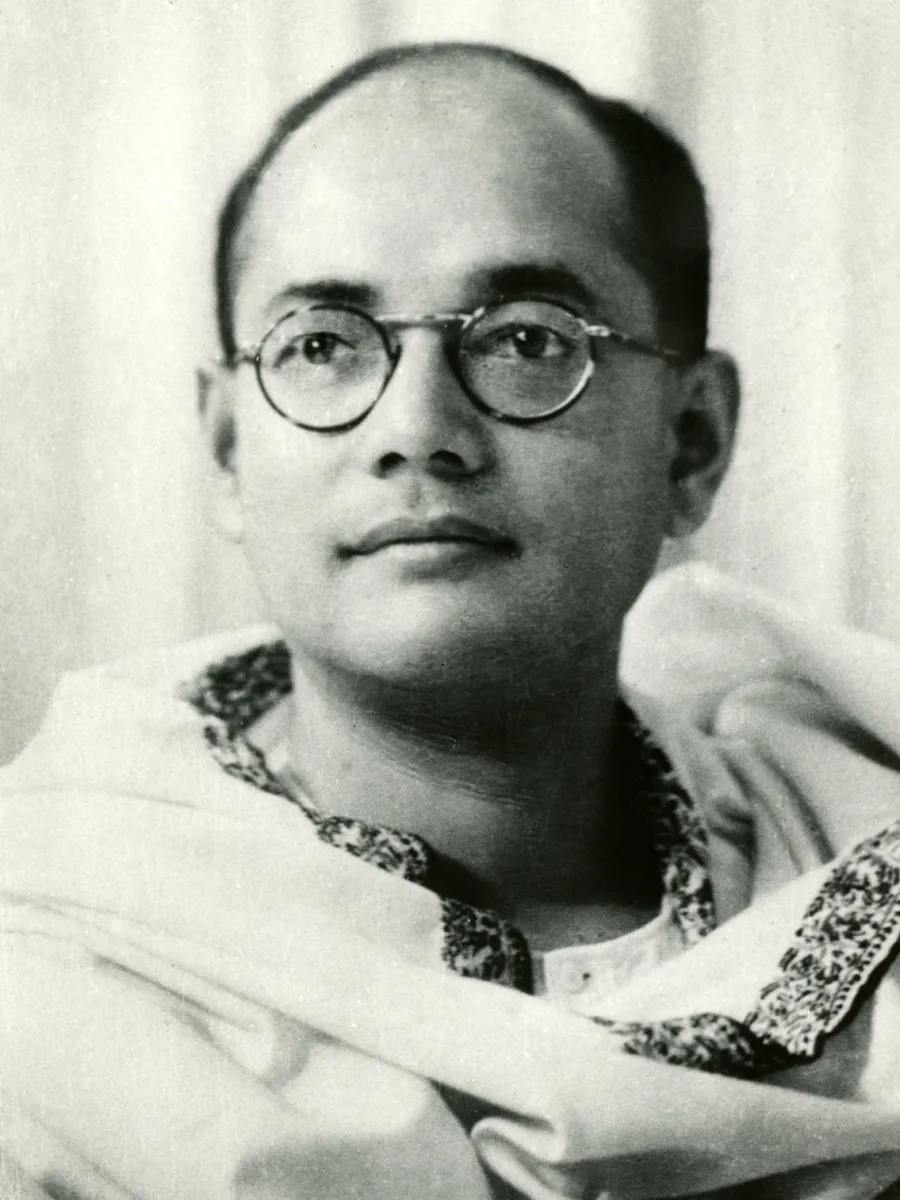
Subhas Chandra Bose
Freedom fighter and leader of the Indian National Army
1897 – 1945
 Politics & Leadership
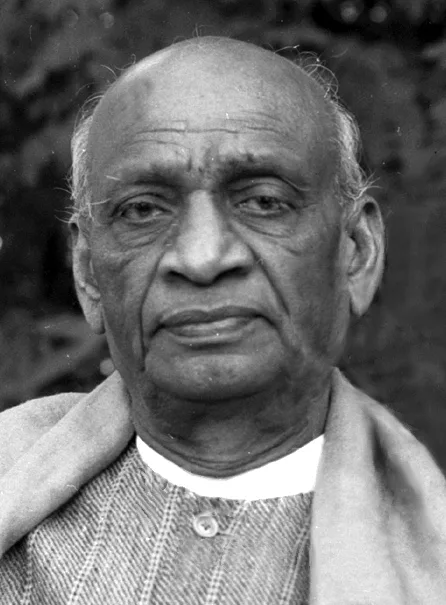
Vallabhbhai Patel
First Deputy Prime Minister and Home Minister of India
1875 – 1950
 Politics & Leadership
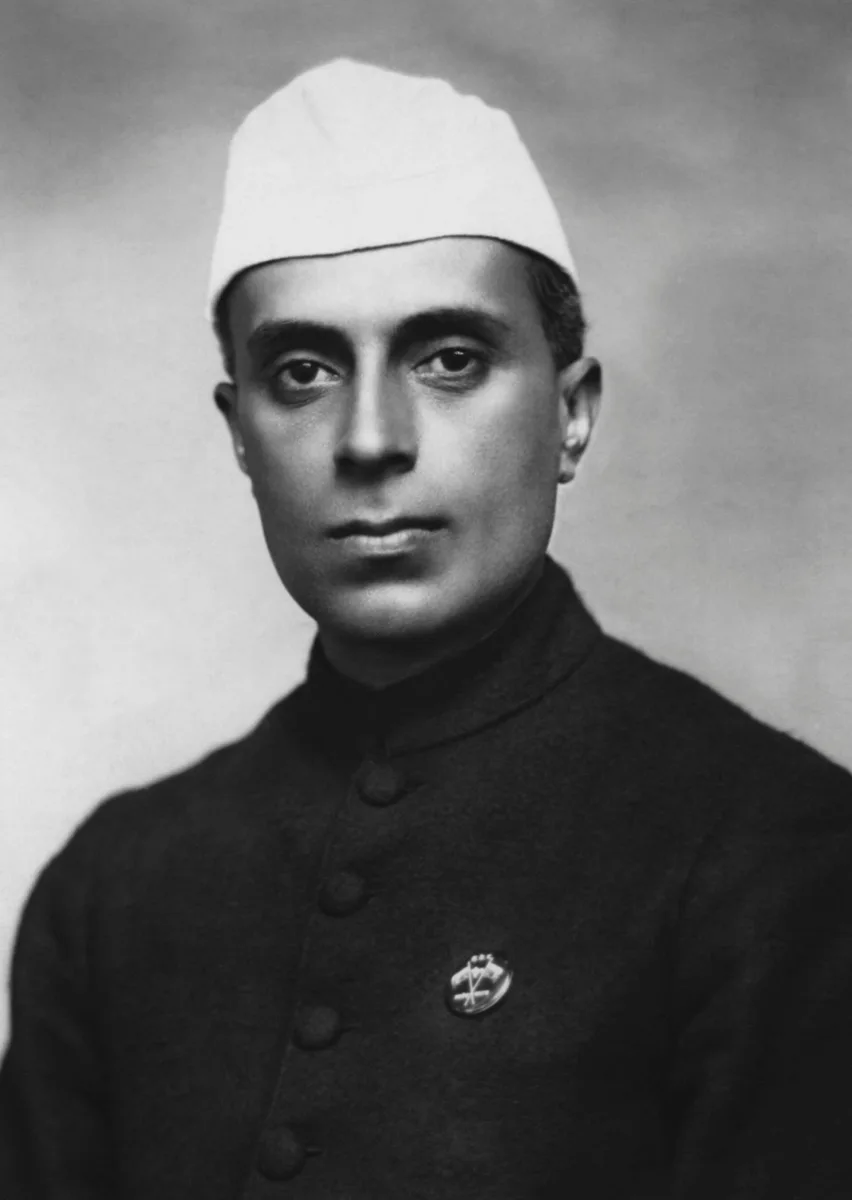
Jawaharlal Nehru
First Prime Minister of India (1947–1964)
1889 – 1964
 Politics & Leadership
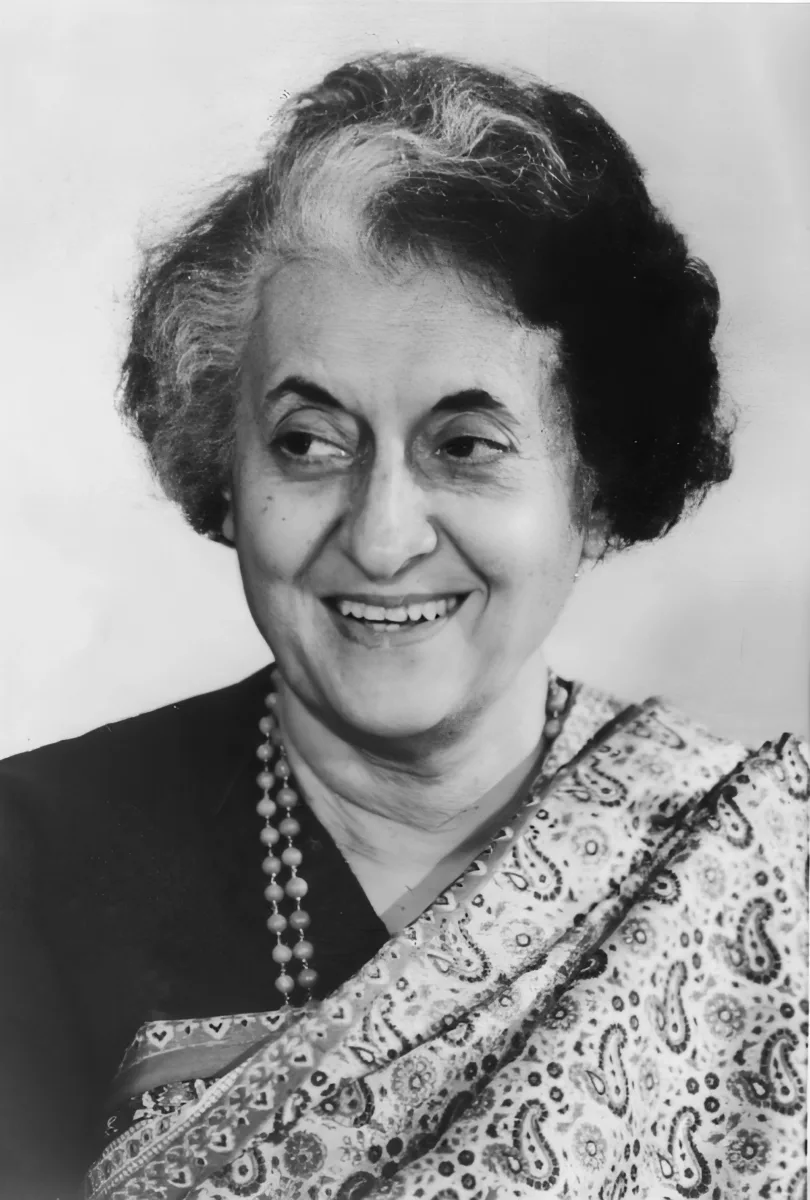
Indira Gandhi
Third Prime Minister of India and the only woman to hold the office
1917 – 1984