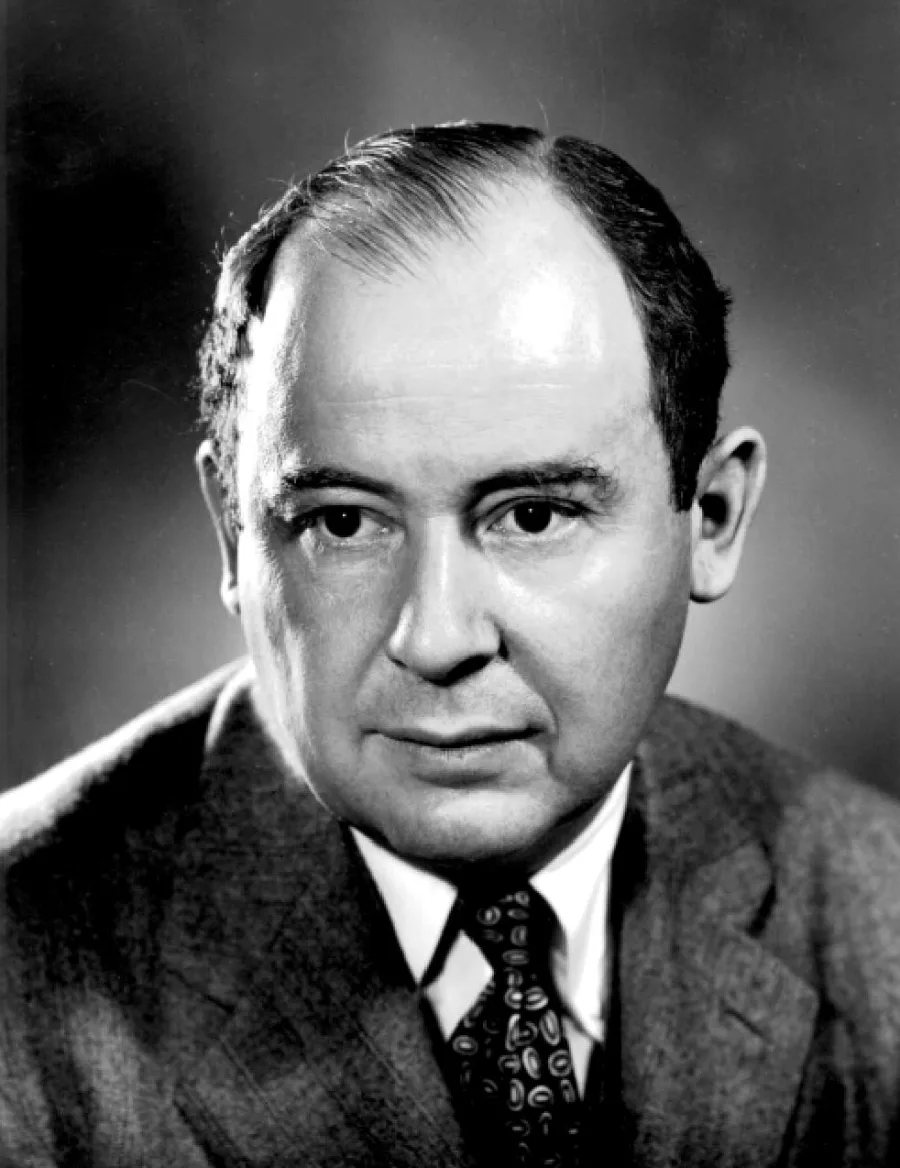
John von Neumann
Hungarian-American mathematician who defined the architecture of modern computers
- Lived
- 53 yrs
- 1903 – 1957
- Works listed
- 3
- Book, Report
- Honours
- 4
- Most recent 1956
- Profile views
- 3
- 0 followers
John von Neumann was a Hungarian-American mathematician and physicist whose 1945 report on the EDVAC described the stored-program design used by almost all computers, known as the von Neumann architecture. He also founded game theory and contributed to quantum mechanics and the Manhattan Project.
Biography
Child prodigy
Born to a wealthy Jewish family in Budapest, von Neumann could divide eight-digit numbers in his head as a child. He earned a chemical engineering degree at ETH Zurich and a doctorate in mathematics at Budapest by the age of 22.
Mathematics and physics
He made fundamental contributions to set theory, operator theory and the mathematical foundations of quantum mechanics. In 1928 he proved the minimax theorem and, with Oskar Morgenstern, wrote Theory of Games and Economic Behavior (1944), founding game theory. He joined the Institute for Advanced Study in Princeton in 1933.
The computer
Consulting on the ENIAC project, he wrote the 1945 “First Draft of a Report on the EDVAC”, describing a computer that stores its program in the same memory as its data. This von Neumann architecture became the blueprint for computers worldwide. He built the IAS machine at Princeton and pioneered numerical weather prediction and cellular automata.
War and government
He worked on the Manhattan Project, including the implosion design of the plutonium bomb, and later served on the US Atomic Energy Commission. He died of cancer in 1957 aged 53.
Timeline
-
1903
Born in Budapest, Austria-Hungary
-
1926
Doctorate in mathematics, Budapest
-
1928
Minimax theorem
-
1932
Mathematical Foundations of Quantum Mechanics
-
1933
Joins the Institute for Advanced Study
-
1944
Theory of Games and Economic Behavior
-
1945
EDVAC report
-
1952
IAS machine completed
-
1957
Dies in Washington
-
1957
Died, aged 53
Notable works
-
1932
Mathematical Foundations of Quantum Mechanics Book
-
1944
Theory of Games and Economic Behavior Book
With Oskar Morgenstern.
-
1945
First Draft of a Report on the EDVAC Report
Awards and honours
-
Bôcher Memorial Prize
1938
-
Medal for Merit
1947
-
Enrico Fermi Award
1956
-
Medal of Freedom
1956
Did you know?
-
1
Colleagues joked that he was a demigod who had studied humans in order to imitate them.
-
2
He designed a theoretical self-reproducing machine, the universal constructor.
-
3
He loved loud German marching music and fast, reckless driving.
Connections
Related people
-
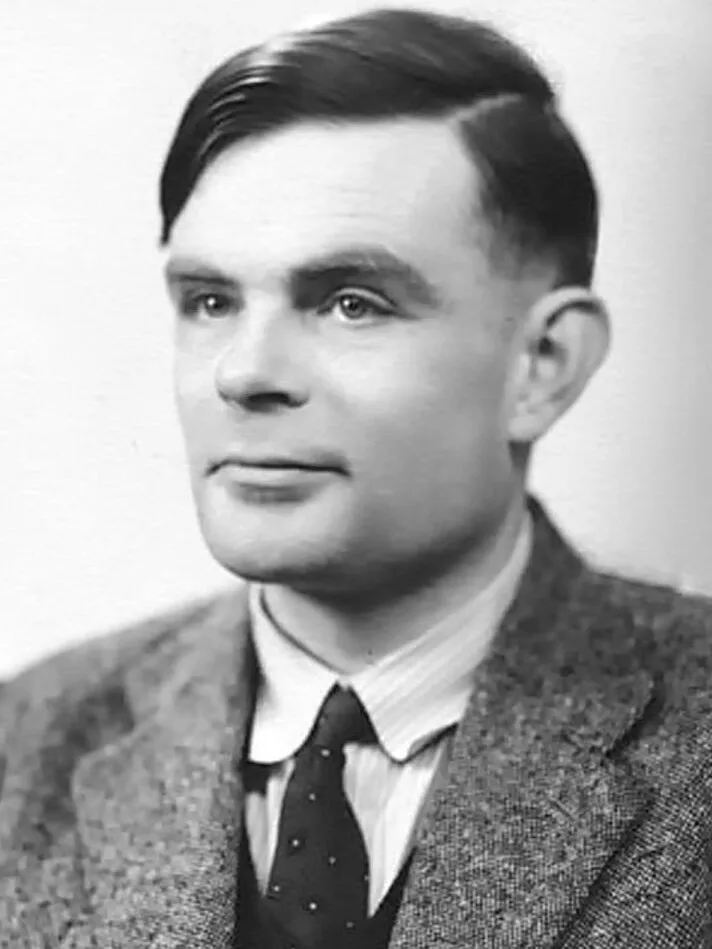 Alan Turing
Science · Mathematician who founded computer science and helped break the Enigma code
Princeton contemporary
-
 J. Presper Eckert
Technology · Co-inventor of ENIAC and UNIVAC, the first general-purpose electronic computers in the US
ENIAC/EDVAC engineer
-
 John Mauchly
Science · Physicist who conceived ENIAC and co-founded the first computer company
ENIAC/EDVAC engineer
Also born on 28 December
-
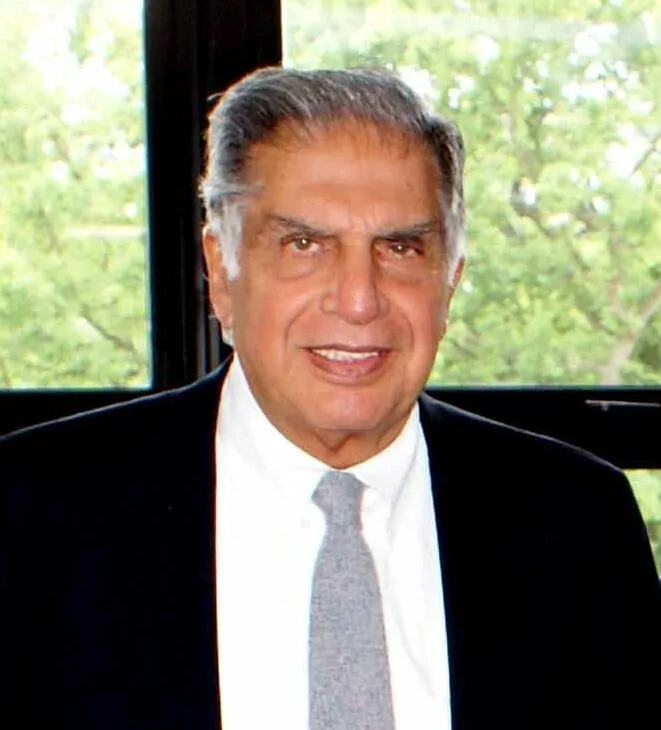 Ratan Tata
Business · Chairman of Tata Sons (1991–2012) who made the Tata Group global
1937
-
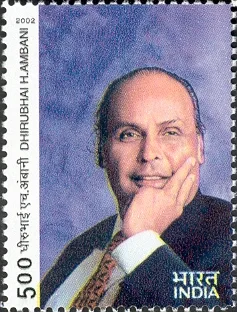 Dhirubhai Ambani
Business · Founder of Reliance Industries
1932
-
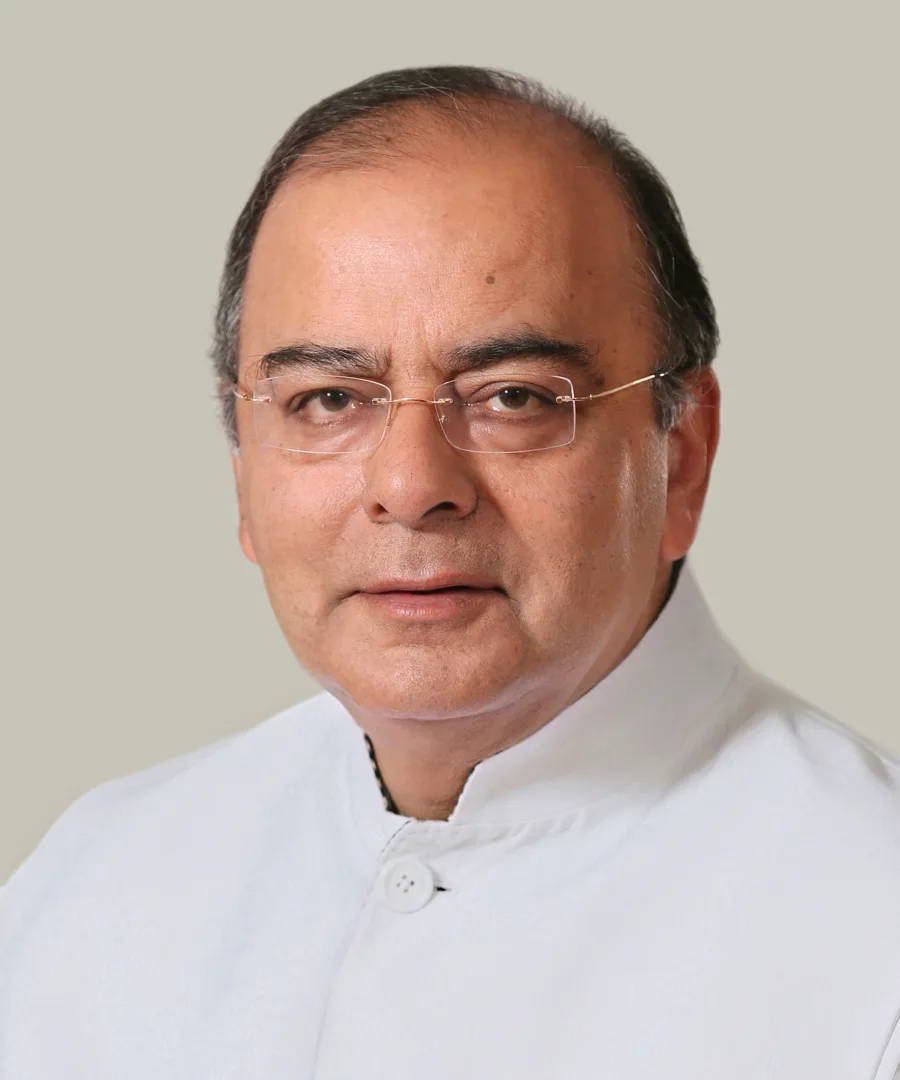 Arun Jaitley
Politics & Leadership · Former Finance Minister of India (2014–2019) and senior advocate
1952
-
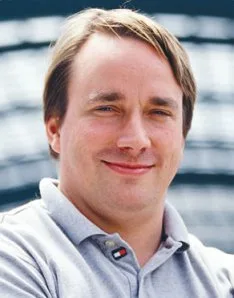 Linus Torvalds
Technology · Finnish-American creator of the Linux kernel and Git
1969
Frequently asked
Who is John von Neumann?
John von Neumann was a Hungarian-American mathematician and physicist whose 1945 report on the EDVAC described the stored-program design used by almost all computers, known as the von Neumann architecture. He also founded game theory and contributed to quantum mechanics and the Manhattan Project.
When did John von Neumann die?
John von Neumann died on 8 February 1957 at the age of 53.
Where is John von Neumann from?
John von Neumann was born in Budapest, Austria-Hungary.
What is John von Neumann known for?
John von Neumann is best known for Von Neumann architecture; game theory; the Manhattan Project; quantum mechanics.
What awards has John von Neumann received?
Notable honours include Bôcher Memorial Prize (1938), Medal for Merit (1947), Enrico Fermi Award (1956), Medal of Freedom (1956).
References
- John von Neumann — Wikipedia. Wikipedia. Retrieved 4 November 2026.
- John von Neumann — Britannica. Encyclopaedia Britannica. Retrieved 4 November 2026.
- John von Neumann — IMDb. IMDb. Retrieved 4 November 2026.
- John von Neumann — Goodreads author page. Goodreads. Retrieved 4 November 2026.
- John von Neumann — Hindi Wikipedia. Wikipedia (Hindi). Retrieved 4 November 2026.
- John von Neumann (Q17455) — structured data. Wikidata. Retrieved 4 November 2026.
Includes material from the Wikipedia article “John von Neumann”, licensed under CC BY-SA 4.0. That text is available under the same licence. Learn more
External links
About this profile
- Researched by the TrackFame editorial team; reviewed by Sanjay Sokal under our editorial policy
- First published 4 November 2026
- Last updated
Cite this page
“John von Neumann.” TrackFame, last updated 5 November 2026. https://trackfame.com/person/john-von-neumann
Discussion 0
Sign in or create an account to join the discussion.
No comments yet — be the first.
More in Science
 Science
Nikola Tesla
Serbian-American inventor of the alternating-current induction motor
1856 – 1943
 Science
M. Visvesvaraya
Engineer and statesman, whose birthday is India’s Engineers’ Day
1860 – 1962
 Science
Michael Faraday
Self-taught scientist who discovered electromagnetic induction
1791 – 1867
 Science
Konrad Zuse
German engineer who built the first working programmable computer
1910 – 1995
Science
John Mauchly
Physicist who conceived ENIAC and co-founded the first computer company
1907 – 1980
Science
Alan Turing
Mathematician who founded computer science and helped break the Enigma code
1912 – 1954