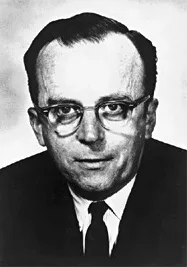
J. C. R. Licklider
Psychologist who imagined the “Intergalactic Computer Network” and funded the research behind the internet
- Lived
- 75 yrs
- 1915 – 1990
- Works listed
- 2
- Paper
- Honours
- 1
- Most recent 2013
- Profile views
- 2
- 0 followers
J. C. R. Licklider was an American psychologist and computer scientist whose ideas about interactive computing and global networks inspired the ARPANET. As the first director of ARPA’s Information Processing Techniques Office he funded research that led to time-sharing, graphics and the internet.
Biography
Psychoacoustics
Licklider studied physics, mathematics and psychology at Washington University in St. Louis and earned his PhD in psychology at the University of Rochester. He researched how people hear at Harvard and MIT.
Man-Computer Symbiosis
Working at BBN, he wrote the 1960 paper “Man-Computer Symbiosis”, imagining people and computers cooperating in real time on problems — a radical idea when computers were used only in batch mode.
ARPA
In 1962 he became the first director of ARPA’s Information Processing Techniques Office. He funded time-sharing at MIT, Berkeley and elsewhere and, in memos to the “Members and Affiliates of the Intergalactic Computer Network”, described linking computers across the country.
Legacy
His successors, including Robert Taylor and Larry Roberts, built the ARPANET from his vision. He returned to MIT and died in 1990.
Timeline
-
1915
Born in St. Louis, Missouri, United States
-
1942
PhD in psychology from Rochester
-
1957
Joins BBN
-
1960
Man-Computer Symbiosis
-
1962
Heads ARPA’s IPTO
-
1963
Intergalactic Computer Network memo
-
1968
The Computer as a Communication Device
-
1990
Dies
-
1990
Died, aged 75
Notable works
-
1960
Man-Computer Symbiosis Paper
-
1968
The Computer as a Communication Device Paper
With Robert Taylor.
Awards and honours
-
Internet Hall of Fame
2013
Did you know?
-
1
Colleagues called him “Lick”.
-
2
He predicted online communities in 1968.
-
3
He was trained as a psychologist, not an engineer.
Connections

Frequently asked
Who is J. C. R. Licklider?
J. C. R. Licklider was an American psychologist and computer scientist whose ideas about interactive computing and global networks inspired the ARPANET. As the first director of ARPA’s Information Processing Techniques Office he funded research that led to time-sharing, graphics and the internet.
When did J. C. R. Licklider die?
J. C. R. Licklider died on 26 June 1990 at the age of 75.
Where is J. C. R. Licklider from?
J. C. R. Licklider was born in St. Louis, Missouri, United States.
What is J. C. R. Licklider known for?
J. C. R. Licklider is best known for “Man-Computer Symbiosis” (1960); first head of ARPA’s computing office; vision of networked computing.
What awards has J. C. R. Licklider received?
Notable honours include Internet Hall of Fame (2013).
References
- J. C. R. Licklider — Wikipedia. Wikipedia. Retrieved 4 November 2026.
- J. C. R. Licklider — Britannica. Encyclopaedia Britannica. Retrieved 4 November 2026.
- J. C. R. Licklider (Q92778) — structured data. Wikidata. Retrieved 4 November 2026.
Includes material from the Wikipedia article “J. C. R. Licklider”, licensed under CC BY-SA 4.0. That text is available under the same licence. Learn more
External links
About this profile
- Researched by the TrackFame editorial team; reviewed by Sanjay Sokal under our editorial policy
- First published 4 November 2026
- Last updated
Cite this page
“J. C. R. Licklider.” TrackFame, last updated 5 November 2026. https://trackfame.com/person/jcr-licklider
Discussion 0
Sign in or create an account to join the discussion.
No comments yet — be the first.
More in Science
 Science
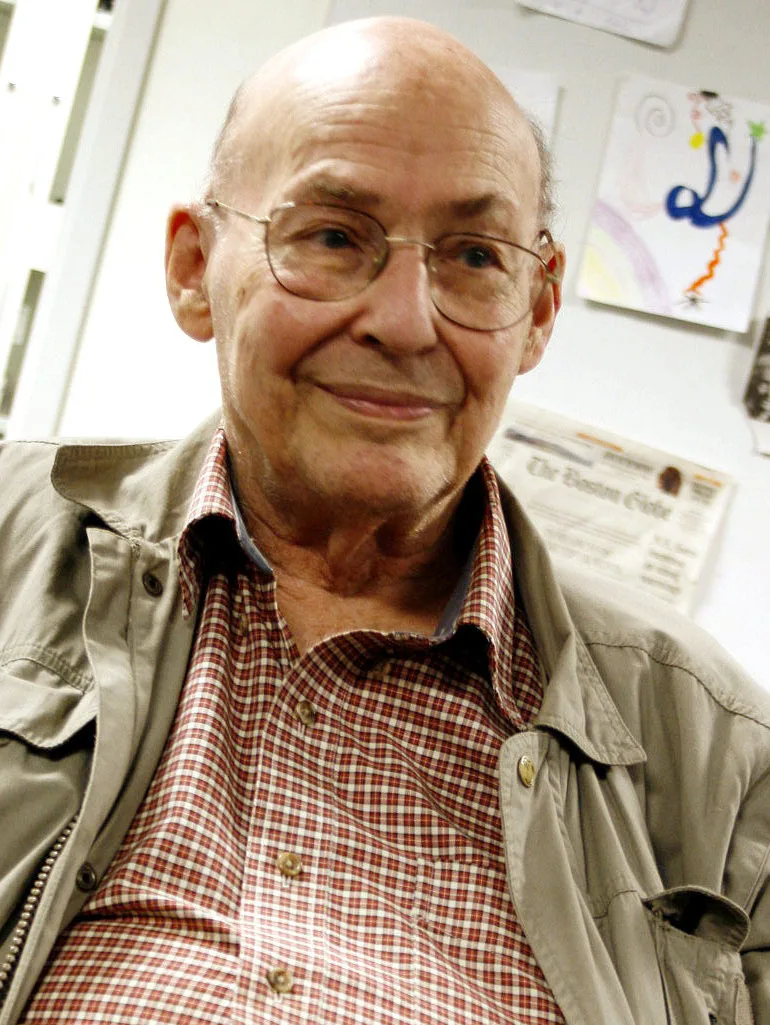
Marvin Minsky
Co-founder of MIT’s artificial intelligence laboratory and a founding father of AI
1927 – 2016
 Science
Margaret Hamilton
MIT engineer who led the software for the Apollo Moon landings and coined “software engineering”
1936 – 2026
 Science
Yann LeCun
French-American AI pioneer who invented convolutional neural networks
Born 1959
 Science
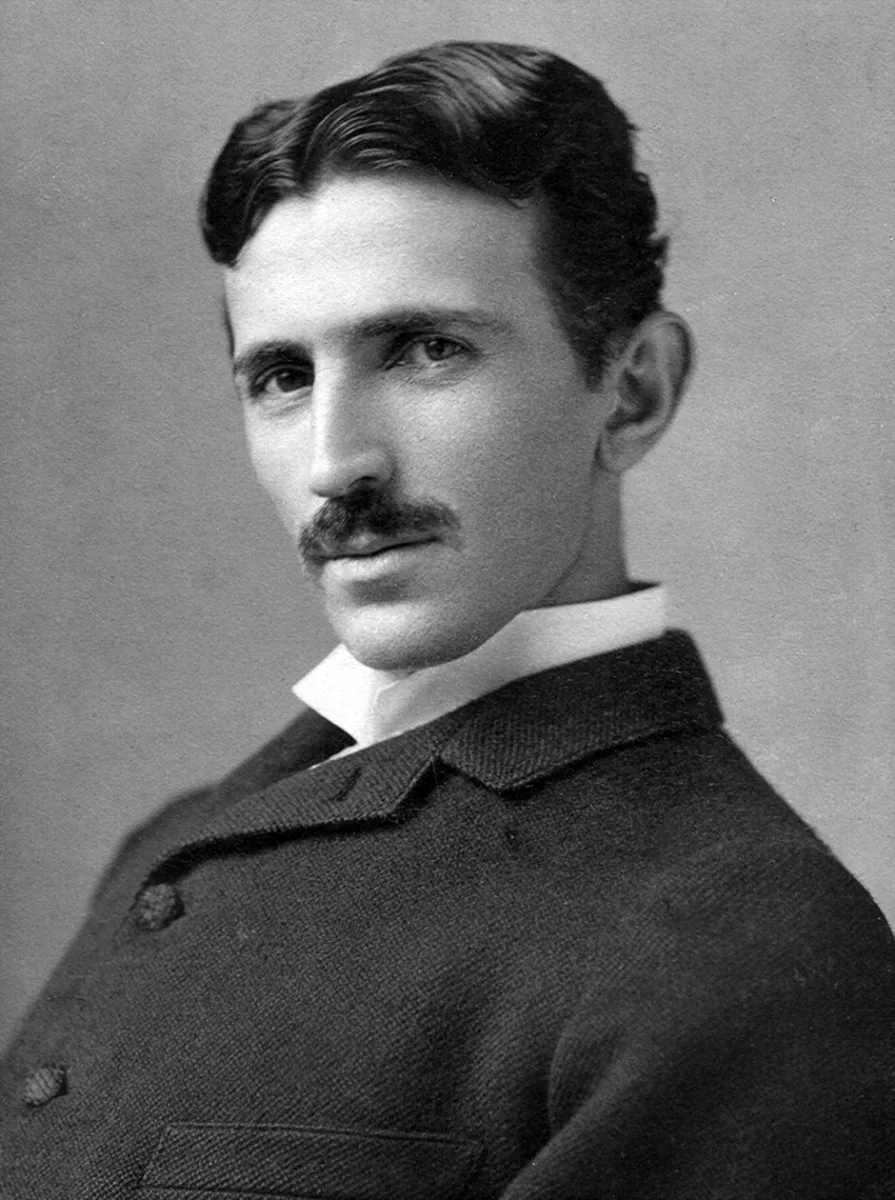
Nikola Tesla
Serbian-American inventor of the alternating-current induction motor
1856 – 1943
 Science
M. Visvesvaraya
Engineer and statesman, whose birthday is India’s Engineers’ Day
1860 – 1962
 Science
Michael Faraday
Self-taught scientist who discovered electromagnetic induction
1791 – 1867