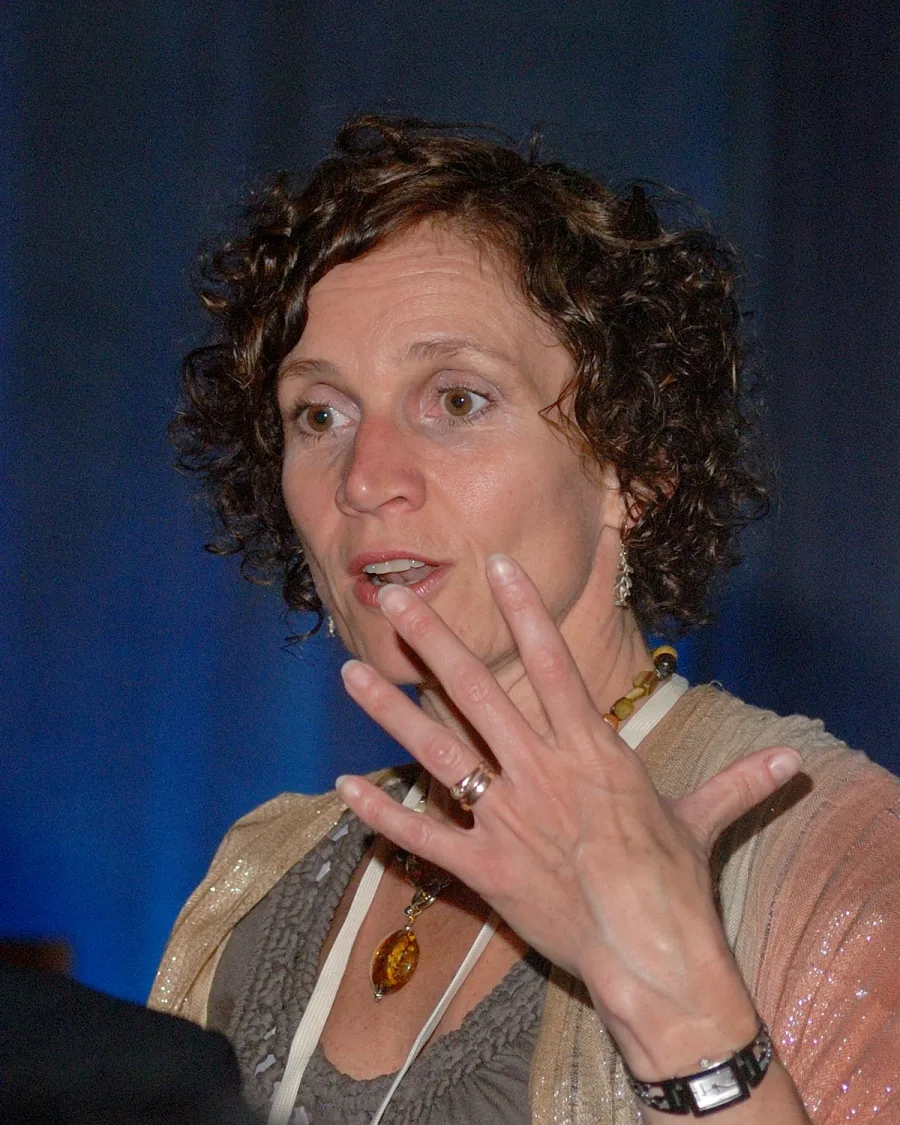
Barbara Liskov
MIT computer scientist known for data abstraction and the Liskov substitution principle
- Age
- 86 yrs
- Birthday in 1 days
- Works listed
- 3
- Programming language, Keynote paper
- Honours
- 3
- Most recent 2012
- Profile views
- 3
- 0 followers
Barbara Liskov is an American computer scientist at MIT whose work on data abstraction and the CLU language shaped how modern software is organised. The Liskov substitution principle is a core rule of object-oriented design. She received the Turing Award in 2008.
Biography
Education
Liskov studied mathematics at Berkeley. In 1968 she became one of the first women in the United States to earn a PhD in computer science, at Stanford, with a thesis on a chess program supervised by John McCarthy.
Data abstraction and CLU
At MIT in the 1970s she designed CLU, a language built around abstract data types — modules that hide their internal details behind a clean interface. CLU introduced ideas such as iterators and exception handling later adopted by Java, C# and Python.
Substitution principle
In a 1987 keynote she described the rule that objects of a subtype should be usable wherever their parent type is expected. Known as the Liskov substitution principle, it is the “L” in the SOLID principles of software design.
Distributed systems
She later worked on fault-tolerant distributed systems, including Practical Byzantine Fault Tolerance with Miguel Castro in 1999, which influenced blockchain designs. She received the Turing Award in 2008 and the IEEE John von Neumann Medal in 2004.
Timeline
-
1939
Born in Los Angeles, California, United States
-
1968
PhD from Stanford
-
1972
Joins MIT
-
1974
CLU language
-
1987
Substitution principle keynote
-
1999
Practical Byzantine Fault Tolerance
-
2004
IEEE John von Neumann Medal
-
2008
Turing Award
Notable works
-
1974
CLU Programming language
-
1987
Data Abstraction and Hierarchy Keynote paper
-
1999
Practical Byzantine Fault Tolerance Paper
With Miguel Castro.
Awards and honours
-
IEEE John von Neumann Medal
2004
-
Turing Award
2008
-
National Inventors Hall of Fame
2012
Did you know?
-
1
She was the second woman to win the Turing Award.
-
2
Her PhD thesis was about chess endgames.
-
3
Byzantine fault tolerance ideas from her work are used in some cryptocurrencies.
Connections
Also born on 7 November
-
 C. V. Raman
Science · Physicist; Nobel laureate who discovered the Raman effect
1888
-
 Kamal Haasan
Film & TV · Actor, filmmaker and politician known for daring roles in Tamil cinema
1954
- Hiroshi Yamauchi Technology · Nintendo president who turned a playing-card firm into a video-game giant 1927
-
 Lisa Su
Technology · CEO of AMD who led one of the great turnarounds in the chip industry
1969
Frequently asked
Who is Barbara Liskov?
Barbara Liskov is an American computer scientist at MIT whose work on data abstraction and the CLU language shaped how modern software is organised. The Liskov substitution principle is a core rule of object-oriented design. She received the Turing Award in 2008.
How old is Barbara Liskov?
Barbara Liskov is 86 years old, born on 7 November 1939 in Los Angeles, California, United States.
Where is Barbara Liskov from?
Barbara Liskov was born in Los Angeles, California, United States.
What is Barbara Liskov known for?
Barbara Liskov is best known for Data abstraction; CLU language; Liskov substitution principle; Turing Award 2008.
What awards has Barbara Liskov received?
Notable honours include IEEE John von Neumann Medal (2004), Turing Award (2008), National Inventors Hall of Fame (2012).
References
- Barbara Liskov — Wikipedia. Wikipedia. Retrieved 4 November 2026.
- Barbara Liskov — Britannica. Encyclopaedia Britannica. Retrieved 4 November 2026.
- Barbara Liskov — Hindi Wikipedia. Wikipedia (Hindi). Retrieved 4 November 2026.
- Official website. www.pmg.csail.mit.edu. Retrieved 4 November 2026.
- Barbara Liskov (Q16080922) — structured data. Wikidata. Retrieved 4 November 2026.
Includes material from the Wikipedia article “Barbara Liskov”, licensed under CC BY-SA 4.0. That text is available under the same licence. Learn more
External links
About this profile
- Researched by the TrackFame editorial team; reviewed by Sanjay Sokal under our editorial policy
- First published 4 November 2026
- Last updated
Cite this page
“Barbara Liskov.” TrackFame, last updated 5 November 2026. https://trackfame.com/person/barbara-liskov
Discussion 0
Sign in or create an account to join the discussion.
No comments yet — be the first.
More in Science
 Science
Marvin Minsky
Co-founder of MIT’s artificial intelligence laboratory and a founding father of AI
1927 – 2016
 Science
Margaret Hamilton
MIT engineer who led the software for the Apollo Moon landings and coined “software engineering”
1936 – 2026
 Science
Yann LeCun
French-American AI pioneer who invented convolutional neural networks
Born 1959
 Science
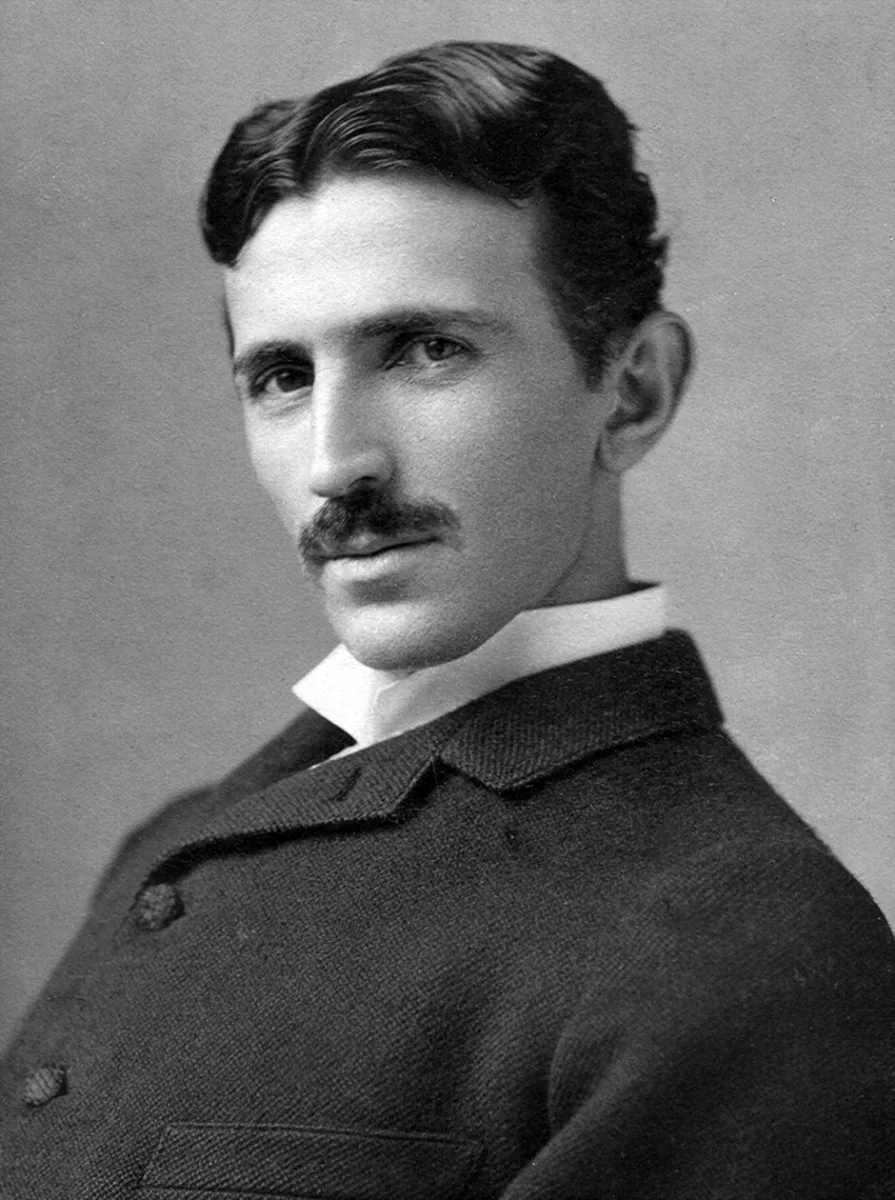
Nikola Tesla
Serbian-American inventor of the alternating-current induction motor
1856 – 1943
 Science
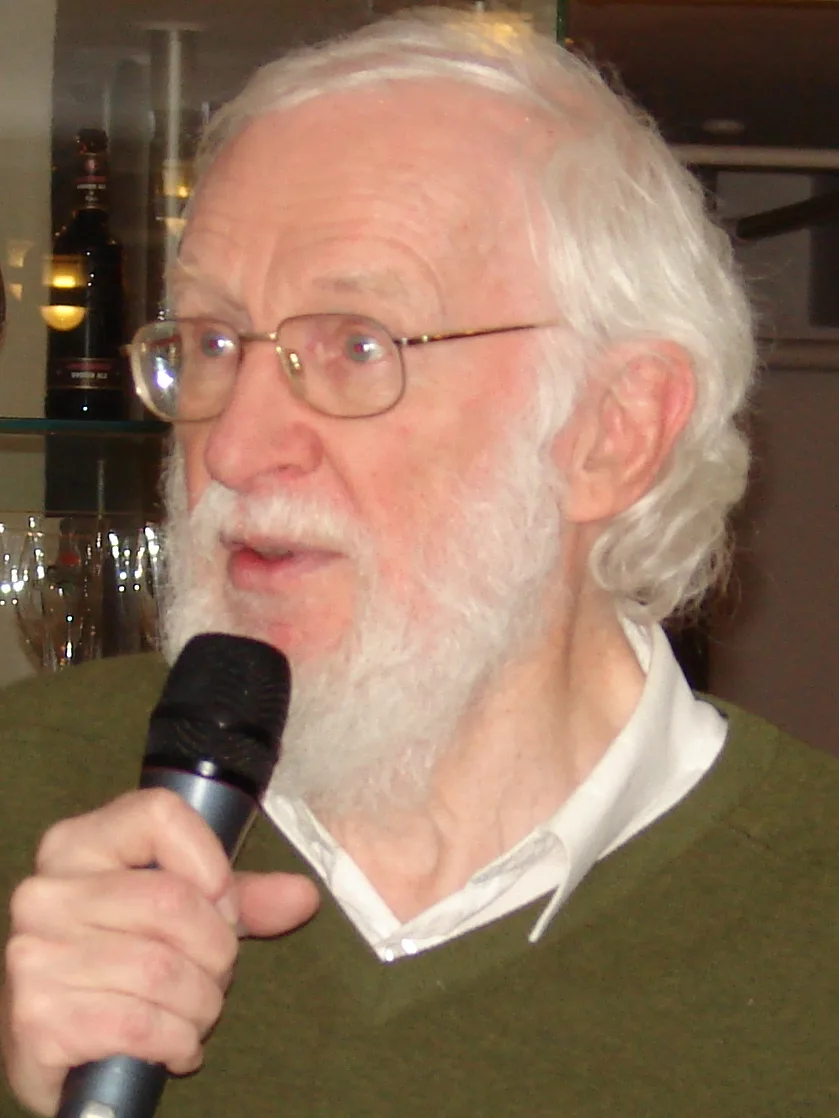
Peter Naur
Danish computer scientist who edited the ALGOL 60 report and refined Backus–Naur form
1928 – 2016
 Science
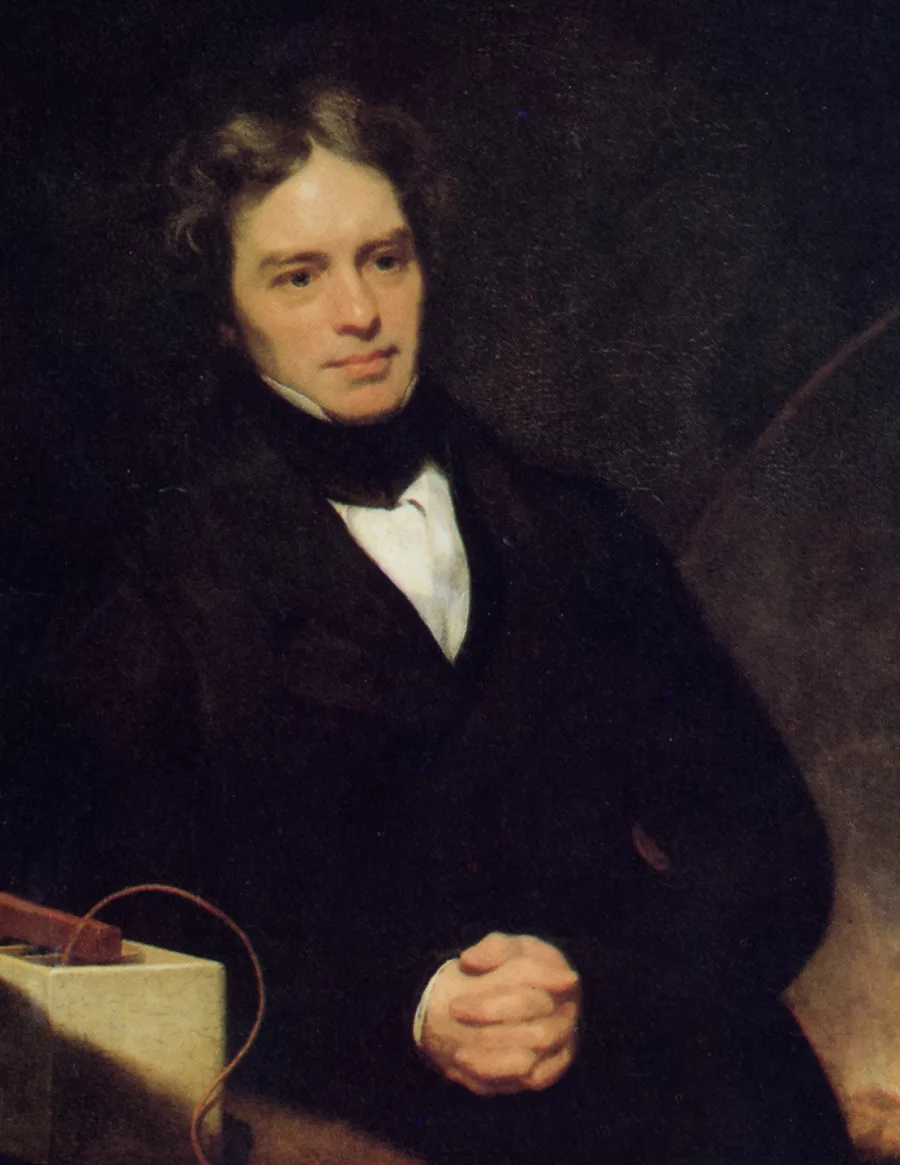
Michael Faraday
Self-taught scientist who discovered electromagnetic induction
1791 – 1867