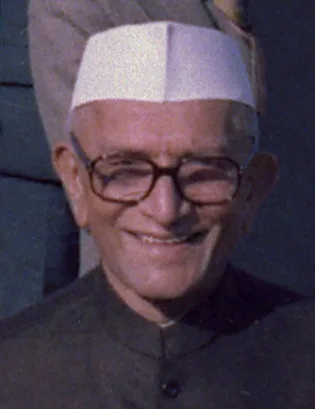
Morarji Desai
Fourth Prime Minister of India and the first from outside the Congress
- Lived
- 99 yrs
- 1896 – 1995
- Works listed
- 0
- Career highlights
- Honours
- 2
- Most recent 1991
- Profile views
- 1
- 0 followers
Morarji Desai was a Gandhian freedom fighter, administrator and finance minister who in 1977, at the age of 81, became India’s first Prime Minister from outside the Indian National Congress, heading the Janata Party government formed after the Emergency.
Biography
Civil servant to freedom fighter
Desai graduated from Wilson College, Bombay, and joined the provincial civil service as a deputy collector. He resigned in 1930 to join Gandhi’s civil disobedience movement and spent several years in prison during the freedom struggle.
Administrator and finance minister
He served as Chief Minister of Bombay State from 1952 to 1956 and then in Nehru’s cabinet, notably as Finance Minister. Under Indira Gandhi he was Deputy Prime Minister and Finance Minister from 1967 until 1969, when he left the government over her nationalisation of banks. In all he presented ten Union budgets, a record.
Janata Prime Minister
Desai was jailed during the Emergency. When it ended, the newly formed Janata Party won the 1977 general election and he became Prime Minister on 24 March 1977. His government restored civil liberties, repealed Emergency-era constitutional changes and improved relations with China and Pakistan. Internal divisions brought the coalition down in July 1979.
He later retired from politics and died in Bombay in 1995 at the age of 99.
Principles and habits
Desai was known for his austerity, strict discipline and Gandhian convictions: he spun khadi, followed a rigid diet and was an advocate of prohibition. As Chief Minister of Bombay he introduced strict prohibition laws. He openly discussed his practice of urine therapy, which drew curiosity in India and abroad.
Government record
The Janata government repealed much of the Emergency-era 42nd Amendment through the 44th Amendment, which made it harder to declare an Emergency and removed property as a fundamental right. It also restored relations with China, sought better ties with Pakistan, and set up the Mandal Commission on backward classes in 1979.
Personal beliefs
Desai was a strict Gandhian known for austerity: a teetotaller and champion of prohibition, he followed a simple diet and openly advocated urine therapy for health. He is the only Indian to have received both the Bharat Ratna (1991) and Pakistan’s highest civilian award, the Nishan-e-Pakistan (1990). He died in 1995 at the age of 99.
Timeline
-
1896
Born in Bhadeli, Bulsar district, Bombay Presidency (now Valsad, Gujarat)
-
1930
Leaves the civil service
Joins the civil disobedience movement.
-
1952
Chief Minister of Bombay State
Serves until 1956.
-
1958
Union Finance Minister
In Nehru’s cabinet.
-
1967
Deputy Prime Minister and Finance Minister
Under Indira Gandhi, until 1969.
-
1969
Leaves government over bank nationalisation
Joins Congress (O).
-
1975
Arrested during the Emergency
Released in 1977.
-
1977
Becomes Prime Minister
First non-Congress Prime Minister of India.
-
1978
44th Amendment passed
Reverses Emergency-era changes.
-
1979
Government falls
Resigns in July.
-
1979
Mandal Commission set up
-
1991
Awarded the Bharat Ratna
India’s highest civilian honour.
-
1995
Died, aged 99
Awards and honours
-
Nishan-e-Pakistan
1990 · Pakistan’s highest civilian award.
-
Bharat Ratna
1991 · India’s highest civilian honour.
Did you know?
-
1
He was born on 29 February, so his birthday came round only in leap years.
-
2
He is the only Indian to have received the highest civilian honours of both India and Pakistan.
-
3
At 81 he was the oldest person to become Prime Minister of India.
-
4
He presented 10 Union budgets, more than any other finance minister.
-
5
He was 81 when he became Prime Minister.
-
6
He lived to the age of 99.
Gallery
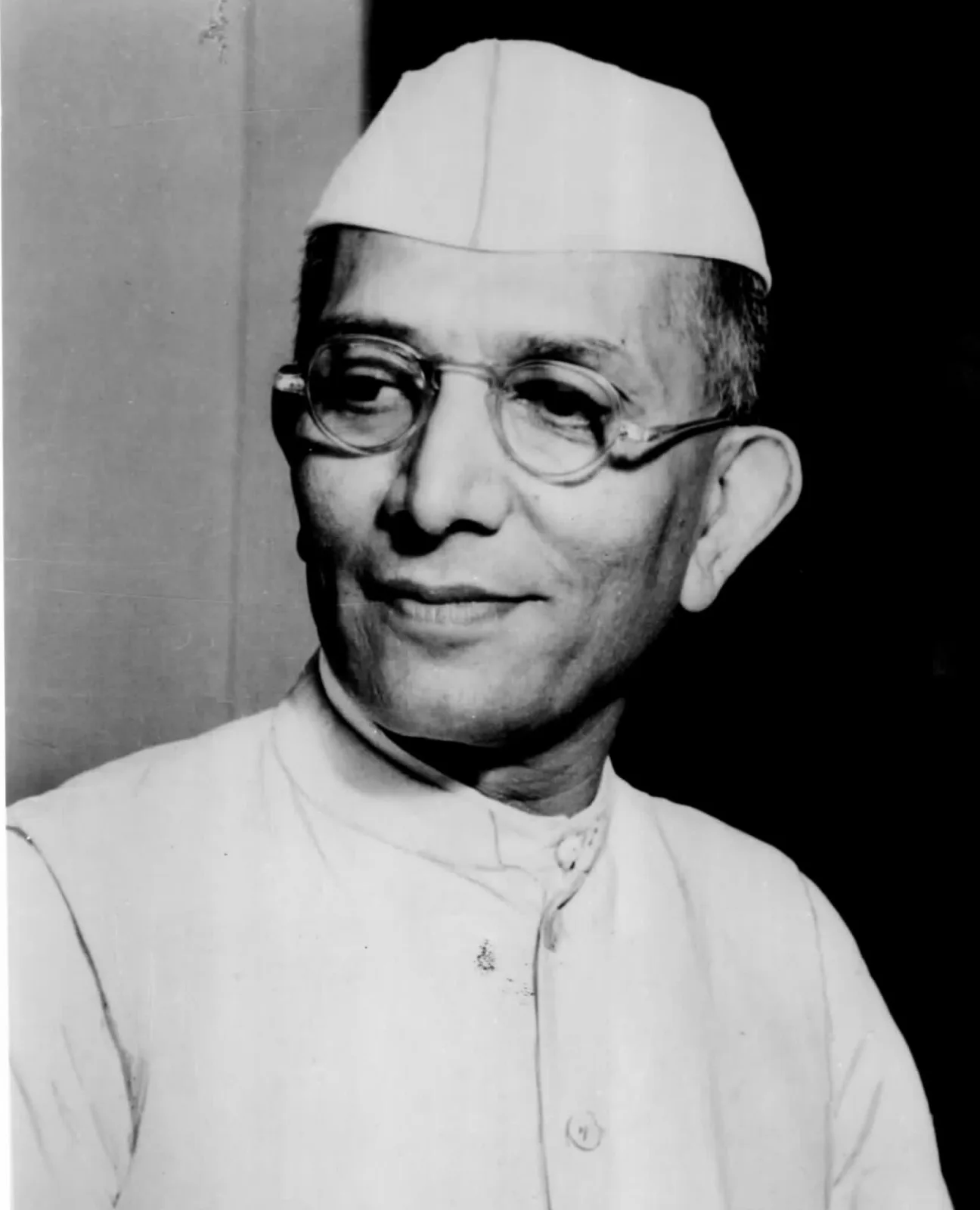
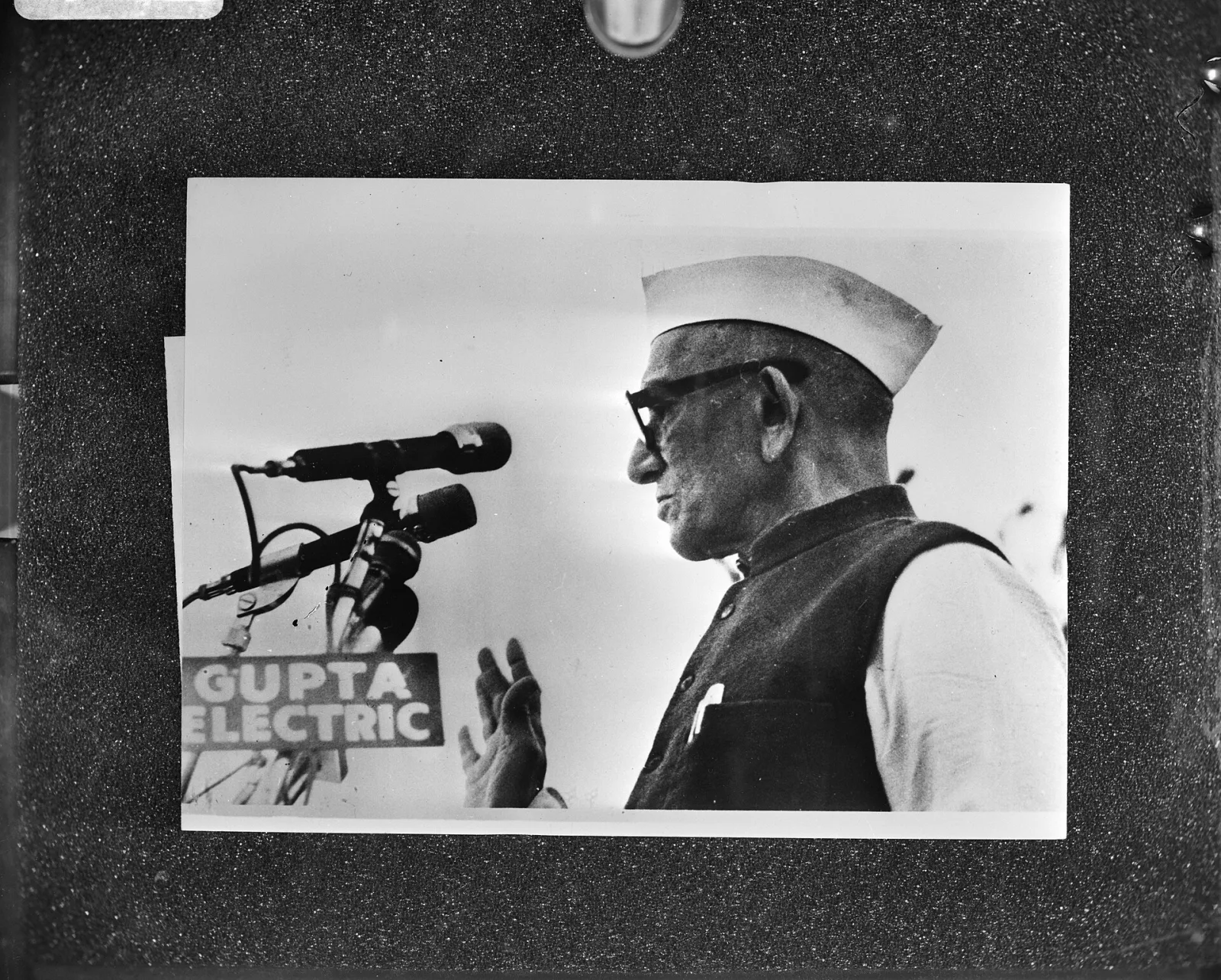
Connections
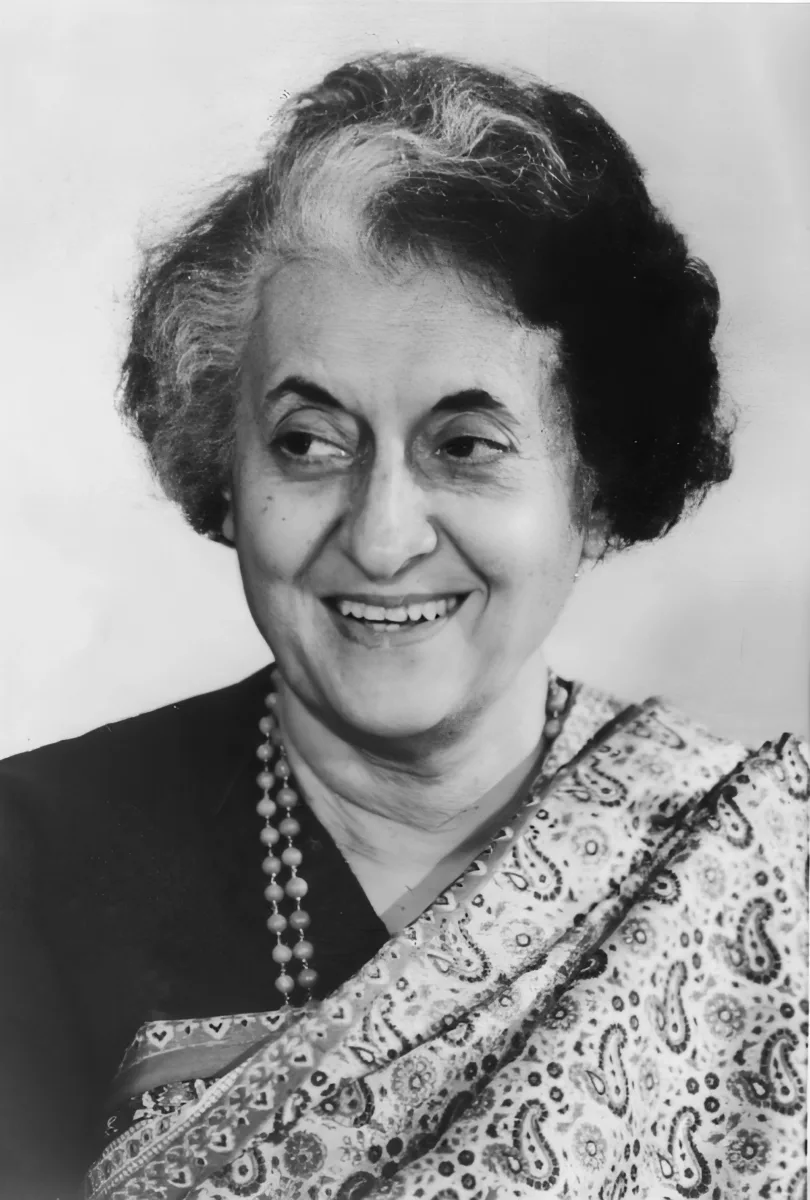
Frequently asked
Who is Morarji Desai?
Morarji Desai was a Gandhian freedom fighter, administrator and finance minister who in 1977, at the age of 81, became India’s first Prime Minister from outside the Indian National Congress, heading the Janata Party government formed after the Emergency.
When did Morarji Desai die?
Morarji Desai died on 10 April 1995 at the age of 99.
Where is Morarji Desai from?
Morarji Desai was born in Bhadeli, Bulsar district, Bombay Presidency (now Valsad, Gujarat).
What is Morarji Desai known for?
Morarji Desai is best known for Leading the Janata Party government (1977–1979); presenting ten Union budgets.
What awards has Morarji Desai received?
Notable honours include Nishan-e-Pakistan (1990), Bharat Ratna (1991).
Who is Morarji Desai married to?
Spouse: Gujraben Desai.
References
- Morarji Desai — Wikipedia. Wikipedia. Retrieved 26 October 2026.
- Morarji Desai — Britannica. Encyclopaedia Britannica. Retrieved 26 October 2026.
- Morarji Desai — IMDb. IMDb. Retrieved 26 October 2026.
- Morarji Desai — Hindi Wikipedia. Wikipedia (Hindi). Retrieved 26 October 2026.
- Morarji Desai (Q218661) — structured data. Wikidata. Retrieved 26 October 2026.
External links
About this profile
- Researched by the TrackFame editors; reviewed by Sanjay Sokal
- First published 26 October 2026
- Last updated
Cite this page
“Morarji Desai.” TrackFame, last updated 27 October 2026. https://trackfame.com/person/morarji-desai
Discussion 0
Sign in or create an account to join the discussion.
No comments yet — be the first.
More in Politics & Leadership
 Politics & Leadership
Subhas Chandra Bose
Freedom fighter and leader of the Indian National Army
1897 – 1945
 Politics & Leadership
Vallabhbhai Patel
First Deputy Prime Minister and Home Minister of India
1875 – 1950
 Politics & Leadership
Lal Bahadur Shastri
Second Prime Minister of India (1964–1966)
1904 – 1966
 Politics & Leadership
Manmohan Singh
Thirteenth Prime Minister of India (2004–2014) and architect of the 1991 reforms
1932 – 2024
 Politics & Leadership
Jawaharlal Nehru
First Prime Minister of India (1947–1964)
1889 – 1964
 Politics & Leadership
Mahatma Gandhi
Leader of India’s independence movement and pioneer of non-violent resistance
1869 – 1948