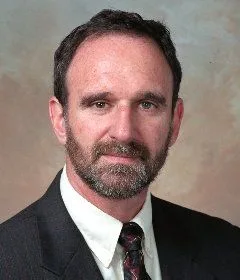
Martin Hellman
Stanford cryptographer who co-invented public-key cryptography
- Age
- 81 yrs
- Birthday in 331 days
- Works listed
- 2
- Paper, Book
- Honours
- 3
- Most recent 2015
- Profile views
- 0
- 0 followers
Martin Hellman is an American cryptographer and Stanford professor emeritus who co-invented public-key cryptography with Whitfield Diffie and Ralph Merkle. The Diffie–Hellman key exchange is used to secure internet traffic. He shared the 2015 Turing Award and has since campaigned to reduce the risk of nuclear war.
Biography
Education
Hellman studied electrical engineering at New York University and earned his PhD at Stanford in 1969. After working at IBM and MIT he returned to Stanford in 1971.
Public-key cryptography
Working with Whitfield Diffie and the student Ralph Merkle, Hellman published “New Directions in Cryptography” in 1976. The Diffie–Hellman method lets two people agree on a secret key over a public line, solving the age-old problem of key distribution.
Fighting for open research
The US National Security Agency tried to discourage publication of civilian cryptography research, and Hellman faced warnings that he could be prosecuted. He and his students published anyway, helping establish cryptography as an open academic field. He also criticised the short key length of the DES standard.
Peace work
Hellman has written and campaigned about the risks of nuclear deterrence. With his wife Dorothie he wrote A New Map for Relationships (2016) about personal and global peace. He shared the Turing Award with Diffie in 2015.
Timeline
-
1945
Born in New York City, United States
-
1969
PhD from Stanford
-
1971
Joins the Stanford faculty
-
1976
New Directions in Cryptography
-
1977
Patent for public-key cryptography filed
-
2000
Marconi Prize
-
2015
Turing Award
-
2016
A New Map for Relationships
Notable works
-
1976
New Directions in Cryptography Paper
With Whitfield Diffie.
-
2016
A New Map for Relationships Book
With Dorothie Hellman.
Awards and honours
-
Marconi Prize
2000
-
IEEE Richard W. Hamming Medal
2010
-
Turing Award
2015
Did you know?
-
1
He has suggested the scheme be called Diffie–Hellman–Merkle to credit Ralph Merkle.
-
2
He donated part of his Turing Award prize to nuclear-risk work.
-
3
He was inducted into the National Inventors Hall of Fame in 2011.
Connections
Also born on 2 October
-
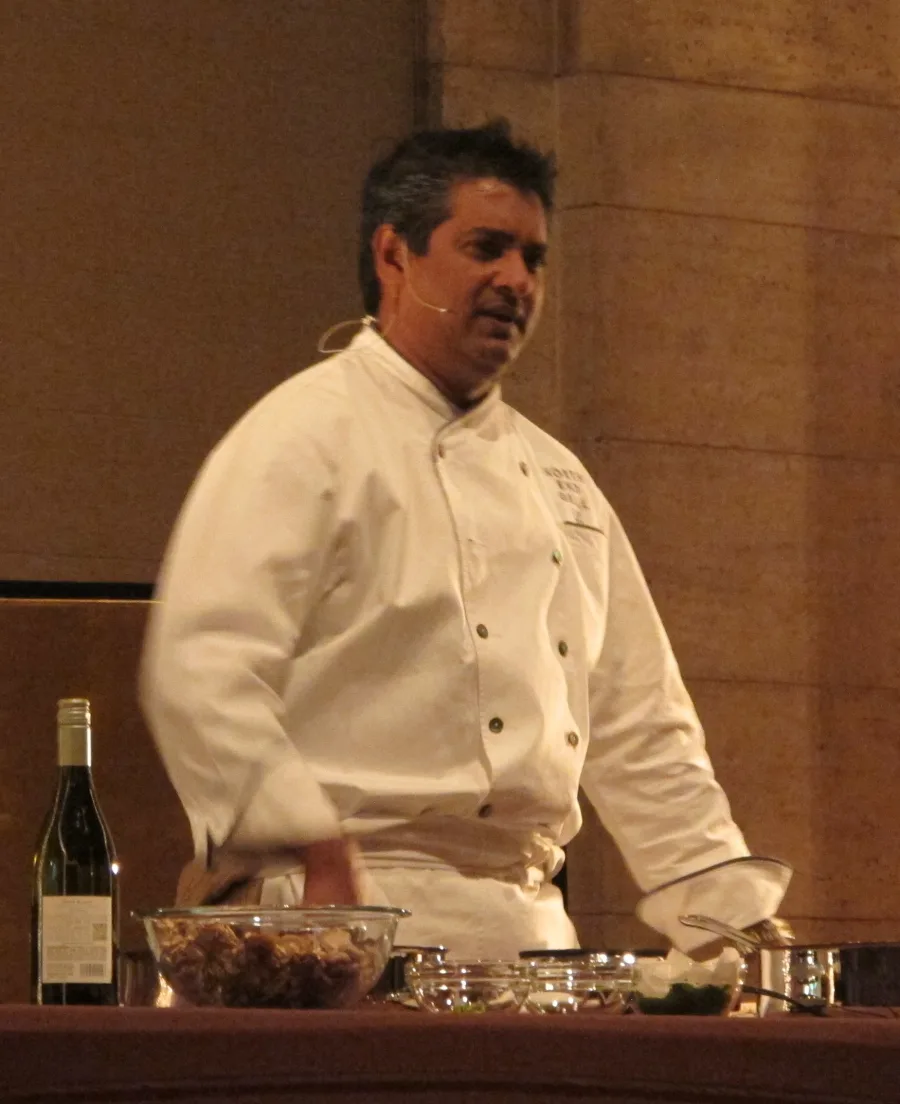 Floyd Cardoz
Historical Figures · Chef who brought Indian flavours to New York fine dining
1960
-
 Mahatma Gandhi
Politics & Leadership · Leader of India’s independence movement and pioneer of non-violent resistance
1869
-
 Lovlina Borgohain
Sports · Boxer who won Olympic bronze and a world title
1997
-
 Lal Bahadur Shastri
Politics & Leadership · Second Prime Minister of India (1964–1966)
1904
-
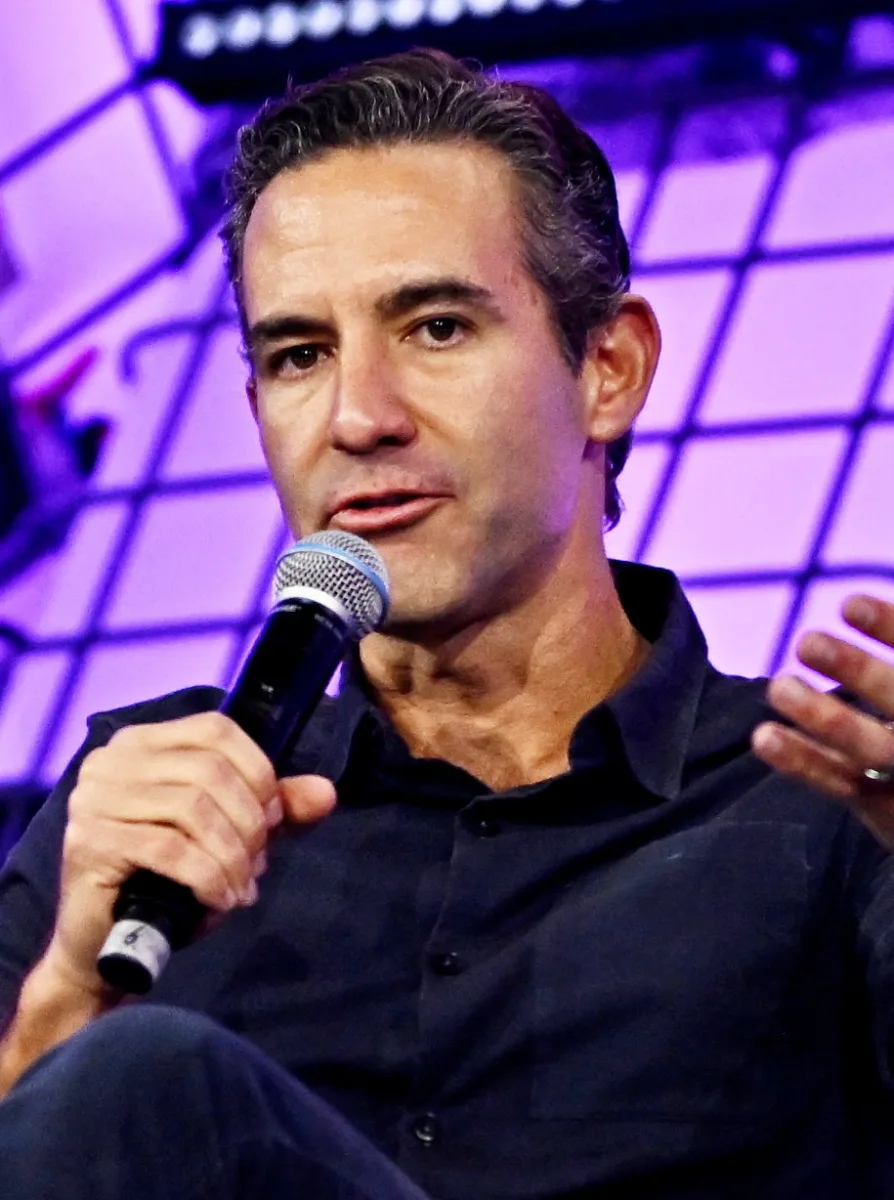 David Vélez
Technology · Colombian founder and CEO of Nubank
1981
Frequently asked
Who is Martin Hellman?
Martin Hellman is an American cryptographer and Stanford professor emeritus who co-invented public-key cryptography with Whitfield Diffie and Ralph Merkle. The Diffie–Hellman key exchange is used to secure internet traffic. He shared the 2015 Turing Award and has since campaigned to reduce the risk of nuclear war.
How old is Martin Hellman?
Martin Hellman is 81 years old, born on 2 October 1945 in New York City, United States.
Where is Martin Hellman from?
Martin Hellman was born in New York City, United States.
What is Martin Hellman known for?
Martin Hellman is best known for Diffie–Hellman key exchange; public-key cryptography; nuclear risk advocacy; Turing Award 2015.
What awards has Martin Hellman received?
Notable honours include Marconi Prize (2000), IEEE Richard W. Hamming Medal (2010), Turing Award (2015).
References
- Martin Hellman — Wikipedia. Wikipedia. Retrieved 4 November 2026.
- Martin Hellman — Britannica. Encyclopaedia Britannica. Retrieved 4 November 2026.
- Official website. ee.stanford.edu. Retrieved 4 November 2026.
- Martin Hellman (Q476466) — structured data. Wikidata. Retrieved 4 November 2026.
Includes material from the Wikipedia article “Martin Hellman”, licensed under CC BY-SA 4.0. That text is available under the same licence. Learn more
External links
About this profile
- Researched by the TrackFame editorial team; reviewed by Sanjay Sokal under our editorial policy
- First published 4 November 2026
- Last updated
Cite this page
“Martin Hellman.” TrackFame, last updated 4 November 2026. https://trackfame.com/person/martin-hellman
Discussion 0
Sign in or create an account to join the discussion.
No comments yet — be the first.
More in Science
 Science
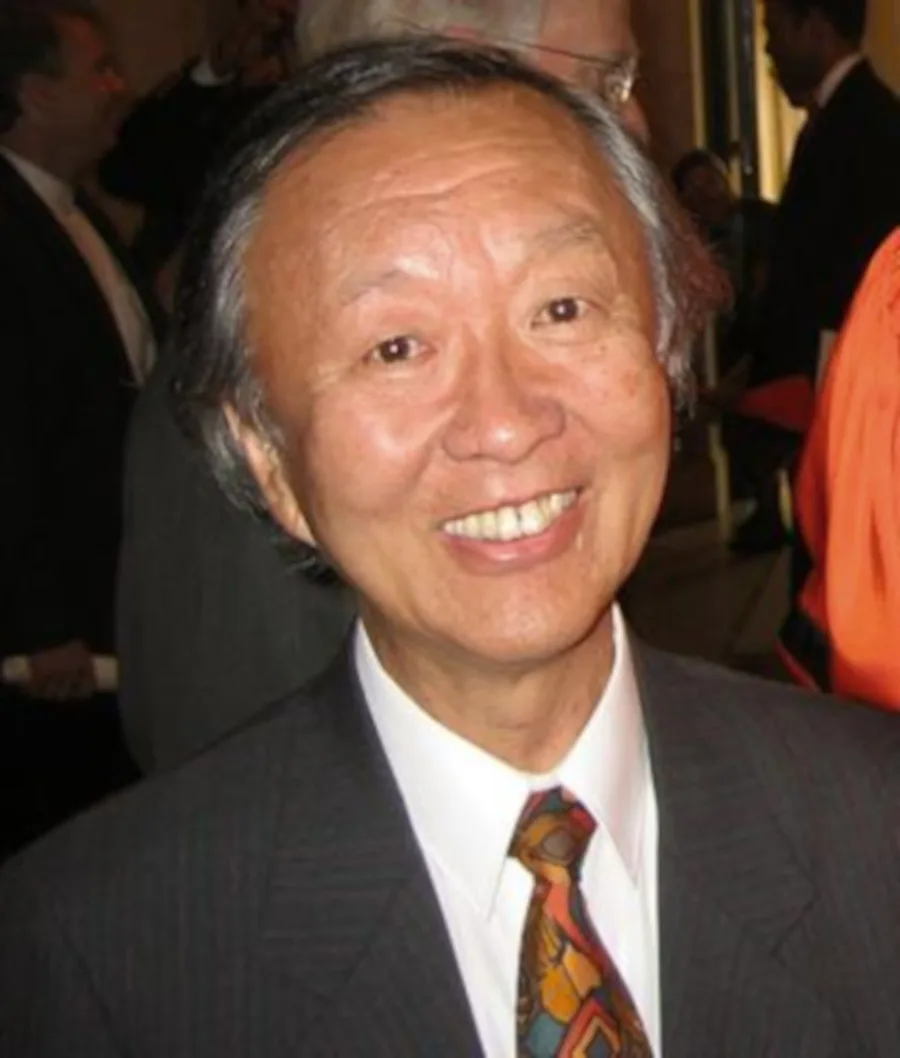
Charles K. Kao
“Godfather of broadband” who showed glass fibres could carry light over long distances
1933 – 2018
Ashok Jhunjhunwala
IIT Madras professor and telecom innovator
Born 1953
 Science
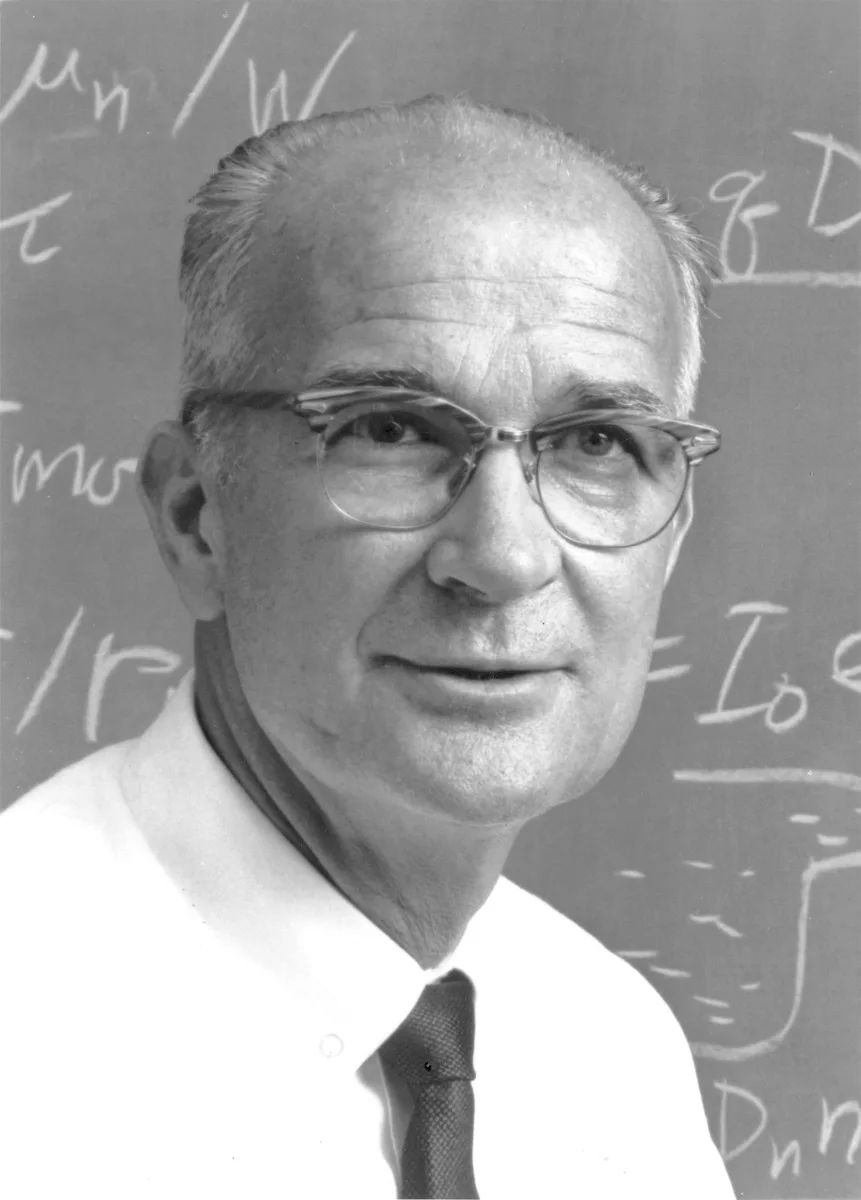
William Shockley
Nobel-winning co-inventor of the transistor who brought silicon to Silicon Valley
1910 – 1989
 Science
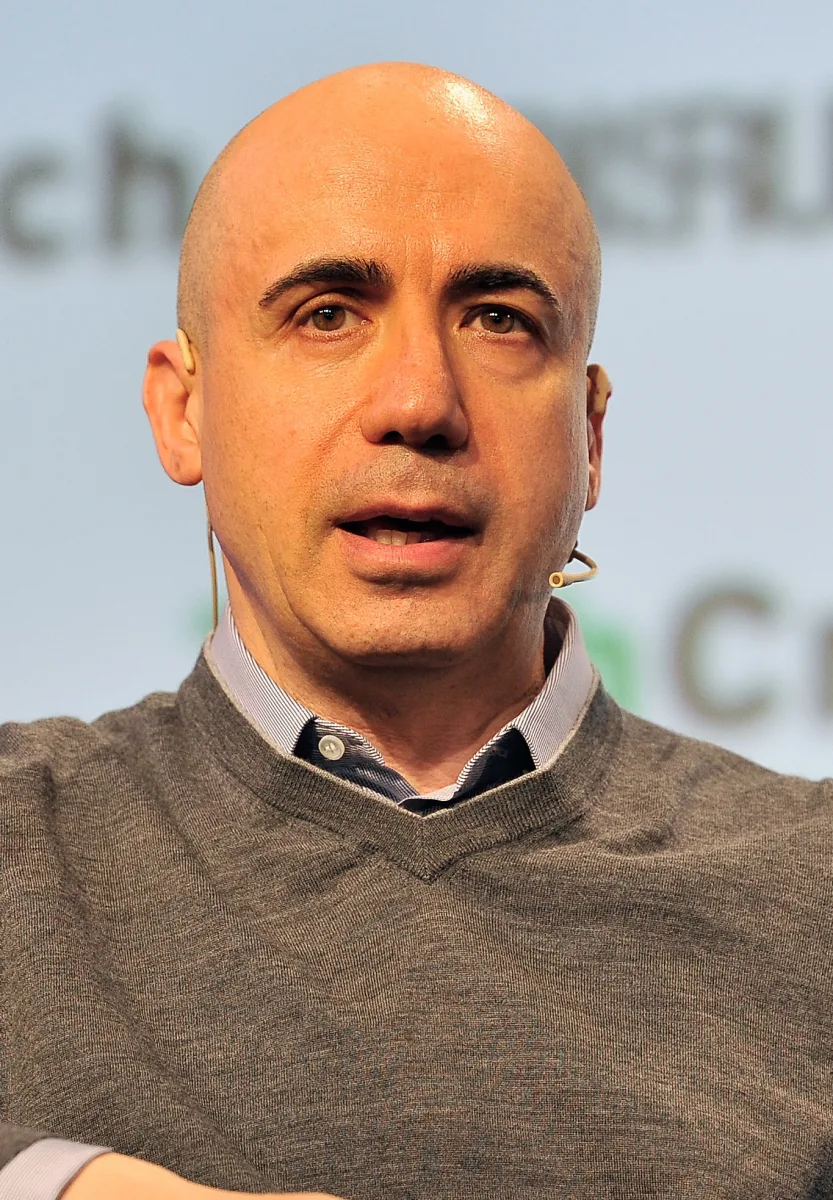
Yuri Milner
Investor behind DST Global and the Breakthrough Prizes
Born 1961
 Science
Amnon Shashua
Israeli computer scientist who co-founded Mobileye
Born 1960
 Science
Yann LeCun
French-American AI pioneer who invented convolutional neural networks
Born 1959