
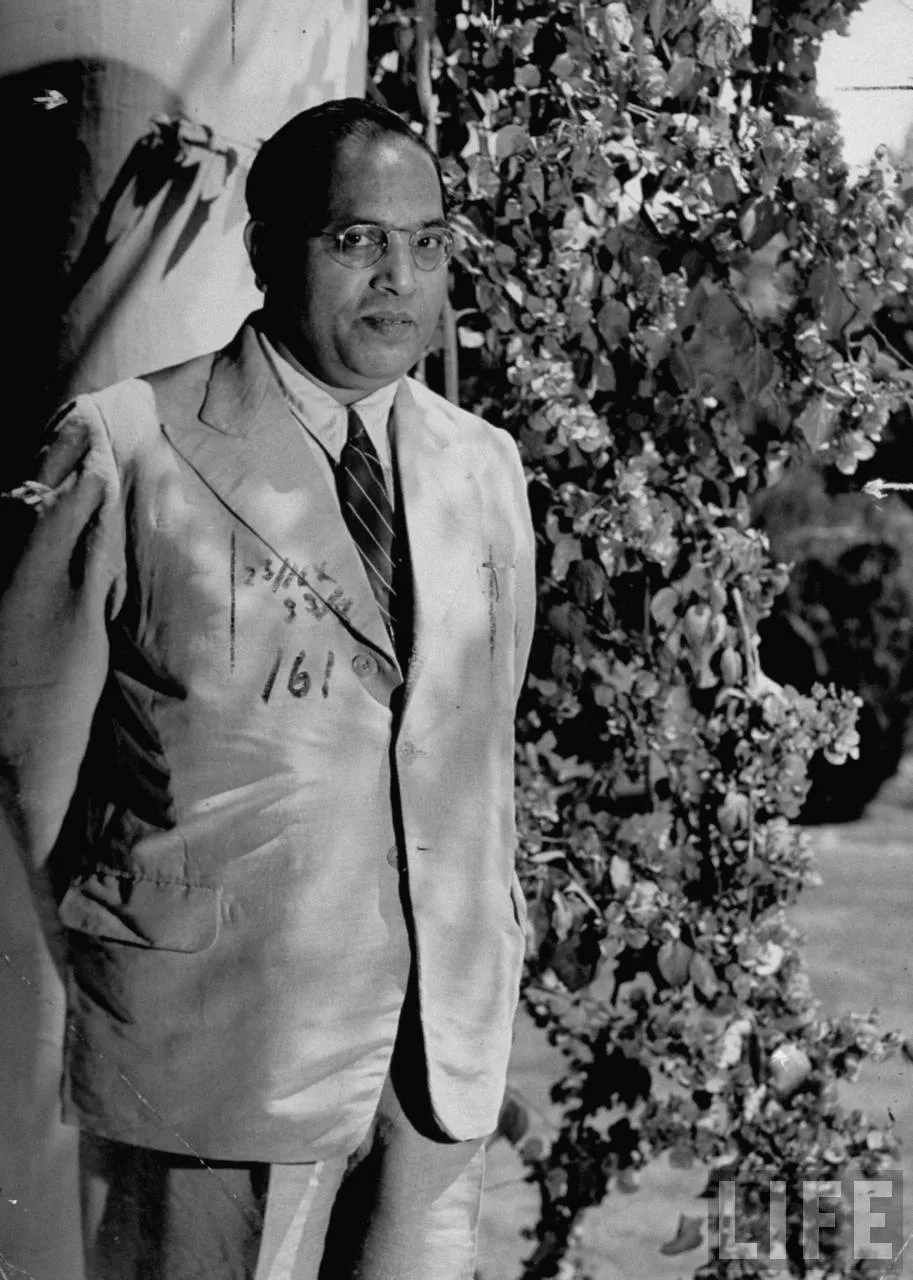
B. R. Ambedkar
Principal architect of the Constitution of India and India’s first Law Minister
- Lived
- 65 yrs
- 1891 – 1956
- Works listed
- 4
- Book, Essay
- Honours
- 1
- Most recent 1990
- Profile views
- 1
- 0 followers
Dr B. R. Ambedkar was a jurist, economist and social reformer who chaired the committee that drafted the Constitution of India. Born into a caste then treated as “untouchable”, he devoted his life to abolishing caste discrimination and securing equal rights.
Biography
Education against the odds
Ambedkar was born into the Mahar community and faced segregation from childhood, including being made to sit apart in school. He nevertheless became one of the most highly educated Indians of his generation, earning an MA and a PhD in economics from Columbia University and an MSc and DSc from the London School of Economics, and qualifying as a barrister at Gray’s Inn.
Campaigner for equality
From the 1920s he led movements for the rights of the depressed classes, including the 1927 Mahad Satyagraha to claim access to a public water tank. He argued for separate representation for these communities at the Round Table Conferences, and the 1932 Poona Pact with Gandhi produced reserved seats instead.
He founded the Independent Labour Party (1936) and the Scheduled Castes Federation (1942), and set out his critique of the caste system in Annihilation of Caste (1936).
Father of the Constitution
After independence Ambedkar became India’s first Law Minister and, from August 1947, chairman of the Constituent Assembly’s Drafting Committee. The Constitution adopted in 1949 abolished untouchability, guaranteed fundamental rights and provided for reservations in education and public employment.
He resigned from the cabinet in 1951 after Parliament stalled his Hindu Code Bill on women’s rights in marriage and inheritance.
Economist
Ambedkar was one of the first Indians trained in economics abroad. His work on public finance and currency influenced the thinking behind the Reserve Bank of India, and he argued for land reform, industrialisation and state ownership of key industries. He also championed labour rights as Labour Member of the Viceroy’s Executive Council (1942–46), pushing for the eight-hour working day.
Journalist and organiser
He founded newspapers including Mooknayak (1920), Bahishkrit Bharat (1927) and Janata to give a voice to the oppressed, and set up the People’s Education Society (1945), which founded Siddharth College in Bombay. His slogans and writings remain central to the Dalit movement, and Chaitya Bhoomi in Mumbai, where he was cremated, draws huge crowds every 6 December.
Conversion and legacy
In October 1956, weeks before his death, Ambedkar converted to Buddhism at Nagpur together with hundreds of thousands of followers, founding the modern Dalit Buddhist movement. He died in Delhi on 6 December 1956.
He was posthumously awarded the Bharat Ratna in 1990. His birthday, 14 April, is celebrated across India as Ambedkar Jayanti.
Timeline
-
1891
Born in Mhow, Central Provinces (now Dr. Ambedkar Nagar, Madhya Pradesh)
-
1915
MA from Columbia University
Begins a decade of study in New York and London.
-
1920
Founds the newspaper Mooknayak
-
1927
Mahad Satyagraha
Leads a campaign for the right to use a public water tank.
-
1932
Poona Pact
Agreement with Gandhi on reserved seats for the depressed classes.
-
1936
Annihilation of Caste
Publishes his landmark critique of the caste system.
-
1942
Labour Member of the Viceroy’s Executive Council
Introduces the eight-hour working day.
-
1945
Founds the People’s Education Society
-
1947
First Law Minister of India
Also appointed chairman of the Drafting Committee.
-
1949
Constitution adopted
The Constituent Assembly adopts the Constitution on 26 November.
-
1951
Resigns from the cabinet
Over the stalling of the Hindu Code Bill.
-
1952
Elected to the Rajya Sabha
-
1956
Embraces Buddhism
Mass conversion at Nagpur on 14 October; dies on 6 December.
-
1990
Bharat Ratna (posthumous)
India’s highest civilian honour.
-
1956
Died, aged 65
Notable works
-
1923
The Problem of the Rupee Book
Doctoral thesis on Indian currency, published in London.
-
1936
Annihilation of Caste Essay
Undelivered speech that became a classic critique of caste.
-
1946
Who Were the Shudras? Book
Historical study of the origins of caste.
-
1957
The Buddha and His Dhamma Book
His account of Buddhism, published posthumously.
Awards and honours
-
Bharat Ratna
1990 · Awarded posthumously.
In their own words
“Educate, agitate, organise.”
Did you know?
-
1
He held doctorates from both Columbia University and the London School of Economics.
-
2
A bust of him stands in the library of Columbia University, where he studied.
-
3
Ambedkar Jayanti, 14 April, is a public holiday in many Indian states.
-
4
He held doctorates from both Columbia and LSE.
-
5
He introduced the eight-hour working day as Labour Member in 1942.
-
6
Millions visit Chaitya Bhoomi in Mumbai on his death anniversary.
Gallery
Connections
Frequently asked
Who is B. R. Ambedkar?
Dr B. R. Ambedkar was a jurist, economist and social reformer who chaired the committee that drafted the Constitution of India. Born into a caste then treated as “untouchable”, he devoted his life to abolishing caste discrimination and securing equal rights.
When did B. R. Ambedkar die?
B. R. Ambedkar died on 6 December 1956 at the age of 65.
Where is B. R. Ambedkar from?
B. R. Ambedkar was born in Mhow, Central Provinces (now Dr. Ambedkar Nagar, Madhya Pradesh).
What is B. R. Ambedkar known for?
B. R. Ambedkar is best known for Drafting the Constitution, the fight against caste discrimination, the Dalit Buddhist movement.
What awards has B. R. Ambedkar received?
Notable honours include Bharat Ratna (1990).
Who is B. R. Ambedkar married to?
Spouses: Ramabai Ambedkar (m. 1906; died 1935), Savita Ambedkar (m. 1948).
References
- B. R. Ambedkar — Wikipedia. Wikipedia. Retrieved 26 October 2026.
- B. R. Ambedkar — Britannica. Encyclopaedia Britannica. Retrieved 26 October 2026.
- B. R. Ambedkar — Goodreads author page. Goodreads. Retrieved 26 October 2026.
- B. R. Ambedkar — Hindi Wikipedia. Wikipedia (Hindi). Retrieved 26 October 2026.
- B. R. Ambedkar (Q231690) — structured data. Wikidata. Retrieved 26 October 2026.
External links
About this profile
- Researched by the TrackFame editors; reviewed by Sanjay Sokal
- First published 26 October 2026
- Last updated
Cite this page
“B. R. Ambedkar.” TrackFame, last updated 27 October 2026. https://trackfame.com/person/b-r-ambedkar
Discussion 0
Sign in or create an account to join the discussion.
No comments yet — be the first.
More in Politics & Leadership
 Politics & Leadership
Mahatma Gandhi
Leader of India’s independence movement and pioneer of non-violent resistance
1869 – 1948
 Politics & Leadership
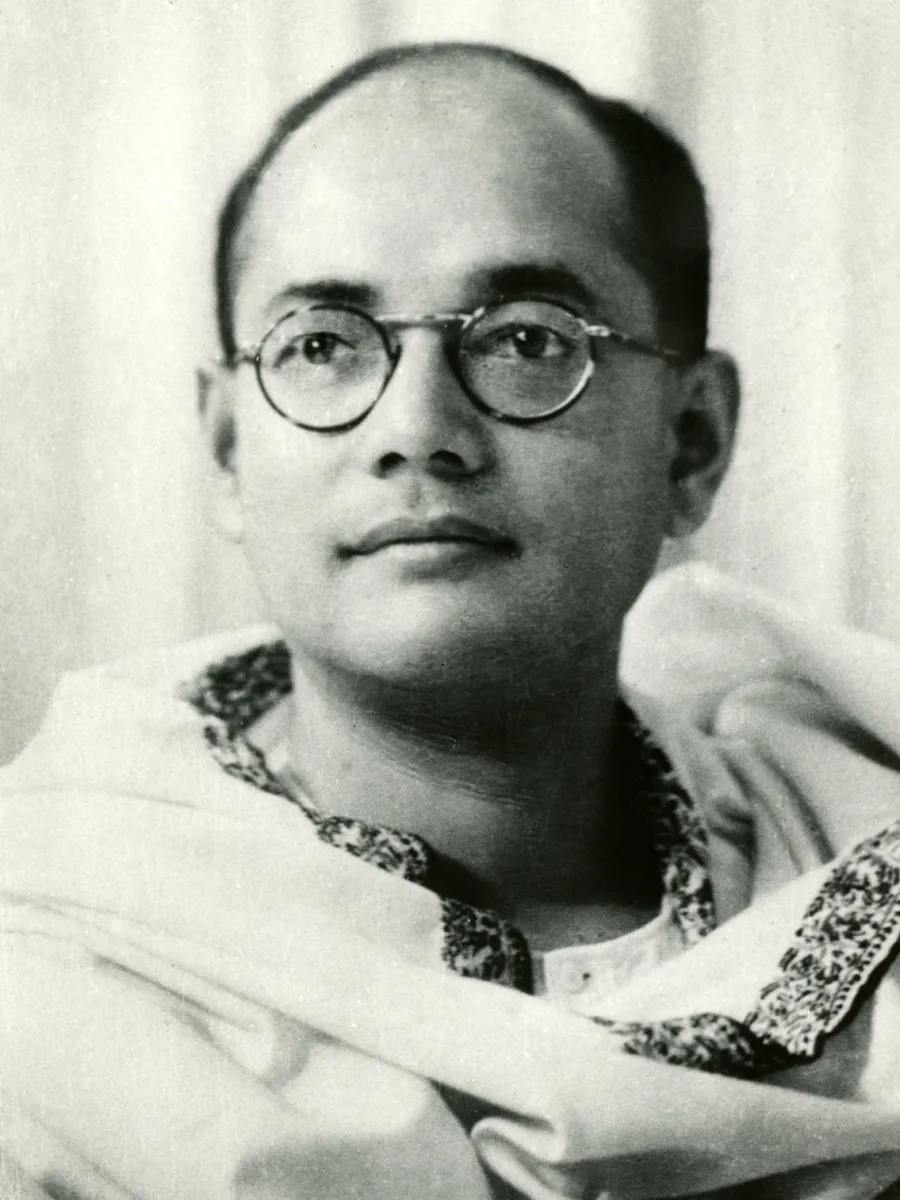
Subhas Chandra Bose
Freedom fighter and leader of the Indian National Army
1897 – 1945
 Politics & Leadership
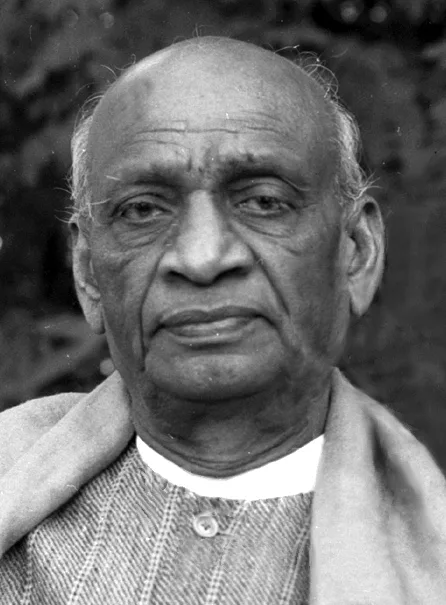
Vallabhbhai Patel
First Deputy Prime Minister and Home Minister of India
1875 – 1950
 Politics & Leadership
Manmohan Singh
Thirteenth Prime Minister of India (2004–2014) and architect of the 1991 reforms
1932 – 2024
 Politics & Leadership
Rajiv Gandhi
Sixth Prime Minister of India (1984–1989)
1944 – 1991
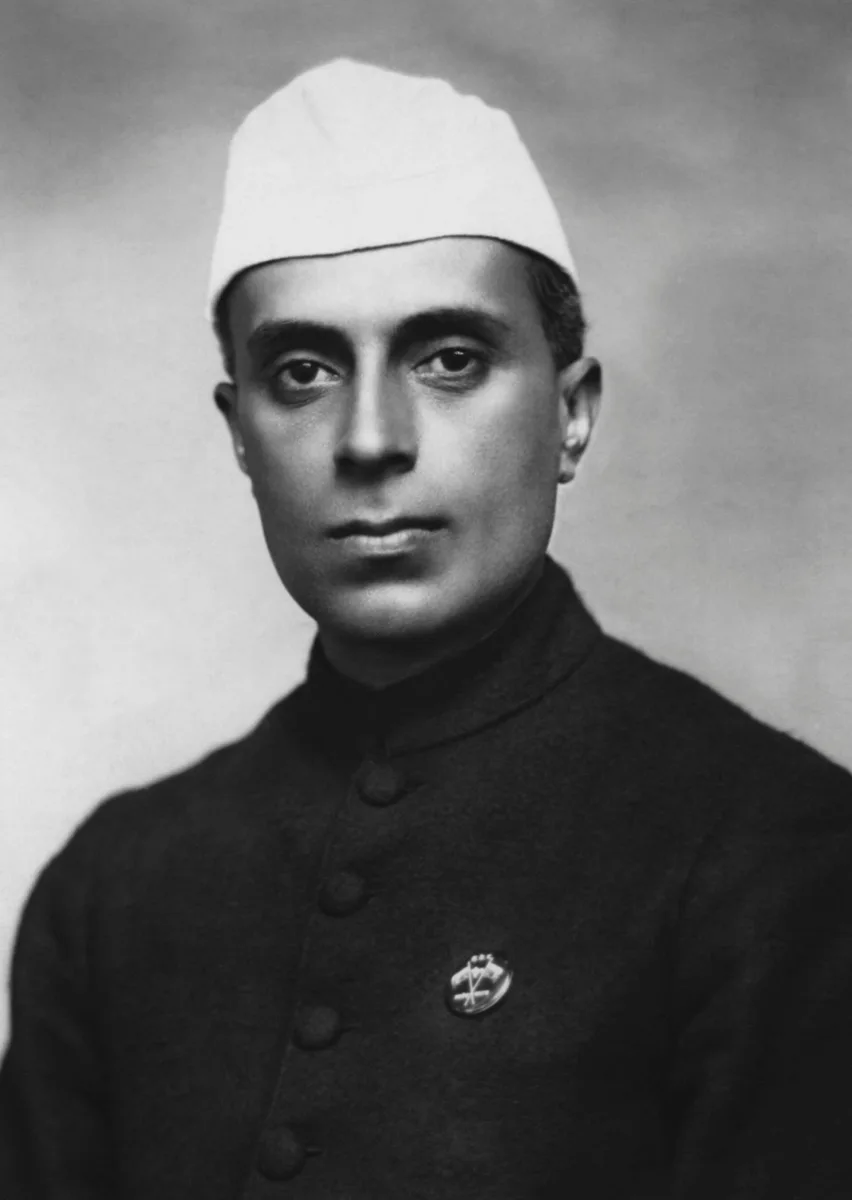 Politics & Leadership
Jawaharlal Nehru
First Prime Minister of India (1947–1964)
1889 – 1964