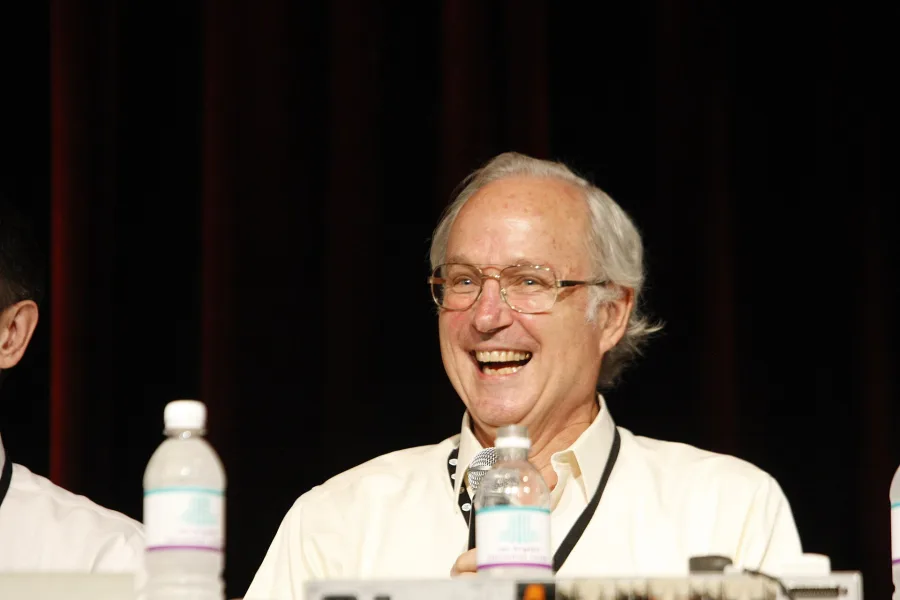
Butler Lampson
Xerox PARC engineer behind the personal computer and many networking ideas
- Age
- 82 yrs
- Birthday in 47 days
- Works listed
- 2
- Computer, Paper
- Honours
- 3
- Most recent 2004
- Profile views
- 2
- 0 followers
Butler Lampson is an American computer scientist who was a key designer of the Xerox Alto, the first modern personal computer, and the Bravo WYSIWYG editor at Xerox PARC. He later worked on security at Microsoft and received the Turing Award in 1992.
Biography
Early career
Lampson studied physics at Harvard and earned a PhD at Berkeley, where he worked on the Berkeley Timesharing System. He co-founded the Berkeley Computer Corporation, whose staff formed the core of Xerox PARC’s computer lab.
Xerox PARC
At PARC from 1971 he helped design the Alto (1973), with its bitmapped screen, mouse and windows, and the Bravo editor, the first WYSIWYG word processor, which later influenced Microsoft Word. He contributed to the laser printer, the Ethernet local network and distributed file systems.
Security and systems
Lampson wrote influential papers on computer security, access control and system design, including “Hints for Computer System Design”. He joined DEC and in 1995 Microsoft, where he became a technical fellow.
Honours
He received the Turing Award in 1992 and shared the 2004 Draper Prize with Alan Kay, Robert Taylor and Charles Thacker for the first networked personal computers.
Timeline
-
1943
Born in Washington, D.C., United States
-
1967
PhD from UC Berkeley
-
1971
Joins Xerox PARC
-
1973
Xerox Alto
-
1974
Bravo editor
-
1983
Hints for Computer System Design
-
1992
Turing Award
-
2004
Charles Stark Draper Prize
Notable works
-
1973
Xerox Alto Computer
With Charles Thacker and others.
-
1983
Hints for Computer System Design Paper
Awards and honours
-
Turing Award
1992
-
IEEE John von Neumann Medal
2001
-
Charles Stark Draper Prize
2004
Did you know?
-
1
Charles Simonyi, who co-wrote Bravo with him, went on to create Microsoft Word.
-
2
His design advice includes “Keep it simple” and “Plan to throw one away”.
-
3
He has taught at MIT as an adjunct professor.
Connections
Related people
-
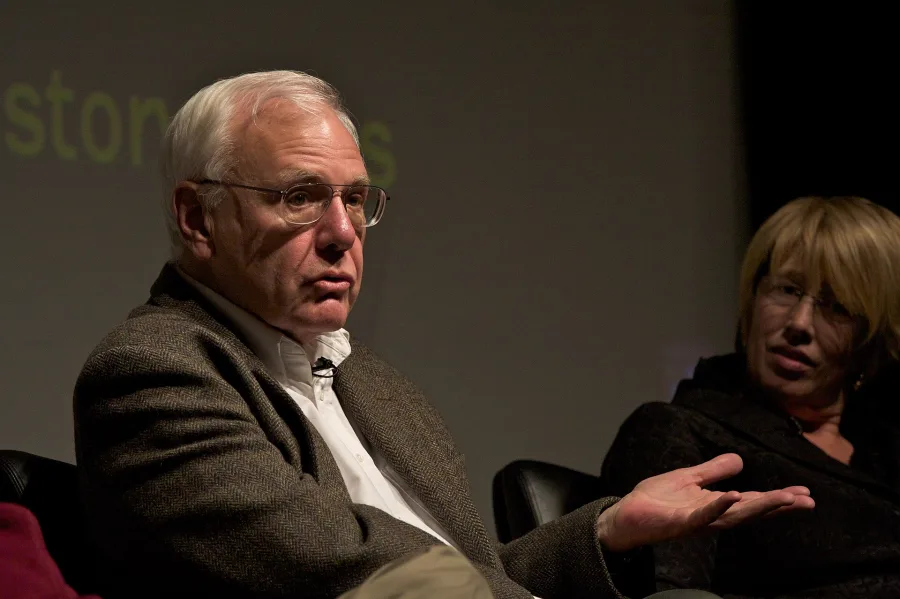 Charles P. Thacker
Science · Engineer who designed the Xerox Alto, the first modern personal computer
Co-designer of the Alto
-
 Alan Kay
Science · Xerox PARC visionary behind Smalltalk, the Dynabook and modern graphical interfaces
Xerox PARC colleague
-
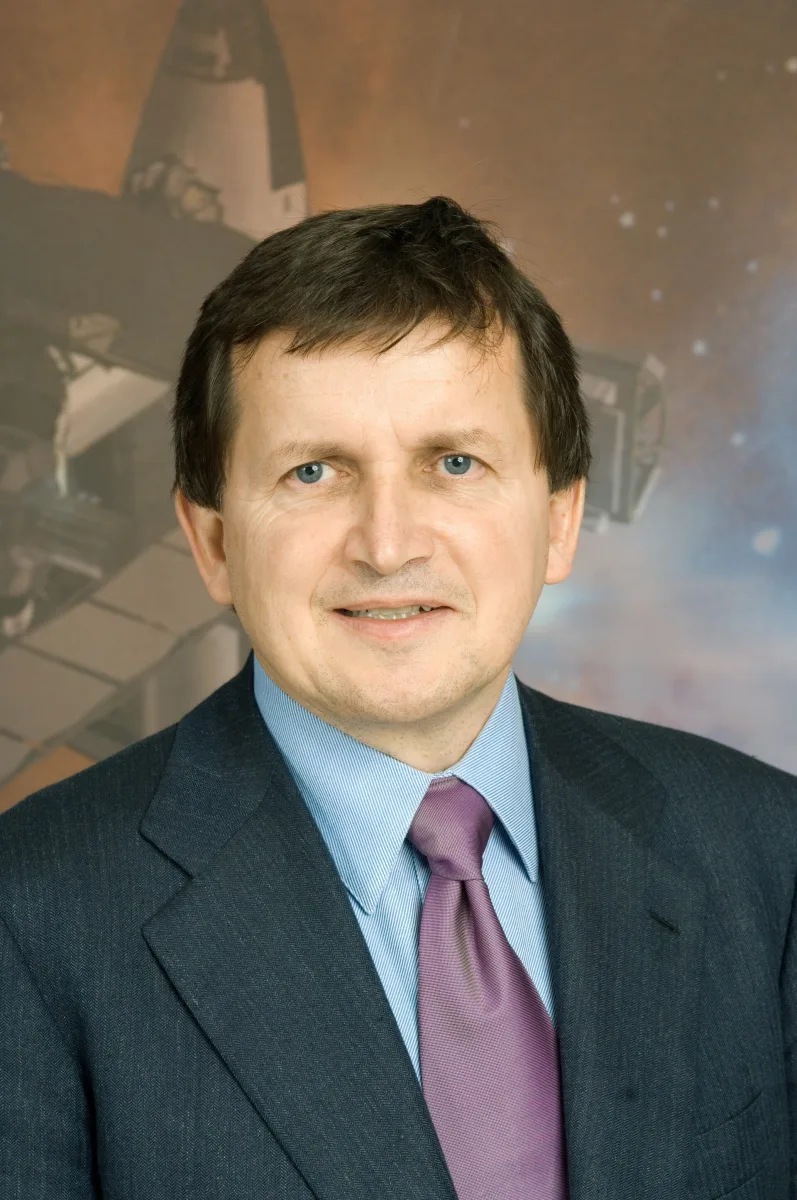 Charles Simonyi
Technology · Hungarian-born creator of Microsoft Word and Excel who flew twice to space
Co-creator of Bravo
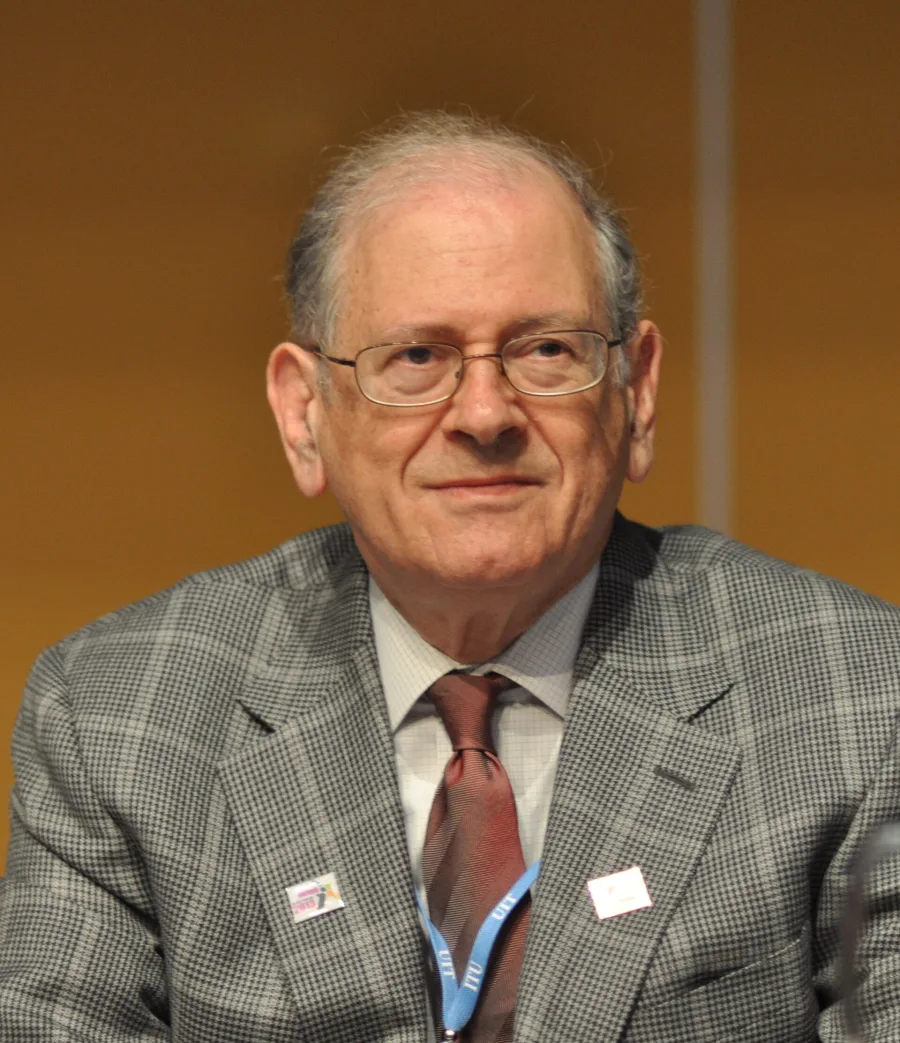
Frequently asked
Who is Butler Lampson?
Butler Lampson is an American computer scientist who was a key designer of the Xerox Alto, the first modern personal computer, and the Bravo WYSIWYG editor at Xerox PARC. He later worked on security at Microsoft and received the Turing Award in 1992.
How old is Butler Lampson?
Butler Lampson is 82 years old, born on 23 December 1943 in Washington, D.C., United States.
Where is Butler Lampson from?
Butler Lampson was born in Washington, D.C., United States.
What is Butler Lampson known for?
Butler Lampson is best known for Xerox Alto; Bravo editor; Ethernet and laser printing work; Turing Award 1992.
What awards has Butler Lampson received?
Notable honours include Turing Award (1992), IEEE John von Neumann Medal (2001), Charles Stark Draper Prize (2004).
References
- Butler Lampson — Wikipedia. Wikipedia. Retrieved 4 November 2026.
- Butler Lampson — Britannica. Encyclopaedia Britannica. Retrieved 4 November 2026.
- Official website. research.microsoft.com. Retrieved 4 November 2026.
- Butler Lampson (Q92644) — structured data. Wikidata. Retrieved 4 November 2026.
Includes material from the Wikipedia article “Butler Lampson”, licensed under CC BY-SA 4.0. That text is available under the same licence. Learn more
External links
About this profile
- Researched by the TrackFame editorial team; reviewed by Sanjay Sokal under our editorial policy
- First published 4 November 2026
- Last updated
Cite this page
“Butler Lampson.” TrackFame, last updated 5 November 2026. https://trackfame.com/person/butler-lampson
Discussion 0
Sign in or create an account to join the discussion.
No comments yet — be the first.
More in Science
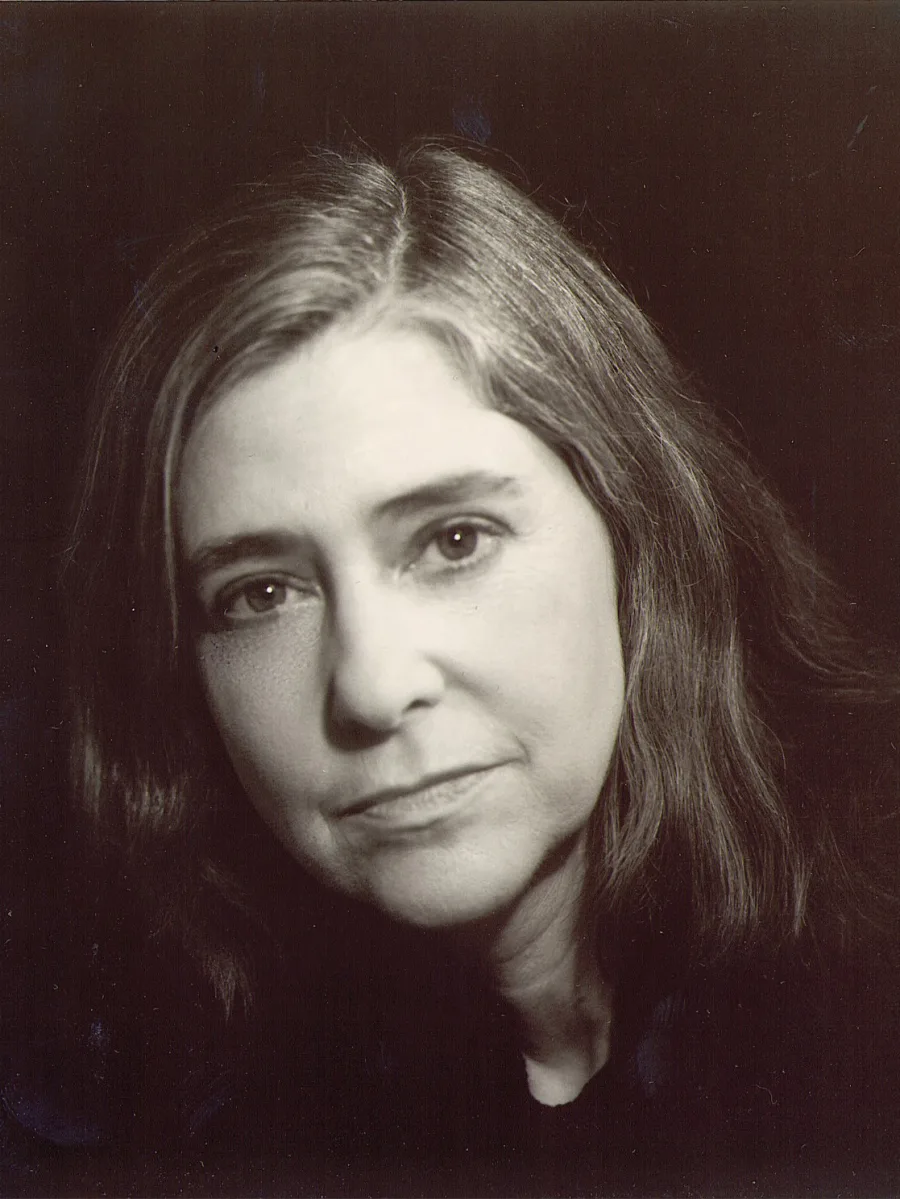 Science
Margaret Hamilton
MIT engineer who led the software for the Apollo Moon landings and coined “software engineering”
1936 – 2026
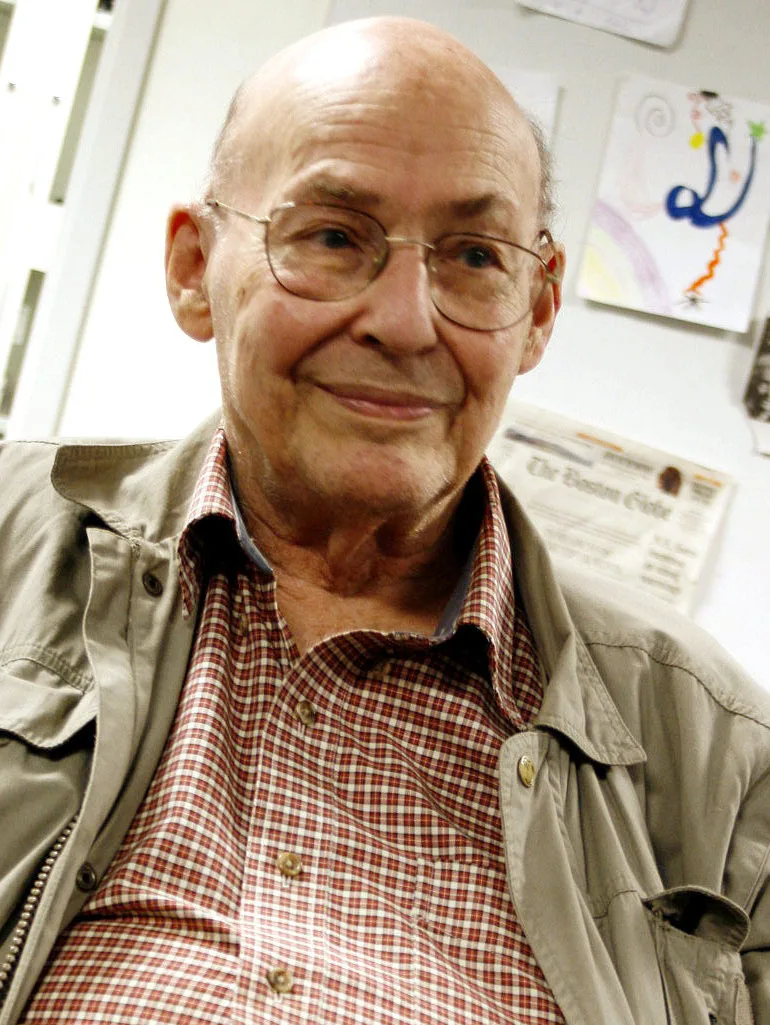 Science
Marvin Minsky
Co-founder of MIT’s artificial intelligence laboratory and a founding father of AI
1927 – 2016
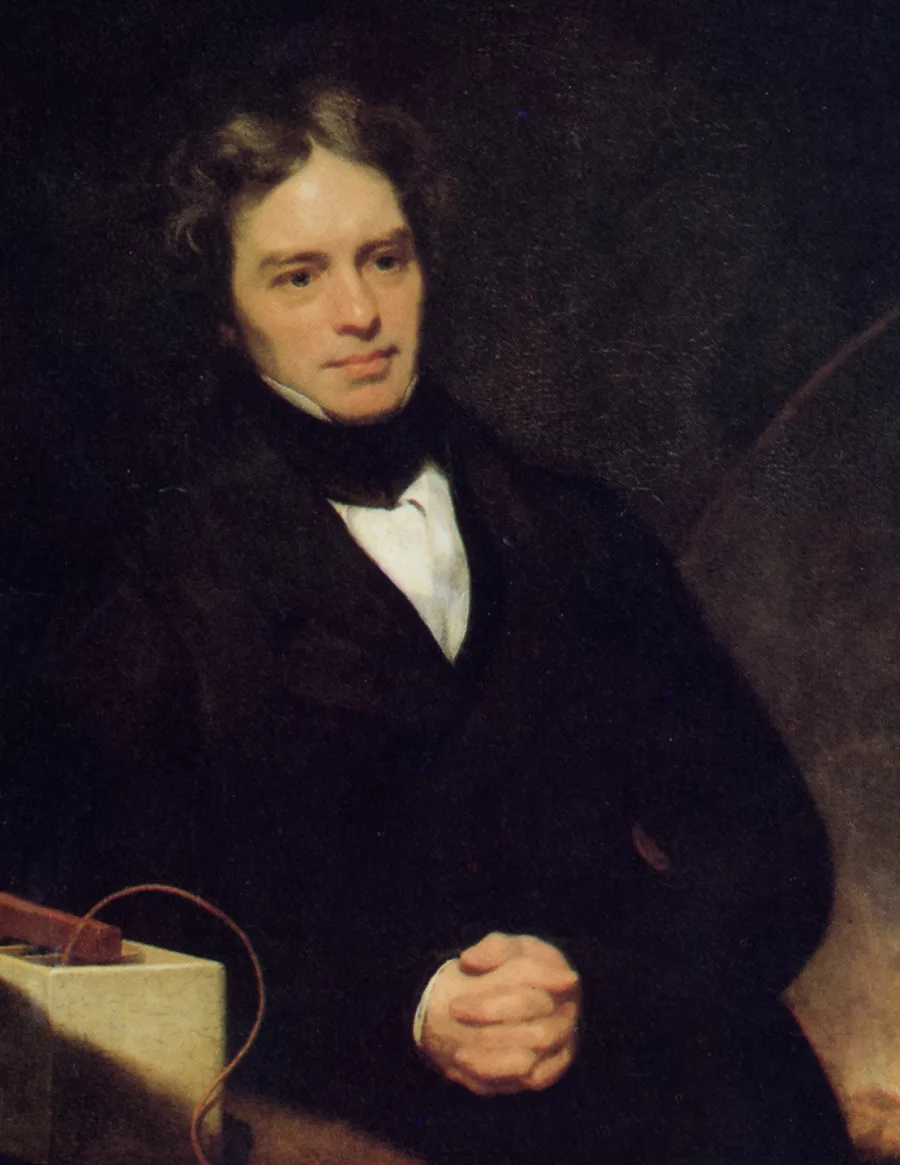 Science
Michael Faraday
Self-taught scientist who discovered electromagnetic induction
1791 – 1867
 Science
Yann LeCun
French-American AI pioneer who invented convolutional neural networks
Born 1959
 Science
Nikola Tesla
Serbian-American inventor of the alternating-current induction motor
1856 – 1943
 Science
Kristen Nygaard
Norwegian co-inventor of Simula and object-oriented programming
1926 – 2002