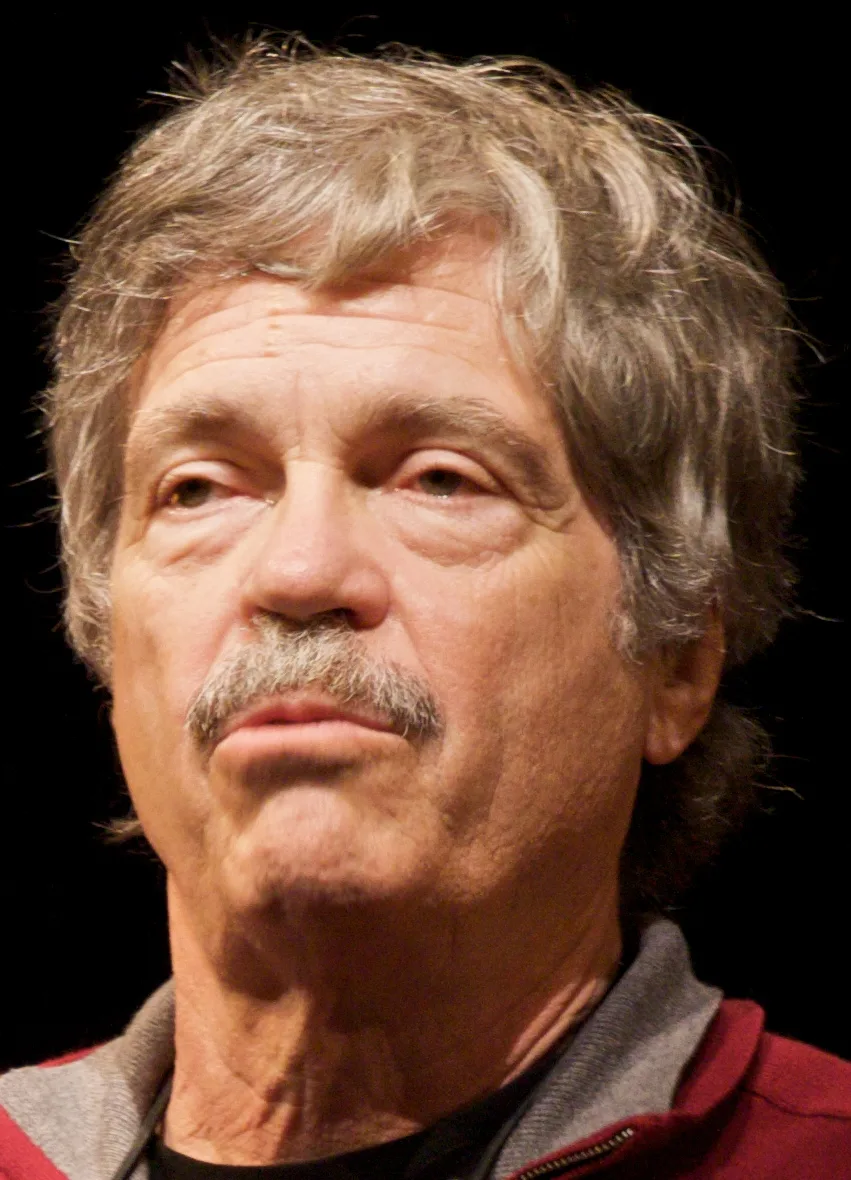
Alan Kay
Xerox PARC visionary behind Smalltalk, the Dynabook and modern graphical interfaces
- Age
- 86 yrs
- Birthday in 193 days
- Works listed
- 2
- Paper, Programming language
- Honours
- 3
- Most recent 2004
- Profile views
- 2
- 0 followers
Alan Kay is an American computer scientist who led the Smalltalk team at Xerox PARC, helped invent the overlapping-window graphical interface and imagined the Dynabook, a tablet computer for children, in 1972. He coined the term “object-oriented programming” and received the Turing Award in 2003.
Biography
Early life
Kay was a child prodigy who later worked as a jazz guitarist and served in the US Air Force. He studied mathematics and molecular biology at the University of Colorado and earned his PhD at the University of Utah in 1969.
The Dynabook
In 1972 Kay described the Dynabook, a portable personal computer the size of a notebook that children could use to learn. The idea anticipated laptops and tablets by decades.
Smalltalk and the GUI
At Xerox PARC he led the Learning Research Group, which created Smalltalk — a language in which everything is an object sending messages — and developed overlapping windows, icons and pop-up menus on the Alto computer. Steve Jobs’s 1979 visit to PARC inspired the Apple Lisa and Macintosh.
Later work
Kay later worked at Atari, Apple, Disney and HP, and founded the Viewpoints Research Institute. He co-created the Squeak Smalltalk and Etoys for children. He received the Turing Award in 2003 and the Draper and Kyoto prizes in 2004.
Timeline
-
1940
Born in Springfield, Massachusetts, United States
-
1969
PhD from the University of Utah
-
1970
Joins Xerox PARC
-
1972
Dynabook paper; first Smalltalk
-
1984
Apple Fellow
-
1996
Squeak Smalltalk
-
2001
Founds Viewpoints Research Institute
-
2003
Turing Award
Notable works
-
1972
A Personal Computer for Children of All Ages Paper
The Dynabook paper.
-
1972
Smalltalk Programming language
Awards and honours
-
Turing Award
2003
-
Charles Stark Draper Prize
2004
-
Kyoto Prize
2004
Did you know?
-
1
He is credited with saying “The best way to predict the future is to invent it”.
-
2
He was once a professional jazz guitarist.
-
3
The One Laptop per Child project drew on his ideas.
Connections
Related people
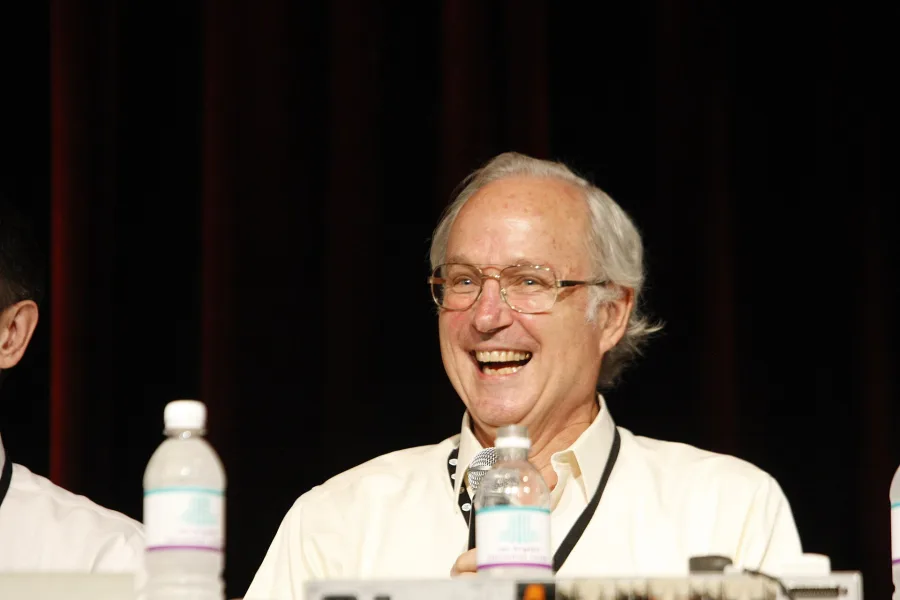
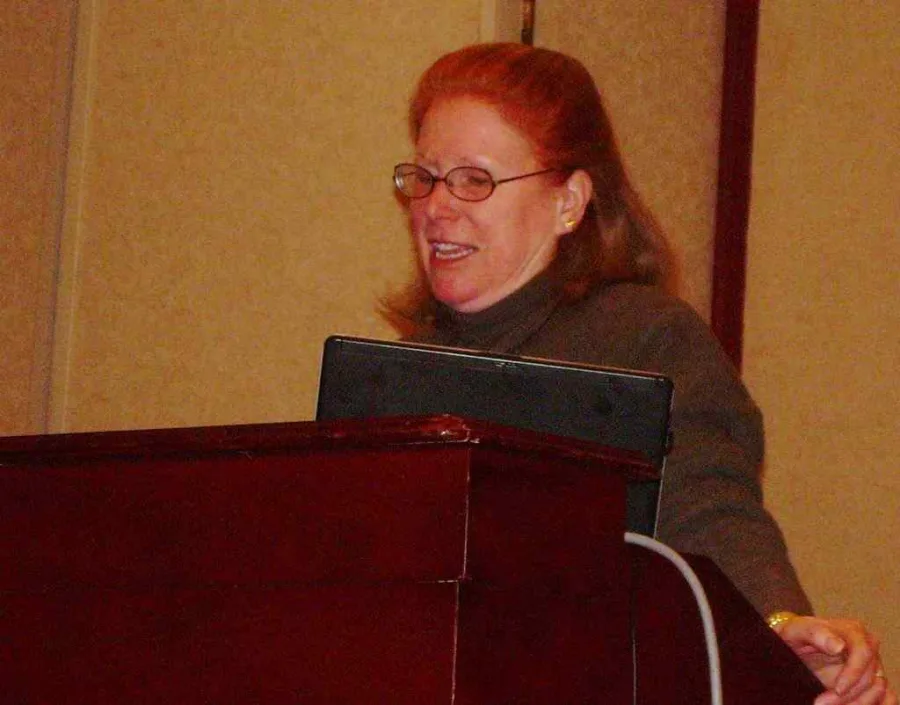
Frequently asked
Who is Alan Kay?
Alan Kay is an American computer scientist who led the Smalltalk team at Xerox PARC, helped invent the overlapping-window graphical interface and imagined the Dynabook, a tablet computer for children, in 1972. He coined the term “object-oriented programming” and received the Turing Award in 2003.
How old is Alan Kay?
Alan Kay is 86 years old, born on 17 May 1940 in Springfield, Massachusetts, United States.
Where is Alan Kay from?
Alan Kay was born in Springfield, Massachusetts, United States.
What is Alan Kay known for?
Alan Kay is best known for Smalltalk; object-oriented programming; the Dynabook concept; overlapping windows; Turing Award 2003.
What awards has Alan Kay received?
Notable honours include Turing Award (2003), Charles Stark Draper Prize (2004), Kyoto Prize (2004).
References
- Alan Kay — Wikipedia. Wikipedia. Retrieved 4 November 2026.
- Alan Kay — Britannica. Encyclopaedia Britannica. Retrieved 4 November 2026.
- Alan Kay (Q92742) — structured data. Wikidata. Retrieved 4 November 2026.
Includes material from the Wikipedia article “Alan Kay”, licensed under CC BY-SA 4.0. That text is available under the same licence. Learn more
External links
About this profile
- Researched by the TrackFame editorial team; reviewed by Sanjay Sokal under our editorial policy
- First published 4 November 2026
- Last updated
Cite this page
“Alan Kay.” TrackFame, last updated 5 November 2026. https://trackfame.com/person/alan-kay
Discussion 0
Sign in or create an account to join the discussion.
No comments yet — be the first.
More in Science
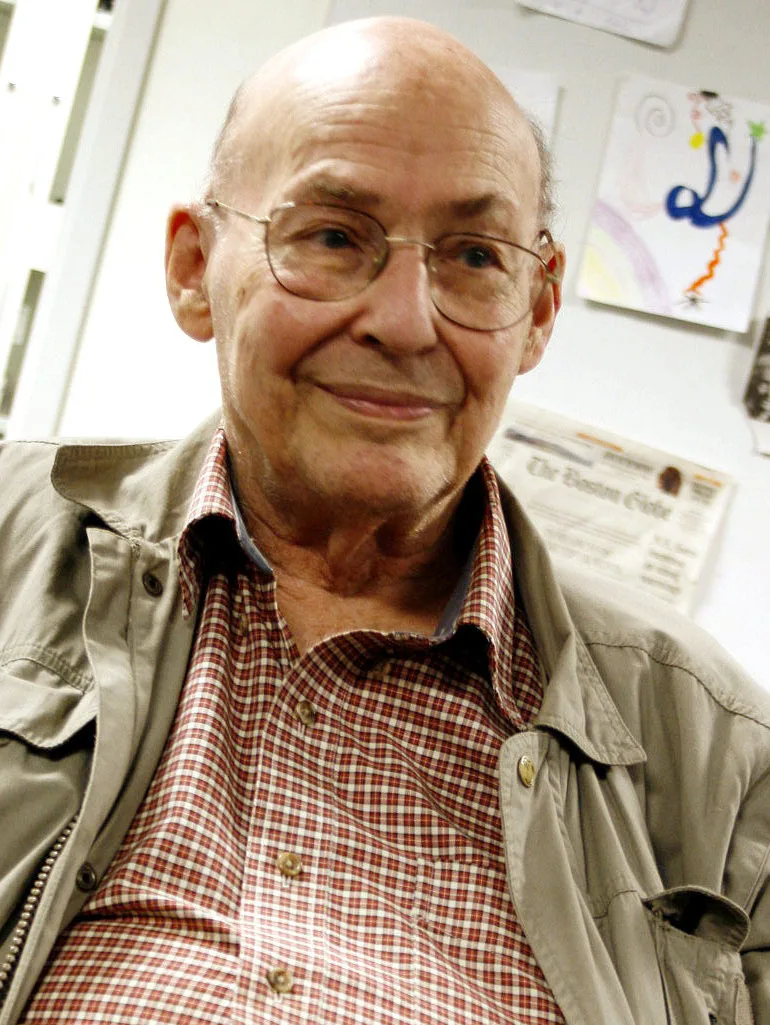 Science
Marvin Minsky
Co-founder of MIT’s artificial intelligence laboratory and a founding father of AI
1927 – 2016
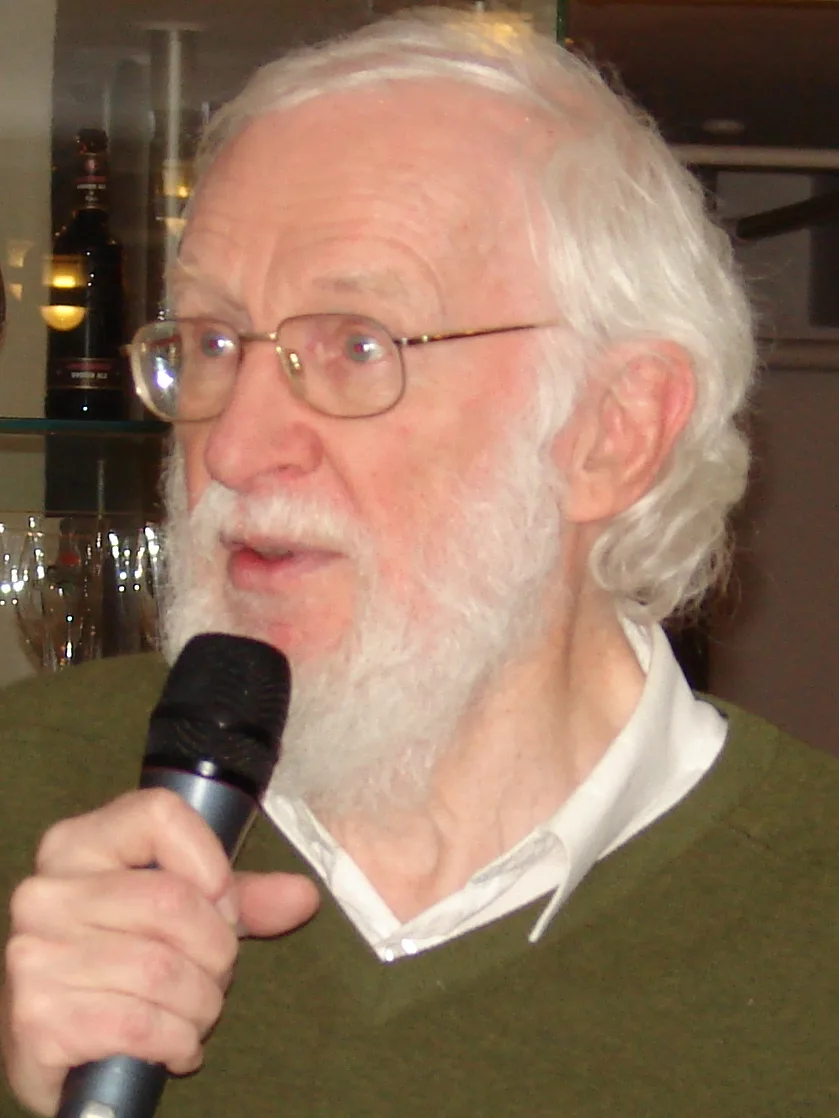 Science
Peter Naur
Danish computer scientist who edited the ALGOL 60 report and refined Backus–Naur form
1928 – 2016
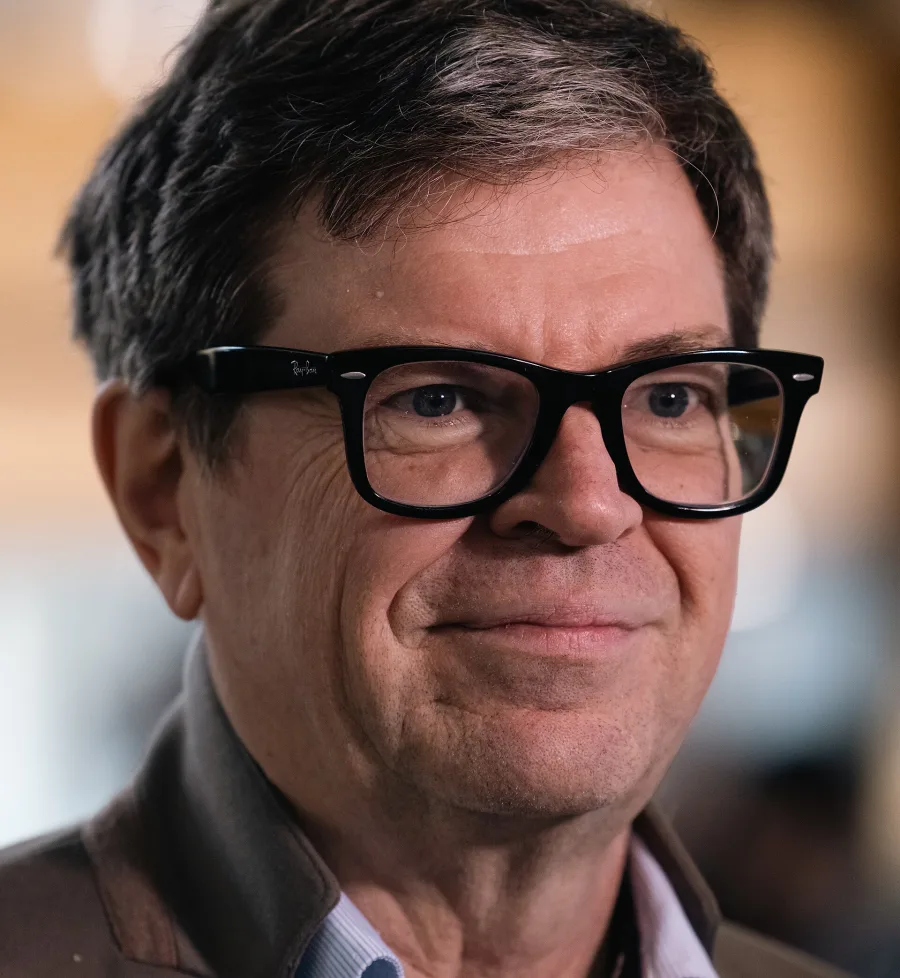 Science
Yann LeCun
French-American AI pioneer who invented convolutional neural networks
Born 1959
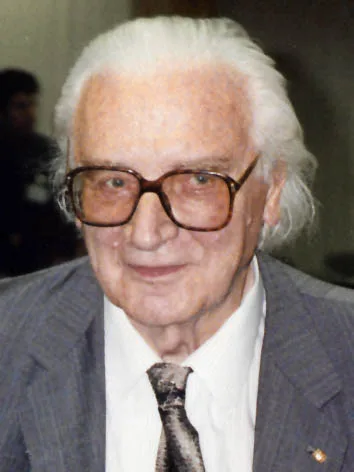 Science
Konrad Zuse
German engineer who built the first working programmable computer
1910 – 1995
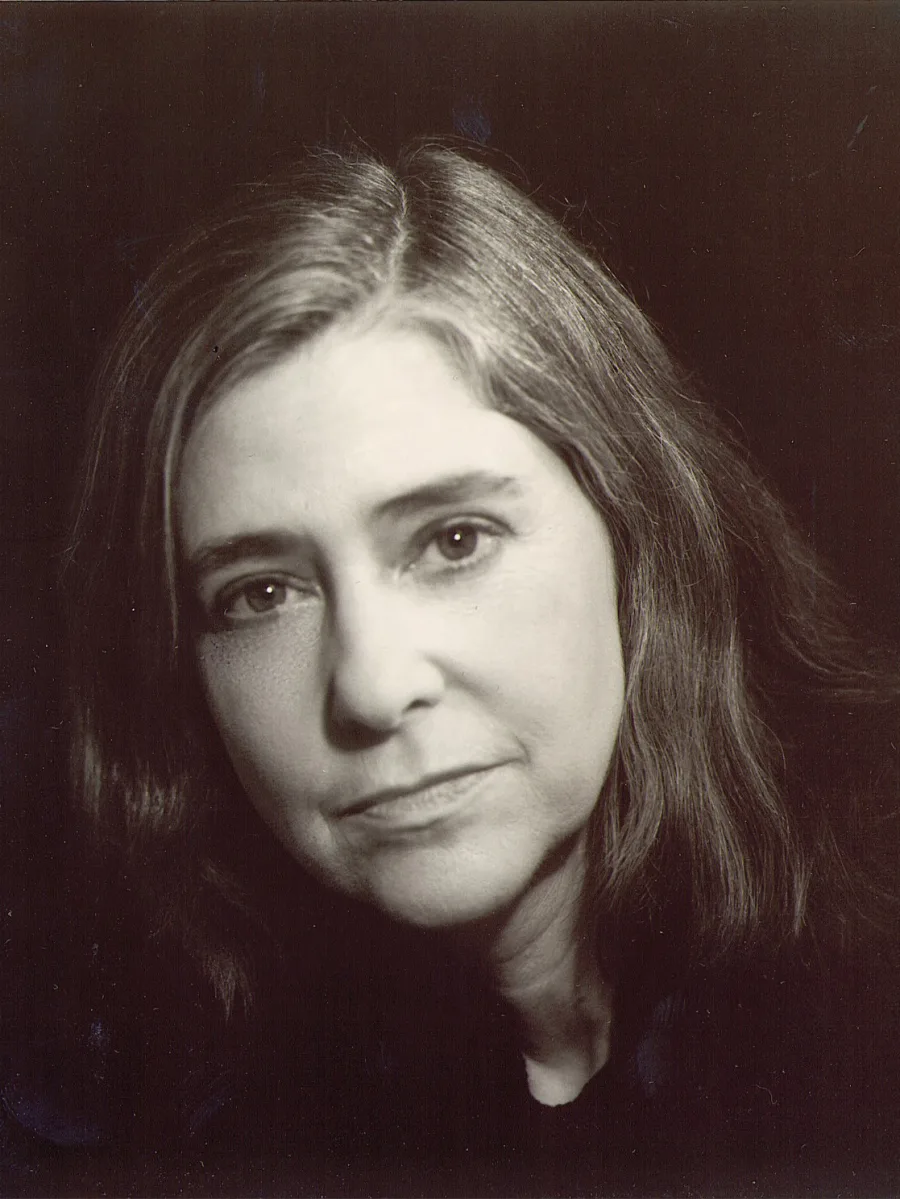 Science
Margaret Hamilton
MIT engineer who led the software for the Apollo Moon landings and coined “software engineering”
1936 – 2026
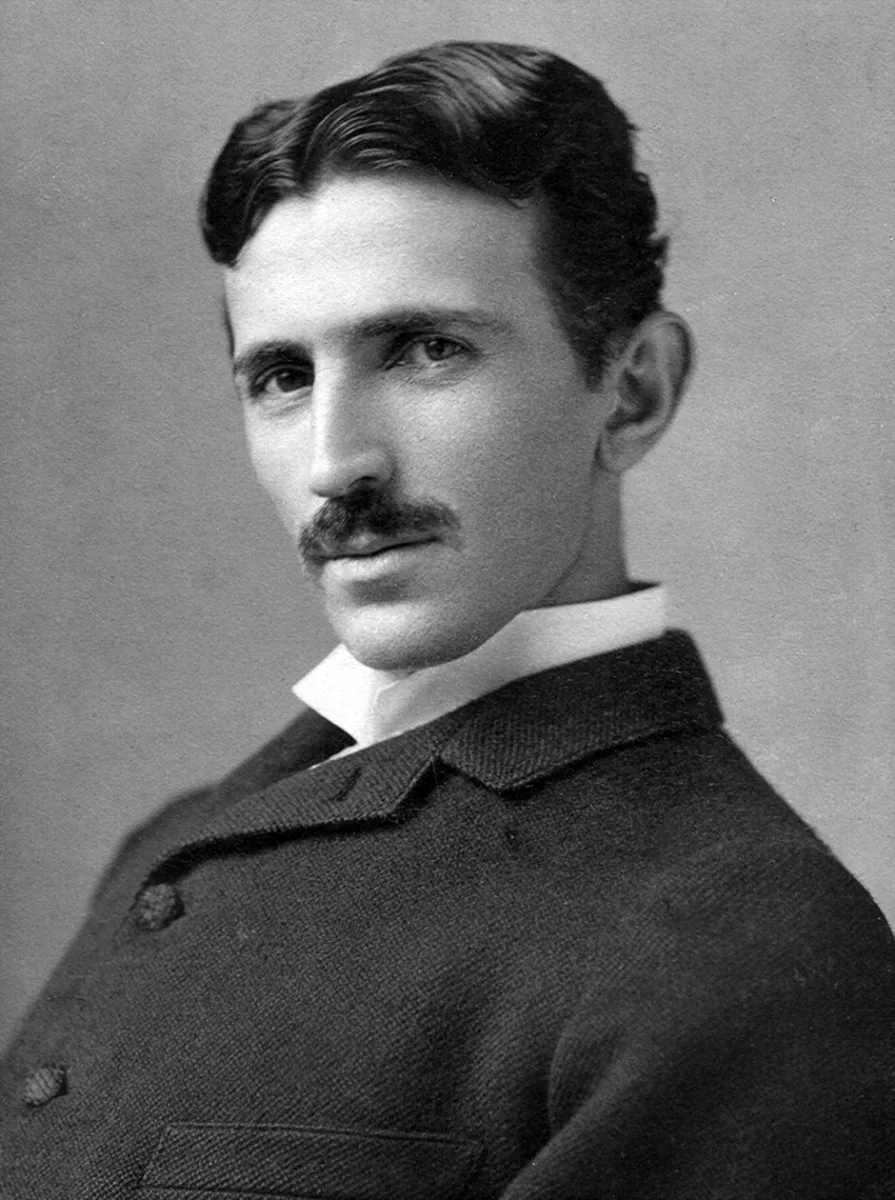 Science
Nikola Tesla
Serbian-American inventor of the alternating-current induction motor
1856 – 1943