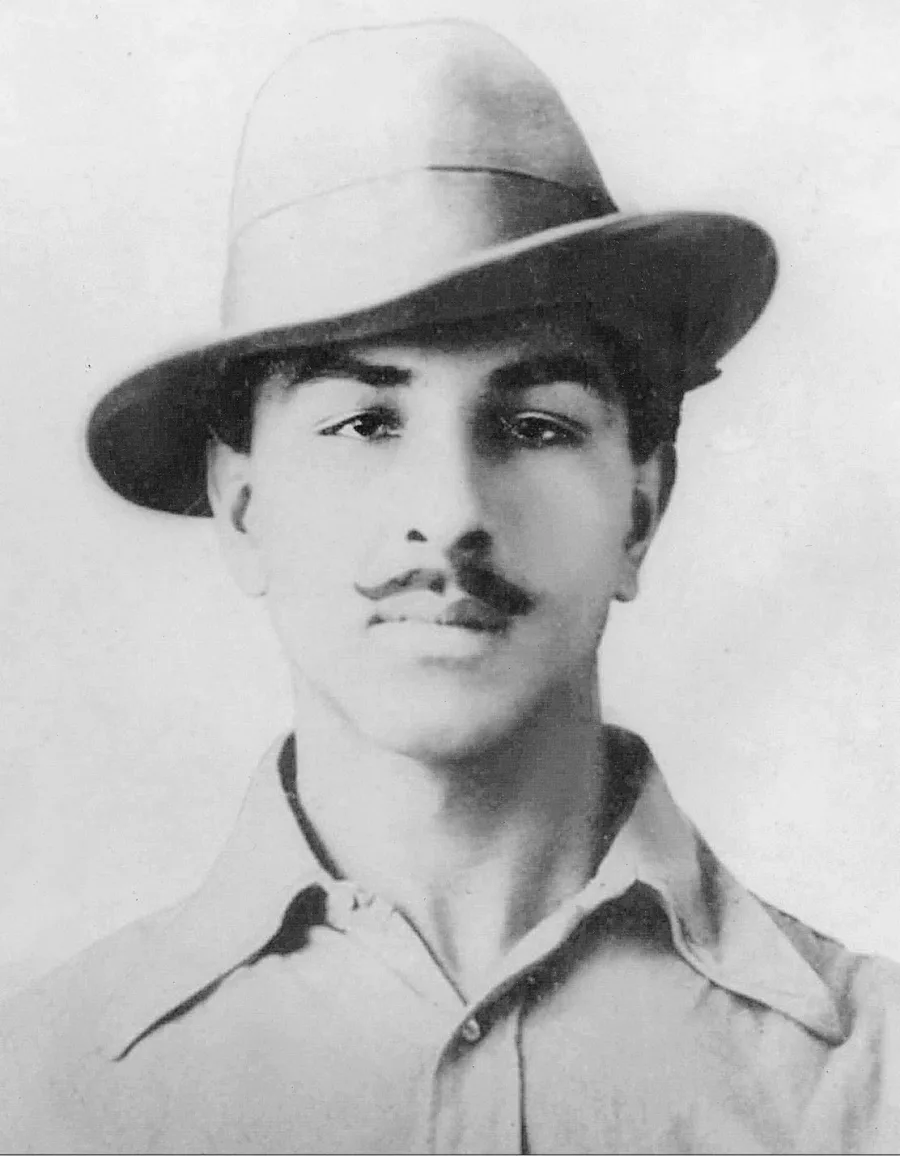
Bhagat Singh
Revolutionary executed by the British at 23
- Lived
- 23 yrs
- 1907 – 1931
- Works listed
- 1
- Essay
- Honours
- 0
- Awards & distinctions
- Profile views
- 1
- 0 followers
Bhagat Singh was a socialist revolutionary of the Indian independence movement. He took part in the killing of a British police officer to avenge Lala Lajpat Rai’s death and threw harmless bombs into the Central Legislative Assembly in 1929 to make the deaf hear. He was hanged in 1931, aged 23, and became a national martyr.
Biography
Revolutionary
He joined the Hindustan Republican Association, which he and his comrades renamed the Hindustan Socialist Republican Association in 1928. After Lala Lajpat Rai died following a police lathi charge, Bhagat Singh, Shivaram Rajguru and others shot a British police officer, John Saunders, in Lahore in December 1928, mistaking him for the officer responsible.
The Assembly bombs
On 8 April 1929 he and Batukeshwar Dutt threw two low-intensity bombs into the Central Legislative Assembly in Delhi, deliberately avoiding injury, shouted “Inquilab Zindabad” (“Long live the revolution”) and courted arrest so that their trial could spread their message.
Martyrdom
In prison he led a long hunger strike for better treatment of political prisoners and wrote essays including Why I Am an Atheist. He was tried for the Saunders killing and hanged in Lahore with Rajguru and Sukhdev on 23 March 1931. The day is observed as Shaheed Diwas (Martyrs’ Day), and he remains one of India’s most celebrated revolutionaries.
A family of patriots
Bhagat Singh grew up in a Sikh family involved in the freedom movement; his father and uncles were jailed for nationalist activities. The Jallianwala Bagh massacre of 1919, when he was eleven, deeply affected him. He studied at the National College in Lahore and read widely on socialism and revolution.
Why they matter
Bhagat Singh is one of the few freedom fighters equally claimed by the left, the right and ordinary Indians of all backgrounds. Executed at 23, he combined revolutionary action with serious political thought: his prison writings show a young man reading widely on socialism and arguing for a secular, egalitarian India. Unlike many revolutionaries of his time, he was more interested in spreading ideas than in violence for its own sake — the Assembly bombs were designed not to kill. That mix of courage and intellect explains his lasting appeal.
Timeline
-
1907
Born in Banga, Lyallpur district, Punjab, British India (now Pakistan)
-
1919
Jallianwala Bagh massacre
-
1928
Forms the HSRA; Saunders killing
-
1929
Assembly bombing; hunger strike in jail
-
1930
Writes Why I Am an Atheist
-
1931
Hanged in Lahore
-
1931
Died, aged 23
Notable works
-
1930
Why I Am an Atheist Essay
Did you know?
-
1
He was 23 when he was executed.
-
2
He popularised the slogan “Inquilab Zindabad”.
-
3
He read hundreds of books while in prison.
Connections
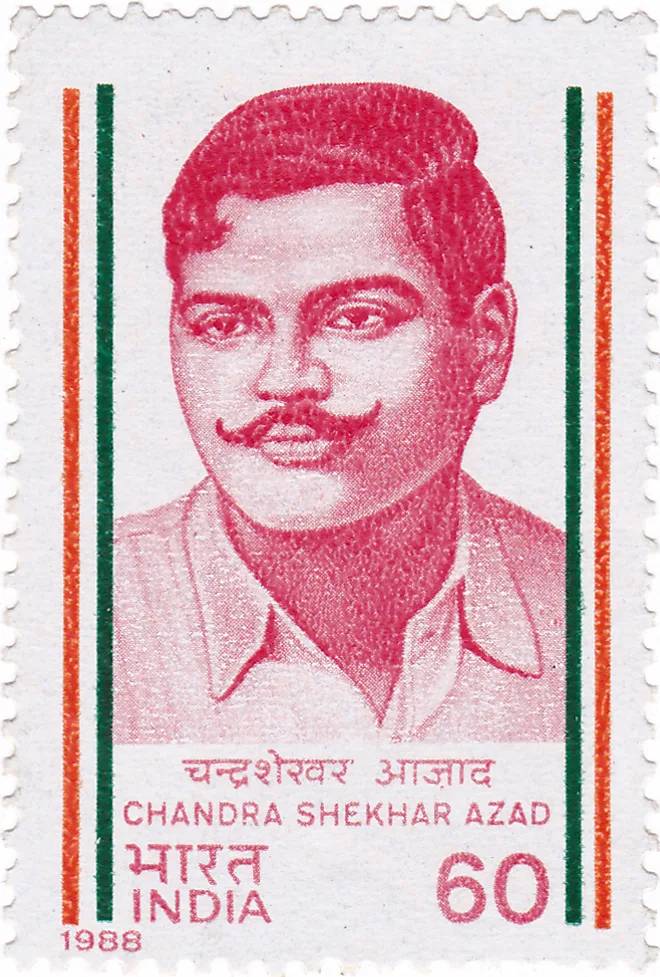
Related people
Frequently asked
Who is Bhagat Singh?
Bhagat Singh was a socialist revolutionary of the Indian independence movement. He took part in the killing of a British police officer to avenge Lala Lajpat Rai’s death and threw harmless bombs into the Central Legislative Assembly in 1929 to make the deaf hear. He was hanged in 1931, aged 23, and became a national martyr.
When did Bhagat Singh die?
Bhagat Singh died on 23 March 1931 at the age of 23.
Where is Bhagat Singh from?
Bhagat Singh was born in Banga, Lyallpur district, Punjab, British India (now Pakistan).
What is Bhagat Singh known for?
Bhagat Singh is best known for The 1929 Central Legislative Assembly bombing; “Inquilab Zindabad”; Why I Am an Atheist.
References
- Bhagat Singh — Wikipedia. Wikipedia. Retrieved 27 October 2026.
- Bhagat Singh — Britannica. Encyclopaedia Britannica. Retrieved 27 October 2026.
- Bhagat Singh — Hindi Wikipedia. Wikipedia (Hindi). Retrieved 27 October 2026.
- Bhagat Singh (Q377808) — structured data. Wikidata. Retrieved 27 October 2026.
Includes material from the Wikipedia article “Bhagat Singh”, licensed under CC BY-SA 4.0. That text is available under the same licence. Learn more
External links
Featured in
About this profile
- Researched by the TrackFame editorial team; reviewed by Sanjay Sokal under our editorial policy
- First published 27 October 2026
- Last updated
Cite this page
“Bhagat Singh.” TrackFame, last updated 28 October 2026. https://trackfame.com/person/bhagat-singh
Discussion 0
Sign in or create an account to join the discussion.
No comments yet — be the first.
More in Politics & Leadership
 Politics & Leadership
B. R. Ambedkar
Principal architect of the Constitution of India and India’s first Law Minister
1891 – 1956
 Politics & Leadership
Jawaharlal Nehru
First Prime Minister of India (1947–1964)
1889 – 1964
 Politics & Leadership
Subhas Chandra Bose
Freedom fighter and leader of the Indian National Army
1897 – 1945
 Politics & Leadership
Mahatma Gandhi
Leader of India’s independence movement and pioneer of non-violent resistance
1869 – 1948
 Politics & Leadership
Rajendra Prasad
First President of India (1950–1962)
1884 – 1963
 Politics & Leadership
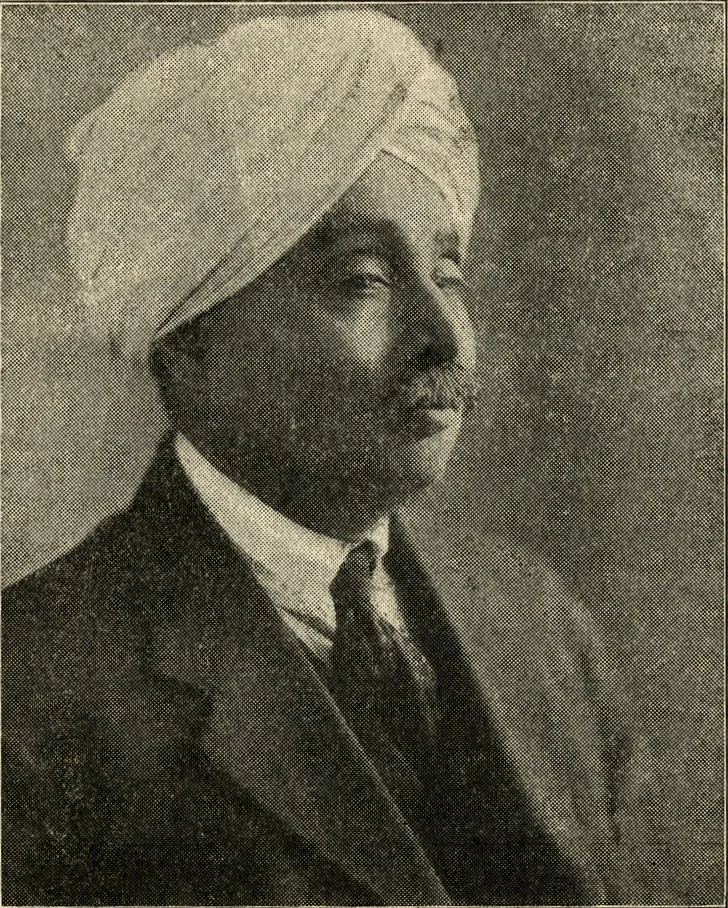
Lala Lajpat Rai
Nationalist leader known as the “Lion of Punjab”
1865 – 1928