Captain Cool: the decisions that made Dhoni India’s greatest captain
MS Dhoni is the only captain to win all three major ICC white-ball trophies. These are the bold calls and calm moments that defined his leadership.
By the TrackFame editorial team 2 min read

MS Dhoni is the only captain in cricket history to win the ICC T20 World Cup, the ODI World Cup and the Champions Trophy. What made his captaincy special was not only the trophies but the way he won them: calm under pressure, willing to take unusual risks and quick to back young players.
Here are the decisions and moments that defined “Captain Cool”.
2007: Joginder Sharma’s final over
Dhoni was a surprise choice to lead a young Indian side at the first World T20 in South Africa. In the final against Pakistan in Johannesburg, Pakistan needed 13 from the last over with Misbah-ul-Haq batting. Instead of the experienced Harbhajan Singh, Dhoni gave the ball to the little-known medium-pacer Joginder Sharma. Misbah scooped a ball to short fine leg, and India were champions. The decision became a symbol of Dhoni’s faith in instinct and in reading the moment.
2008–2011: building the team
Dhoni pushed for fitter, younger players and backed them through failures. He also handled the big personalities of the time — Sachin Tendulkar, Sourav Ganguly, Rahul Dravid — while giving opportunities to players such as Virat Kohli and Suresh Raina.
2011: promoting himself in the World Cup final
In the final at the Wankhede Stadium, India were 114 for 3 chasing 275 against Sri Lanka. In-form Yuvraj Singh was due next, but Dhoni promoted himself to face Muttiah Muralitharan, whom he knew well from IPL matches. He made 91 not out and finished the match with a six over long-on, one of the most famous shots in Indian sport. India won their first World Cup in 28 years.
2013: Ishant Sharma at Edgbaston
In the rain-shortened Champions Trophy final against England, Dhoni brought back Ishant Sharma, who had been expensive, for a key over. Ishant took two wickets in two balls, and India won by five runs. Again Dhoni had trusted a hunch.
Fields and spin
Dhoni was known for unusual field placings and for bowling spinners at key moments. He often stood up to the stumps to medium-pacers to stop batters leaving the crease, and his lightning stumpings put pressure on batters even when he was not captaining.
The DRS nickname
His accuracy in deciding when to ask for a review led fans to joke that DRS stood for “Dhoni Review System”.
Leading from behind
Dhoni preferred quiet leadership. He rarely raised his voice on the field, gave younger players credit and often stood at the back during trophy photos, letting others hold the cup.
The Test captain
As Test captain he took India to the top of the ICC rankings for the first time in 2009. He retired from Tests suddenly in December 2014, in the middle of a series in Australia.
The CSK years
In the IPL he led Chennai Super Kings to five titles, built a settled core and made shrewd use of experienced players. CSK’s consistency — reaching the play-offs in most seasons — became a model for franchise cricket.
Why it still matters
Many captains are remembered for aggression or tactical genius. Dhoni is remembered for composure. Players who served under him describe a leader who took pressure on himself so that others could play freely. That approach, more than any single trophy, explains why many fans regard him as India’s greatest captain.
People in this article
Sports
MS Dhoni
Former India captain and wicketkeeper-batsman; winner of three ICC trophies
Born 1981
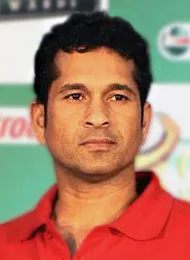 Sports
Sachin Tendulkar
Cricketer; the leading run-scorer in the history of Test and ODI cricket
Born 1973
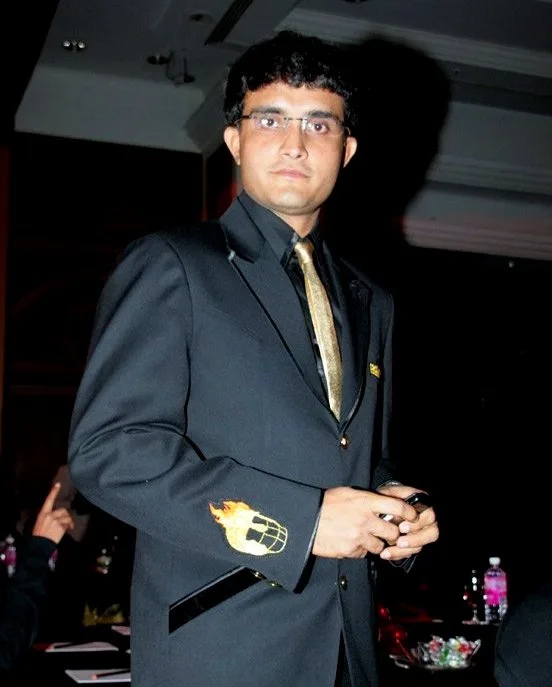 Sports
Sourav Ganguly
Former India captain and BCCI president
Born 1972
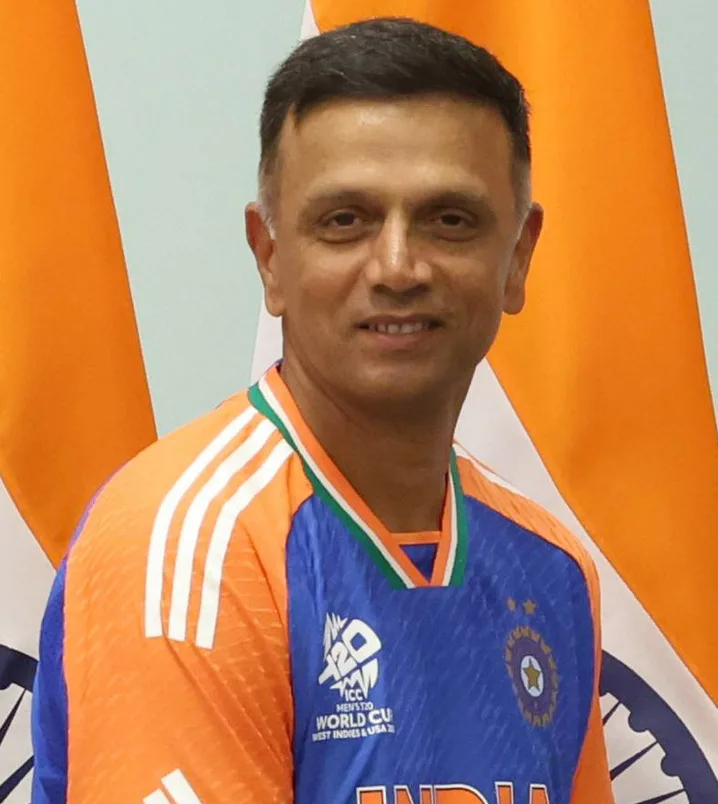 Sports
Rahul Dravid
Former India batsman and captain, later head coach of the T20 World Cup-winning team
Born 1973
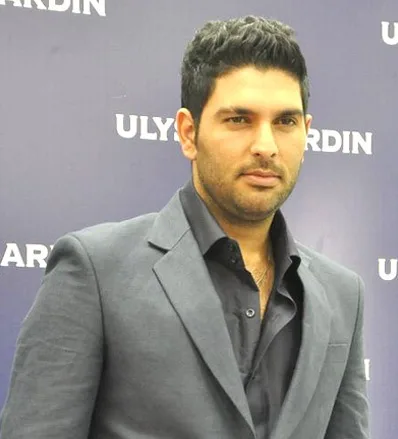 Sports
Yuvraj Singh
All-rounder who hit six sixes in an over and starred in the 2011 World Cup
Born 1981
More articles
All articlesTechnology
What Meta owns: Facebook, Instagram, WhatsApp, Threads and Quest explained
Meta Platforms owns some of the most-used apps on Earth. A simple guide to Facebook, Instagram, WhatsApp, Messenger, Threads, Quest headsets and Ray-Ban Meta glasses.
4 November 2026
Technology
From a Harvard dorm to Meta: the Facebook story
In 2004 a 19-year-old student launched a website from his Harvard dorm room. Two decades later it had become Meta, used by billions. The story of Facebook and Mark Zuckerberg.
4 November 2026
Technology
Zuckerberg’s superintelligence bet: inside Meta’s biggest AI push
Mark Zuckerberg has made “superintelligence” Meta’s top priority, hiring top researchers and spending heavily on data centres. What Meta Superintelligence Labs is and what it has released.
4 November 2026