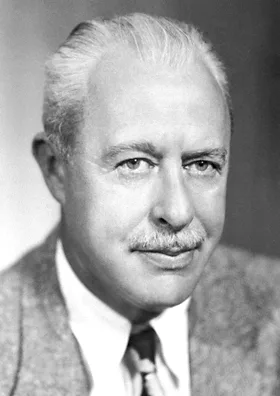
Walter Brattain
Bell Labs physicist who co-invented the transistor
- Lived
- 85 yrs
- 1902 – 1987
- Works listed
- 1
- Paper
- Honours
- 3
- Most recent 1956
- Profile views
- 2
- 0 followers
Walter Brattain was an American physicist at Bell Labs who, with John Bardeen, built the first working transistor in December 1947. They shared the 1956 Nobel Prize in Physics with William Shockley.
Biography
Early life
Brattain was born in Xiamen, China, where his American father was teaching, and grew up on a cattle ranch in Washington state. He studied at Whitman College and the University of Oregon and earned a PhD at the University of Minnesota.
Bell Labs
He joined Bell Labs in 1929 and studied the surface properties of semiconductors. During the Second World War he worked on detecting submarines.
The transistor
Working with theorist John Bardeen, Brattain — a skilled experimenter — pressed two gold contacts into a germanium crystal on 16 December 1947, creating an amplifier. The point-contact transistor was demonstrated to Bell Labs managers on 23 December.
Teaching
After Bell Labs he taught at his old college, Whitman, until 1972. He died in Seattle in 1987.
Timeline
-
1902
Born in Xiamen, China
-
1929
Joins Bell Labs
-
1947
Transistor with John Bardeen
-
1952
Stuart Ballantine Medal
-
1956
Nobel Prize in Physics
-
1967
Returns to Whitman College
-
1987
Dies in Seattle
-
1987
Died, aged 85
Notable works
-
1948
The Transistor, A Semi-Conductor Triode Paper
With John Bardeen.
Awards and honours
-
Stuart Ballantine Medal
1952
-
John Scott Award
1954
-
Nobel Prize in Physics
1956
Did you know?
-
1
He grew up on a cattle ranch.
-
2
He used a paper clip and gold foil in the first transistor.
-
3
He worked at Bell Labs for nearly four decades.
Connections
Related people
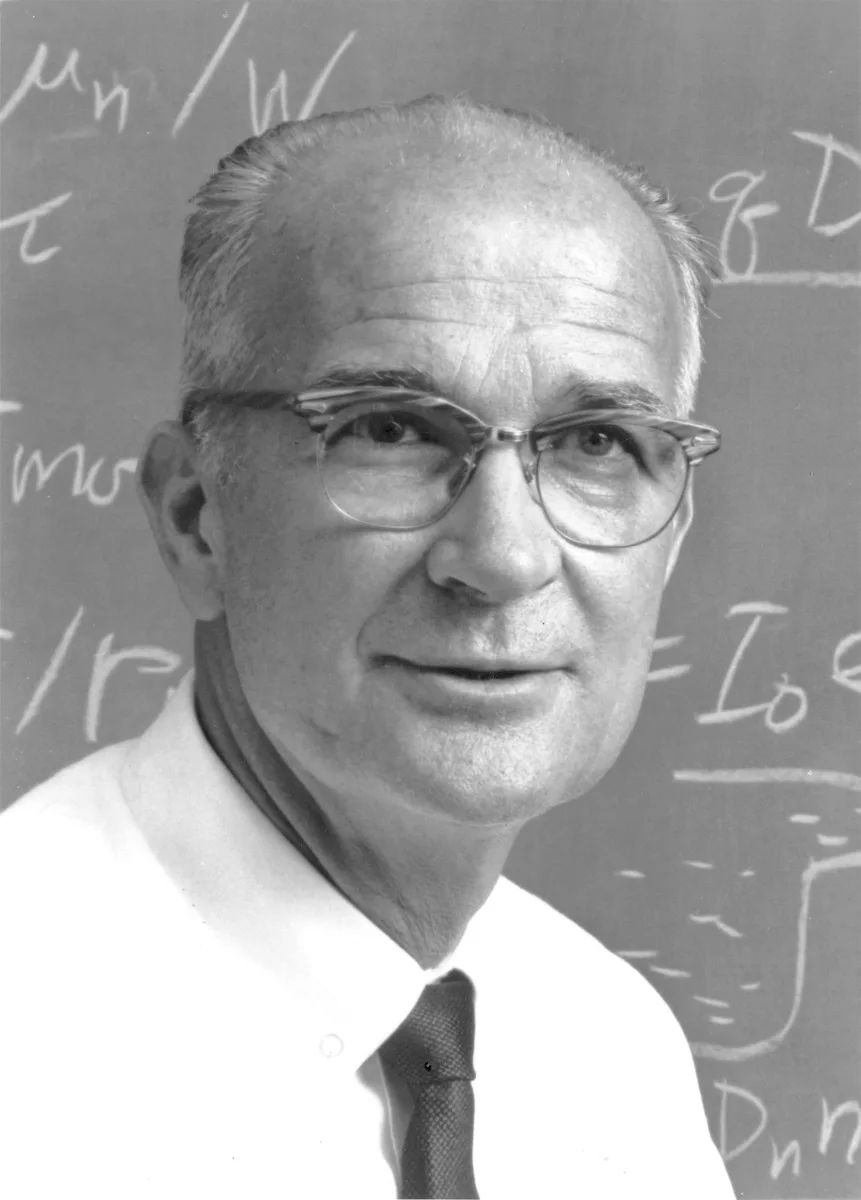
Also born on 10 February
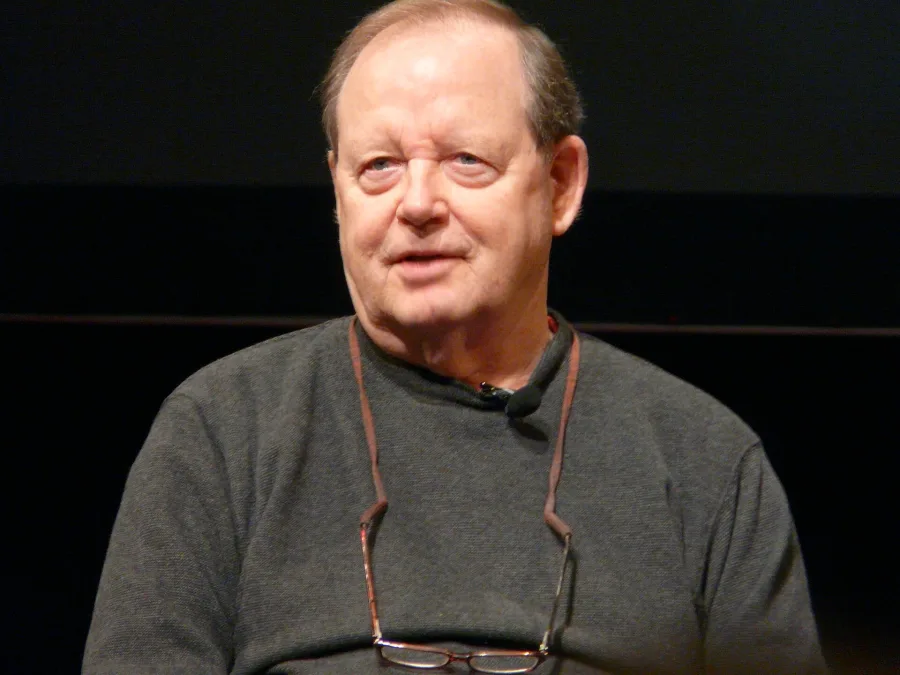

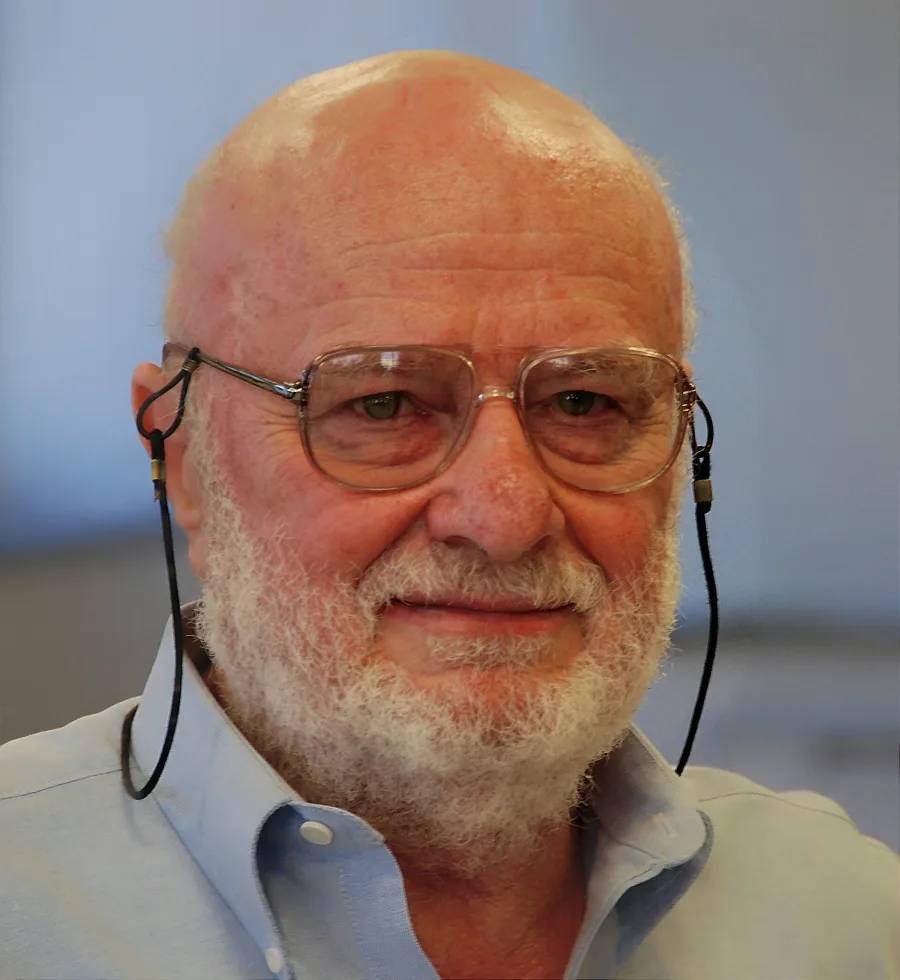
Frequently asked
Who is Walter Brattain?
Walter Brattain was an American physicist at Bell Labs who, with John Bardeen, built the first working transistor in December 1947. They shared the 1956 Nobel Prize in Physics with William Shockley.
When did Walter Brattain die?
Walter Brattain died on 13 October 1987 at the age of 85.
Where is Walter Brattain from?
Walter Brattain was born in Xiamen, China.
What is Walter Brattain known for?
Walter Brattain is best known for Co-inventing the point-contact transistor (1947); Nobel Prize in Physics 1956.
What awards has Walter Brattain received?
Notable honours include Stuart Ballantine Medal (1952), John Scott Award (1954), Nobel Prize in Physics (1956).
References
- Walter Brattain — Wikipedia. Wikipedia. Retrieved 4 November 2026.
- Walter Brattain — Britannica. Encyclopaedia Britannica. Retrieved 4 November 2026.
- Walter Brattain — Nobel Prize facts. NobelPrize.org. Retrieved 4 November 2026.
- Walter Brattain — Hindi Wikipedia. Wikipedia (Hindi). Retrieved 4 November 2026.
- Walter Brattain (Q184577) — structured data. Wikidata. Retrieved 4 November 2026.
Includes material from the Wikipedia article “Walter Brattain”, licensed under CC BY-SA 4.0. That text is available under the same licence. Learn more
External links
About this profile
- Researched by the TrackFame editorial team; reviewed by Sanjay Sokal under our editorial policy
- First published 4 November 2026
- Last updated
Cite this page
“Walter Brattain.” TrackFame, last updated 5 November 2026. https://trackfame.com/person/walter-brattain
Discussion 0
Sign in or create an account to join the discussion.
No comments yet — be the first.
More in Science
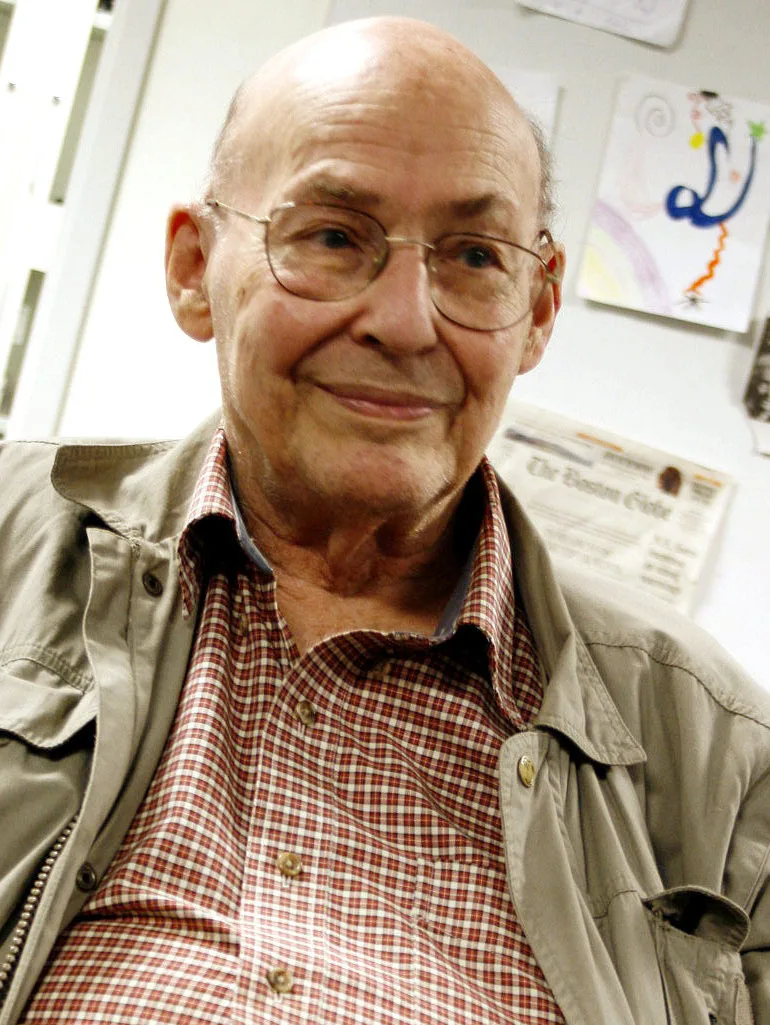 Science
Marvin Minsky
Co-founder of MIT’s artificial intelligence laboratory and a founding father of AI
1927 – 2016
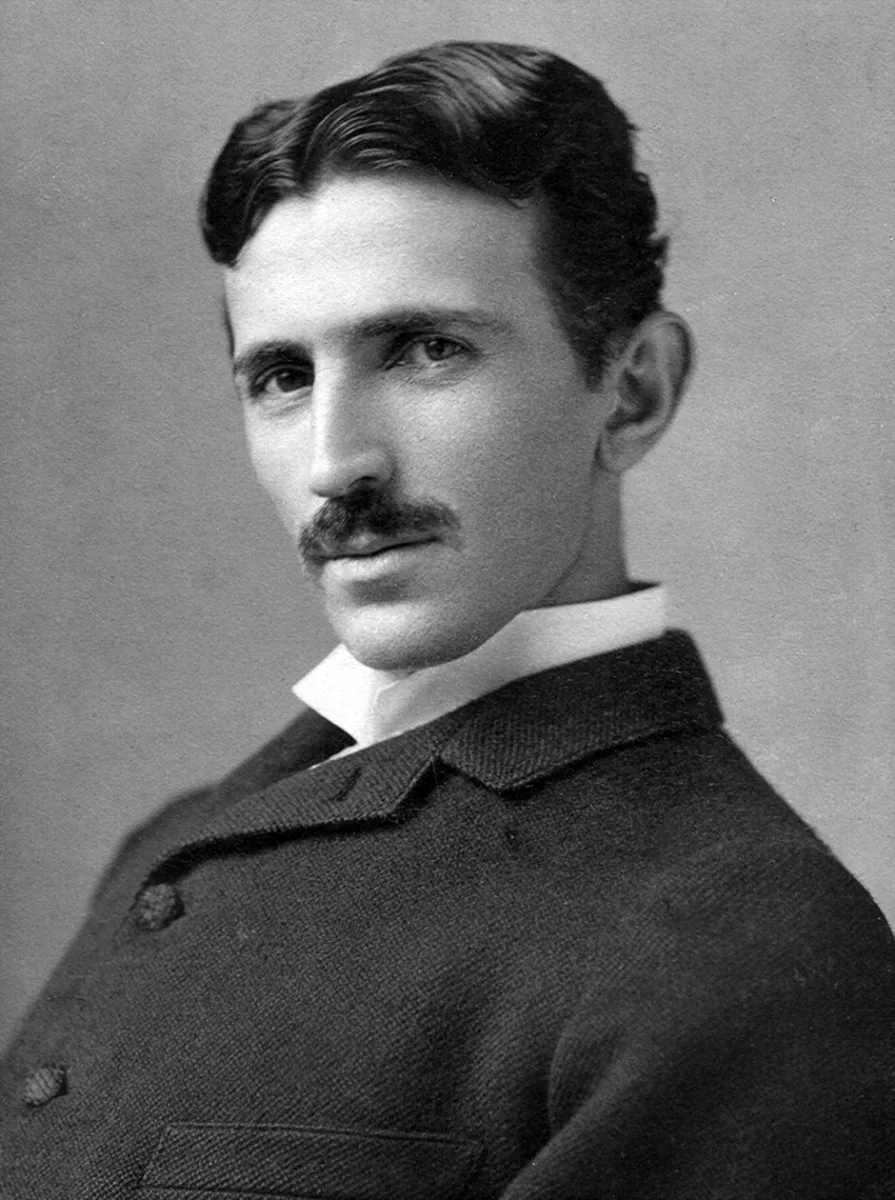 Science
Nikola Tesla
Serbian-American inventor of the alternating-current induction motor
1856 – 1943
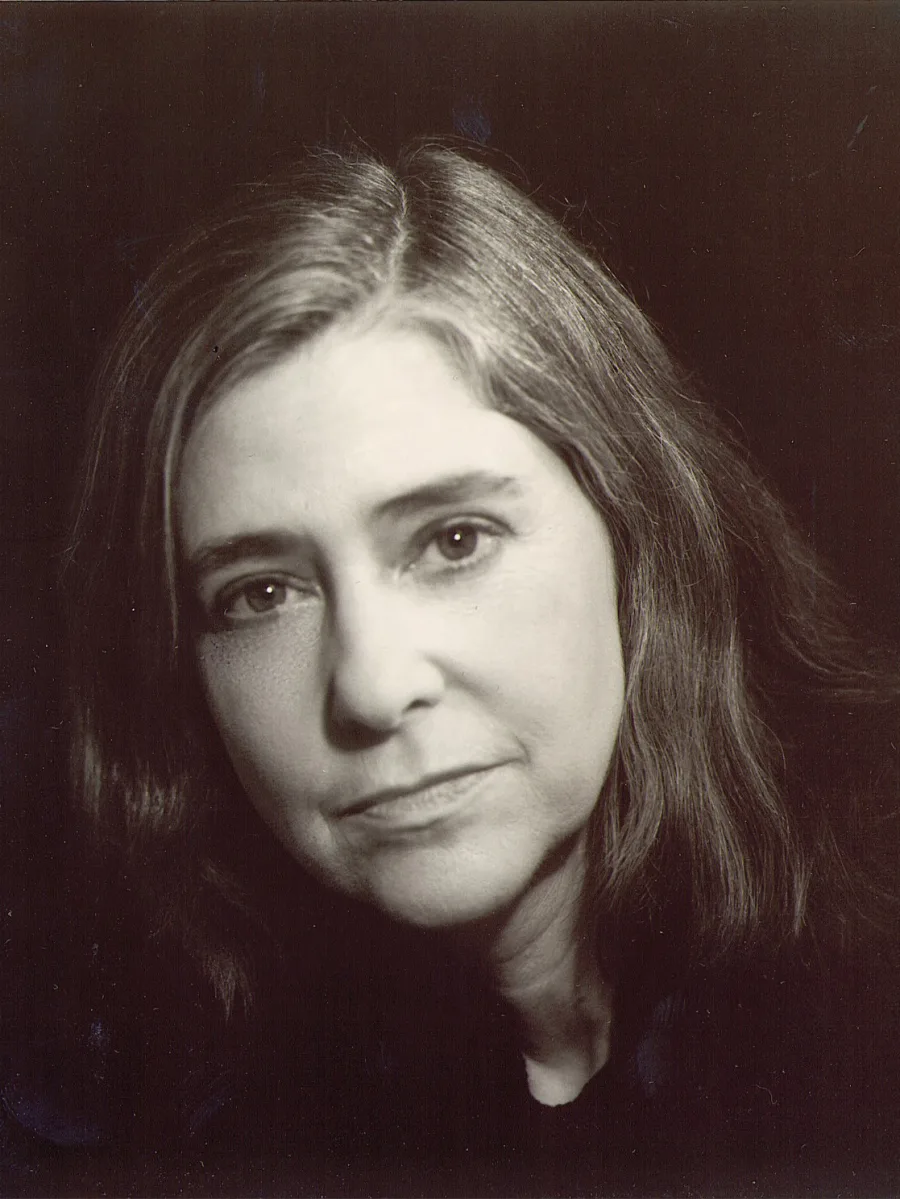 Science
Margaret Hamilton
MIT engineer who led the software for the Apollo Moon landings and coined “software engineering”
1936 – 2026
 Science
Yann LeCun
French-American AI pioneer who invented convolutional neural networks
Born 1959
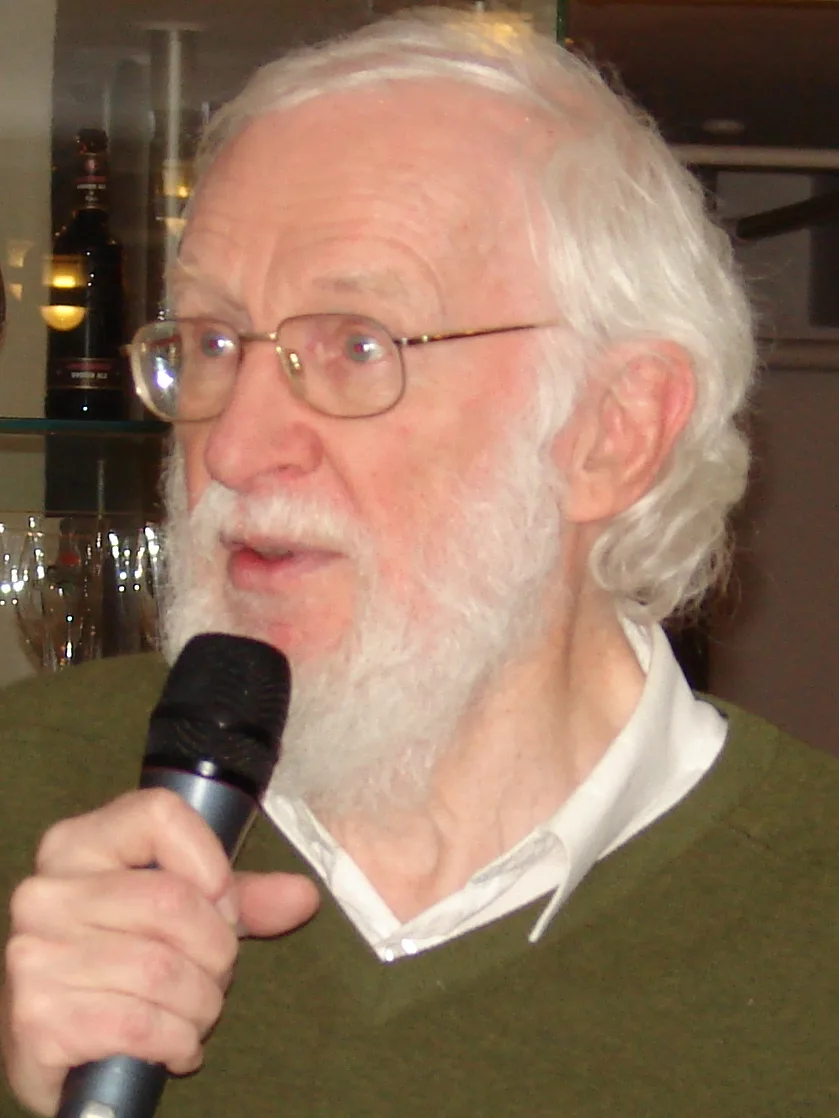 Science
Peter Naur
Danish computer scientist who edited the ALGOL 60 report and refined Backus–Naur form
1928 – 2016
 Science
Michael Faraday
Self-taught scientist who discovered electromagnetic induction
1791 – 1867