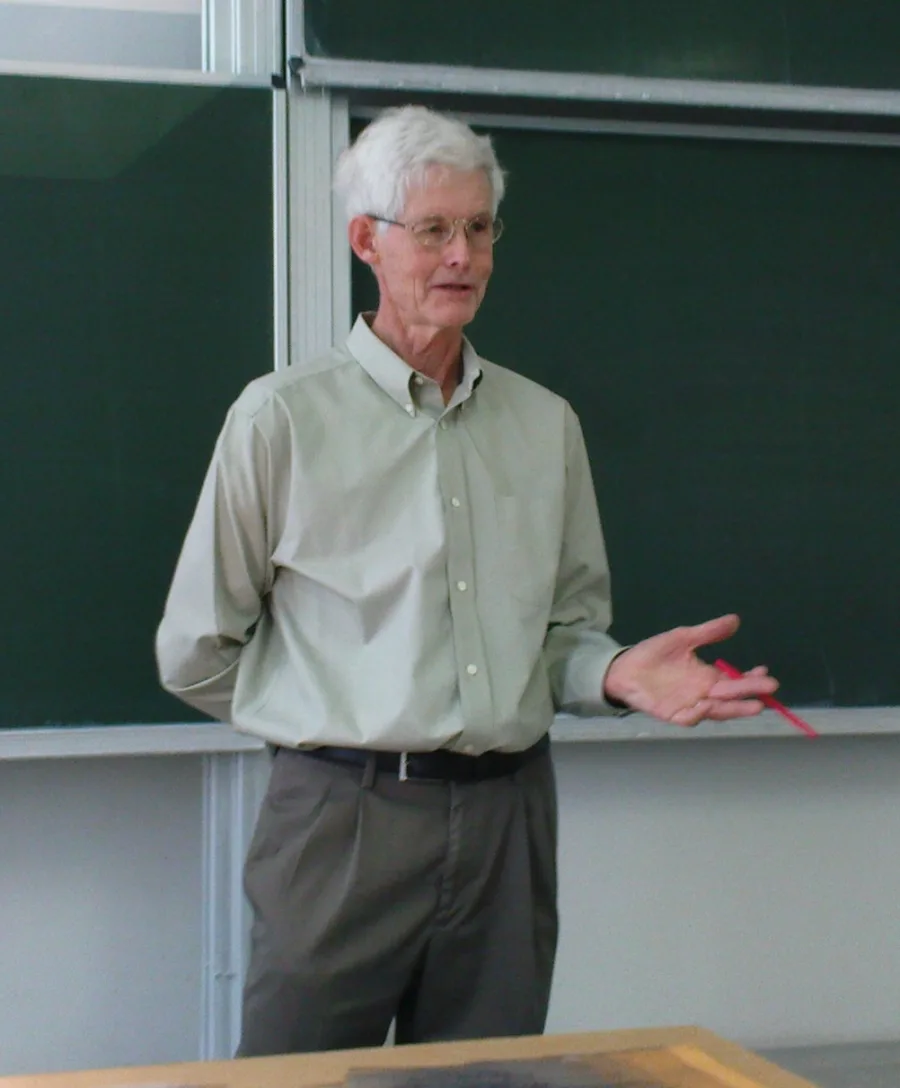
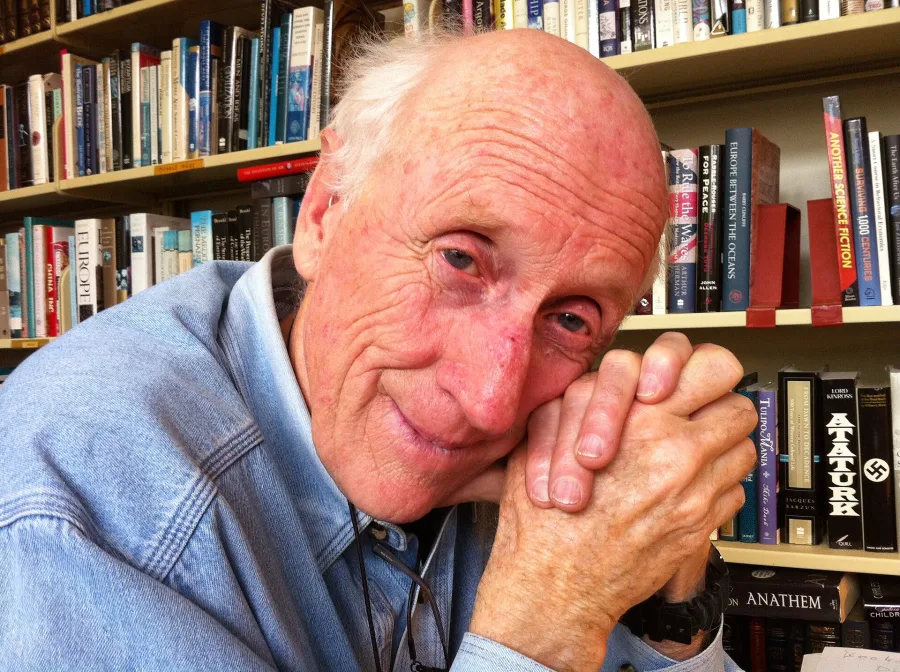
Stephen Cook
Computer scientist who formulated the P versus NP problem
- Age
- 86 yrs
- Birthday in 38 days
- Works listed
- 1
- Paper
- Honours
- 3
- Most recent 2015
- Profile views
- 4
- 0 followers
Stephen Cook is an American-Canadian computer scientist whose 1971 paper introduced NP-completeness and framed the P versus NP problem, one of the most important unsolved questions in mathematics. He received the Turing Award in 1982 and is a professor at the University of Toronto.
Biography
Education
Cook grew up near Buffalo, New York, studied at the University of Michigan and earned his PhD in mathematics at Harvard in 1966.
NP-completeness
At the University of California, Berkeley, and then Toronto, Cook wrote “The Complexity of Theorem-Proving Procedures” (1971). It showed that the Boolean satisfiability problem is as hard as any problem whose solutions can be checked quickly — the first NP-complete problem. Leonid Levin independently found similar results in the Soviet Union.
P versus NP
The question of whether every problem whose solution can be checked quickly can also be solved quickly — P versus NP — grew out of his work. It is one of the Clay Mathematics Institute’s Millennium Prize Problems, with a $1 million reward.
Toronto
Cook moved to the University of Toronto in 1970 after Berkeley declined to give him tenure. He has worked on proof complexity and logic, and was made an Officer of the Order of Canada in 2015.
Timeline
-
1939
Born in Buffalo, New York, United States
-
1966
PhD from Harvard
-
1970
Moves to the University of Toronto
-
1971
Introduces NP-completeness
-
1982
Turing Award
-
2012
Gerhard Herzberg Canada Gold Medal
-
2015
Officer of the Order of Canada
Notable works
-
1971
The Complexity of Theorem-Proving Procedures Paper
Awards and honours
-
Turing Award
1982
-
Gerhard Herzberg Canada Gold Medal
2012
-
Officer of the Order of Canada
2015
Did you know?
-
1
Berkeley’s refusal to grant him tenure is often cited as one of academia’s great mistakes.
-
2
P versus NP carries a $1 million Millennium Prize.
-
3
He is also a keen sailor and violinist.
Connections
Related people
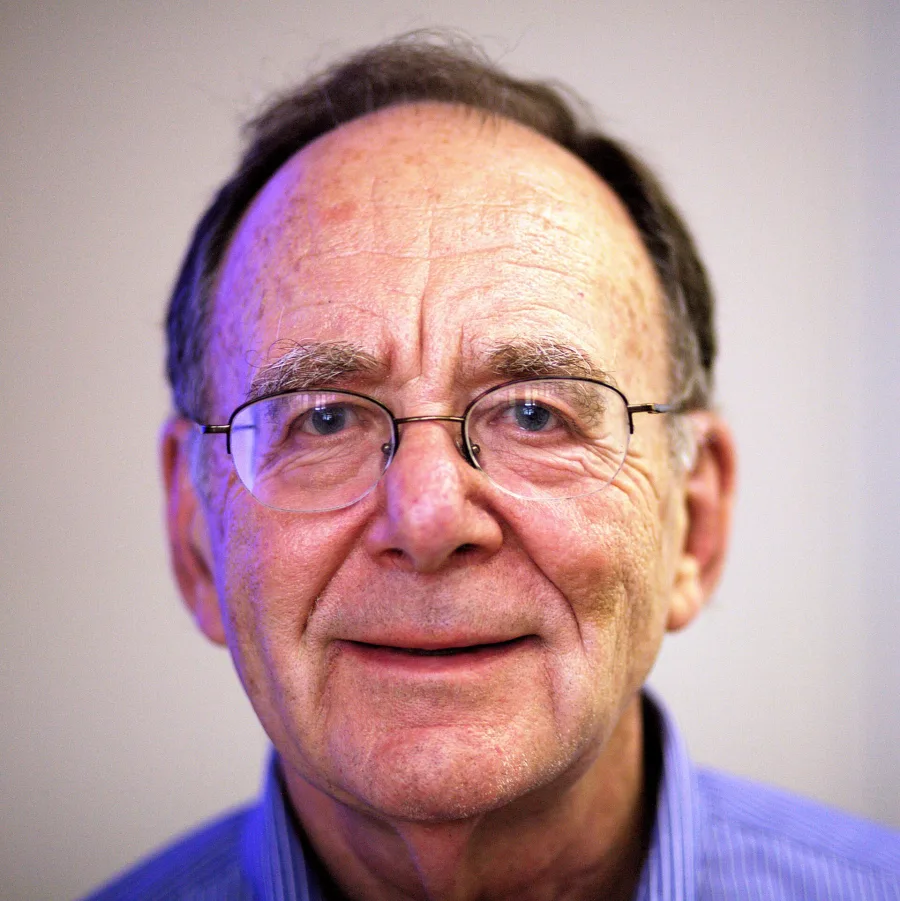
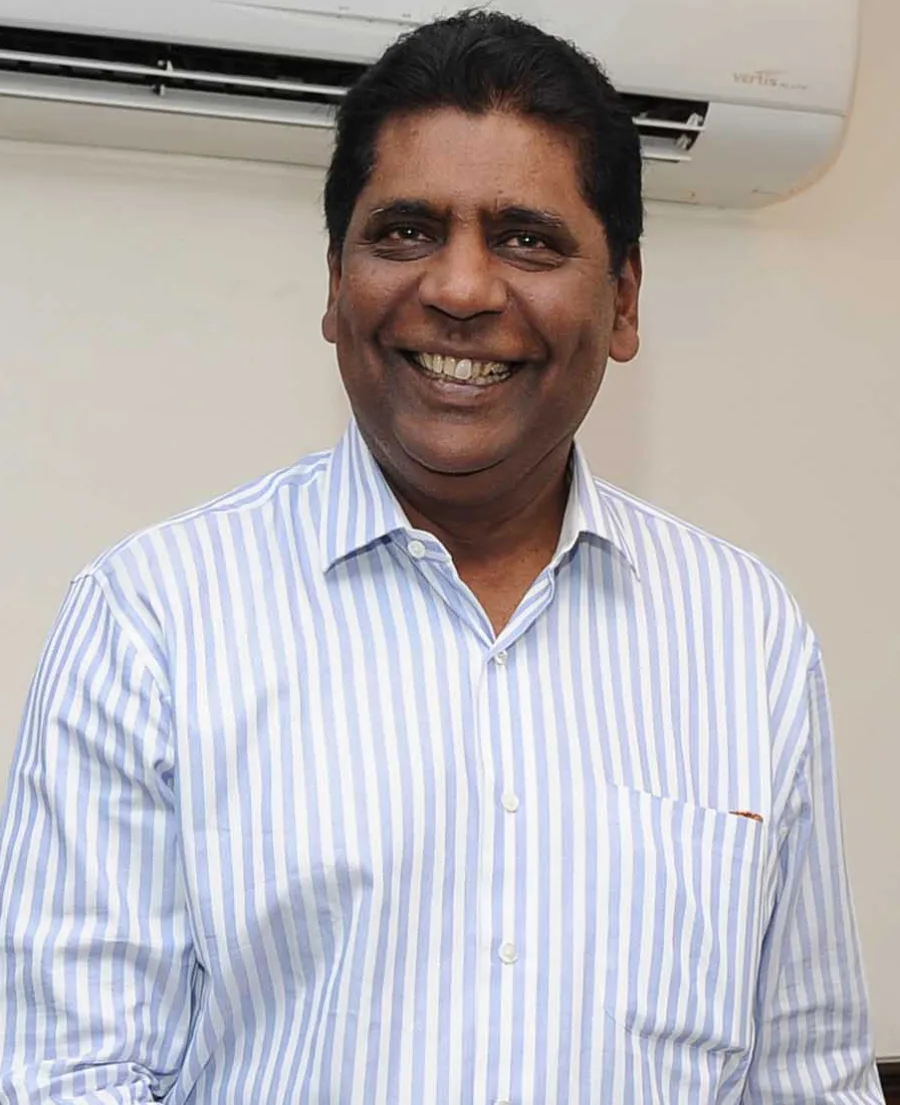
Also born on 14 December
Frequently asked
Who is Stephen Cook?
Stephen Cook is an American-Canadian computer scientist whose 1971 paper introduced NP-completeness and framed the P versus NP problem, one of the most important unsolved questions in mathematics. He received the Turing Award in 1982 and is a professor at the University of Toronto.
How old is Stephen Cook?
Stephen Cook is 86 years old, born on 14 December 1939 in Buffalo, New York, United States.
Where is Stephen Cook from?
Stephen Cook was born in Buffalo, New York, United States.
What is Stephen Cook known for?
Stephen Cook is best known for NP-completeness; the Cook–Levin theorem; Turing Award 1982.
What awards has Stephen Cook received?
Notable honours include Turing Award (1982), Gerhard Herzberg Canada Gold Medal (2012), Officer of the Order of Canada (2015).
References
- Stephen Cook — Wikipedia. Wikipedia. Retrieved 4 November 2026.
- Stephen Cook — Britannica. Encyclopaedia Britannica. Retrieved 4 November 2026.
- Official website. www.cs.toronto.edu. Retrieved 4 November 2026.
- Stephen Cook (Q62870) — structured data. Wikidata. Retrieved 4 November 2026.
Includes material from the Wikipedia article “Stephen Cook”, licensed under CC BY-SA 4.0. That text is available under the same licence. Learn more
External links
About this profile
- Researched by the TrackFame editorial team; reviewed by Sanjay Sokal under our editorial policy
- First published 4 November 2026
- Last updated
Cite this page
“Stephen Cook.” TrackFame, last updated 5 November 2026. https://trackfame.com/person/stephen-cook
Discussion 0
Sign in or create an account to join the discussion.
No comments yet — be the first.
More in Science
 Science
Margaret Hamilton
MIT engineer who led the software for the Apollo Moon landings and coined “software engineering”
1936 – 2026
 Science
Marvin Minsky
Co-founder of MIT’s artificial intelligence laboratory and a founding father of AI
1927 – 2016
 Science
Nikola Tesla
Serbian-American inventor of the alternating-current induction motor
1856 – 1943
 Science
Yann LeCun
French-American AI pioneer who invented convolutional neural networks
Born 1959
 Science
Peter Naur
Danish computer scientist who edited the ALGOL 60 report and refined Backus–Naur form
1928 – 2016
 Science
Michael Faraday
Self-taught scientist who discovered electromagnetic induction
1791 – 1867