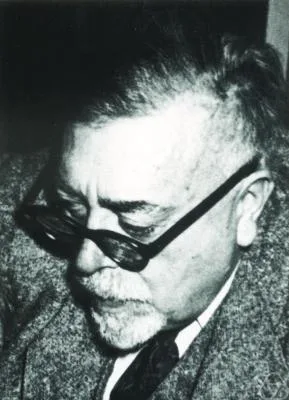
Norbert Wiener
MIT mathematician who founded cybernetics
- Lived
- 69 yrs
- 1894 – 1964
- Works listed
- 3
- Book
- Honours
- 3
- Most recent 1965
- Profile views
- 0
- 0 followers
Norbert Wiener was an American mathematician at MIT who founded cybernetics, the study of control and communication in animals and machines. His work on feedback, noise and prediction influenced engineering, computing and artificial intelligence, and he warned early about the social effects of automation.
Biography
Child prodigy
Wiener entered Tufts College at 11 and earned his Harvard PhD at 18. He studied with Bertrand Russell in Cambridge and David Hilbert in Göttingen, then joined MIT in 1919, where he stayed for the rest of his career.
Mathematics
He gave the mathematical description of Brownian motion now called the Wiener process, which is used in physics and finance, and made major contributions to harmonic analysis.
War work and cybernetics
Working on anti-aircraft fire control during the Second World War, he developed methods for predicting signals in noise, known as the Wiener filter. His 1948 book Cybernetics described feedback as the key to how both living things and machines regulate themselves.
Ethics of technology
In The Human Use of Human Beings (1950) Wiener warned that automation could replace human workers and urged scientists to think about the consequences of their work. He refused to work on weapons after 1945. He died in Stockholm in 1964.
Timeline
-
1894
Born in Columbia, Missouri, United States
-
1906
Enters Tufts College aged 11
-
1913
PhD from Harvard
-
1919
Joins MIT
-
1923
Mathematical theory of Brownian motion
-
1948
Publishes Cybernetics
-
1950
The Human Use of Human Beings
-
1964
Dies in Stockholm
-
1964
Died, aged 69
Notable works
-
1948
Cybernetics: Or Control and Communication in the Animal and the Machine Book
-
1950
The Human Use of Human Beings Book
-
1964
God & Golem, Inc. Book
Awards and honours
-
Bôcher Memorial Prize
1933
-
National Medal of Science
1963
-
National Book Award
1965
Did you know?
-
1
The prefix “cyber-” in words like cyberspace comes from his “cybernetics”.
-
2
He was famously absent-minded, the subject of many MIT anecdotes.
-
3
His father was a professor of Slavic languages at Harvard.
Connections
Related people
Frequently asked
Who is Norbert Wiener?
Norbert Wiener was an American mathematician at MIT who founded cybernetics, the study of control and communication in animals and machines. His work on feedback, noise and prediction influenced engineering, computing and artificial intelligence, and he warned early about the social effects of automation.
When did Norbert Wiener die?
Norbert Wiener died on 18 March 1964 at the age of 69.
Where is Norbert Wiener from?
Norbert Wiener was born in Columbia, Missouri, United States.
What is Norbert Wiener known for?
Norbert Wiener is best known for Cybernetics; Wiener process; filtering theory; ethics of automation.
What awards has Norbert Wiener received?
Notable honours include Bôcher Memorial Prize (1933), National Medal of Science (1963), National Book Award (1965).
References
- Norbert Wiener — Wikipedia. Wikipedia. Retrieved 4 November 2026.
- Norbert Wiener — Britannica. Encyclopaedia Britannica. Retrieved 4 November 2026.
- Norbert Wiener — Goodreads author page. Goodreads. Retrieved 4 November 2026.
- Norbert Wiener (Q178577) — structured data. Wikidata. Retrieved 4 November 2026.
Includes material from the Wikipedia article “Norbert Wiener”, licensed under CC BY-SA 4.0. That text is available under the same licence. Learn more
External links
About this profile
- Researched by the TrackFame editorial team; reviewed by Sanjay Sokal under our editorial policy
- First published 4 November 2026
- Last updated
Cite this page
“Norbert Wiener.” TrackFame, last updated 4 November 2026. https://trackfame.com/person/norbert-wiener
Discussion 0
Sign in or create an account to join the discussion.
No comments yet — be the first.
More in Science
 Science
Yann LeCun
French-American AI pioneer who invented convolutional neural networks
Born 1959
 Science
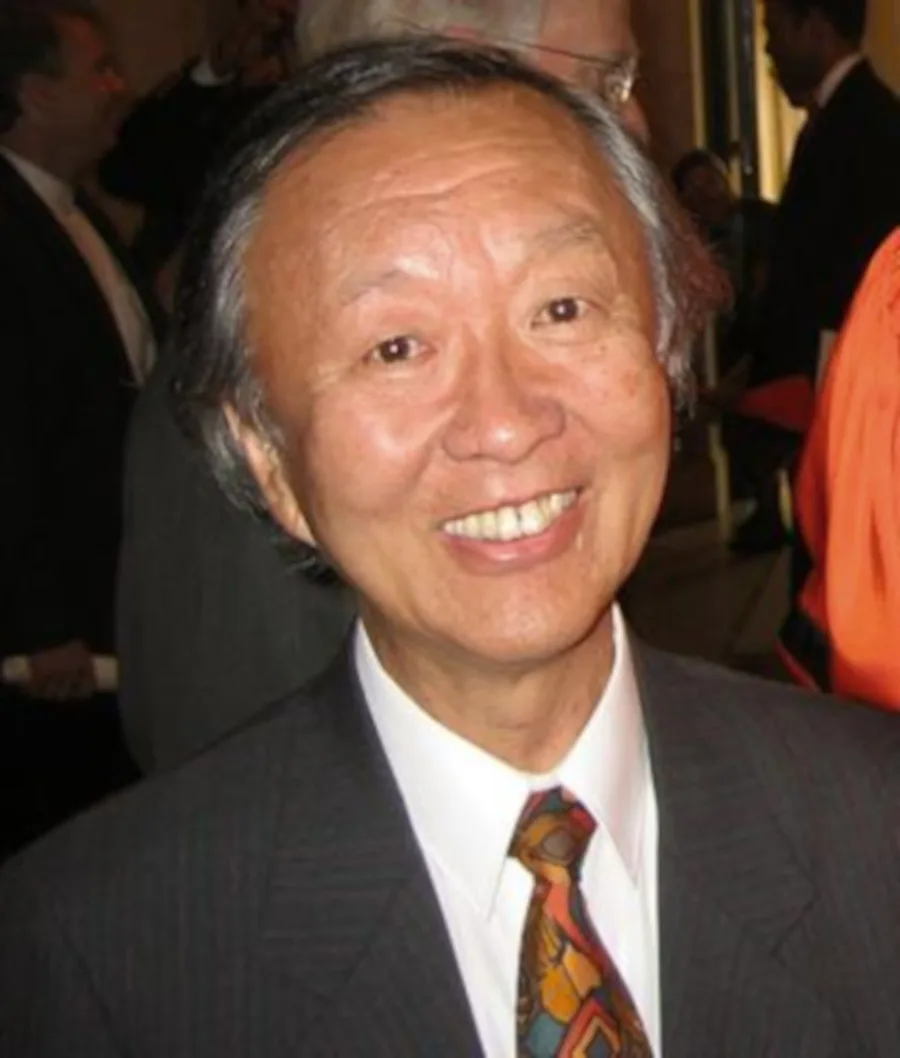
Charles K. Kao
“Godfather of broadband” who showed glass fibres could carry light over long distances
1933 – 2018
 Science
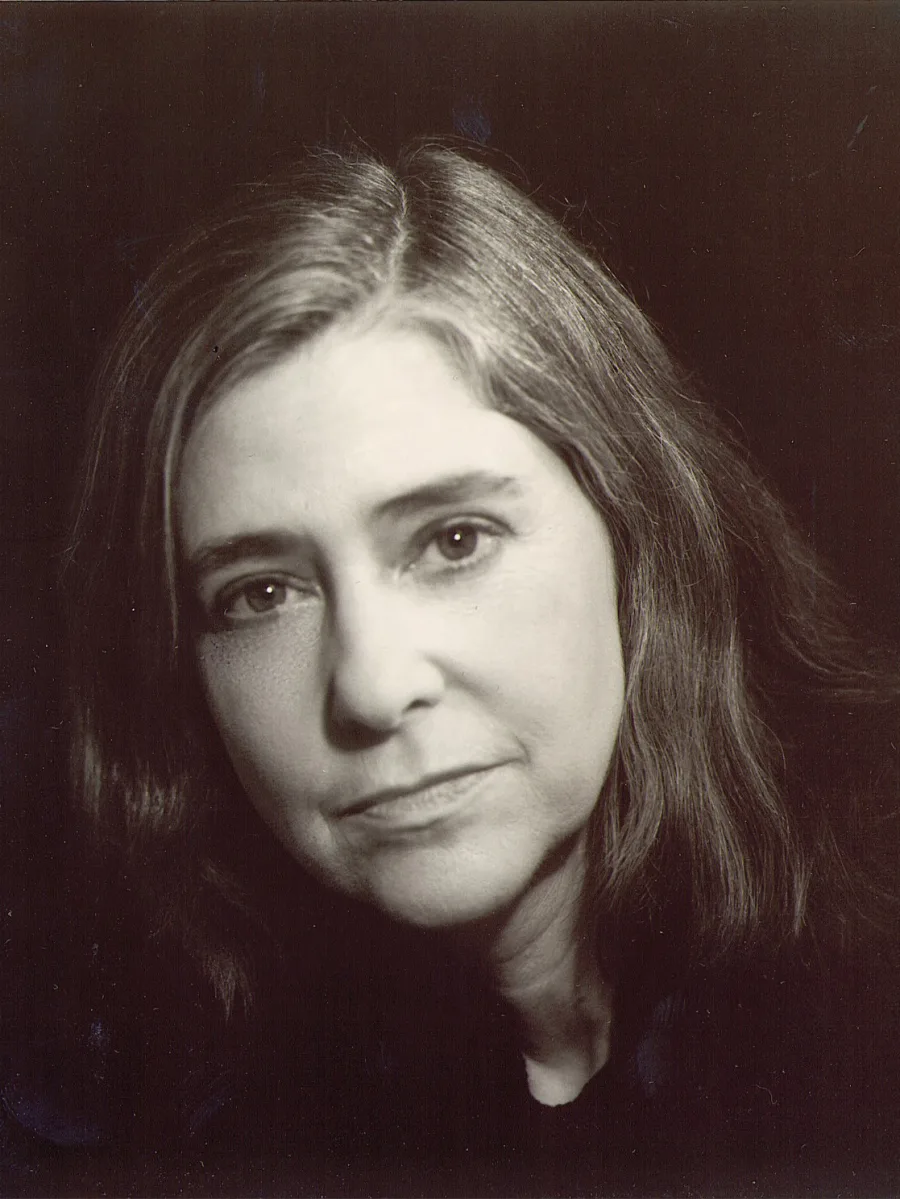
Margaret Hamilton
MIT engineer who led the software for the Apollo Moon landings and coined “software engineering”
1936 – 2026
 Science
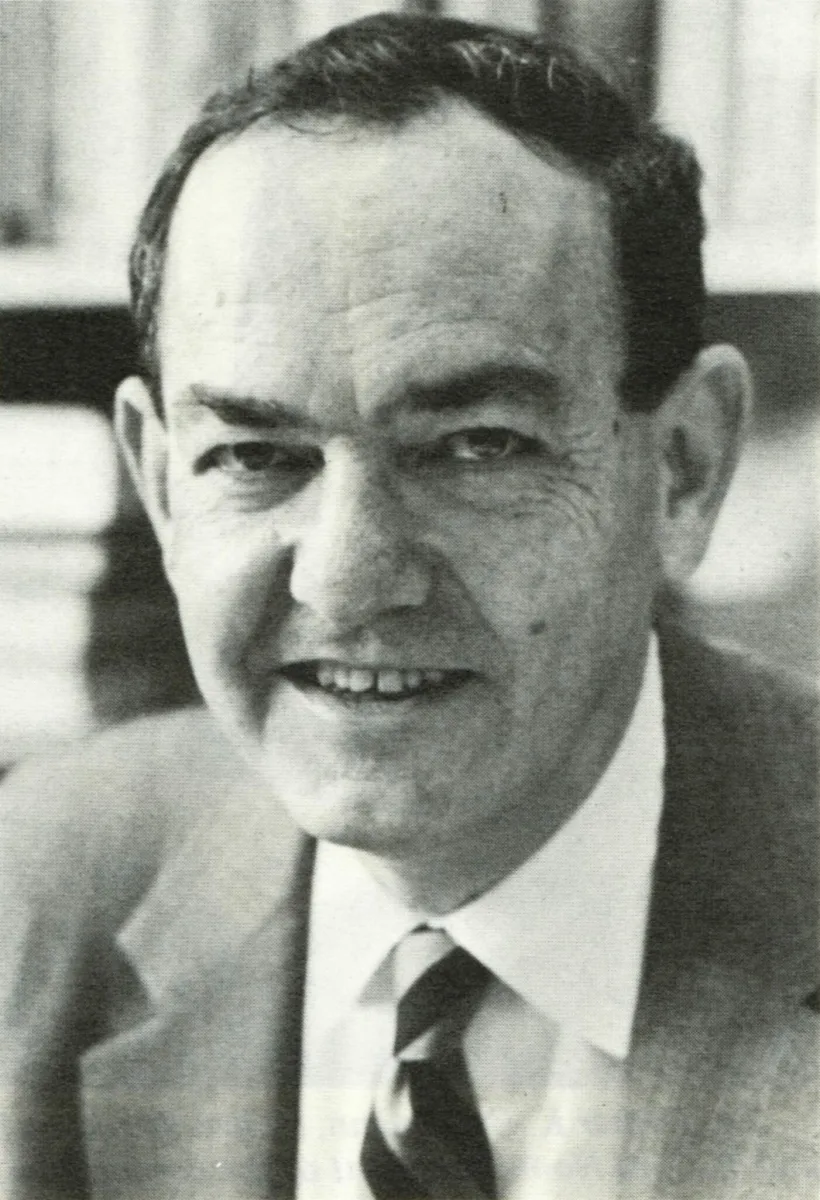
Herbert A. Simon
Nobel-winning economist and AI pioneer who studied how people make decisions
1916 – 2001
 Science
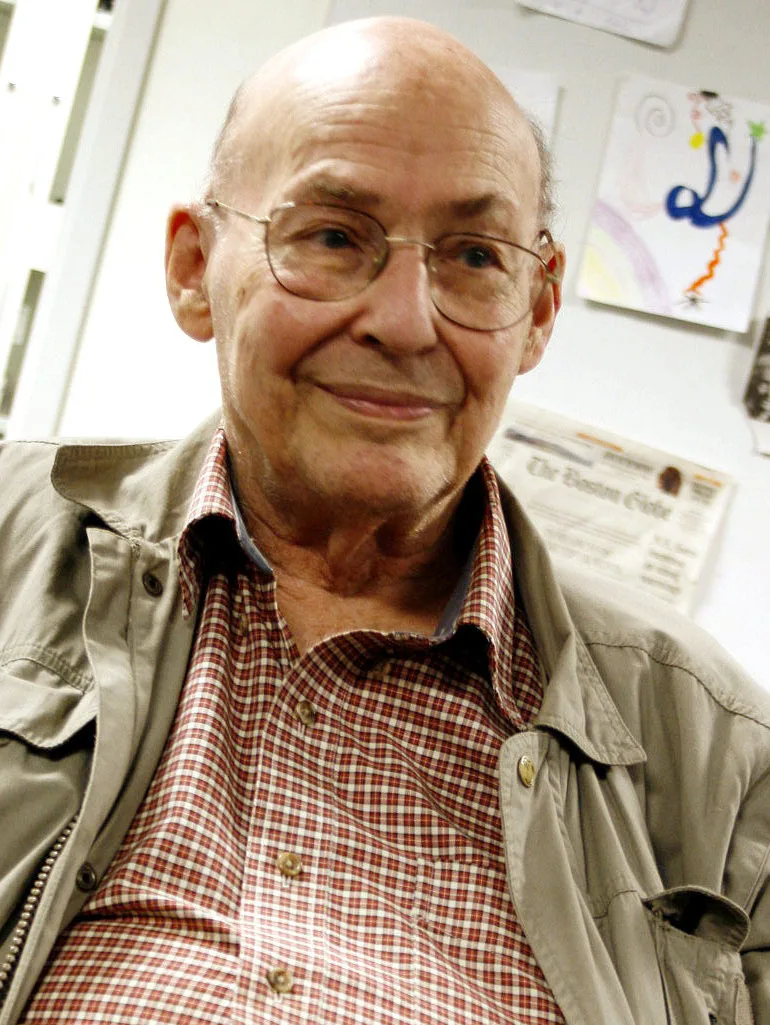
Marvin Minsky
Co-founder of MIT’s artificial intelligence laboratory and a founding father of AI
1927 – 2016
 Science
Leonard Adleman
Co-inventor of RSA encryption and pioneer of DNA computing
Born 1945