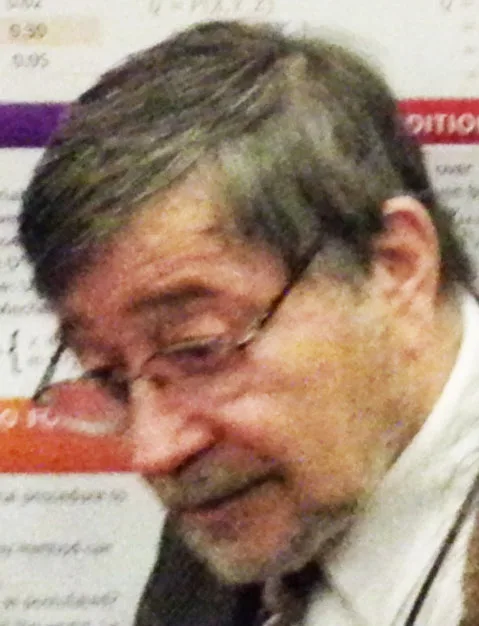
Judea Pearl
AI pioneer who developed Bayesian networks and the science of cause and effect
- Age
- 90 yrs
- Birthday in 302 days
- Works listed
- 3
- Book
- Honours
- 3
- Most recent 2012
- Profile views
- 2
- 0 followers
Judea Pearl is an Israeli-American computer scientist at UCLA who developed Bayesian networks for reasoning under uncertainty and a mathematical theory of causality. His work is used in AI, medicine and the social sciences, and he received the Turing Award in 2011.
Biography
Early life
Pearl was born in Tel Aviv, grew up in Bnei Brak and studied electrical engineering at the Technion. He moved to the United States, earning a PhD at the Polytechnic Institute of Brooklyn in 1965, and worked on superconducting memory before joining UCLA in 1970.
Bayesian networks
In the 1980s Pearl showed how to represent uncertain knowledge as networks of variables with probabilities, and how to update beliefs efficiently as evidence arrives. Bayesian networks transformed AI, which had relied on rigid rules, and are used in diagnosis, spam filtering and speech recognition.
Causality
He then developed a calculus of causation, including “do-calculus” and causal diagrams, which lets researchers distinguish correlation from cause using data. His books Causality (2000) and The Book of Why (2018) brought these ideas to scientists and the public.
Daniel Pearl Foundation
His son, the journalist Daniel Pearl, was murdered by terrorists in Pakistan in 2002. Judea Pearl and his family founded the Daniel Pearl Foundation to promote dialogue across cultures.
Timeline
-
1936
Born in Tel Aviv, Mandatory Palestine
-
1965
PhD from the Polytechnic Institute of Brooklyn
-
1970
Joins UCLA
-
1988
Probabilistic Reasoning in Intelligent Systems
-
2000
Causality published
-
2002
Founds the Daniel Pearl Foundation
-
2011
Turing Award
-
2018
The Book of Why
Notable works
-
1988
Probabilistic Reasoning in Intelligent Systems Book
-
2000
Causality Book
-
2018
The Book of Why Book
With Dana Mackenzie.
Awards and honours
-
Benjamin Franklin Medal
2008
-
Turing Award
2011
-
Harvey Prize
2012
Did you know?
-
1
He has argued that today’s AI needs to understand cause and effect to reach human-level intelligence.
-
2
Bayesian networks are named after the 18th-century mathematician Thomas Bayes.
-
3
His son Daniel was a Wall Street Journal reporter.
Connections
Frequently asked
Who is Judea Pearl?
Judea Pearl is an Israeli-American computer scientist at UCLA who developed Bayesian networks for reasoning under uncertainty and a mathematical theory of causality. His work is used in AI, medicine and the social sciences, and he received the Turing Award in 2011.
How old is Judea Pearl?
Judea Pearl is 90 years old, born on 4 September 1936 in Tel Aviv, Mandatory Palestine.
Where is Judea Pearl from?
Judea Pearl was born in Tel Aviv, Mandatory Palestine.
What is Judea Pearl known for?
Judea Pearl is best known for Bayesian networks; causal inference; The Book of Why; Turing Award 2011.
What awards has Judea Pearl received?
Notable honours include Benjamin Franklin Medal (2008), Turing Award (2011), Harvey Prize (2012).
References
- Judea Pearl — Wikipedia. Wikipedia. Retrieved 4 November 2026.
- Judea Pearl — Britannica. Encyclopaedia Britannica. Retrieved 4 November 2026.
- Judea Pearl — Goodreads author page. Goodreads. Retrieved 4 November 2026.
- Official website. bayes.cs.ucla.edu. Retrieved 4 November 2026.
- Judea Pearl (Q92824) — structured data. Wikidata. Retrieved 4 November 2026.
Includes material from the Wikipedia article “Judea Pearl”, licensed under CC BY-SA 4.0. That text is available under the same licence. Learn more
External links
About this profile
- Researched by the TrackFame editorial team; reviewed by Sanjay Sokal under our editorial policy
- First published 4 November 2026
- Last updated
Cite this page
“Judea Pearl.” TrackFame, last updated 5 November 2026. https://trackfame.com/person/judea-pearl
Discussion 0
Sign in or create an account to join the discussion.
No comments yet — be the first.
More in Science
 Science
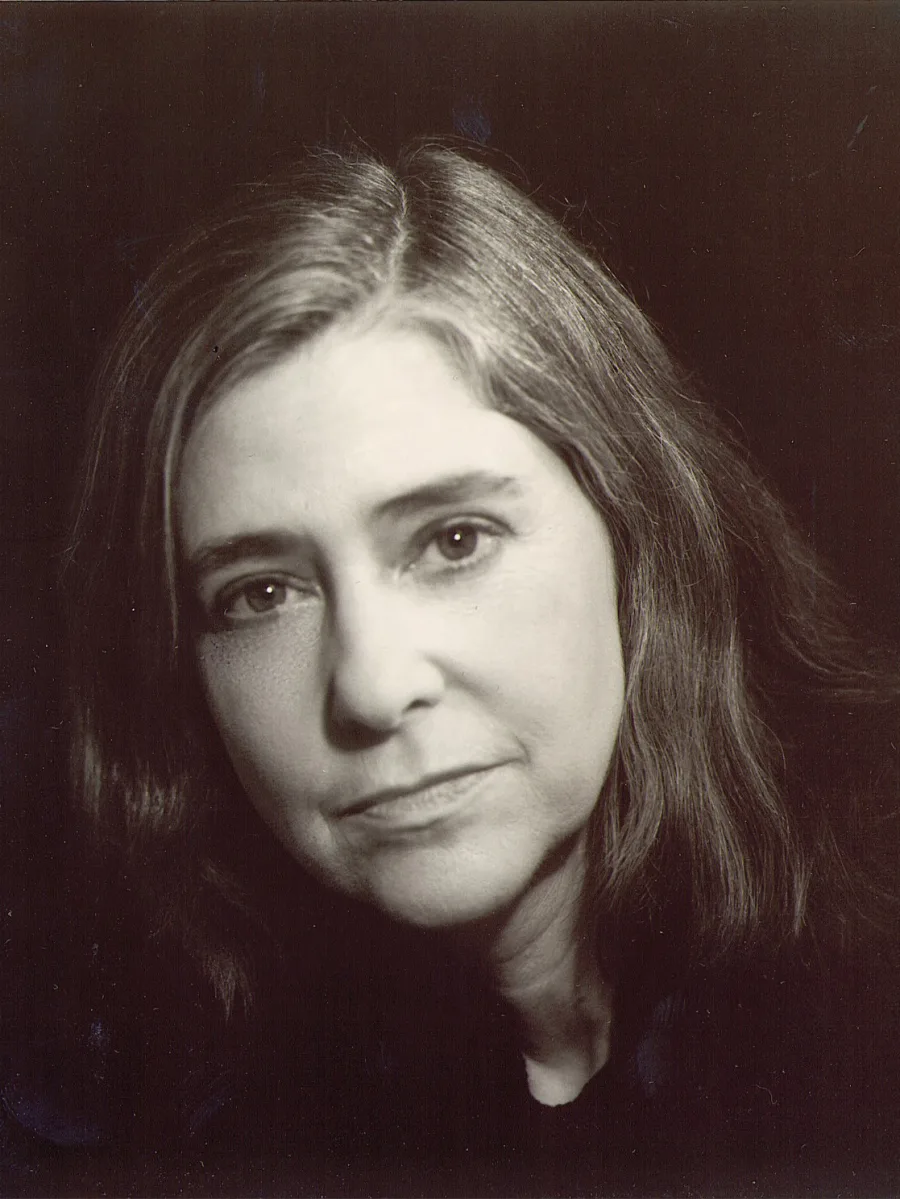
Margaret Hamilton
MIT engineer who led the software for the Apollo Moon landings and coined “software engineering”
1936 – 2026
 Science
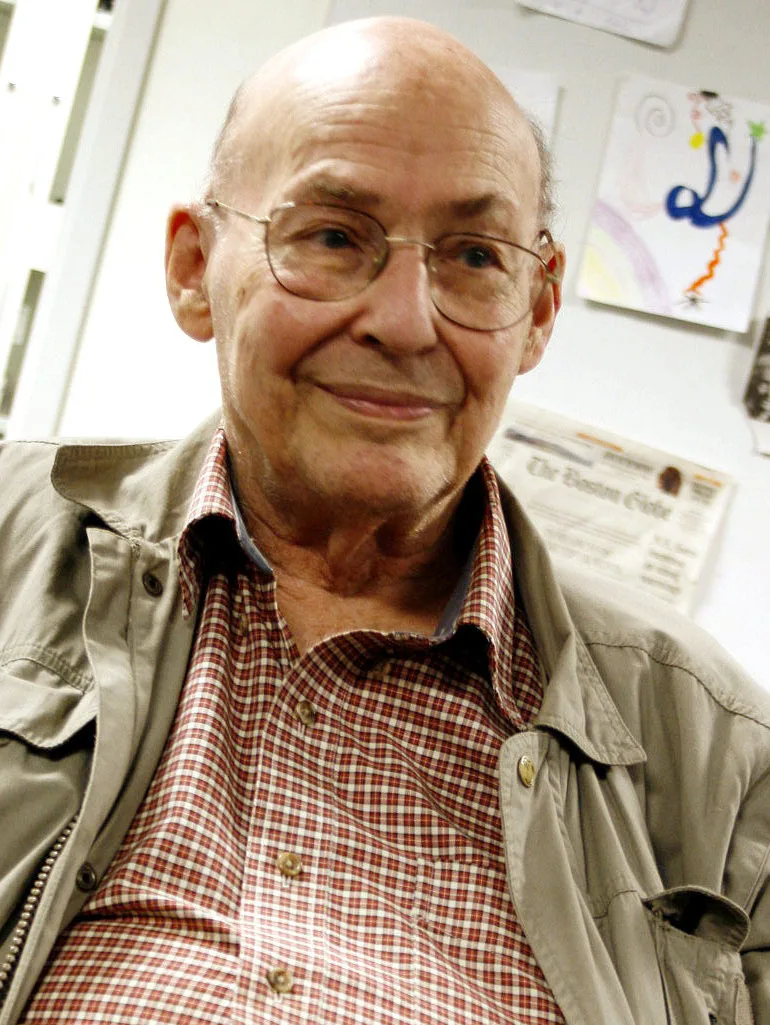
Marvin Minsky
Co-founder of MIT’s artificial intelligence laboratory and a founding father of AI
1927 – 2016
 Science
Michael Faraday
Self-taught scientist who discovered electromagnetic induction
1791 – 1867
 Science
Yann LeCun
French-American AI pioneer who invented convolutional neural networks
Born 1959
 Science
Nikola Tesla
Serbian-American inventor of the alternating-current induction motor
1856 – 1943
 Science
Peter Naur
Danish computer scientist who edited the ALGOL 60 report and refined Backus–Naur form
1928 – 2016