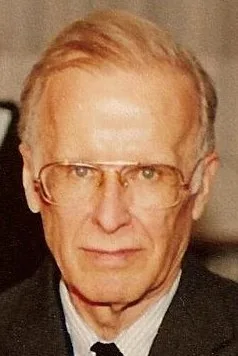
John Backus
IBM engineer who led the creation of Fortran, the first widely used high-level language
- Lived
- 82 yrs
- 1924 – 2007
- Works listed
- 2
- Programming language, Turing lecture
- Honours
- 3
- Most recent 1993
- Profile views
- 3
- 0 followers
John Backus was an American computer scientist who led the IBM team that created Fortran in 1957, the first widely used high-level programming language. He also devised Backus–Naur form for describing language grammars and received the Turing Award in 1977.
Biography
Early life
Backus had a restless youth: he was expelled from school, dropped out of chemistry at the University of Virginia and was drafted into the army. After a brain surgery that led to an interest in medicine, he discovered mathematics and earned a master’s degree at Columbia University in 1950.
Fortran
Joining IBM in 1950, Backus found programming in machine code slow and error-prone. In 1953 he proposed a language in which scientists could write formulas, and his small team delivered the Fortran compiler in 1957. It produced code nearly as fast as hand-written programs, convincing the industry that high-level languages were practical. Fortran is still used for scientific computing.
Backus–Naur form
For the ALGOL 58 and 60 reports he introduced a precise notation for the grammar of programming languages; with Peter Naur’s refinements it became known as Backus–Naur form (BNF) and is still used to define languages.
Functional programming
In his 1977 Turing lecture, “Can Programming Be Liberated from the von Neumann Style?”, Backus argued for functional programming, influencing later research. He retired from IBM in 1991 and died in Oregon in 2007.
Timeline
-
1924
Born in Philadelphia, Pennsylvania, United States
-
1950
Joins IBM
-
1953
Proposes the Fortran project
-
1957
First Fortran compiler delivered
-
1959
Introduces BNF for ALGOL
-
1975
National Medal of Science
-
1977
Turing Award
-
1993
Charles Stark Draper Prize
-
2007
Died, aged 82
Notable works
-
1957
Fortran Programming language
-
1977
Can Programming Be Liberated from the von Neumann Style? Turing lecture
Awards and honours
-
National Medal of Science
1975
-
Turing Award
1977
-
Charles Stark Draper Prize
1993
Did you know?
-
1
He said he became a programmer partly because he was lazy and wanted an easier way.
-
2
The original Fortran compiler took 18 person-years to write.
-
3
Fortran stands for “Formula Translation”.
Connections
Related people

Also born on 3 December
-
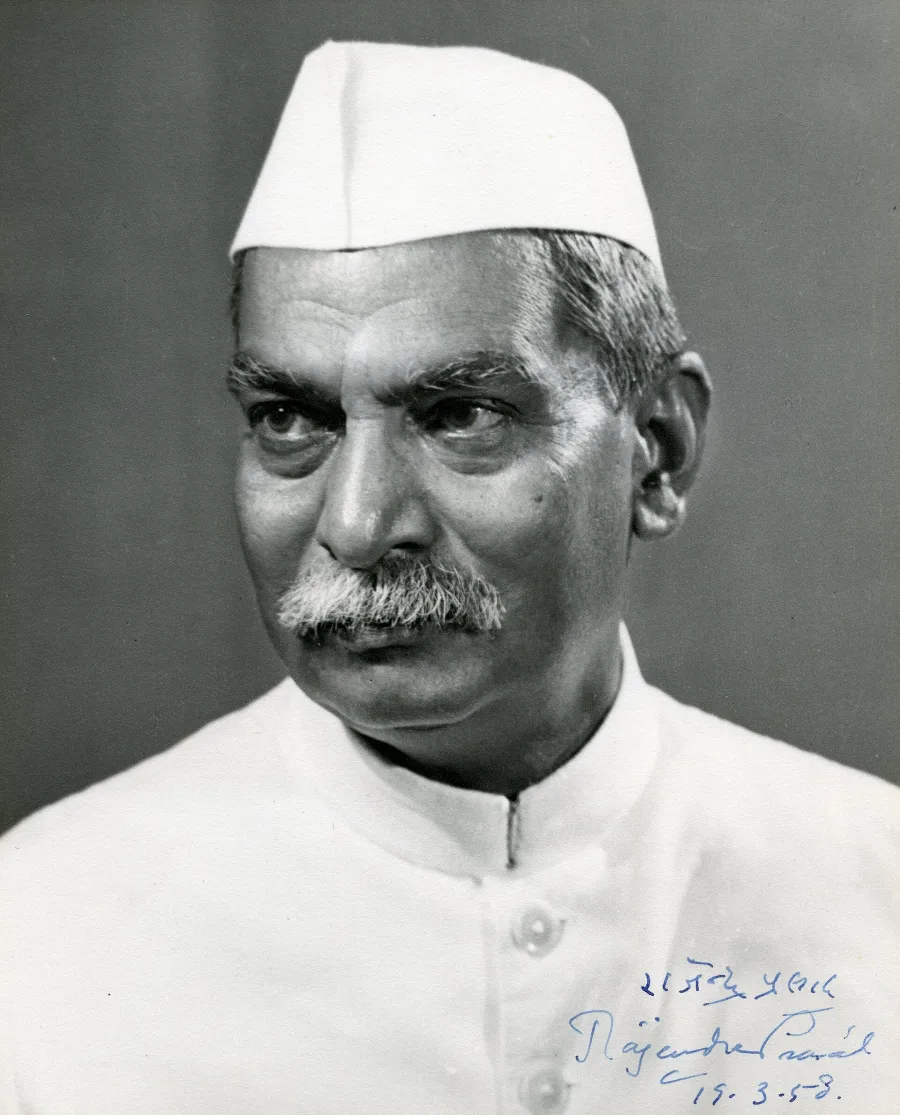 Rajendra Prasad
Politics & Leadership · First President of India (1950–1962)
1884
-
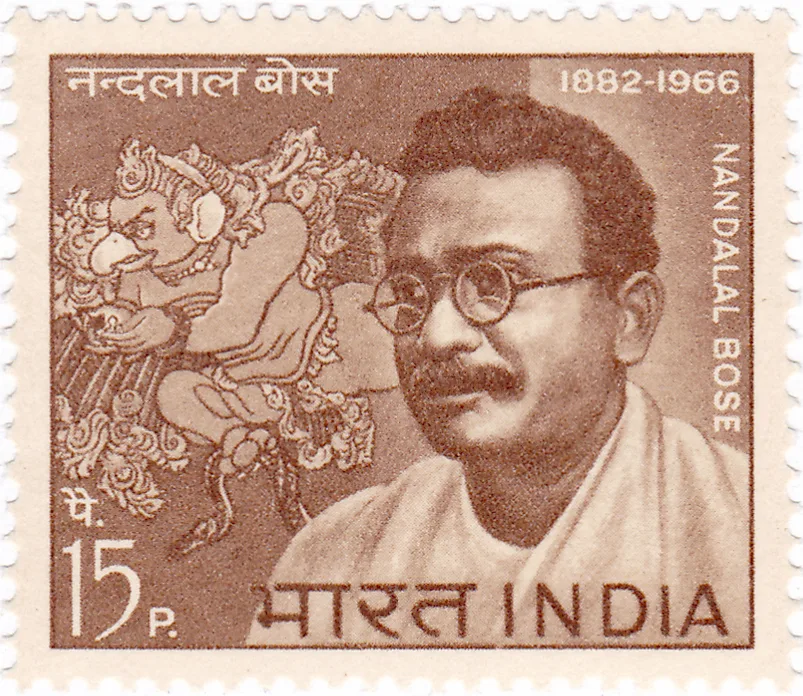 Nandalal Bose
Art & Design · Bengal School painter who illustrated the Constitution of India
1882
-
 Mithali Raj
Sports · Former India women’s captain; leading run-scorer in women’s international cricket
1982
-
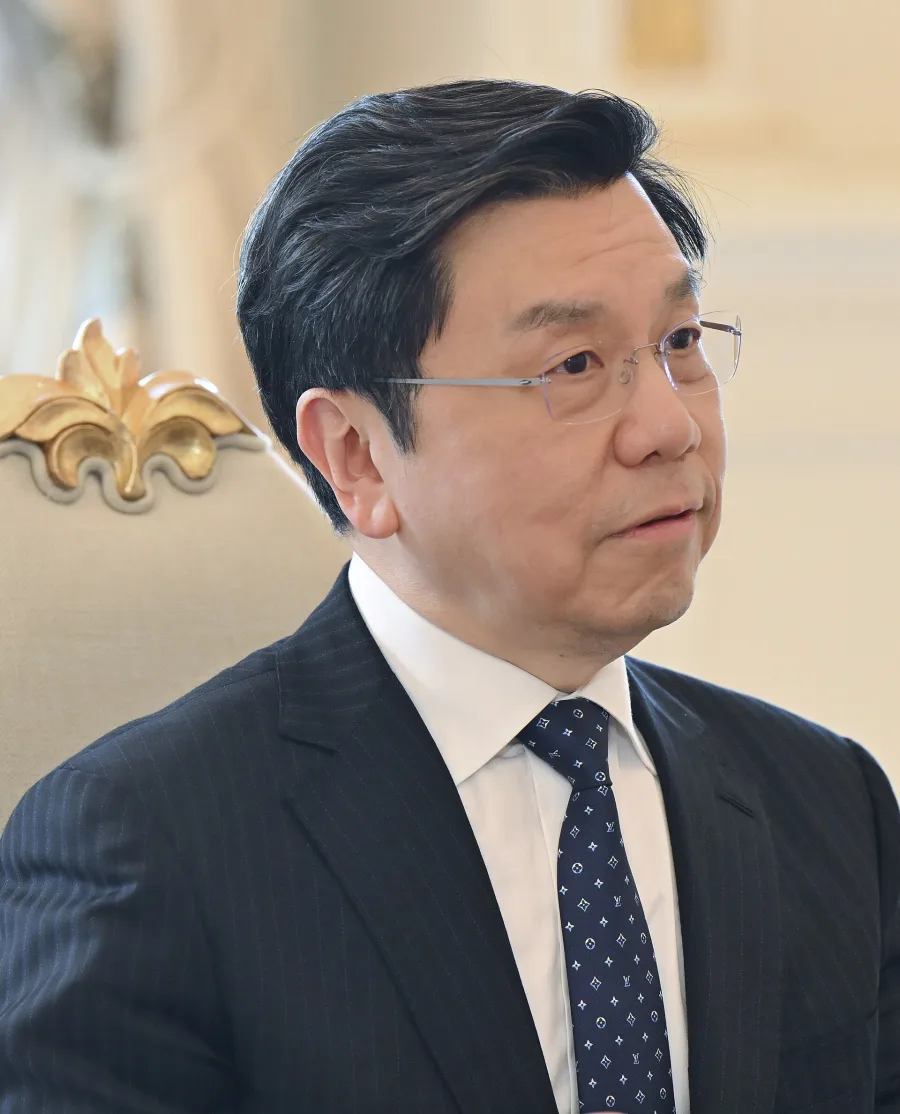 Kai-Fu Lee
Technology · Taiwanese AI pioneer and investor who led Google China and founded 01.AI
1961
-
 Sean Parker
Technology · Napster co-founder and Facebook’s first president
1979
Frequently asked
Who is John Backus?
John Backus was an American computer scientist who led the IBM team that created Fortran in 1957, the first widely used high-level programming language. He also devised Backus–Naur form for describing language grammars and received the Turing Award in 1977.
When did John Backus die?
John Backus died on 17 March 2007 at the age of 82.
Where is John Backus from?
John Backus was born in Philadelphia, Pennsylvania, United States.
What is John Backus known for?
John Backus is best known for Fortran; Backus–Naur form; Turing Award 1977.
What awards has John Backus received?
Notable honours include National Medal of Science (1975), Turing Award (1977), Charles Stark Draper Prize (1993).
References
- John Backus — Wikipedia. Wikipedia. Retrieved 4 November 2026.
- John Backus — Britannica. Encyclopaedia Britannica. Retrieved 4 November 2026.
- John Backus — Hindi Wikipedia. Wikipedia (Hindi). Retrieved 4 November 2026.
- John Backus (Q92746) — structured data. Wikidata. Retrieved 4 November 2026.
Includes material from the Wikipedia article “John Backus”, licensed under CC BY-SA 4.0. That text is available under the same licence. Learn more
External links
About this profile
- Researched by the TrackFame editorial team; reviewed by Sanjay Sokal under our editorial policy
- First published 4 November 2026
- Last updated
Cite this page
“John Backus.” TrackFame, last updated 5 November 2026. https://trackfame.com/person/john-backus
Discussion 0
Sign in or create an account to join the discussion.
No comments yet — be the first.
More in Science
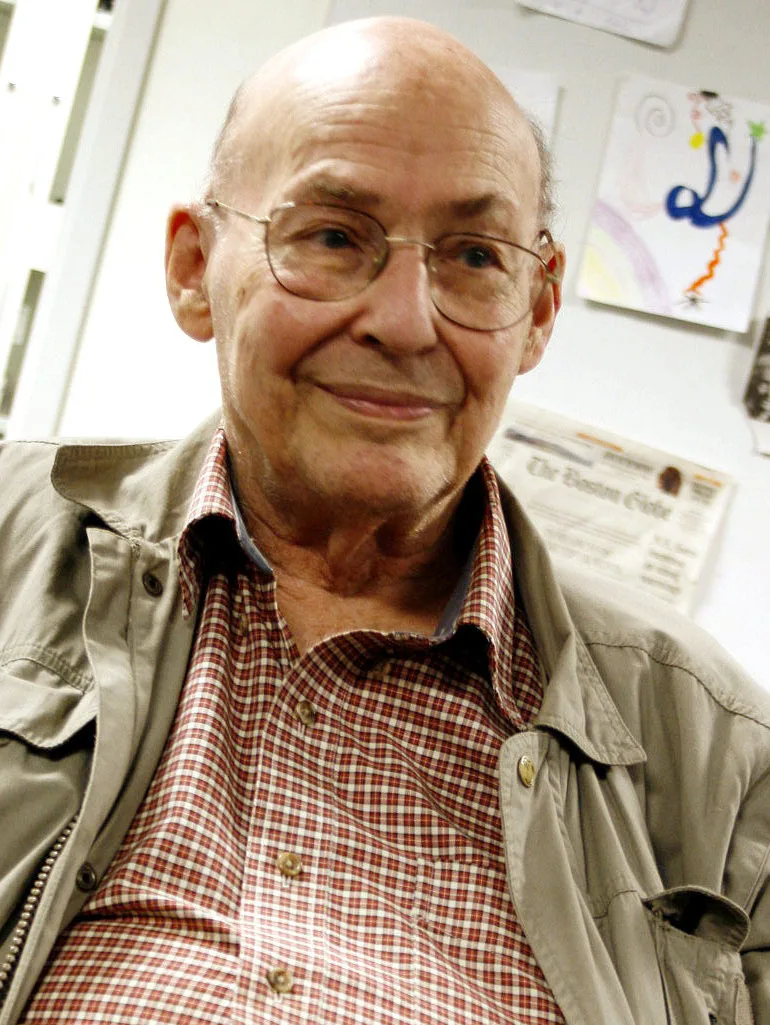 Science
Marvin Minsky
Co-founder of MIT’s artificial intelligence laboratory and a founding father of AI
1927 – 2016
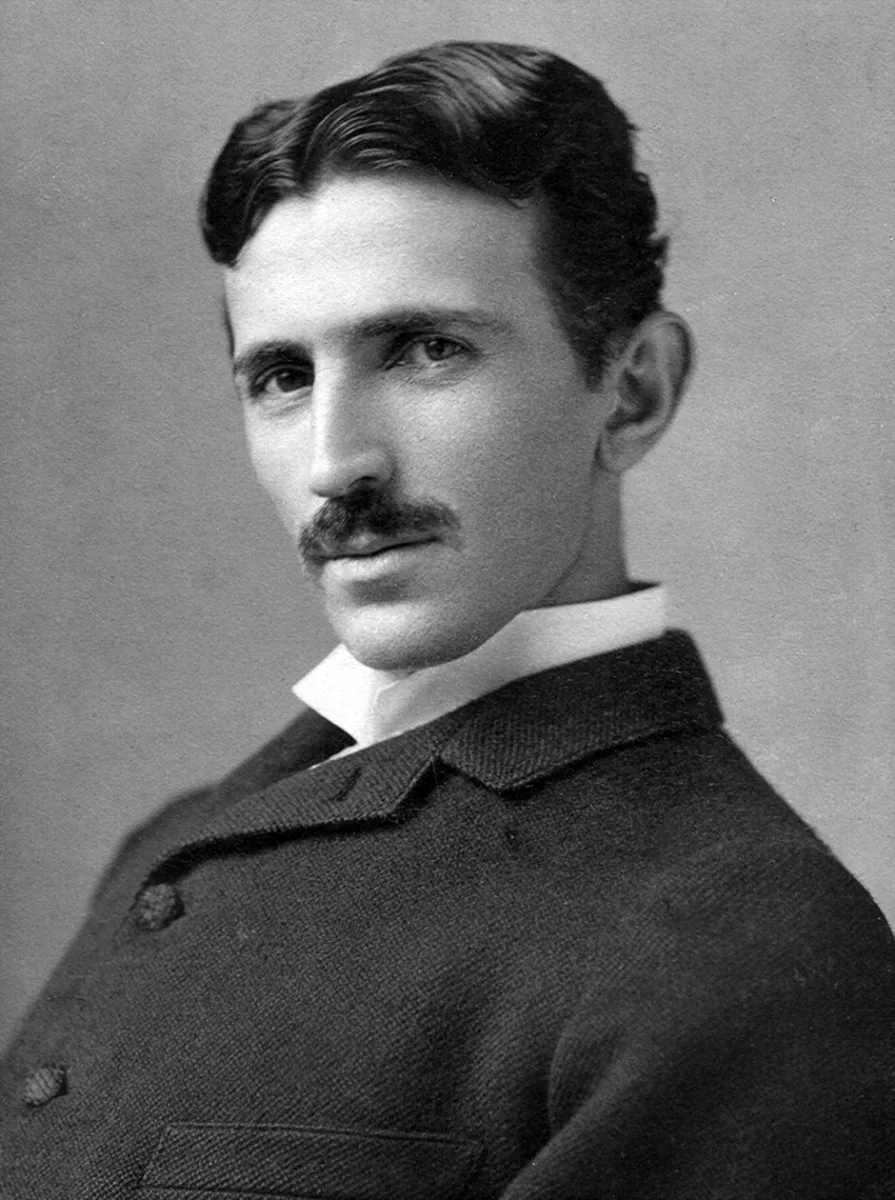 Science
Nikola Tesla
Serbian-American inventor of the alternating-current induction motor
1856 – 1943
 Science
Margaret Hamilton
MIT engineer who led the software for the Apollo Moon landings and coined “software engineering”
1936 – 2026
 Science
Yann LeCun
French-American AI pioneer who invented convolutional neural networks
Born 1959
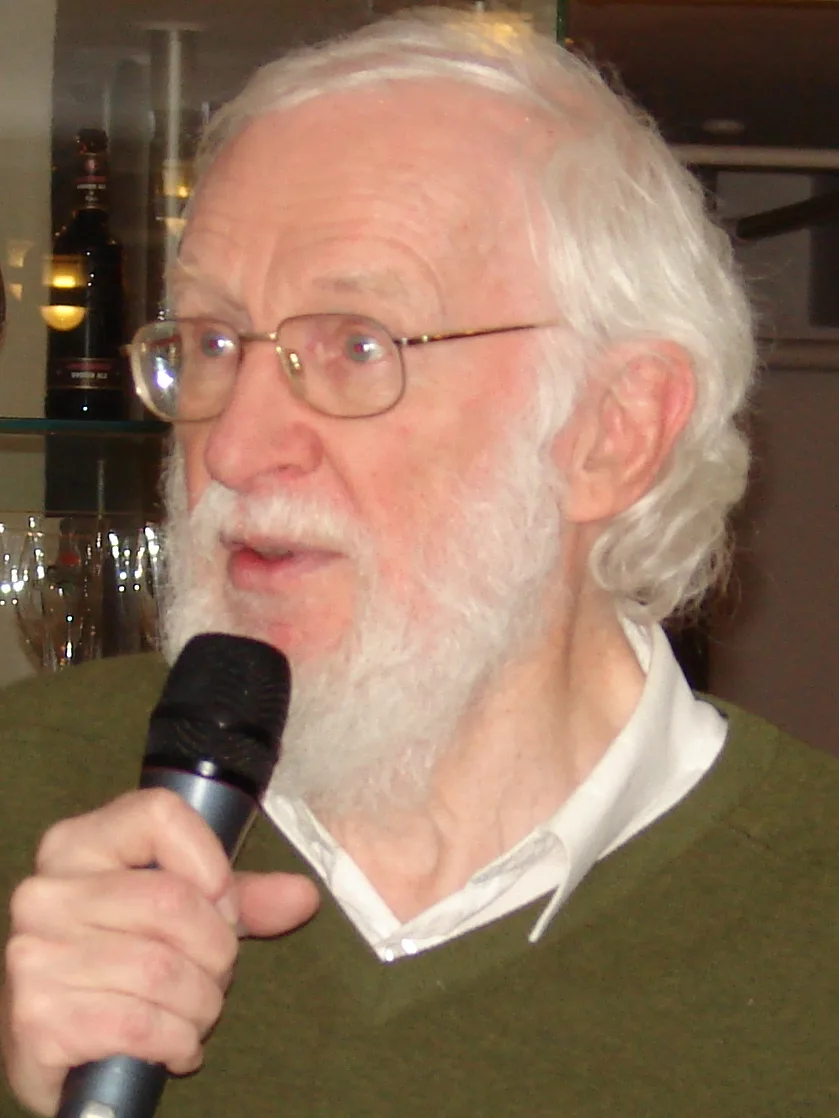 Science
Peter Naur
Danish computer scientist who edited the ALGOL 60 report and refined Backus–Naur form
1928 – 2016
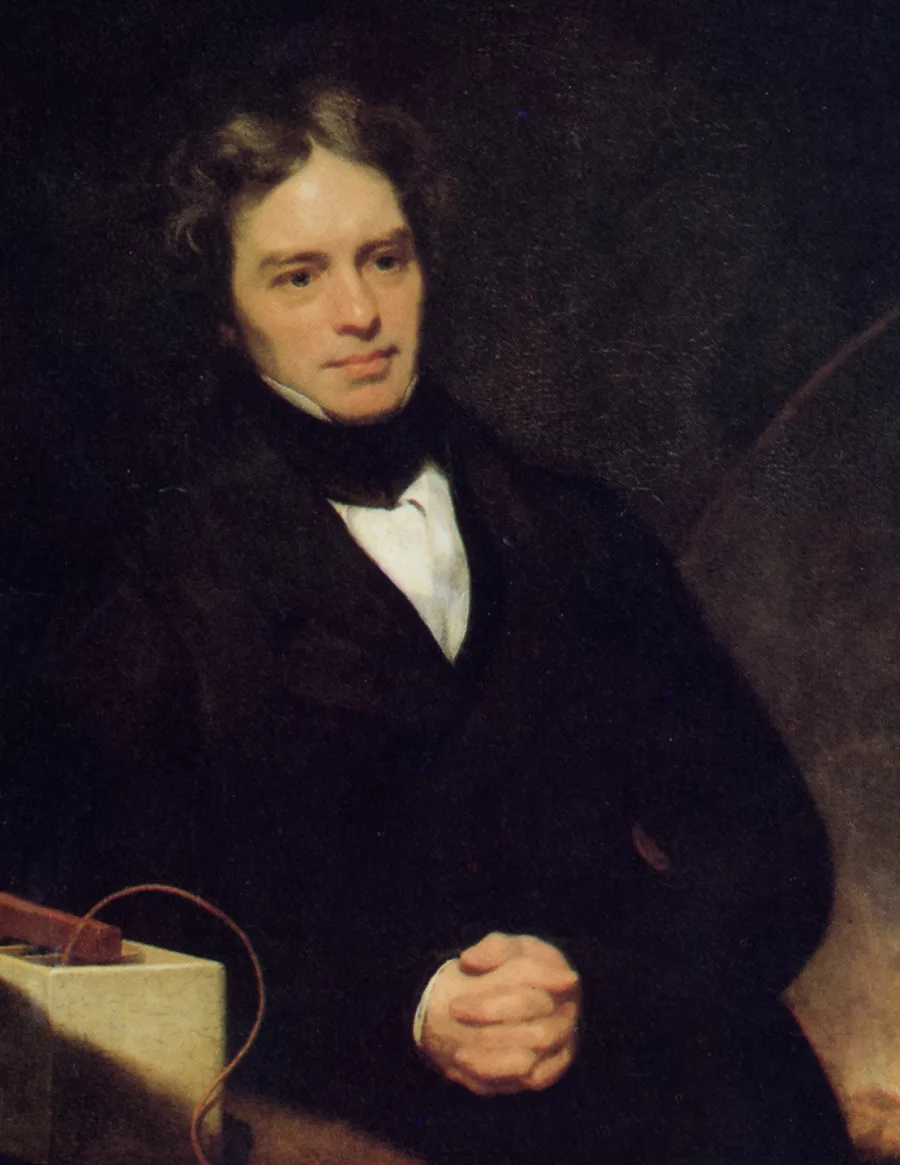 Science
Michael Faraday
Self-taught scientist who discovered electromagnetic induction
1791 – 1867