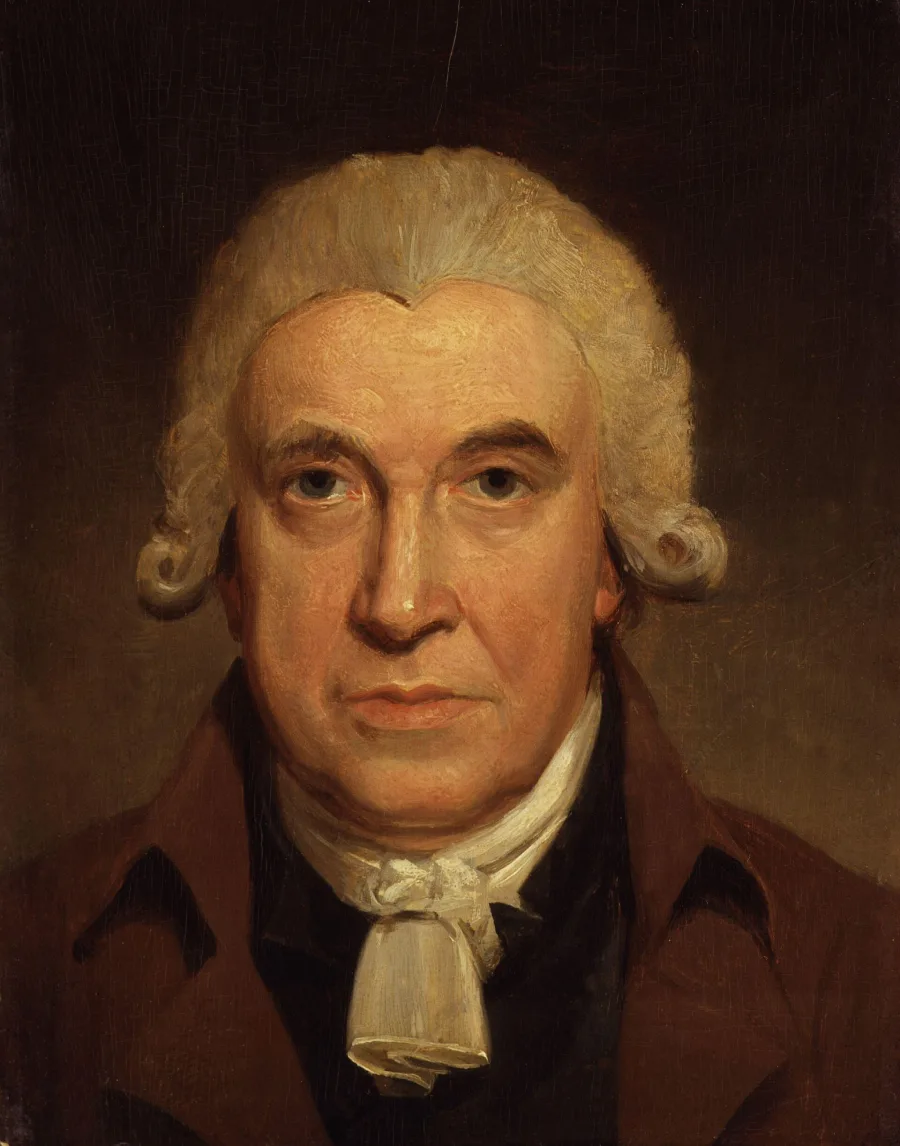
James Watt
Scottish engineer whose improved steam engine powered the Industrial Revolution
- Lived
- 83 yrs
- 1736 – 1819
- Works listed
- 2
- Invention
- Honours
- 2
- Most recent 1785
- Profile views
- 3
- 0 followers
James Watt was a Scottish inventor and engineer whose separate-condenser steam engine, patented in 1769, was far more efficient than earlier designs. Built with Matthew Boulton, his engines drove factories during the Industrial Revolution. The unit of power, the watt, is named after him.
Biography
Instrument maker
Watt trained as a mathematical instrument maker in London and worked at the University of Glasgow from 1756.
The separate condenser
In 1763 he repaired a model Newcomen steam engine and saw that it wasted most of its steam reheating the cylinder. In 1765, walking on Glasgow Green, he had the idea of condensing the steam in a separate chamber. He patented the design in 1769.
Boulton & Watt
In 1775 he went into partnership with the Birmingham manufacturer Matthew Boulton. Their engines pumped mines and, with Watt’s sun-and-planet gear, turned machinery in mills. He also coined “horsepower” to market his engines.
Legacy
Watt also invented a copying press and the centrifugal governor adaptation. He died in 1819. The watt was named after him in 1882, and he appears with Boulton on the Bank of England £50 note issued in 2011.
Timeline
-
1736
Born in Greenock, Scotland
-
1756
Instrument maker at the University of Glasgow
-
1765
Idea of the separate condenser
-
1769
Patent granted
-
1775
Partnership with Matthew Boulton
-
1781
Sun-and-planet gear
-
1800
Retires
-
1819
Dies near Birmingham
-
1819
Died, aged 83
Notable works
-
1769
Watt steam engine Invention
-
1780
Copying press Invention
Awards and honours
-
Fellow of the Royal Society of Edinburgh
1784
-
Fellow of the Royal Society
1785
Did you know?
-
1
He did not invent the steam engine but made it efficient.
-
2
A horse could pull about 33,000 foot-pounds per minute by his definition of horsepower.
-
3
He was elected to the Scottish Engineering Hall of Fame.
Frequently asked
Who is James Watt?
James Watt was a Scottish inventor and engineer whose separate-condenser steam engine, patented in 1769, was far more efficient than earlier designs. Built with Matthew Boulton, his engines drove factories during the Industrial Revolution. The unit of power, the watt, is named after him.
When did James Watt die?
James Watt died on 25 August 1819 at the age of 83.
Where is James Watt from?
James Watt was born in Greenock, Scotland.
What is James Watt known for?
James Watt is best known for Separate condenser steam engine (1769); partnership with Matthew Boulton; the watt unit.
What awards has James Watt received?
Notable honours include Fellow of the Royal Society of Edinburgh (1784), Fellow of the Royal Society (1785).
Who is James Watt married to?
Partner: Matthew Boulton (from 1775).
References
- James Watt — Wikipedia. Wikipedia. Retrieved 4 November 2026.
- James Watt — Britannica. Encyclopaedia Britannica. Retrieved 4 November 2026.
- James Watt — Invaluable artist page. Invaluable. Retrieved 4 November 2026.
- James Watt — Hindi Wikipedia. Wikipedia (Hindi). Retrieved 4 November 2026.
- James Watt (Q9041) — structured data. Wikidata. Retrieved 4 November 2026.
Includes material from the Wikipedia article “James Watt”, licensed under CC BY-SA 4.0. That text is available under the same licence. Learn more
External links
About this profile
- Researched by the TrackFame editorial team; reviewed by Sanjay Sokal under our editorial policy
- First published 4 November 2026
- Last updated
Cite this page
“James Watt.” TrackFame, last updated 5 November 2026. https://trackfame.com/person/james-watt
Discussion 0
Sign in or create an account to join the discussion.
No comments yet — be the first.
More in Technology
F. C. Kohli
First CEO of Tata Consultancy Services, father of India’s IT industry
1924 – 2020
 Science
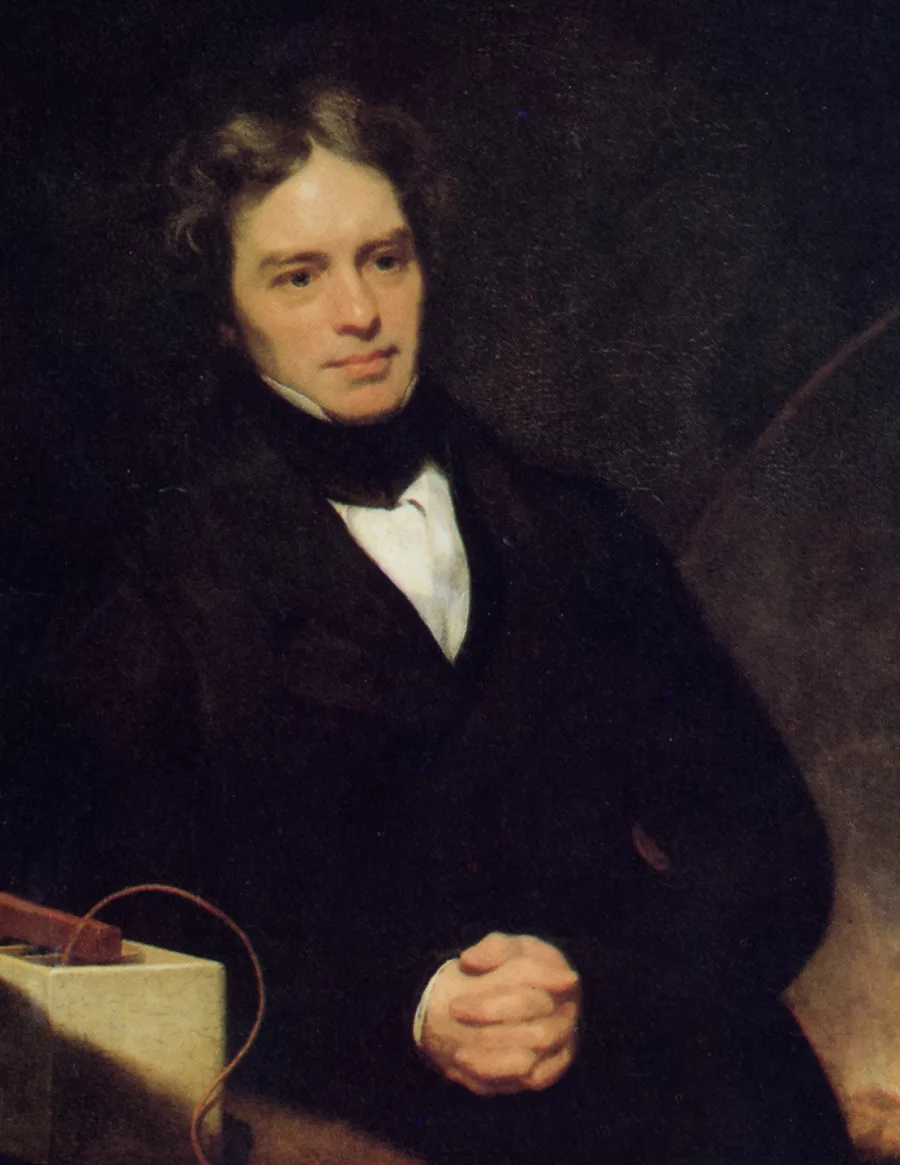
Michael Faraday
Self-taught scientist who discovered electromagnetic induction
1791 – 1867
 Science
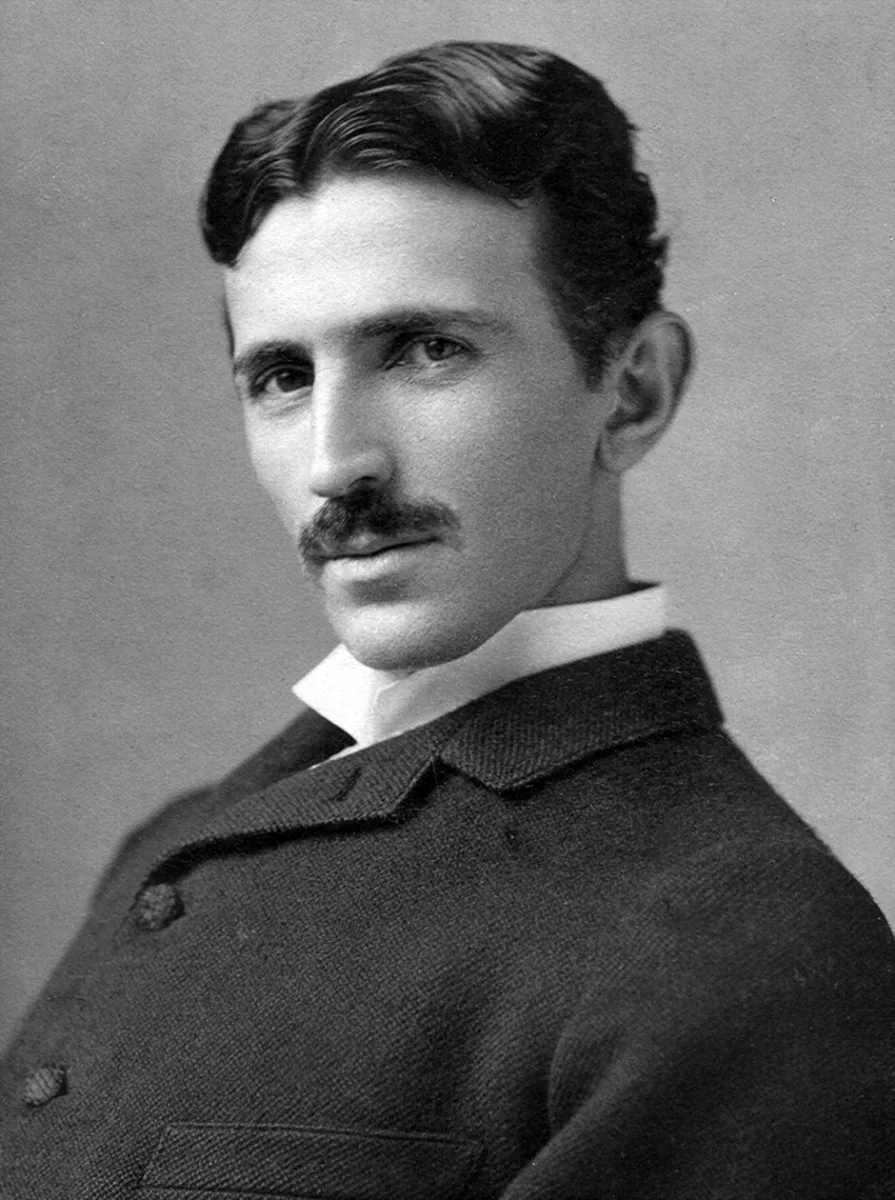
Nikola Tesla
Serbian-American inventor of the alternating-current induction motor
1856 – 1943
 Science
Konrad Zuse
German engineer who built the first working programmable computer
1910 – 1995
 Science
Alan Turing
Mathematician who founded computer science and helped break the Enigma code
1912 – 1954
 Technology
Thomas Edison
Prolific American inventor of the phonograph, practical light bulb and motion-picture camera
1847 – 1931