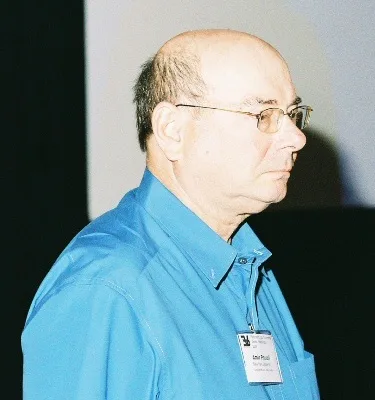
Amir Pnueli
Israeli computer scientist who brought temporal logic into computing
- Lived
- 68 yrs
- 1941 – 2009
- Works listed
- 2
- Paper, Book
- Honours
- 3
- Most recent 2007
- Profile views
- 3
- 0 followers
Amir Pnueli was an Israeli computer scientist who introduced temporal logic to computer science in 1977, giving engineers a way to specify and verify how systems behave over time. He received the Turing Award in 1996 and the Israel Prize in 2000.
Biography
Education
Pnueli studied mathematics at the Technion and earned his PhD in applied mathematics at the Weizmann Institute of Science in 1967.
Temporal logic
In his 1977 paper “The Temporal Logic of Programs”, Pnueli proposed using logic about time — statements such as “eventually” and “always” — to describe programs that run continuously, such as operating systems and controllers. It became the basis of model checking and hardware verification.
Reactive systems
With David Harel he described “reactive systems” that continually respond to their environment, and he worked on synthesising correct programs from specifications. He co-founded the verification company I-Logix.
Career
He taught at Tel Aviv University and the Weizmann Institute and later at New York University. He died in New York in 2009.
Timeline
-
1941
Born in Nahalal, Mandatory Palestine
-
1967
PhD from the Weizmann Institute
-
1977
Introduces temporal logic to computing
-
1985
Reactive systems with David Harel
-
1996
Turing Award
-
2000
Israel Prize
-
2009
Dies in New York
-
2009
Died, aged 68
Notable works
-
1977
The Temporal Logic of Programs Paper
-
1992
The Temporal Logic of Reactive and Concurrent Systems Book
With Zohar Manna.
Awards and honours
-
Turing Award
1996
-
Israel Prize
2000
-
ACM Software System Award
2007
Did you know?
-
1
He was born in the cooperative village of Nahalal.
-
2
Chip makers use temporal-logic tools to check processor designs.
-
3
He co-wrote two books with Zohar Manna.
Connections


Frequently asked
Who is Amir Pnueli?
Amir Pnueli was an Israeli computer scientist who introduced temporal logic to computer science in 1977, giving engineers a way to specify and verify how systems behave over time. He received the Turing Award in 1996 and the Israel Prize in 2000.
When did Amir Pnueli die?
Amir Pnueli died on 2 November 2009 at the age of 68.
Where is Amir Pnueli from?
Amir Pnueli was born in Nahalal, Mandatory Palestine.
What is Amir Pnueli known for?
Amir Pnueli is best known for Temporal logic for program verification; reactive systems; Turing Award 1996.
What awards has Amir Pnueli received?
Notable honours include Turing Award (1996), Israel Prize (2000), ACM Software System Award (2007).
References
- Amir Pnueli — Wikipedia. Wikipedia. Retrieved 4 November 2026.
- Amir Pnueli — Britannica. Encyclopaedia Britannica. Retrieved 4 November 2026.
- Official website. www.wisdom.weizmann.ac.il. Retrieved 4 November 2026.
- Amir Pnueli (Q92649) — structured data. Wikidata. Retrieved 4 November 2026.
Includes material from the Wikipedia article “Amir Pnueli”, licensed under CC BY-SA 4.0. That text is available under the same licence. Learn more
External links
About this profile
- Researched by the TrackFame editorial team; reviewed by Sanjay Sokal under our editorial policy
- First published 4 November 2026
- Last updated
Cite this page
“Amir Pnueli.” TrackFame, last updated 5 November 2026. https://trackfame.com/person/amir-pnueli
Discussion 0
Sign in or create an account to join the discussion.
No comments yet — be the first.
More in Science
 Science
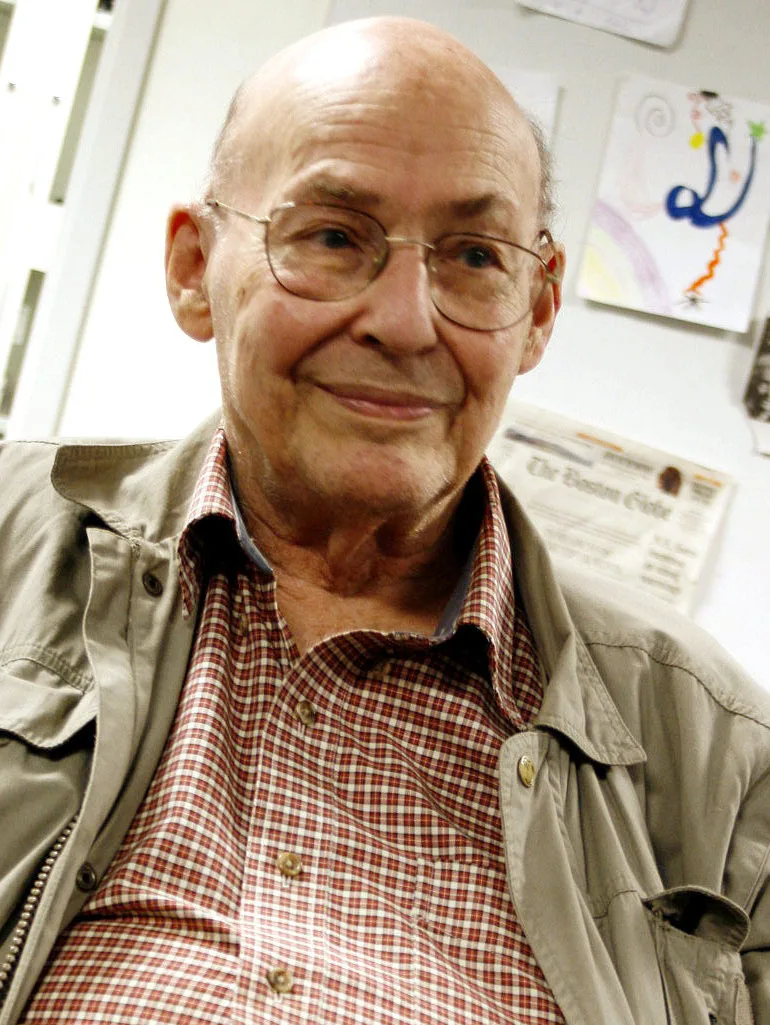
Marvin Minsky
Co-founder of MIT’s artificial intelligence laboratory and a founding father of AI
1927 – 2016
 Science
Margaret Hamilton
MIT engineer who led the software for the Apollo Moon landings and coined “software engineering”
1936 – 2026
 Science
Yann LeCun
French-American AI pioneer who invented convolutional neural networks
Born 1959
 Science
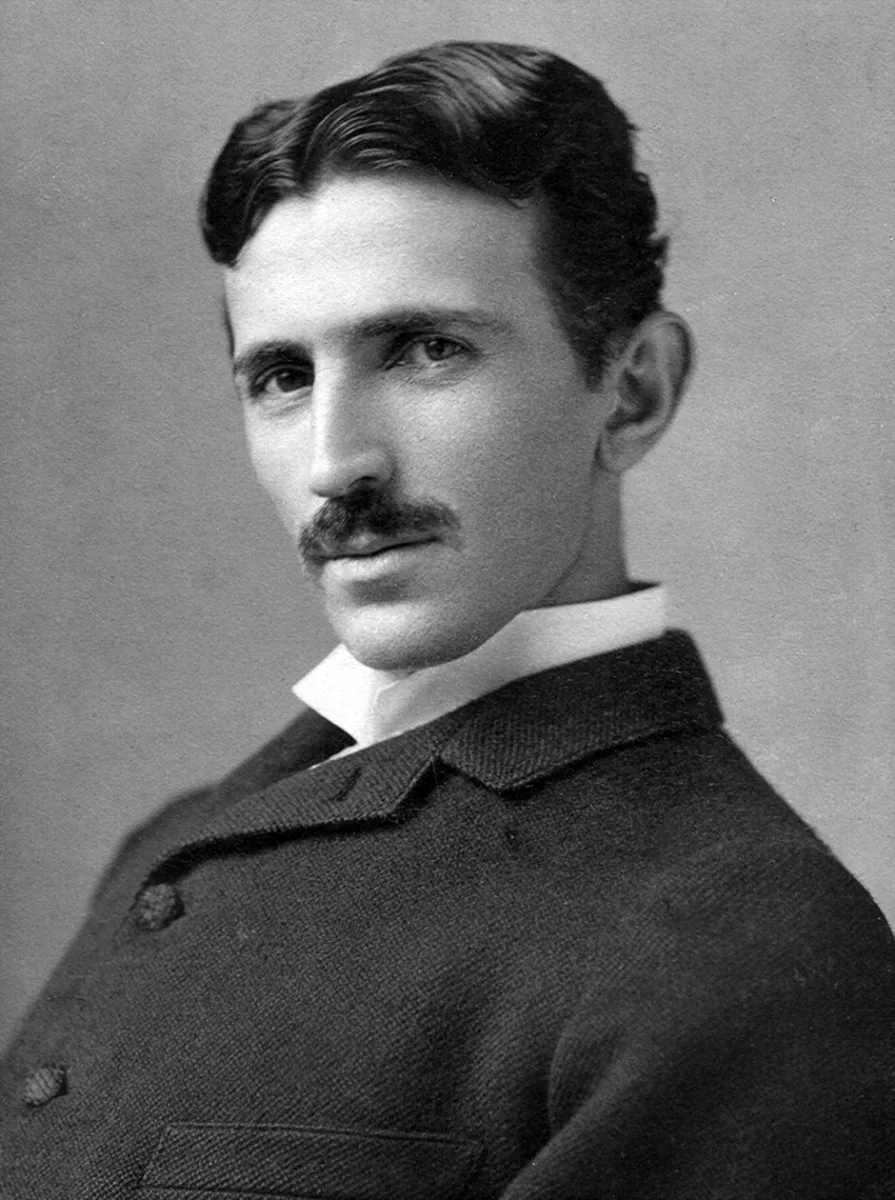
Nikola Tesla
Serbian-American inventor of the alternating-current induction motor
1856 – 1943
 Science
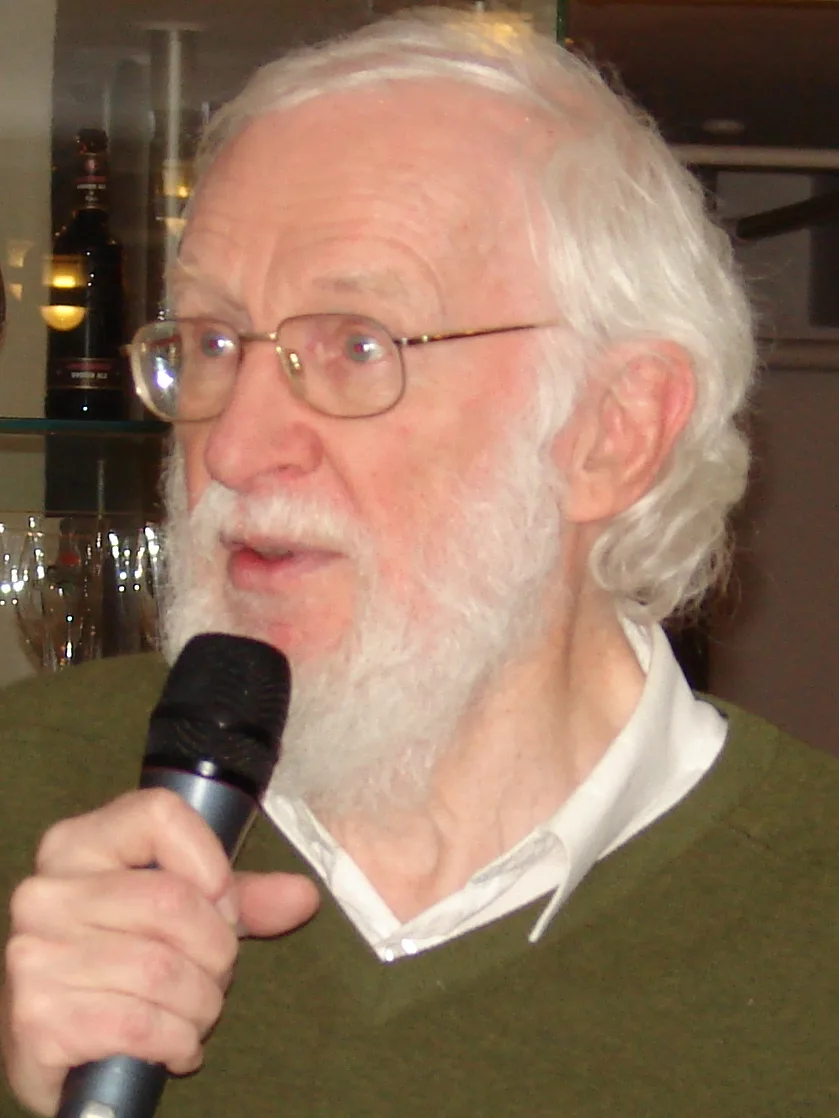
Peter Naur
Danish computer scientist who edited the ALGOL 60 report and refined Backus–Naur form
1928 – 2016
 Science
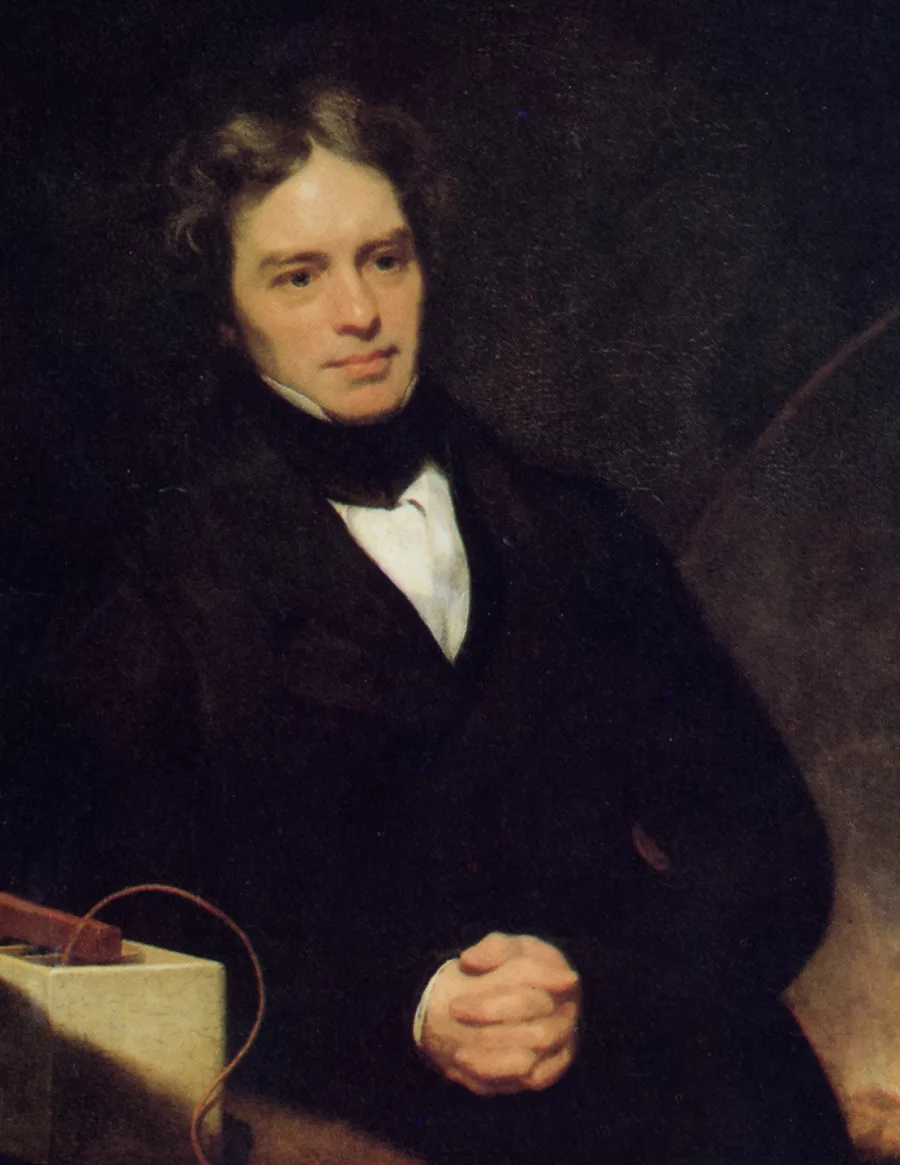
Michael Faraday
Self-taught scientist who discovered electromagnetic induction
1791 – 1867