Alan Perlis
Programming-language pioneer and the first winner of the Turing Award
- Lived
- 67 yrs
- 1922 – 1990
- Works listed
- 2
- Programming language, Essay
- Honours
- 2
- Most recent 1985
- Profile views
- 5
- 0 followers
Alan Perlis was an American computer scientist who helped design the ALGOL programming language and built one of the first computer science departments, at Carnegie Mellon University. In 1966 he became the first person to receive the Turing Award, often called the Nobel Prize of computing.
Biography
Early life and education
Perlis grew up in Pittsburgh, studied chemistry at the Carnegie Institute of Technology and, after serving as a weather officer in the US Army Air Forces during the Second World War, earned a doctorate in mathematics at MIT in 1950. He was drawn into computing while working on early machines such as MIT’s Whirlwind.
Building a discipline
At Purdue and then Carnegie Tech he ran computing centres and wrote compilers. He was the first head of Carnegie Mellon’s computer science department, founded in 1965, and helped define what a university course in computer science should contain at a time when the subject barely existed.
ALGOL and the Turing Award
Perlis was a member of the international committee that designed ALGOL 58 and ALGOL 60, languages whose clear block structure influenced Pascal, C and most later languages. He also served as president of the Association for Computing Machinery from 1962 to 1964. The ACM gave him the first A. M. Turing Award in 1966 for his work on advanced programming techniques and compilers.
Later years
He moved to Yale in 1971, where he chaired computer science. His 1982 “Epigrams on Programming”, short witty sayings about software, are still widely quoted by programmers. He died in New Haven in 1990.
Timeline
-
1922
Born in Pittsburgh, Pennsylvania, United States
-
1950
PhD in mathematics from MIT
-
1958
Works on the ALGOL 58 report
-
1962
Elected president of the ACM
-
1965
First head of computer science at Carnegie Mellon
-
1966
Receives the first Turing Award
-
1971
Joins Yale University
-
1982
Publishes “Epigrams on Programming”
-
1990
Died, aged 67
Notable works
-
1960
ALGOL 60 Programming language
Co-designed by an international committee including Perlis.
-
1982
Epigrams on Programming Essay
A collection of 130 aphorisms about software.
Awards and honours
-
Turing Award
1966 · The first ever awarded.
-
Computer Pioneer Award
1985
Did you know?
-
1
He first studied chemistry, not mathematics.
-
2
His epigram “A language that doesn't affect the way you think about programming is not worth knowing” is a favourite among programmers.
-
3
Carnegie Mellon’s computer science department, which he led first, became one of the best known in the world.
Connections
Related people


Frequently asked
Who is Alan Perlis?
Alan Perlis was an American computer scientist who helped design the ALGOL programming language and built one of the first computer science departments, at Carnegie Mellon University. In 1966 he became the first person to receive the Turing Award, often called the Nobel Prize of computing.
When did Alan Perlis die?
Alan Perlis died on 7 February 1990 at the age of 67.
Where is Alan Perlis from?
Alan Perlis was born in Pittsburgh, Pennsylvania, United States.
What is Alan Perlis known for?
Alan Perlis is best known for ALGOL; founding computer science at Carnegie Mellon; first Turing Award (1966); his “Epigrams on Programming”.
What awards has Alan Perlis received?
Notable honours include Turing Award (1966), Computer Pioneer Award (1985).
References
- Alan Perlis — Wikipedia. Wikipedia. Retrieved 4 November 2026.
- Alan Perlis — Britannica. Encyclopaedia Britannica. Retrieved 4 November 2026.
- Alan Perlis — Goodreads author page. Goodreads. Retrieved 4 November 2026.
- Alan Perlis (Q62861) — structured data. Wikidata. Retrieved 4 November 2026.
Includes material from the Wikipedia article “Alan Perlis”, licensed under CC BY-SA 4.0. That text is available under the same licence. Learn more
External links
About this profile
- Researched by the TrackFame editorial team; reviewed by Sanjay Sokal under our editorial policy
- First published 4 November 2026
- Last updated
Cite this page
“Alan Perlis.” TrackFame, last updated 5 November 2026. https://trackfame.com/person/alan-perlis
Discussion 0
Sign in or create an account to join the discussion.
No comments yet — be the first.
More in Science
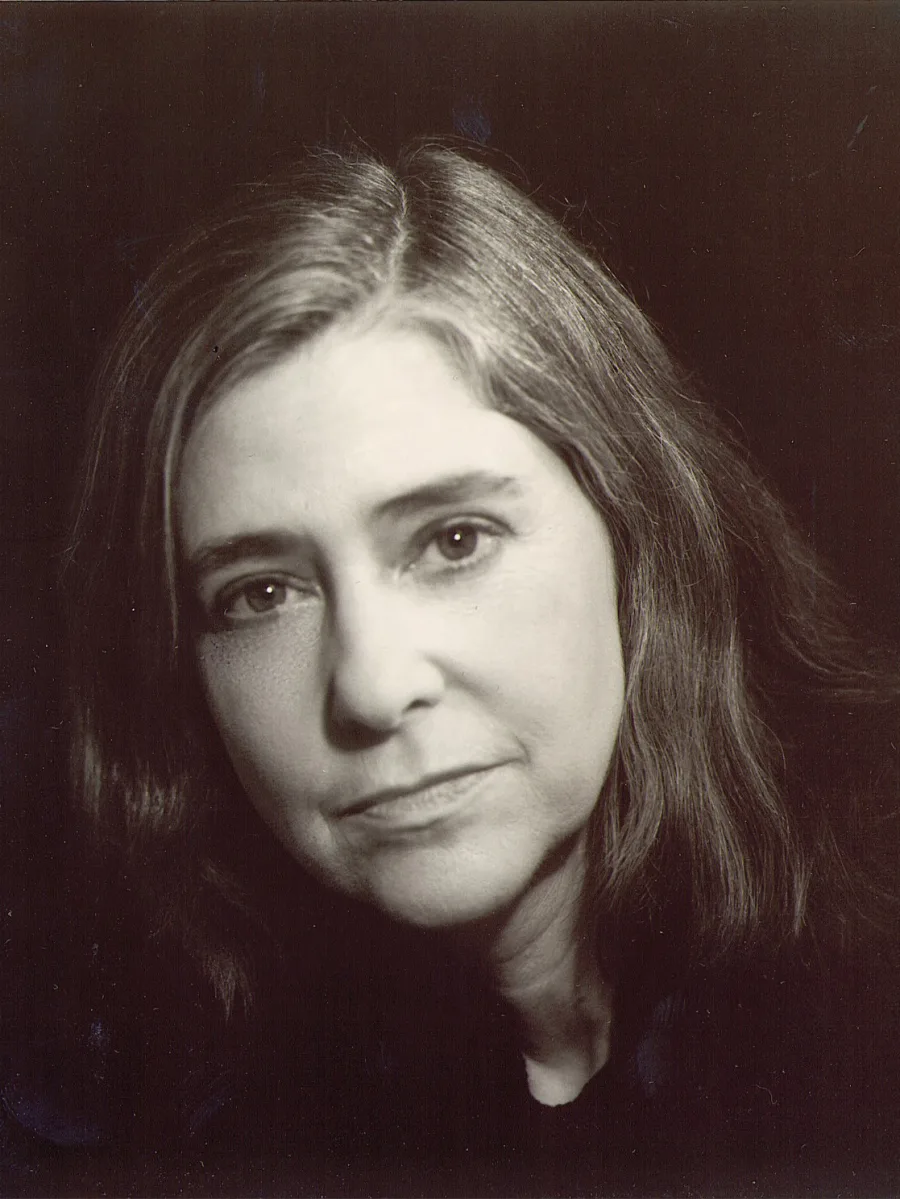 Science
Margaret Hamilton
MIT engineer who led the software for the Apollo Moon landings and coined “software engineering”
1936 – 2026
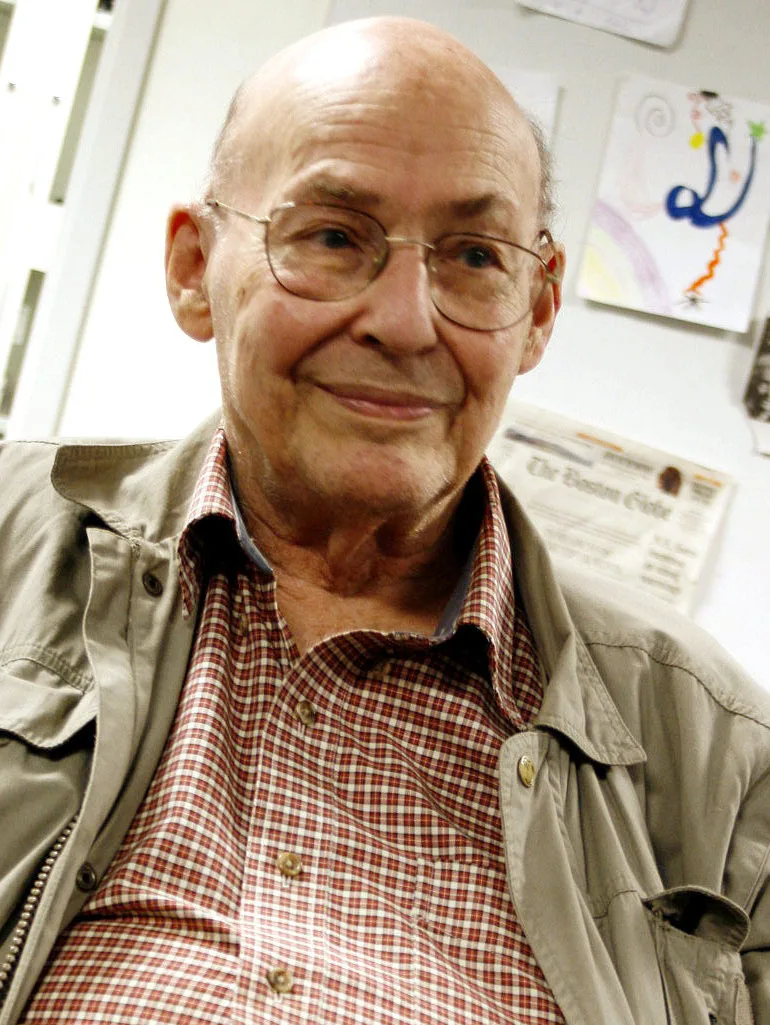 Science
Marvin Minsky
Co-founder of MIT’s artificial intelligence laboratory and a founding father of AI
1927 – 2016
 Science
Yann LeCun
French-American AI pioneer who invented convolutional neural networks
Born 1959
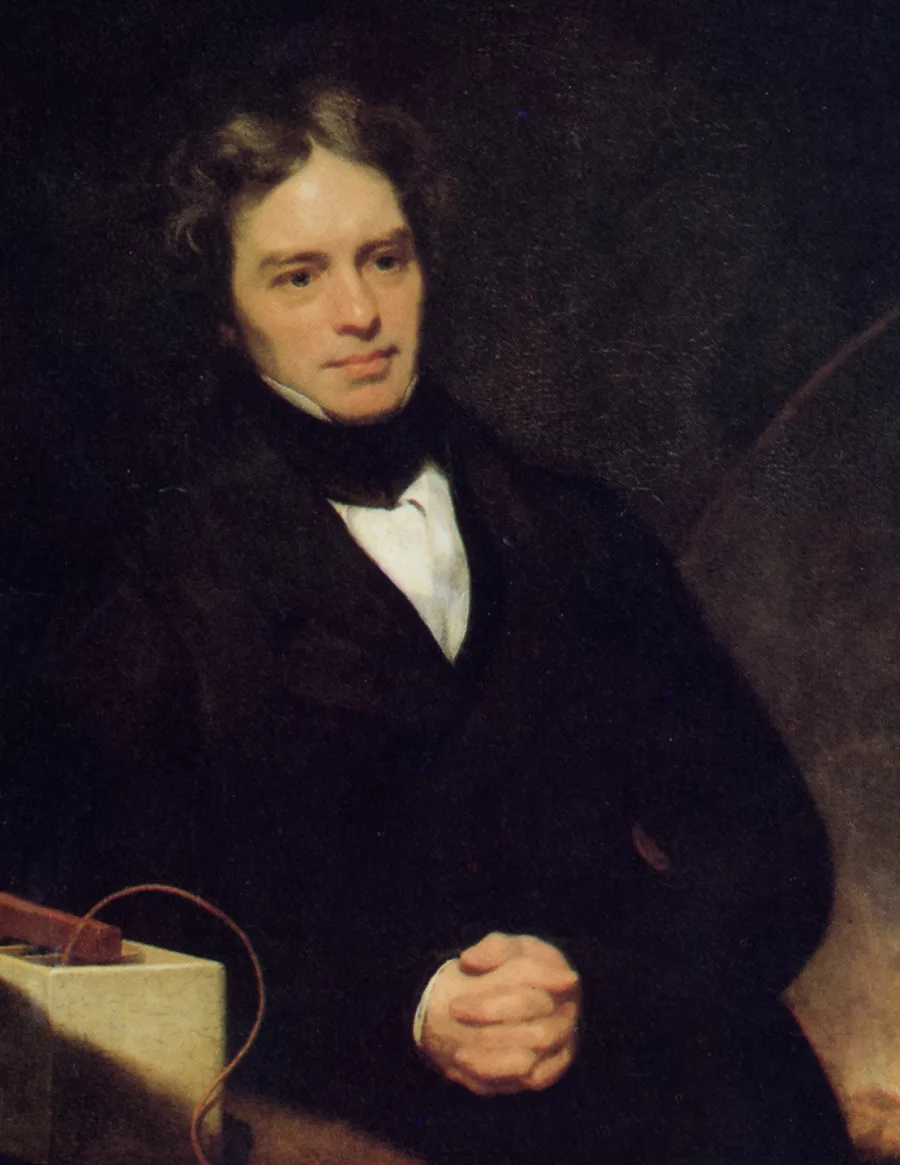 Science
Michael Faraday
Self-taught scientist who discovered electromagnetic induction
1791 – 1867
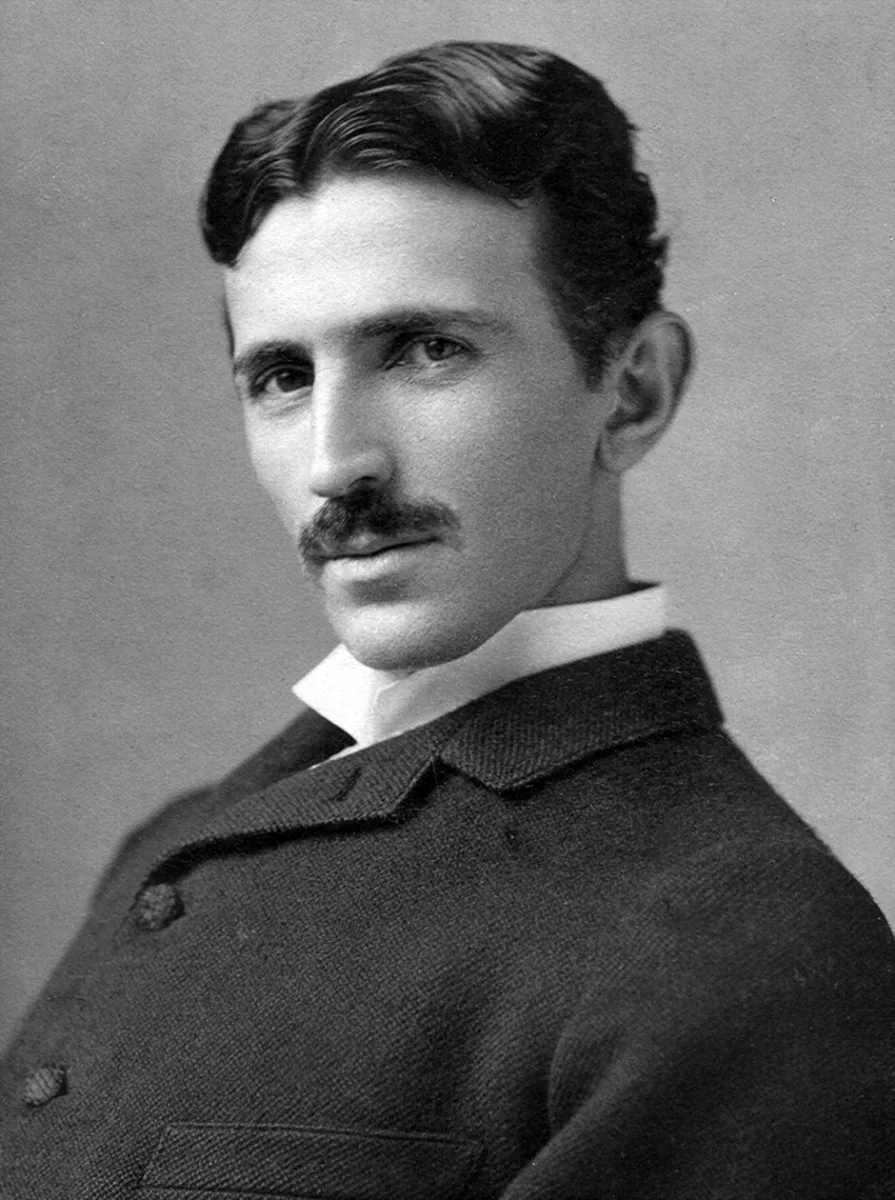 Science
Nikola Tesla
Serbian-American inventor of the alternating-current induction motor
1856 – 1943
 Science
Kristen Nygaard
Norwegian co-inventor of Simula and object-oriented programming
1926 – 2002