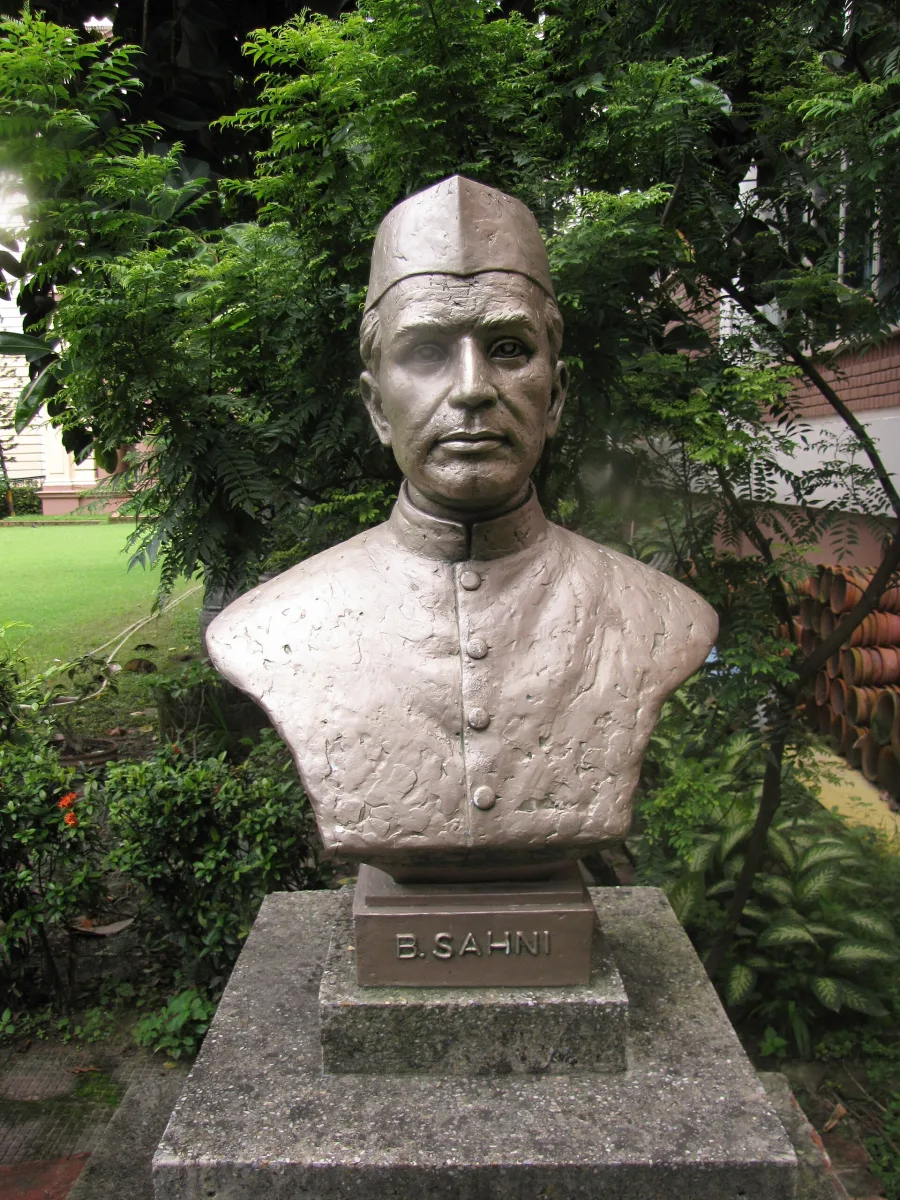
Birbal Sahni
Palaeobotanist who founded India’s institute for the study of fossil plants
- Lived
- 57 yrs
- 1891 – 1949
- Works listed
- 0
- Career highlights
- Honours
- 1
- Most recent 1936
- Profile views
- 1
- 0 followers
Birbal Sahni was a palaeobotanist who studied the fossil plants of the Indian subcontinent and founded the institute in Lucknow that now bears his name. He was the first Indian botanist elected a Fellow of the Royal Society. He died in 1949.
Biography
Education
Birbal Sahni grew up in Lahore, where his father taught chemistry. He studied at Government College, Lahore, and at Cambridge and London, earning a doctorate of science for research on fossil and living plants.
Fossil plants
Returning to India in 1919, he taught botany and became professor at the University of Lucknow. He studied fossil plants from regions such as the Rajmahal Hills in Bihar, describing new groups including Pentoxylon, and worked on the geology of the Deccan and the Salt Range.
The institute
In 1946 he set up an institute of palaeobotany in Lucknow, donating his collections and much of his savings. Prime Minister Jawaharlal Nehru laid the foundation stone of its building in April 1949; Sahni died a week later, on 10 April 1949. It is now the Birbal Sahni Institute of Palaeosciences.
Recognition
In 1936 he became the first Indian botanist elected a Fellow of the Royal Society. He was active in scientific societies and promoted science in India.
Timeline
-
1891
Born in Bhera, Shahpur district, Punjab, British India (now Pakistan)
-
1919
Returns to India
-
1921
Professor at Lucknow University
-
1936
Fellow of the Royal Society
-
1946
Founds the institute of palaeobotany
-
1949
Foundation stone laid; dies in Lucknow
-
1949
Died, aged 57
Awards and honours
-
Fellow of the Royal Society
1936
Did you know?
-
1
He donated his fossil collection to found his institute.
-
2
He died a week after Nehru laid his institute’s foundation stone.
-
3
He described the extinct plant group Pentoxylon.
Connections
Related people
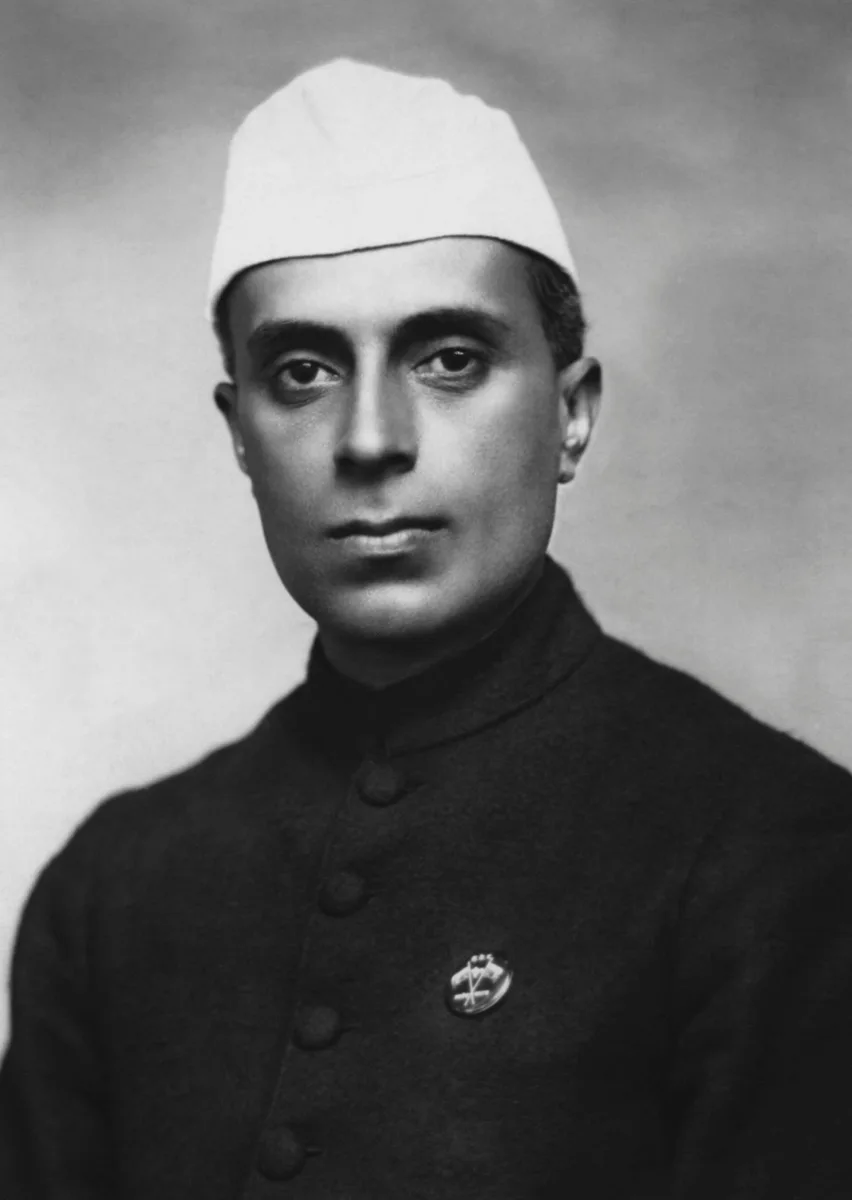
Also born on 14 November

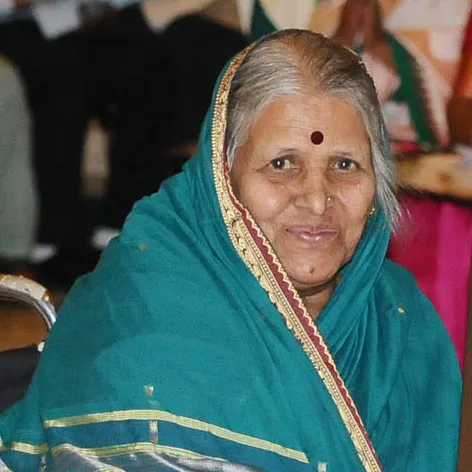
Frequently asked
Who is Birbal Sahni?
Birbal Sahni was a palaeobotanist who studied the fossil plants of the Indian subcontinent and founded the institute in Lucknow that now bears his name. He was the first Indian botanist elected a Fellow of the Royal Society. He died in 1949.
When did Birbal Sahni die?
Birbal Sahni died on 10 April 1949 at the age of 57.
Where is Birbal Sahni from?
Birbal Sahni was born in Bhera, Shahpur district, Punjab, British India (now Pakistan).
What is Birbal Sahni known for?
Birbal Sahni is best known for Studies of fossil plants of the Rajmahal Hills; the Birbal Sahni Institute of Palaeobotany.
What awards has Birbal Sahni received?
Notable honours include Fellow of the Royal Society (1936).
References
- Birbal Sahni — Wikipedia. Wikipedia. Retrieved 2 November 2026.
- Birbal Sahni — Hindi Wikipedia. Wikipedia (Hindi). Retrieved 2 November 2026.
- Birbal Sahni (Q2688170) — structured data. Wikidata. Retrieved 2 November 2026.
Includes material from the Wikipedia article “Birbal Sahni”, licensed under CC BY-SA 4.0. That text is available under the same licence. Learn more
External links
About this profile
- Researched by the TrackFame editorial team; reviewed by Sanjay Sokal under our editorial policy
- First published 2 November 2026
- Last updated
Cite this page
“Birbal Sahni.” TrackFame, last updated 3 November 2026. https://trackfame.com/person/birbal-sahni
Discussion 0
Sign in or create an account to join the discussion.
No comments yet — be the first.
More in Science
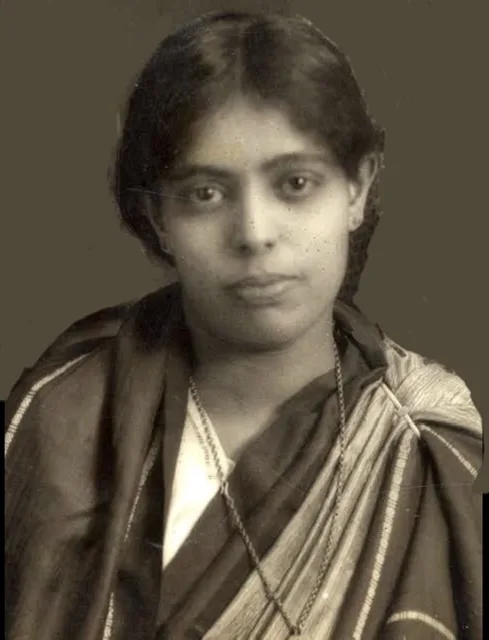 Science
Janaki Ammal
Botanist and plant cytogeneticist
1897 – 1984
 Science
C. V. Raman
Physicist; Nobel laureate who discovered the Raman effect
1888 – 1970
 Science
U. R. Rao
Space scientist who built India’s first satellite
1932 – 2017
 Science
Meghnad Saha
Astrophysicist known for the Saha ionisation equation
1893 – 1956
 Science
Subrahmanyan Chandrasekhar
Astrophysicist who discovered the Chandrasekhar limit
1910 – 1995
 Science
P. C. Mahalanobis
Statistician who founded the Indian Statistical Institute
1893 – 1972