Legends of Hindi cinema’s golden age
The 1950s and 1960s gave Hindi cinema its greatest classics. Meet the actors, singers and filmmakers who defined the golden age.
By the TrackFame editorial team 2 min read

The two decades after independence are often called the golden age of Hindi cinema. Films grappled with the hopes and anxieties of a new nation, music reached heights rarely matched since, and a handful of stars became legends. Here are the people who defined that era.
The great trio
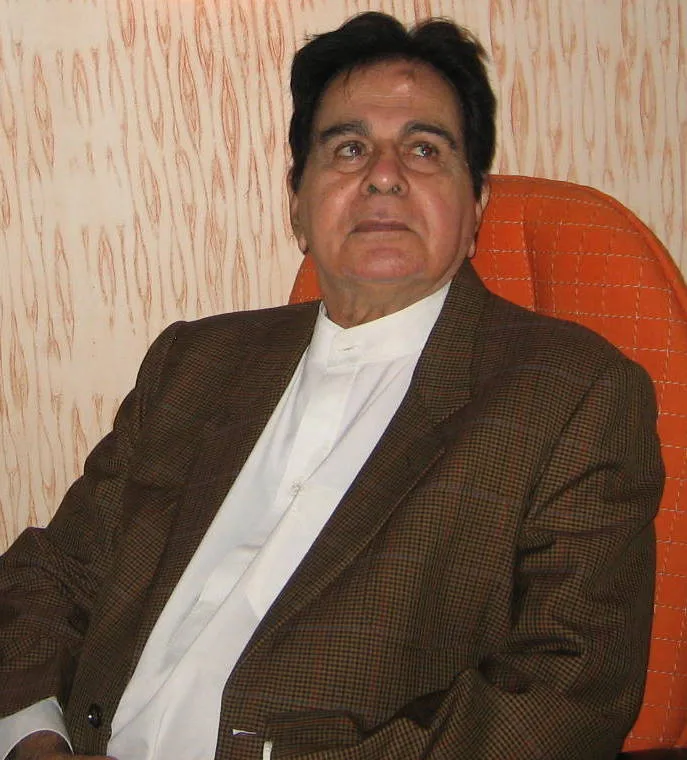
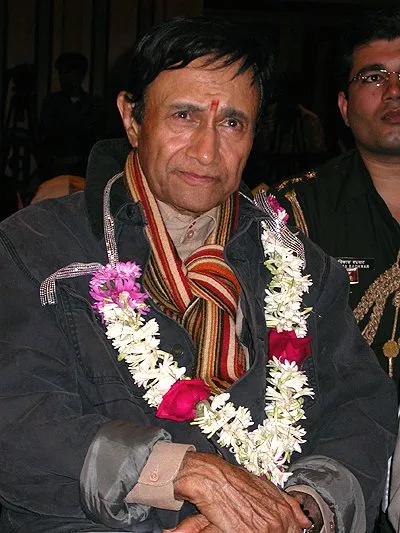
Three actors dominated the period. Dilip Kumar, the “Tragedy King”, brought a restrained, naturalistic style to films such as Devdas and Mughal-e-Azam and won the first Filmfare Award for Best Actor. Raj Kapoor created a lovable, Chaplin-like tramp in Awaara and Shree 420 and became famous across the Soviet Union and beyond. Dev Anand played the charming urban hero in crime films such as Baazi and C.I.D. and gave his finest performance in Guide. Although rivals at the box office, the three were friends, and each represented a different idea of the modern Indian man.
The leading ladies
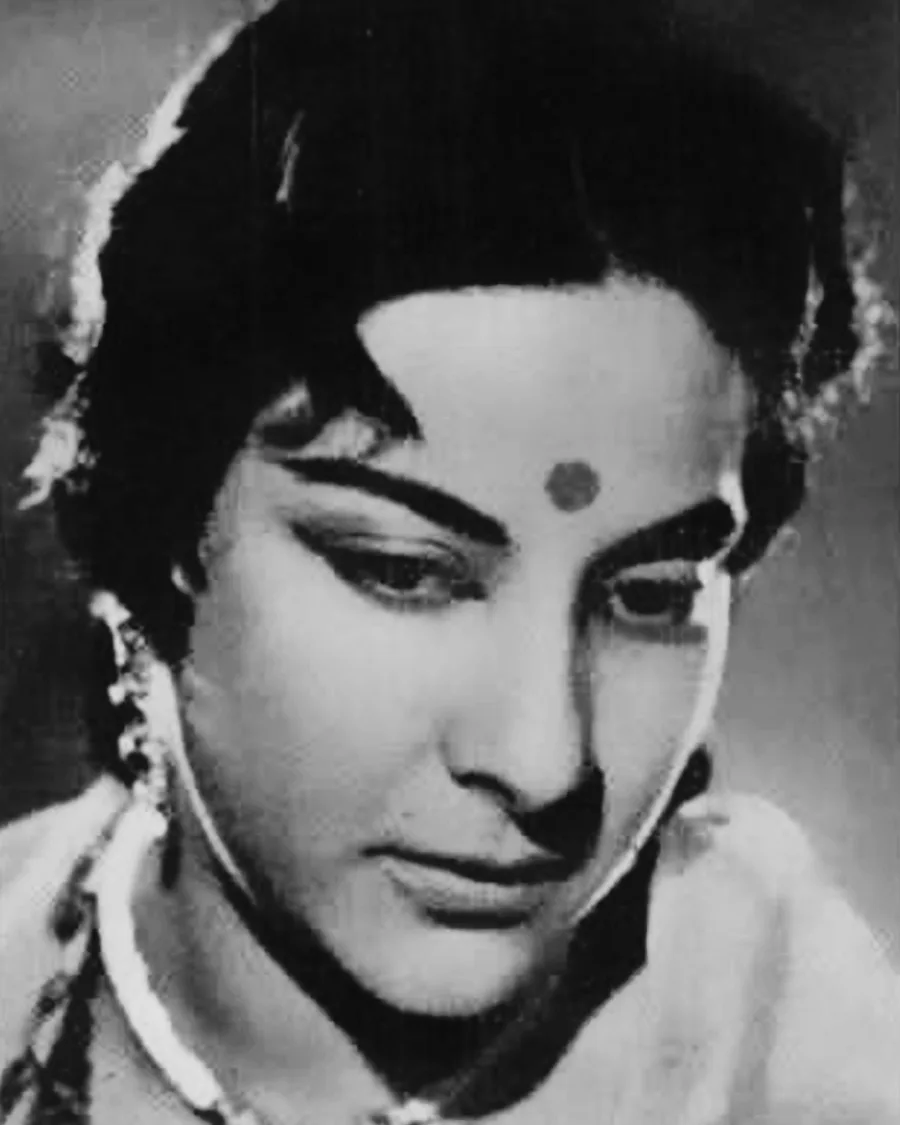
Nargis starred opposite Raj Kapoor in sixteen films and gave one of Indian cinema’s greatest performances in Mother India (1957), the first Indian film nominated for an Academy Award. Madhubala, celebrated for her beauty and comic timing, created the unforgettable Anarkali in Mughal-e-Azam (1960) while battling a serious heart condition.
The voices
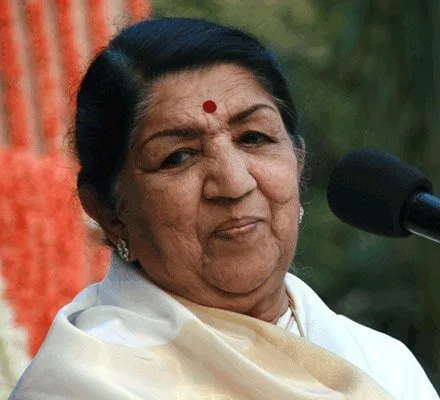
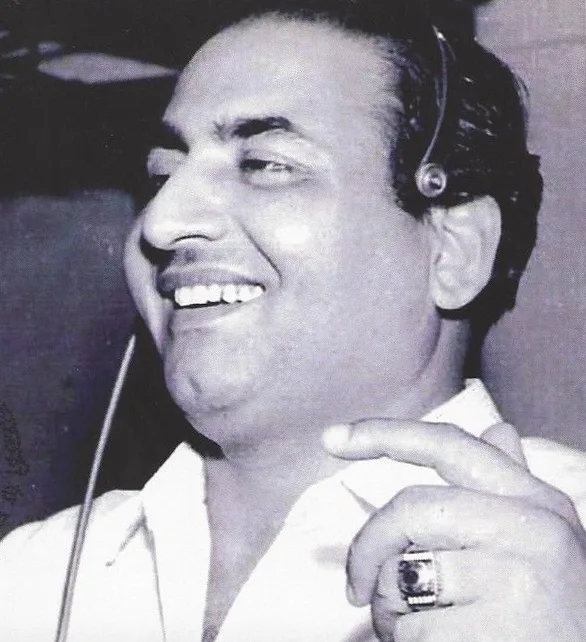
The songs of the golden age are still sung across South Asia. Lata Mangeshkar became the dominant female voice of Hindi film, while Mohammed Rafi sang everything from devotional songs to romantic duets. Kishore Kumar, who began as a comic actor, developed into one of the most versatile singers in film history. Composers such as S. D. Burman, Naushad and Shankar–Jaikishan wrote melodies around these voices.
The art cinema alternative
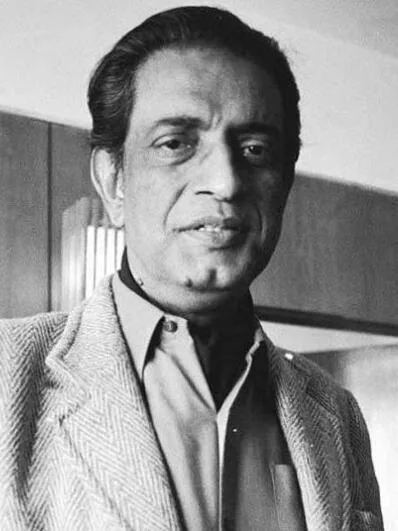
While Bombay made popular films, Satyajit Ray in Calcutta made Pather Panchali (1955), which won a prize at Cannes and announced a different kind of Indian cinema — quiet, realist and deeply humane.
Why the golden age still matters
Many themes of these films — the honest poor against the corrupt rich, the village against the city, love across class and religion — reflected the idealism of the Nehru years. Their songs remain the soundtrack of family gatherings, and their stars still set the standard against which later actors are measured. Classics such as Mughal-e-Azam were even re-released in colour decades later and drew new audiences.
People in this article
Film & TV
Madhubala
Hindi film actress remembered as Anarkali in Mughal-e-Azam
1933 – 1969
 Film & TV
Dilip Kumar
Hindi cinema legend known as the “Tragedy King”
1922 – 2021
 Film & TV
Raj Kapoor
Actor, director and producer known as the “Showman” of Hindi cinema
1924 – 1988
 Film & TV
Dev Anand
Hindi film star and producer of Navketan Films
1923 – 2011
 Film & TV
Nargis
Hindi film actress best known for Mother India
1929 – 1981
 Music
Lata Mangeshkar
Playback singer whose voice defined Hindi film music for seven decades
1929 – 2022
 Film & TV
Mohammed Rafi
Playback singer of Hindi cinema’s golden age
1924 – 1980
 Film & TV
Kishore Kumar
Playback singer and actor, one of the greatest voices of Hindi cinema
1929 – 1987
 Film & TV
Satyajit Ray
Filmmaker and writer, director of the Apu Trilogy
1921 – 1992
More articles
All articles
Film & TV
Bollywood under threat: from the blackbuck case to the Juhu firing
How a 1998 poaching case became the starting point of years of threats and shootings linked to film personalities — and how the industry and police have responded.
27 October 2026
Who is Lawrence Bishnoi? The jailed gangster linked to threats against Bollywood
Lawrence Bishnoi has been in jail since 2014, yet his name keeps appearing in investigations in India, Canada and the United States. Here is what is known, what is alleged and what is proven.
27 October 2026

Film & TV
Firing at Tiger Shroff’s car in Juhu: what we know so far
A factual, dated account of the October 2026 firing at Tiger Shroff’s car in Mumbai — the incident, the arrests, the claims that police are still verifying, and what remains unknown.
27 October 2026