Digital India explained: UPI, Aadhaar and India’s tech transformation
India now processes more than 24 billion UPI payments a month. How Aadhaar, UPI and other digital public infrastructure changed the way Indians pay, bank and access services.
By the TrackFame editorial team 3 min read
A vegetable seller in Delhi with a printed QR code, a farmer receiving a subsidy directly into a bank account, a student downloading a degree certificate on a phone — these everyday scenes show how far India’s digital transformation has come. Here is how it works.
What is “Digital India”?
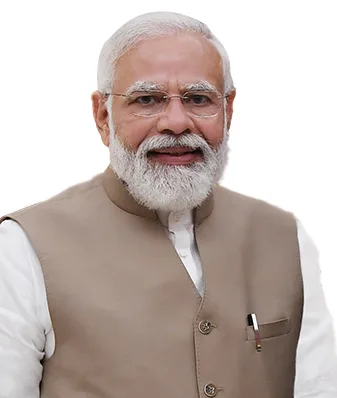
Digital India is a government programme launched by Prime Minister Narendra Modi on 1 July 2015 to expand internet access, deliver government services online and promote digital literacy. It brought together projects that had begun earlier with new initiatives.
At its core is what experts call digital public infrastructure — shared, open systems that both government and private companies can build on. People often call this set of systems the “India Stack”.
Aadhaar: a digital identity
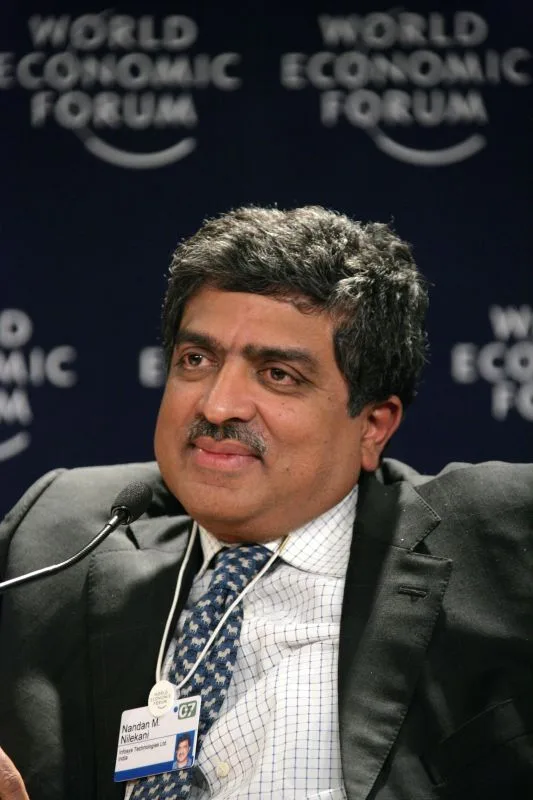
Aadhaar is a 12-digit identity number linked to a person’s fingerprints, iris scan and photograph. It was launched in 2009 under the government of Manmohan Singh, with Nandan Nilekani, co-founder of Infosys, as the first chairman of the Unique Identification Authority of India (UIDAI). The first numbers were issued in 2010.
More than 1.3 billion Aadhaar numbers have been issued. Aadhaar lets people prove who they are quickly — for example, to open a bank account or get a mobile SIM — through electronic verification.
In 2018 the Supreme Court upheld Aadhaar as constitutional but limited its use by private companies, following debates about privacy.
The JAM trinity
After 2014 the government linked three things together, often called the “JAM trinity”:
- Jan Dhan — a scheme launched in August 2014 that has opened more than 500 million basic bank accounts;
- Aadhaar — identity;
- Mobile phones.
Together they made Direct Benefit Transfer possible: subsidies and welfare payments sent straight to people’s bank accounts, reducing leakage through middlemen.
UPI: payments in seconds
The Unified Payments Interface (UPI) was developed by the National Payments Corporation of India (NPCI) and launched in 2016. It lets anyone send money instantly between bank accounts using a phone, a simple ID or a QR code, usually at no cost to the user.
UPI’s growth has been extraordinary. In August 2026 it handled a record 24.51 billion transactions worth ₹29.82 lakh crore in a single month, according to NPCI data. UPI now accounts for the large majority of digital payments in India, and India carries out more real-time digital payments than any other country.
Apps such as PhonePe, Google Pay and Paytm all run on UPI, which means users of different apps can pay each other.
UPI goes global
UPI or linked payment systems can now be used in several countries, including Singapore, the UAE, France, Bhutan, Nepal, Sri Lanka and Mauritius. Indian officials promote the model to other countries as an example of open digital infrastructure.
Other building blocks
- DigiLocker stores official documents such as driving licences and mark sheets.
- CoWIN managed India’s Covid-19 vaccination programme.
- ONDC (Open Network for Digital Commerce) aims to open up online shopping to small sellers.
- Account Aggregator lets people share financial data securely with consent.
Cheap data
Digital India grew alongside a fall in the price of mobile data, especially after Reliance Jio launched in 2016 with very low prices. India now has hundreds of millions of smartphone users, many of whom came online for the first time through a mobile phone.
Challenges
Experts point to several issues:
- Digital divide: many older and rural people still lack skills or devices.
- Fraud: online scams have risen with digital payments.
- Privacy: India passed the Digital Personal Data Protection Act in 2023, and its rules are being implemented.
Why the world is watching
India’s approach — building public digital systems that private companies can use — is studied by governments around the world. During its G20 presidency in 2023 India promoted digital public infrastructure as a tool for development.
For hundreds of millions of Indians, the result is visible every day: paying for tea, train tickets or rent with a quick scan of a phone.
People in this article

More articles
All articlesTechnology
What Meta owns: Facebook, Instagram, WhatsApp, Threads and Quest explained
Meta Platforms owns some of the most-used apps on Earth. A simple guide to Facebook, Instagram, WhatsApp, Messenger, Threads, Quest headsets and Ray-Ban Meta glasses.
4 November 2026
Technology
From a Harvard dorm to Meta: the Facebook story
In 2004 a 19-year-old student launched a website from his Harvard dorm room. Two decades later it had become Meta, used by billions. The story of Facebook and Mark Zuckerberg.
4 November 2026
Technology
Zuckerberg’s superintelligence bet: inside Meta’s biggest AI push
Mark Zuckerberg has made “superintelligence” Meta’s top priority, hiring top researchers and spending heavily on data centres. What Meta Superintelligence Labs is and what it has released.
4 November 2026